
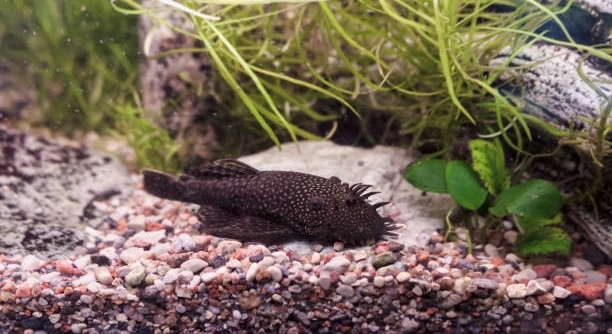
Do Bristlenose Plecos are popular freshwater fish known for their unique appearance and helpful algae-eating habits. Many aquarium owners enjoy watching their behavior and keeping their tanks clean with these fascinating little fish.
Bristlenose Plecos may occasionally eat their own eggs, though this behavior is not constant. Factors such as stress, insufficient hiding spots, or lack of food can contribute to egg consumption, making careful tank management essential for successful breeding.
Understanding why this happens can help you create a safer environment for your Plecos. Proper preparation ensures healthier fry and a more balanced aquarium ecosystem.
Why Bristlenose Plecos Might Eat Their Eggs
Bristlenose Plecos eating their own eggs can seem frustrating, but it is often linked to environmental stress and survival instincts. In the wild, fish sometimes consume eggs to prevent predators from noticing them or to recover nutrients when conditions are harsh. In aquariums, crowded tanks, sudden changes in water quality, or improper lighting can trigger similar behaviors. A Pleco may also eat eggs if it feels the eggs are at risk of not surviving or if it lacks sufficient food sources. Providing hiding spaces, such as caves or driftwood, can reduce stress and protect eggs. Additionally, maintaining consistent water parameters and feeding your Pleco a balanced diet lowers the chances of egg consumption. Recognizing these patterns allows aquarists to adjust tank conditions and improve breeding success. Understanding the natural instincts behind this behavior can help you foster a healthier, safer environment for your fish.
Controlling stress and offering enough food are key to reducing egg predation in Plecos.
Regular monitoring and proper tank setup create a more stable environment for both adults and fry, increasing survival rates.
Preventing Egg Consumption in Your Aquarium
Setting up your tank with caves or shelters provides a secure place for eggs and reduces the adult Pleco’s urge to eat them.
Feeding your Plecos consistently and ensuring water quality remains stable are vital steps. Overcrowding should be avoided to minimize stress. Observing your fish daily allows you to notice early signs of aggression or egg predation. Some breeders remove eggs to a separate tank temporarily, giving fry a better chance to survive. Temperature and pH levels should match the species’ needs, creating an environment closer to natural conditions. Keeping the tank clean and free from sudden disturbances further reduces stress-related behaviors. Consistent routines, such as scheduled feeding and lighting, help fish feel safe. With these measures, your Plecos are more likely to focus on caring for eggs rather than consuming them. Patience and attention to detail are essential to successfully breeding Bristlenose Plecos.
With careful management, most Plecos can raise their eggs without issues.
Taking small steps to improve tank conditions, provide adequate hiding spots, and maintain optimal nutrition can significantly boost the survival of eggs and fry. Combining environmental adjustments with proper feeding habits encourages natural breeding behaviors, leading to healthier, thriving Plecos in your aquarium. Observing the fish closely also allows you to identify patterns and make further refinements. Over time, these efforts create a balanced ecosystem where eggs have a much higher chance of developing successfully. Successful breeding becomes achievable without the need for extreme interventions, allowing the adult Plecos to exhibit natural parental care. This approach not only improves fry survival but also strengthens your understanding of their behaviors and needs.
Feeding Habits and Egg Safety
A well-fed Pleco is less likely to eat its eggs. Providing a diet rich in vegetables, algae wafers, and occasional protein treats can reduce egg predation. Consistent feeding routines help Plecos focus on caring for eggs rather than consuming them.
Bristlenose Plecos require a mix of plant-based and protein-rich foods. Leafy greens such as spinach, zucchini, or cucumber work well, alongside algae wafers for daily nutrition. Occasionally offering bloodworms or shrimp can supplement protein needs. Overfeeding should be avoided, as excess food can pollute the tank and stress fish. A balanced diet ensures adult Plecos remain healthy and less likely to turn to eggs as a nutrient source. Proper nutrition supports overall tank stability, fostering better breeding behavior and egg survival.
Observing feeding patterns is important. Plecos that consistently eat all their meals and appear satisfied are much less likely to consume eggs. Providing varied food and monitoring intake helps maintain this balance. Additionally, removing uneaten food prevents water quality issues, which can stress the fish and increase egg consumption risks. Creating a routine that satisfies nutritional needs ensures the adults remain focused on breeding rather than opportunistic behaviors, ultimately improving survival chances for the eggs and fry.
Environmental Factors That Influence Egg Consumption
Water quality and tank setup directly affect egg safety. Clean water, stable temperatures, and sufficient hiding spaces reduce stress and the likelihood of egg predation.
Proper water conditions are critical for Pleco breeding success. Sudden changes in pH, temperature, or hardness can stress fish, prompting them to eat their eggs. Using a filter that provides gentle flow helps maintain cleanliness without disturbing eggs. Caves, driftwood, or PVC tubes offer secure spawning locations, protecting eggs from both adult fish and external stressors. Lighting schedules should remain consistent to avoid sudden changes that could unsettle the fish. Regular monitoring of water parameters allows early detection of potential problems, ensuring eggs remain safe and Plecos stay calm in their environment.
In addition to hiding spots and stable water, avoiding overcrowding is essential. Too many fish in one tank increases stress and competition, raising the risk of egg consumption. Each adult Pleco benefits from personal space and a calm environment. Proper tank maintenance, regular water changes, and careful observation of fish behavior help create a stable habitat. With these measures, eggs have a higher chance of developing fully, and adult Plecos are more likely to engage in natural, nurturing behaviors rather than opportunistic feeding on their own offspring.
Breeding Behavior of Bristlenose Plecos
Bristlenose Plecos exhibit distinct breeding behavior. Males guard the eggs in caves or crevices, fanning them with their fins to provide oxygen. This protective instinct helps increase the survival rate of the eggs in a controlled aquarium environment.
Mating occurs when the female lays eggs inside a secure hiding spot. The male then fertilizes the eggs and remains nearby to guard them. He may occasionally clean the eggs and remove fungus or debris to prevent infection. Observing this behavior allows aquarists to understand which fish are actively involved in caring for their offspring.
Separating Eggs for Higher Survival
Removing eggs to a separate tank can increase survival rates, especially in crowded setups.
Signs of Egg Consumption
Yellowing or missing eggs can indicate that adults are eating them. Monitoring the eggs closely helps detect issues early.
FAQ
Do Bristlenose Plecos always eat their eggs?
No, Bristlenose Plecos do not always eat their eggs. Egg consumption depends on environmental stress, lack of hiding spaces, or insufficient food. When the tank is well-maintained with proper nutrition, Plecos are more likely to care for their eggs rather than consume them.
How can I prevent my Plecos from eating eggs?
Providing caves, driftwood, or PVC tubes gives eggs a safe place. Maintaining stable water conditions and feeding a balanced diet reduces stress and discourages egg consumption. Regular observation of the tank ensures early intervention if problems arise.
When should I remove eggs to a separate tank?
Eggs should be removed if the tank is crowded or if the adults show signs of eating them. A separate breeding tank allows for safer development, stable water conditions, and better monitoring of hatching.
What diet helps reduce egg predation?
Plecos thrive on plant-based foods such as zucchini, spinach, and algae wafers. Occasional protein sources like bloodworms or shrimp support nutrition. Feeding consistently prevents the adults from turning to eggs as a nutrient source.
How can I tell if eggs are being eaten?
Signs include missing eggs, yellowing eggs, or visible damage. Monitoring eggs daily allows early detection, enabling aquarists to remove them or adjust tank conditions to prevent further loss.
Does water quality affect egg survival?
Yes, unstable water parameters increase stress and the likelihood of egg consumption. Maintaining consistent temperature, pH, and hardness is crucial for both adult Plecos and eggs. Clean, filtered water helps ensure a stable environment for development.
Do all males guard the eggs?
Most males display protective behavior, fanning and cleaning the eggs. However, some may not guard if stressed or poorly fed. Providing a calm environment encourages natural parental care.
Can overcrowding cause adults to eat eggs?
Yes, overcrowding increases competition and stress. Adults may consume eggs if they feel threatened or if space is limited. Proper tank sizing and limiting fish density help prevent this behavior.
Are there signs of stress that predict egg consumption?
Restless swimming, hiding, or aggression can indicate stress. Stressed Plecos are more likely to consume eggs. Observing these behaviors allows you to intervene by improving tank conditions or feeding.
How long does it take for Bristlenose Pleco eggs to hatch?
Eggs generally hatch within 4–7 days, depending on temperature and water conditions. Maintaining stable, optimal conditions during this period is critical for survival. Observing egg development helps ensure timely intervention if problems arise.
What should I do if eggs are infected or fungus develops?
Remove infected eggs immediately to prevent spread. Maintaining clean water and good ventilation in the breeding area reduces fungal growth. Occasionally, antifungal treatments may be used, but natural prevention through water quality and hygiene is preferred.
Do females help care for eggs?
Females usually deposit the eggs and leave. The male typically handles most of the guarding and cleaning. Ensuring the female has adequate nutrition before spawning supports overall health and breeding success.
Is it necessary to separate fry after hatching?
Yes, separating fry can protect them from adult fish and improve survival rates. Providing a safe space with fine food for the fry encourages healthy growth. Monitoring fry ensures proper development and reduces risk of predation.
How often should I feed adult Plecos during breeding?
Feeding once or twice daily with a balanced diet keeps adults healthy and less likely to eat eggs. Observing food intake ensures they are well-fed and reduces stress-related behaviors.
Can lighting affect egg consumption?
Sudden changes in lighting can stress Plecos. Consistent lighting schedules mimic natural conditions and support healthy parental behavior. Avoid harsh or abrupt light changes near the breeding site.
Do Plecos eat eggs if they are weak or unhealthy?
Sometimes, adults may consume eggs that appear damaged or non-viable. Removing visibly unhealthy eggs reduces stress and prevents adults from focusing on eating them instead of caring for healthy eggs.
What is the best tank setup for breeding Plecos?
A tank with caves, driftwood, gentle filtration, stable water parameters, and proper feeding creates a safe environment. Personal space for each adult reduces stress, encourages natural guarding behavior, and increases egg survival.
How can I tell if eggs are healthy?
Healthy eggs are firm, translucent, and often sticky to surfaces. Yellowing, cloudy, or soft eggs may indicate infection or poor conditions. Monitoring these characteristics helps decide whether intervention is necessary.
Are some Plecos more likely to eat eggs than others?
Behavior varies by individual fish. Stress levels, tank conditions, and feeding habits influence egg consumption tendencies. Careful observation and proper management reduce risk.
Can adding plants improve egg survival?
Yes, plants provide additional hiding spaces and reduce stress. Dense plant areas create natural barriers, making it harder for adults to reach eggs while offering shelter for newly hatched fry.
How long should I monitor eggs daily?
Checking eggs once or twice daily is sufficient. Look for signs of fungal growth, missing eggs, or stress behaviors. Early detection allows corrective action to protect remaining eggs.
Does temperature impact egg consumption?
Extreme or fluctuating temperatures increase stress, which can trigger egg-eating behavior. Maintaining stable, species-appropriate temperature supports healthy adult behavior and successful hatching.
Can adult Plecos learn to avoid eating eggs?
Adults may reduce egg consumption if consistently provided with food, hiding spaces, and a calm environment. Over time, positive conditions reinforce natural protective behaviors.
Is it safe to breed multiple Pleco pairs in one tank?
Breeding multiple pairs in a single tank increases risk of stress and egg predation. Separate tanks for each pair or carefully monitored large tanks with enough hiding spaces are recommended.
How soon can I remove fry from the breeding tank?
Once fry are free-swimming and large enough to avoid being eaten, usually after 1–2 weeks, they can be moved to a separate grow-out tank. Proper care ensures higher survival rates.
Do Plecos eat eggs of other fish species?
Yes, they may opportunistically consume eggs from other species if accessible. Providing separate breeding areas for different species minimizes this risk and protects eggs.
Can overcrowded tanks affect fry growth?
Overcrowding reduces oxygen and increases waste, which can slow fry development and increase mortality. Providing adequate space and proper filtration ensures healthy growth for all fry.
What are common mistakes when breeding Plecos?
Mistakes include poor water quality, insufficient hiding spaces, inconsistent feeding, overcrowding, and ignoring stress signs. Addressing these issues improves egg survival and overall tank health.
How long should I maintain stable conditions after eggs are laid?
Stable conditions are critical until fry are free-swimming and adults are less focused on guarding eggs, typically 1–2 weeks. Monitoring during this period ensures successful hatching.
Do Plecos eat eggs when there is insufficient oxygen?
Yes, low oxygen levels can stress adults, increasing the likelihood of egg consumption. Gentle water movement and aeration help maintain safe oxygen levels for both eggs and adults.
Can I use artificial caves to protect eggs?
Artificial caves work well to provide secure spawning sites. They allow males to guard eggs effectively and reduce risk of predation or stress from other tank mates.
Is it necessary to remove the male after hatching?
Removing the male after fry are free-swimming can prevent accidental predation. Fry benefit from a calm environment where they can feed and grow safely.
Can stress from other fish cause egg eating?
Yes, aggressive or curious tank mates can stress adults, prompting egg consumption. Isolating breeding pairs or providing barriers reduces interference and supports natural parental care.
How can I track fry development?
Observe daily for growth, activity, and feeding. Healthy fry are active, eat well, and gradually increase in size. Keeping a simple record helps identify issues early.
Do Plecos eat infertile eggs more often?
Yes, adults may consume eggs that are not viable. Removing or separating infertile eggs prevents unnecessary consumption and encourages focus on healthy eggs.
What is the role of fanning eggs?
Males fan eggs to provide oxygen and prevent fungus. This behavior improves survival and reduces the likelihood that adults will consume their own eggs.
How often should I clean the breeding tank?
Cleaning should be regular but gentle. Remove waste and uneaten food without disturbing eggs. Maintaining clean water supports healthy development and reduces adult stress.
Are there signs that fry are ready to be fed separately?
Fry that are swimming freely and actively exploring the tank are ready for small, suitable foods. Gradual introduction ensures proper nutrition and reduces risk of adult predation.
Do Plecos prefer certain surfaces for laying eggs?
Yes, they prefer smooth, flat surfaces inside caves or tubes. Providing these surfaces encourages natural spawning and allows males to guard eggs efficiently.
Can stress from handling cause adults to eat eggs?
Handling or sudden disturbances can stress adults, leading to egg consumption. Minimizing tank interference supports natural behaviors and protects eggs.
Is water hardness important for egg development?
Yes, proper hardness supports egg structure and prevents fungus. Maintaining species-appropriate levels ensures healthier eggs and reduces adult stress.
Can lighting changes trigger egg-eating behavior?
Sudden bright lights or shifts in photoperiod can stress adults, increasing the likelihood of egg consumption. Maintaining a consistent lighting schedule is essential.
How long do adult Plecos guard eggs?
Typically, males guard eggs until hatching, about 4–7 days. Proper conditions and minimal stress ensure they remain focused on protection during this period.
Do Plecos consume eggs after hatching?
Occasionally, adults may eat fry if stressed or if the tank is overcrowded. Providing separate grow-out tanks and monitoring behavior reduces this risk.
Can adding hiding plants prevent egg consumption?
Yes, dense plants offer additional cover and reduce stress for adults, making it less likely they will eat eggs or fry.
Is there a difference in egg survival between artificial and natural caves?
Both can be effective if secure and properly sized. The key is providing enough space for males to guard eggs without stress or interference.
Can frequent water changes harm eggs?
Sudden, large water changes can disturb eggs and stress adults. Gradual, small water changes maintain stability while keeping water clean.
Are Plecos more likely to eat eggs at night?
Activity levels and egg consumption can vary. Providing hiding spaces and minimal disturbances at night reduces risk of adults eating eggs during resting periods.
How do I know if a male is caring for eggs properly?
Signs include fanning, cleaning, and remaining close to eggs. Active guarding indicates healthy parental behavior and improves survival chances.
Can tank vibrations trigger egg-eating behavior?
Yes, vibrations from tapping, moving equipment, or nearby activity can stress adults. Minimizing disturbances helps maintain calm and protects eggs.
Do Plecos eat eggs when food is scarce?
Yes, insufficient food can drive adults to consume eggs as a nutrient source. Regular feeding reduces this risk and supports natural care.
How many eggs does a Bristlenose Pleco typically lay?
They usually lay 20–100 eggs per spawning. Providing safe, well-maintained conditions increases the likelihood that most will survive and hatch successfully.
Is it necessary to track each egg individually?
Tracking all eggs individually is not essential, but observing overall development and removing damaged eggs improves survival and simplifies management.
Can sudden tank mates changes trigger egg consumption?
Introducing new fish can stress adults. Gradual introductions or isolating breeding pairs reduces risk and allows safe care of eggs.
Do Plecos eat eggs when stressed from illness?
Yes, illness can increase stress and lead to egg consumption. Treating health issues promptly and maintaining water quality helps prevent this behavior.
Are all eggs sticky?
Yes, eggs are naturally sticky to attach to surfaces. This prevents them from drifting and makes it easier for males to guard them.
Do Plecos eat eggs during spawning or only afterward?
Egg predation typically occurs after spawning when stress, insufficient food, or environmental issues arise. Proper care reduces the likelihood of post-spawning consumption.
Can changing water temperature abruptly harm eggs?
Yes, sudden temperature shifts can stress adults and damage eggs. Maintaining gradual, stable temperature changes is critical for healthy development.
Do Plecos eat eggs if the tank is too bright?
Bright lighting can increase stress. Providing dim or shaded areas near spawning sites helps adults feel secure and reduces egg consumption.
Is it necessary to separate males from females after spawning?
Not always, but in crowded tanks, separating can prevent accidental egg predation and reduce stress, allowing fry to develop safely.
Do Plecos eat eggs when they are weak or undernourished?
Yes, adults lacking proper nutrition may consume eggs as a food source. Feeding a balanced, sufficient diet reduces this behavior.
How often should I check on eggs?
Once or twice daily is enough to monitor for fungus, missing eggs, or adult stress. This allows timely action if problems arise.
Can Plecos eat eggs if they are fertilized but not developing?
Yes, adults may consume non-viable eggs. Removing these eggs prevents further stress and focuses care on healthy ones.
Do Plecos eat eggs more often in small tanks?
Smaller tanks increase stress and limit hiding spaces, making adults more likely to eat eggs. Providing sufficient space reduces this risk.
Are some Plecos naturally better parents?
Yes, individual behavior varies. Healthy, well-fed, and low-stress adults are more likely to guard eggs effectively and refrain from eating them.
How can I reduce stress for breeding Plecos?
Stable water, proper hiding spaces, consistent feeding, minimal disturbances, and avoiding overcrowding reduce stress and promote egg survival.
Do Plecos eat eggs if the tank is too warm?
High temperatures can stress adults and accelerate metabolism, increasing the likelihood of egg consumption. Maintaining species-appropriate temperatures is essential.
Can artificial lighting improve egg survival?
Consistent, moderate lighting supports natural behavior. Avoid overly bright or changing lights near eggs to reduce stress and protect them.
Is egg-eating more common in first-time spawners?
Sometimes, inexperienced adults may consume eggs due to stress or unfamiliarity with guarding. Proper conditions and hiding spaces can mitigate this behavior.
Do Plecos eat eggs when other fish are present?
Yes, nearby fish can increase stress and prompt adults to consume eggs. Providing separate breeding areas minimizes this risk.
How can I tell if eggs are fertilized?
Fertilized eggs appear firm and slightly translucent. Unfertilized eggs are usually opaque or cloudy and may be eaten by adults or removed to prevent issues.
Can adding moss or substrate help protect eggs?
Yes, moss or substrate provides additional cover and reduces access by adults, lowering the chance of egg predation.
Do Plecos eat eggs if water flow is too strong?
Strong currents can disturb eggs and stress adults, increasing egg consumption. Gentle filtration maintains clean water without creating excessive flow.
Can stress from noise affect egg consumption?
Yes, loud or sudden noises can stress adults. Keeping the tank in a quiet location helps reduce this risk and supports egg survival.
Is it normal for some eggs to be eaten occasionally?
Yes, occasional egg loss can happen. Proper tank setup, feeding, and hiding spaces reduce the frequency and improve overall survival rates.
Do Plecos eat eggs if overcrowded with fry?
Yes, overcrowding can increase stress and lead to adults eating eggs or newly hatched fry. Separating fry ensures better survival.
Can temperature fluctuations during night affect eggs?
Yes, sudden night-time temperature drops or rises stress adults. Stable temperatures around the clock are essential for safe egg development.
Do Plecos eat eggs if they are stressed by handling?
Handling can increase stress. Minimizing tank interference during breeding protects eggs and reduces adult predation.
Are some Plecos more likely to eat eggs under certain lighting?
Bright or fluctuating lights can stress adults, increasing egg consumption. Maintaining consistent lighting near spawning sites helps reduce this risk.
Can adults eat eggs if water parameters drop suddenly?
Yes, sudden drops in pH, hardness, or oxygen can stress adults and trigger egg consumption. Maintaining stability is key.
Do Plecos eat eggs more in winter or summer?
Extreme seasonal temperatures or fluctuations increase stress. Maintaining consistent, suitable conditions reduces the likelihood of egg predation regardless of season.
Can adding hiding tubes reduce egg predation?
Yes, additional tubes or caves give males more options to guard eggs, lowering stress and decreasing chances of egg consumption.
Do Plecos eat eggs if they are too young?
Juvenile adults may lack proper guarding instincts and occasionally eat eggs. Providing hiding spots and proper nutrition supports better parental behavior.
How long after spawning should eggs remain in the breeding cave?
Eggs usually stay until hatching, about 4–7 days. Ensuring the cave remains undisturbed and water parameters stable improves survival.
Do Plecos eat eggs if water is cloudy?
Cloudy water can indicate poor quality and stress adults, increasing egg predation. Regular maintenance and filtration prevent this problem.
Can hiding plants encourage natural guarding?
Yes, plants provide cover, reduce stress, and allow males to guard eggs more effectively. This improves overall survival rates.
Do Plecos eat eggs if the tank is too shallow?
Shallow tanks limit space and hiding areas, increasing stress and likelihood of egg consumption. Adequate depth and structure are important.
Can adding floating plants improve egg safety?
Floating plants provide shade and reduce disturbances, making adults feel secure and less likely to consume eggs.
Do Plecos eat eggs if pH fluctuates?
Yes, unstable pH can stress adults and trigger egg predation. Maintaining stable pH levels supports both adult behavior and egg development.
Is it normal for males to eat a few eggs while guarding?
Occasionally, males may eat damaged or non-viable eggs. Removing unhealthy eggs prevents unnecessary consumption and allows focus on healthy ones.
Do Plecos eat eggs if there are too many hiding spots?
Excessive hiding spots usually do not increase egg consumption. More cover often reduces stress and protects eggs from adults and other fish.
How long should adults remain undisturbed during egg development?
Adults should remain calm and undisturbed until eggs hatch, typically 4–7 days. Minimal interference encourages natural guarding and reduces egg predation.
Do Plecos eat eggs if water temperature rises suddenly?
Yes, sudden temperature increases stress adults and may lead to egg consumption. Gradual changes and stable conditions are essential.
Can adding caves reduce aggression and egg consumption?
Yes, caves provide personal space, reduce stress, and allow males to guard eggs safely, lowering chances of egg predation.
Bristlenose Plecos are fascinating fish with unique behaviors, and understanding their relationship with their eggs can help you create a more successful aquarium environment. Egg consumption is a natural behavior that can occur for several reasons, including stress, lack of hiding spaces, insufficient nutrition, or poor water conditions. While it may seem frustrating, it is often not a sign of poor care but rather a reflection of how sensitive these fish can be to their surroundings. Recognizing these tendencies allows you to make adjustments that improve both the health of your adult Plecos and the survival of their eggs. Providing appropriate hiding spots, maintaining consistent water quality, and ensuring a balanced diet are all key steps in supporting their natural behaviors while reducing egg predation. Understanding the natural instincts of Bristlenose Plecos allows you to approach breeding with a practical and informed perspective, leading to a healthier aquarium for all inhabitants.
Careful attention to feeding and environmental management plays a significant role in egg survival. Plecos that are well-fed and receive a variety of plant-based foods along with occasional protein supplements are less likely to turn to eggs as a nutrient source. Regular feeding schedules and observing how much food is consumed help ensure adults are satisfied and not driven by hunger to consume their eggs. At the same time, environmental factors such as stable water temperature, proper pH, and sufficient oxygen levels directly influence both adult behavior and egg development. Providing caves, driftwood, or PVC tubes creates secure locations for spawning, allowing males to guard eggs efficiently without unnecessary stress. Monitoring these conditions and making small adjustments when necessary helps maintain a balanced environment, which encourages natural protective behavior and supports higher egg survival rates. When these elements are in place, the process of breeding Plecos becomes more predictable and less stressful for both the fish and the aquarist.
Managing Bristlenose Plecos and their eggs requires patience, observation, and a commitment to maintaining optimal tank conditions. While adults may occasionally eat eggs, creating an environment that reduces stress, provides ample food, and offers secure hiding spaces significantly minimizes this risk. Monitoring egg development closely allows for early intervention if problems arise, whether through removing non-viable eggs or adjusting environmental factors. Separating fry after hatching can further improve survival rates, giving them space to grow safely. By understanding the specific needs and natural behaviors of Bristlenose Plecos, you can foster a healthy, thriving aquarium that supports successful breeding. Over time, these practices not only enhance egg survival but also deepen your knowledge of Pleco behavior, allowing for a more rewarding experience in maintaining a balanced aquatic ecosystem. Consistent care and attention ensure that both adults and offspring can thrive, making your efforts in breeding Plecos worthwhile and sustainable.

Hello,
If you enjoy the content that we create, please consider saying a "Thank You!" by leaving a tip.
Every little bit helps us continue crafting quality advice that supports the health, happiness, and well-being of pets around the world, for pets of all shapes, sizes, and species.
We really appreciate the kindness and support that you show us!