
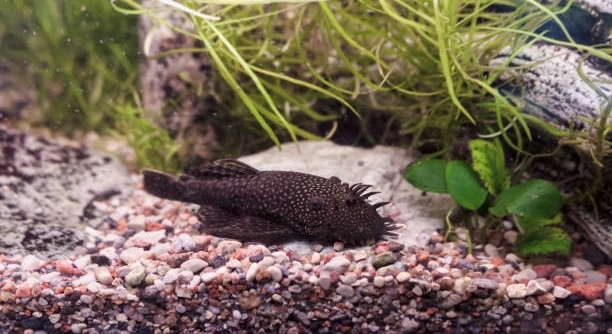
Bristlenose plecos are small freshwater fish often found in home aquariums. They are known for their unique appearance and gentle behavior, making them a popular choice among fish enthusiasts and beginners alike.
Bristlenose plecos generally do not recognize themselves in reflections. Their responses to mirrors or shiny surfaces are primarily driven by curiosity or territorial instincts, rather than self-awareness. Observed behaviors are usually exploratory or defensive rather than indicative of recognition.
Observing these interactions can reveal surprising insights into their behavior and environment, helping hobbyists better understand their plecos’ natural instincts.
Understanding Pleco Behavior in Mirrors
Bristlenose plecos are naturally curious. When they encounter a mirror or reflective surface, they often approach it cautiously, swim around it, or tap it with their mouths. This behavior is not a sign of self-recognition but rather a way to explore unfamiliar stimuli. They may flare their fins or display defensive postures if they perceive the reflection as another fish intruding on their territory. Observing these interactions can be fascinating because it shows how the fish respond to environmental changes. In most cases, repeated exposure to reflections leads the pleco to ignore it over time, indicating that the behavior is more about reaction than comprehension. Keeping mirrors in the tank temporarily can be an interesting way to see this behavior, but prolonged exposure is unnecessary. Their natural instincts prioritize familiar structures, algae feeding, and safe spaces over recognizing themselves.
Mirror interactions provide insight into instincts without implying self-awareness. Plecos react to reflections based on curiosity or territoriality, not recognition.
Understanding this behavior helps maintain a calm and stress-free tank environment. Over time, you can observe patterns in how your pleco interacts with new objects, other fish, and reflective surfaces. It becomes clear that these responses are rooted in their survival instincts, not intelligence about their own image. Plecos rely on environmental cues for food, shelter, and social behavior. Adding reflective surfaces temporarily may stimulate activity, but long-term exposure can be unnecessary or even stressful. Observing reactions carefully can guide adjustments to tank design, decoration, and feeding routines. Knowing how plecos perceive reflections ensures their habitat remains healthy and suitable for their natural behaviors. Overall, studying these small interactions reveals more about their instincts, helping you care for them better and appreciate the subtleties of their behavior.
Recognizing Stress vs Curiosity
Not all mirror interactions are positive; some indicate stress or territorial defense. Plecos may hide or act aggressively when overwhelmed.
A stressed pleco often retreats to caves or clings to surfaces for comfort. Changes in behavior, like constant tapping on reflections or frantic swimming, signal discomfort. Observing these signs is crucial for maintaining proper care. Adjusting lighting, rearranging decorations, or reducing sudden environmental changes can minimize stress. Mirrors should be used sparingly, and their reactions monitored. By understanding how plecos respond to both curiosity and stress, you ensure they remain active, healthy, and comfortable in their habitat. Over time, you can differentiate playful exploration from defensive reactions, making your care more attentive and effective.
Feeding and Reflection Responses
Plecos may occasionally investigate their reflection while feeding. They might approach the mirrored surface as if it were another fish near their food, showing mild interest rather than competitive behavior. This reaction is instinctual, not a sign of recognition.
When food is introduced near a reflective surface, plecos often explore the area cautiously. They may circle the reflection or tap it lightly with their mouths while grazing on algae or pellets. This behavior indicates curiosity and territorial instincts, but it rarely escalates into aggression. Most plecos quickly return to their usual feeding routines once they realize the reflection poses no real threat. The response varies between individuals; some may ignore the reflection entirely, while others display brief investigation patterns. Over time, these interactions can appear routine, showing that reflections are treated more as environmental stimuli than social interactions.
Reflection responses during feeding can offer insights into a pleco’s personality. Some fish are more inquisitive, frequently checking mirrors, while others remain focused solely on food. Observing these differences allows better understanding of individual behavior, which can guide how tank setups are arranged. Temporary exposure to reflective surfaces near feeding zones can stimulate activity, but long-term use is unnecessary. Providing a stable environment with proper hiding spots ensures plecos remain calm. These patterns highlight the balance between natural curiosity and environmental security, helping maintain healthy habits while minimizing stress.
Environmental Enrichment and Mirrors
Mirrors can serve as temporary enrichment tools for plecos, promoting movement and interaction with the tank environment. They respond with mild curiosity rather than social recognition.
Using reflective surfaces briefly encourages plecos to explore areas they might otherwise ignore. Placing a small mirror for short periods can stimulate activity, prompting swimming, grazing, and interaction with different tank regions. Repeated exposure should be limited to avoid unnecessary stress or confusion, as plecos do not understand their reflection as another fish. Observing how they react provides clues about their comfort levels and adaptability. Enrichment can also include rearranged décor, live plants, or varied feeding locations, combining with reflections to create a more engaging habitat. Over time, monitoring these responses ensures enrichment methods enhance activity without compromising well-being, keeping the tank environment healthy and dynamic.
Common Misinterpretations
Plecos approaching mirrors are often mistaken for self-recognition. Their behavior is usually exploratory or territorial, not a sign of awareness. Observing closely shows repeated patterns tied to instincts rather than cognition.
Interactions with reflections can appear social but are driven by curiosity. Plecos may tap, circle, or linger near the surface, but these actions are instinctual responses to stimuli, not understanding of self.
Comparing Species Responses
Different pleco species show varying reactions to reflections. Some are highly investigative, while others largely ignore mirrored surfaces. Behavior differences are influenced by natural temperament, tank setup, and individual personality. Studying these patterns can reveal which species are more active or defensive, allowing better environmental management for each type.
Tips for Safe Mirror Use
Mirrors should be used sparingly. Limited exposure prevents stress and maintains a healthy tank atmosphere.
FAQ
Do bristlenose plecos recognize themselves in mirrors?
No, bristlenose plecos do not recognize themselves. When they approach a reflective surface, their actions are driven by curiosity or territorial instincts. They may circle the reflection, tap it with their mouths, or flare their fins, but these are instinctual responses, not self-awareness.
Why does my pleco tap the mirror with its mouth?
Tapping a reflection is a natural exploratory behavior. Plecos investigate unfamiliar objects in their environment by touching or tapping them. This helps them gather information and determine if the object, including a mirror, poses a threat or can be ignored.
Can mirrors stress my pleco?
Yes, prolonged exposure to mirrors can cause stress. Continuous presence of a reflection may be interpreted as another fish in their territory. Signs of stress include hiding, aggressive postures, frantic swimming, or decreased feeding. Limiting mirror use is key to keeping them calm.
How long should a mirror be in the tank?
Short periods of 5–15 minutes are sufficient for enrichment. Extended exposure is unnecessary and can lead to stress. Observing the pleco’s reactions helps determine if the mirror stimulates curiosity without causing distress.
Do all plecos react the same way to mirrors?
No, responses vary by species and individual personality. Some bristlenose plecos are highly investigative, frequently checking reflections, while others may ignore mirrors entirely. Environmental factors, such as tank size, hiding spots, and lighting, also influence behavior.
Will a mirror encourage more activity?
Temporarily, yes. Mirrors can stimulate movement, exploration, and interaction with different areas of the tank. Plecos may swim more actively around the reflective surface, grazing or inspecting decorations. This short-term enrichment can be helpful if done safely.
Are mirror interactions similar to social behavior?
No, interactions with reflections do not indicate social recognition. Plecos treat reflections as environmental stimuli. Actions like flaring fins or approaching the surface are instinctual and driven by curiosity or territorial instincts rather than social connection.
Can mirrors help with aggression management?
Occasionally, mirrors may redirect aggressive behavior by providing a focus point. However, since plecos do not recognize themselves, it is not a long-term solution. Monitoring and tank management, including hiding spots and adequate space, are more effective for minimizing aggression.
Should I use mirrors for enrichment often?
Mirrors can be used occasionally, but not as a regular enrichment tool. Combining them with other methods, such as rearranged decorations, live plants, or varied feeding locations, offers more natural stimulation without causing stress.
How can I tell if my pleco is stressed by a mirror?
Signs of stress include hiding for long periods, rapid swimming, repeated tapping, or refusal to feed. If these behaviors occur, remove the mirror immediately and observe the pleco until it returns to normal activity.
Do reflections affect feeding behavior?
Reflections may momentarily distract plecos during feeding, causing them to investigate the mirrored surface. However, most quickly return to eating once they realize the reflection is not a competitor. Monitoring ensures feeding routines remain consistent.
Is it safe to leave a mirror in the tank permanently?
No, permanent mirrors are not recommended. Long-term exposure can increase stress levels and disrupt normal behavior. Use mirrors only briefly and under observation to prevent potential harm or anxiety in the pleco.
Can juvenile plecos respond differently to mirrors than adults?
Yes, younger plecos may show more curiosity and investigate reflections more frequently. Adults are often less reactive, having established territories and being more accustomed to their environment. Behavior changes over time as they adapt to the tank.
Do bristlenose plecos learn from reflections?
Plecos do not learn about themselves from mirrors. Any apparent recognition is coincidental. They may adjust behavior slightly after repeated exposure, but this is based on environmental familiarity, not understanding their own image.
What is the best way to use a mirror safely?
Place a mirror temporarily in an area with adequate space and hiding spots. Limit exposure to a few minutes at a time. Watch for signs of curiosity versus stress, and remove the mirror if the pleco shows distress or abnormal behavior.
This FAQ addresses common questions about bristlenose plecos and reflections, offering guidance for safe observation and enrichment. Proper monitoring ensures plecos remain healthy while exploring their environment safely.
Final Thoughts
Bristlenose plecos are fascinating little fish with unique behaviors that can easily capture attention. Their reactions to reflections in mirrors are often misinterpreted as self-awareness, but in reality, these behaviors are rooted in curiosity and instinct. They may approach a mirror, circle it, tap it with their mouths, or flare their fins, but these actions do not indicate recognition of themselves. Instead, plecos are responding to a stimulus in their environment, treating it as something new or unfamiliar to explore. Over time, they often become accustomed to reflections, ignoring them as they realize they are not a threat. Observing these interactions can provide insights into their natural instincts, helping us understand how they respond to changes or new objects in their tank. Watching a pleco investigate a mirror can be entertaining and educational, showing how they use simple behaviors to navigate and interpret their surroundings.
Temporary use of mirrors can serve as a mild form of enrichment for plecos, encouraging activity and exploration. However, it is important to remember that mirrors should not be used constantly, as prolonged exposure can cause stress. Signs of stress include hiding, frantic swimming, repeated tapping, or refusing food. Each pleco has its own personality, and reactions to reflections can vary. Some may be more curious and interactive, while others might completely ignore a mirror. Environmental factors, such as tank size, lighting, hiding spaces, and presence of other fish, also influence how plecos respond. Using mirrors carefully and observing behavior ensures that the fish remain comfortable and active without unnecessary anxiety. Combining mirrors with other forms of enrichment, like rearranged decorations, live plants, and varied feeding spots, provides more natural stimulation and keeps their habitat engaging without relying solely on reflections.
Understanding pleco behavior goes beyond just mirrors. It involves paying attention to their interactions with their environment, observing their routines, and providing conditions that promote health and activity. By noting how they react to reflections, feeding routines, and tank changes, we can better cater to their needs and reduce stress. Recognizing the difference between instinctual curiosity and stress-related behavior is crucial for maintaining a healthy aquarium. Bristlenose plecos thrive when given space to explore, adequate hiding spots, and a stable environment. Temporary mirror use, careful observation, and appropriate enrichment can enhance their activity while respecting their natural instincts. Ultimately, knowing how plecos respond to reflections helps create a more harmonious and engaging habitat, supporting their well-being and allowing us to appreciate their subtle and fascinating behaviors fully.

Hello,
If you enjoy the content that we create, please consider saying a "Thank You!" by leaving a tip.
Every little bit helps us continue crafting quality advice that supports the health, happiness, and well-being of pets around the world, for pets of all shapes, sizes, and species.
We really appreciate the kindness and support that you show us!