
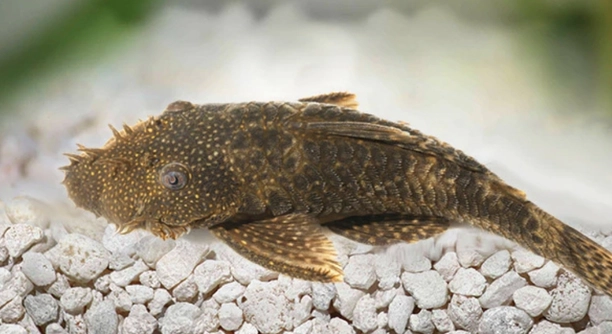
Plecos are fascinating fish known for their unique appearance and algae-eating habits. Many aquarium owners enjoy watching them, but these fish can sometimes act skittish or hide unexpectedly, leaving caretakers wondering about their unusual reactions.
Plecos may be scared by sudden movements, bright lighting, aggressive tank mates, strong water currents, loud noises, unfamiliar objects, or changes in their environment. Recognizing these stressors is essential to maintain a stable and healthy habitat for their well-being.
Knowing what triggers fear in plecos helps ensure they feel secure. Observing their behavior closely can improve both their health and your enjoyment of the aquarium.
Sudden Movements
Plecos are naturally cautious fish. Rapid movements near the tank can startle them, making them retreat to hiding spots or stay completely still. Even small, unexpected actions like reaching over the tank or tapping the glass can trigger stress. They rely heavily on predictable patterns in their environment to feel safe. Observing them during feeding or cleaning routines can reveal how sensitive they are to these movements. Over time, plecos may become wary and hide more frequently if disturbances are common. Maintaining calm and deliberate motions around the aquarium helps reduce anxiety. Lightly moving hands or tools without sudden changes can prevent alarming them. This is particularly important when introducing new tank decorations or performing water changes. Consistency in your behavior allows plecos to adapt without constant fear. By respecting their cautious nature, you can create an environment where they explore comfortably, display natural behaviors, and remain healthy. Their reaction to movement is subtle but telling.
Even slow movements are preferable to quick gestures, as plecos interpret sudden actions as threats.
Building a routine around gentle, predictable movements encourages plecos to interact more. Over weeks, they may come out more during feeding and exploration times. Avoiding abrupt hand motions and limiting disturbances near the tank can make a noticeable difference. Some plecos are more sensitive than others, so observing individual behavior is key. Placing decorations in a calm manner also helps them feel secure. Gradually, these fish will show less fear and more curiosity.
Bright Lighting
Strong lighting can be uncomfortable for plecos, who naturally prefer shaded or dim areas.
Excessive brightness may cause them to hide under rocks or decorations for extended periods.
Adjusting lighting gradually and providing shaded zones helps plecos feel safe. Using floating plants or darker areas in the tank can reduce stress. A dimmer environment encourages natural behaviors such as grazing and exploring. Avoid sudden changes in light intensity, as this can trigger panic or unusual hiding habits. Some aquariums may benefit from using timers or adjustable LED lights, allowing gradual transitions between day and night cycles. Creating soft lighting zones and hiding spaces ensures plecos feel protected while maintaining visibility for observation. Proper light management is essential for their comfort and health, preventing prolonged stress that can affect feeding or overall activity. Watching how plecos respond to different light levels helps you adjust conditions to match their natural preferences.
Would you like me to continue with the next stress factor following the same structure?
Aggressive Tank Mates
Plecos can feel threatened by other fish that are aggressive or territorial. Conflicts may lead to constant hiding, stress, or even injury. Choosing calm, compatible species reduces tension and encourages plecos to explore freely.
Aggressive tank mates can dominate feeding areas, chase plecos, or attack when they feel their territory is challenged. Over time, this can weaken the pleco’s immune system and reduce activity levels. Providing plenty of hiding spots, driftwood, and caves allows plecos to escape confrontations. Observing interactions carefully helps identify problematic fish early. Separating overly aggressive individuals or rearranging tank décor to break sightlines can minimize stress. Gradual introductions and monitoring compatibility ensures a stable community tank where plecos feel safe.
In some cases, even smaller, fast-moving fish can trigger fear. Adjusting tank population density and providing adequate space helps plecos feel secure. Careful planning of tank mates promotes healthy behavior and prevents prolonged stress.
Strong Water Currents
Plecos may avoid areas with strong currents, preferring calmer zones to rest and feed comfortably.
Strong water currents can tire plecos and prevent them from grazing naturally. They may cling to surfaces more frequently, indicating discomfort or stress. Adjusting filter output or redirecting flow helps create calmer areas, improving their overall well-being.
Currents that are too forceful can interfere with a pleco’s ability to maintain position, leading to wasted energy and potential injury. In tanks with high flow rates, placing driftwood, rocks, or plants can create sheltered pockets for plecos to navigate safely. Observing where they spend most of their time can guide adjustments to flow patterns. Even minor changes, like lowering filter power or adding flow deflectors, can make a significant difference. Ensuring plecos have access to both active and calm zones encourages natural feeding and resting behaviors. This balance improves their comfort, reduces stress, and supports long-term health.
Loud Noises
Plecos are sensitive to vibrations and loud sounds near their tank. Sudden bangs or consistent loud music can startle them, causing them to hide or stop feeding.
Even household noises like dropping objects or slamming doors may trigger fear. Minimizing loud disturbances helps plecos feel more secure.
Unfamiliar Objects
Introducing new decorations or equipment can make plecos cautious. They may avoid areas with unfamiliar items until they feel safe. Observing their reactions helps gauge comfort levels.
Environmental Changes
Rapid changes in temperature, pH, or water chemistry can stress plecos. Maintaining stable conditions ensures their health and reduces hiding or erratic behavior.
Would you like me to continue with the final stress factor following the same structure?
FAQ
What should I do if my pleco hides all the time?
If your pleco spends most of its time hiding, first check for stress triggers like aggressive tank mates, strong currents, bright lights, or sudden movements. Ensure the water parameters are stable and consistent. Providing plenty of caves, driftwood, or plants can give them a safe environment. Gradually reduce disturbances around the tank and observe how your pleco responds. Sometimes they simply need time to adjust to their surroundings. Maintaining calm and predictable routines helps them feel secure. Over time, hiding should decrease as they adapt and gain confidence in their environment.
How can I tell if my pleco is stressed?
Signs of stress in plecos include frequent hiding, erratic swimming, loss of appetite, or unusual clinging behavior. Skin or fin damage, pale coloration, or rapid gill movement can also indicate discomfort. Observing their behavior regularly helps identify patterns and triggers. Stress can come from environmental changes, water quality issues, aggressive tank mates, or loud noises. Correcting these problems early is important to prevent long-term health issues. Even subtle changes in routine or tank layout can influence their stress levels. A calm environment with stable water and safe hiding spots minimizes anxiety and promotes natural behavior.
Can plecos get used to bright lighting?
Yes, but it takes time. Gradually adjusting light intensity rather than switching from dark to bright suddenly helps plecos acclimate. Providing shaded areas, floating plants, or overhangs allows them to choose where they feel comfortable. Avoid exposing them to high-intensity lighting for extended periods. Monitoring their behavior shows whether they are adjusting or still stressed. Some species may never prefer very bright conditions, so creating dim zones is important. Using timers or dimmable LEDs helps replicate natural day-night cycles and prevents sudden light changes that can startle them. Patience is key for adapting plecos to lighting.
How do I manage aggressive tank mates?
If other fish are bothering your pleco, assess which ones are causing stress. Rearranging tank décor to break sightlines, increasing hiding spots, or separating aggressive fish temporarily can help. Sometimes, a permanent move to a different tank is necessary for the well-being of the pleco. Observing interactions carefully lets you intervene before conflicts escalate. Adding more space or creating visual barriers reduces territorial behavior. Gradual introductions of new fish with supervision also prevent aggression. Ensuring plecos have access to secure areas for feeding and resting keeps them safe while maintaining a balanced tank environment.
What is the best way to reduce water current stress?
Lowering filter output, adding flow deflectors, or placing driftwood and plants strategically can reduce strong currents. Plecos need areas to rest and feed without fighting the water flow. Observing their preferred spots in the tank helps identify where adjustments are needed. Balancing flow allows them to explore safely while still benefiting from circulation. A combination of calm zones and moderate flow encourages natural behavior without tiring them out. Adjusting pumps gradually prevents sudden stress. Monitoring how plecos interact with currents ensures that they have both active and safe areas.
Are loud household noises really a problem for plecos?
Yes, plecos can detect vibrations and react to sudden sounds. Loud music, dropping objects, or slamming doors may startle them. Minimizing these disturbances and placing the tank in a quieter area improves comfort. Plecos rely on a stable environment to feel secure. Using heavy substrates or pads under tanks can reduce vibration transmission. Over time, consistent quiet conditions help plecos remain relaxed and exhibit normal behavior. Even small, repeated disturbances can impact feeding and exploration patterns, so keeping their environment calm is essential.
How often should I introduce new objects to my pleco’s tank?
Introduce new decorations slowly and one at a time. Sudden changes can cause stress or hiding. Observe how your pleco responds before adding more items. Rearrange cautiously, providing familiar areas for comfort. Keeping gradual adjustments helps plecos feel secure. Frequent or abrupt changes can disrupt their routine and lead to increased hiding. By spacing out additions and monitoring reactions, plecos will eventually explore new objects confidently. Balancing novelty with stability encourages natural behavior while reducing anxiety in their habitat.
Can stress affect my pleco’s health?
Yes, chronic stress can lead to weakened immunity, poor appetite, and increased susceptibility to disease. Long-term hiding or erratic swimming indicates ongoing stressors. Maintaining stable water conditions, compatible tank mates, and low-disturbance environments supports both physical and mental health. Regular observation and adjustments prevent long-term problems. Stress management is as important as feeding and filtration for plecos. A calm and predictable environment promotes longevity and natural activity.
What are the safest hiding spots for plecos?
Caves, driftwood, hollow logs, and dense plant areas work well. Plecos feel secure when they can escape threats or rest. Offering multiple options reduces competition and allows them to choose preferred areas. Arranging these strategically around the tank helps create a safe, comfortable habitat. Proper hiding spots support feeding, reduce stress, and encourage natural behaviors. Observing which areas plecos use most helps optimize placement.
How do I monitor pleco behavior effectively?
Spend time watching their daily routines, noting feeding, resting, and swimming patterns. Record any changes in hiding, coloration, or activity. Comparing behavior over time helps identify stress triggers or environmental issues. Subtle cues, such as clinging to surfaces or avoiding certain tank zones, provide insight into comfort levels. Consistent observation allows timely adjustments in lighting, flow, tank mates, or décor. Keeping a simple log or mental notes ensures you can respond to problems early. Understanding pleco behavior helps maintain a calm, healthy, and balanced aquarium.
Final Thoughts
Plecos are unique fish with specific needs that are easy to overlook if you are not careful. Their cautious nature makes them sensitive to changes in their environment, from sudden movements to bright lights and aggressive tank mates. Creating a stable and calm tank helps them feel secure and encourages natural behaviors such as grazing, exploring, and resting. Providing hiding spots like driftwood, caves, or dense plants allows plecos to retreat when they feel threatened. This not only reduces stress but also supports their overall health. Observing their daily habits can help you understand what makes them comfortable or uneasy, and small adjustments can make a significant difference in their well-being. Over time, plecos will display more confidence and curiosity, showing that your efforts to create a safe environment have been successful.
Water quality and tank conditions play a critical role in a pleco’s comfort and longevity. Strong currents, rapid temperature changes, or sudden fluctuations in pH can create stress even if everything else in the tank seems fine. Plecos need areas of calm water to rest and feed effectively, and balancing water flow with safe hiding spots ensures they are not constantly fighting against the current. Maintaining consistent water conditions and monitoring them regularly prevents health issues and keeps stress levels low. Adjustments such as reducing filter output, adding flow deflectors, or introducing shaded zones help them navigate the tank comfortably. Proper water management paired with careful observation is essential for reducing fear and allowing plecos to thrive.
Finally, understanding your pleco’s behavior requires patience and attention. Signs of stress may appear subtle at first, such as hiding more than usual, clinging to surfaces, or avoiding certain areas of the tank. By noticing these behaviors, you can identify potential triggers and make changes before they affect your fish’s health. Gradual introductions of new objects, compatible tank mates, and predictable routines all contribute to a safer, more comfortable environment. Even household noises or small disturbances can influence their stress levels, so creating a calm atmosphere is important. By consistently providing stability, hiding options, and gentle care, plecos can live healthier, longer, and more relaxed lives. These measures not only protect their well-being but also enhance your enjoyment as an observer of their natural and fascinating behaviors.

Hello,
If you enjoy the content that we create, please consider saying a "Thank You!" by leaving a tip.
Every little bit helps us continue crafting quality advice that supports the health, happiness, and well-being of pets around the world, for pets of all shapes, sizes, and species.
We really appreciate the kindness and support that you show us!