
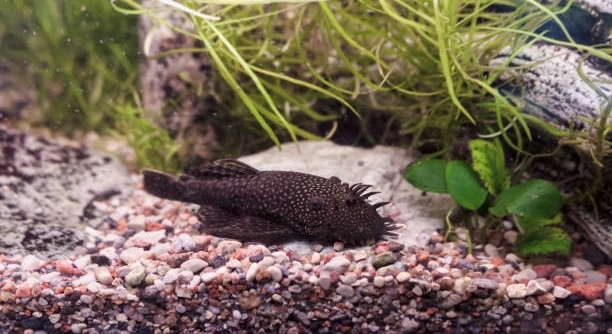
Plecos are fascinating fish that add life to home aquariums. They are known for their unique shapes and calm behavior. Many owners notice their preference for shaded or dim areas, which can seem puzzling at first.
The primary reason plecos avoid bright areas is their natural instinct to seek shelter and safety. Excessive light can stress them, disrupt their nocturnal behavior, and make them feel vulnerable, prompting them to hide in darker regions of the tank.
Observing their habits can help you create a more comfortable environment. Adjusting light and providing hiding spots ensures your pleco thrives and feels secure in its space.
Understanding Pleco Light Sensitivity
Plecos are naturally nocturnal, which explains their tendency to avoid bright areas. In their native habitats, they spend most of the day hiding under rocks, driftwood, or dense vegetation. Bright light can cause stress and disrupt their natural behavior patterns. Over time, constant exposure to high-intensity light may weaken their immune system and affect appetite. Observing your pleco’s behavior can provide clues about its comfort level. You may notice it staying behind decorations, in caves, or along the tank’s shadowed corners. Creating a tank environment with shaded zones and subdued lighting allows your pleco to feel safe. Live plants, floating decorations, and strategically placed driftwood can help diffuse light and provide shelter. Adjusting light schedules to mimic natural day and night cycles supports their overall health. Understanding these patterns helps prevent stress-related issues and encourages natural feeding and movement habits.
Maintaining dimmer areas in the tank reduces stress and encourages your pleco to be active during feeding times.
Plecos respond best to a tank environment that offers variety in light intensity. Dark corners, caves, and plants give them choices to regulate exposure. Keeping the main light on a timer ensures predictable cycles, helping them feel secure. Avoid placing the tank in direct sunlight, as it can create hotspots and algae growth, both of which negatively impact plecos. Gradually introducing lighting changes allows plecos to adjust without sudden stress. Observing behavior during these adjustments provides insight into their preferences. Providing multiple hiding spots prevents territorial disputes and allows shy individuals to retreat comfortably. Overall, managing light carefully promotes health, encourages feeding, and supports natural nocturnal behavior.
Tips for Creating a Pleco-Friendly Tank
Providing hiding spots is essential for pleco comfort. Shelves, caves, and dense plant areas create safe zones.
Selecting the right decorations and tank layout can significantly influence a pleco’s well-being. Driftwood serves multiple purposes, acting as both shelter and a natural food source. Smooth rocks and caves mimic natural habitats, giving them secure resting spots. Floating plants help diffuse overhead lighting, reducing stress while still allowing some activity. Sand or soft substrate prevents injuries during bottom-dwelling behavior. Positioning decorations to create shadowed zones encourages exploration and reduces competition for space. Regular monitoring of light intensity ensures it remains suitable, and adjusting placement of lights can prevent overly bright zones. Maintaining stable water parameters in shaded areas supports health, as plecos are sensitive to sudden changes. Incorporating these design elements allows your pleco to thrive, displaying natural behavior while remaining protected from excessive exposure. A well-planned tank balances aesthetics and functionality, promoting both your enjoyment and your pleco’s comfort.
Adjusting Tank Lighting
Using dimmable lights or lowering brightness can make your pleco more comfortable. Avoid placing the tank in direct sunlight. Gradually increasing light intensity over several days helps prevent stress and encourages natural activity.
A timer can regulate day and night cycles effectively. Plecos adjust better to predictable light patterns, reducing erratic behavior. Pairing soft overhead lighting with shaded zones allows them to choose their comfort level. Observing their movement during light changes helps identify preferred areas. Floating plants or tall decorations can further diffuse light while keeping the tank visually appealing. Gradual changes are less stressful than sudden bright lighting, supporting both their feeding and resting habits consistently over time.
Consistent monitoring of light intensity and placement ensures plecos maintain healthy behaviors. Avoid abrupt adjustments that can trigger hiding or decreased appetite. Shaded areas, caves, and plants should be arranged to provide multiple options. By combining timed lighting, shaded zones, and gradual changes, you create a stable environment. Plecos feel safer when they can control exposure, which improves overall well-being. Observing how they explore or retreat indicates if the setup is effective, allowing small adjustments to meet their needs.
Feeding and Behavior Considerations
Offering food in shaded areas encourages feeding without stress. Plecos prefer hiding spots while eating, reducing competition from other fish.
Feeding in darker parts of the tank aligns with their nocturnal tendencies. Placing algae wafers, vegetables, or sinking pellets near caves or under driftwood allows plecos to eat comfortably. Monitoring feeding ensures they receive enough nutrition, especially in community tanks where faster fish may dominate. Providing multiple feeding spots prevents conflicts and supports a calmer environment. Overfeeding can lead to water quality issues, so maintaining appropriate portions is essential. A consistent feeding schedule helps plecos anticipate meals while staying in safe, dim areas. Observing behavior during feeding provides insight into their comfort level, allowing adjustments as needed.
Behavioral patterns also reflect overall tank comfort. Plecos that hide constantly or avoid activity may indicate stress from light, water conditions, or social dynamics. Maintaining shaded zones, stable water parameters, and minimal disturbances supports natural behaviors. Introducing new tank mates gradually reduces territorial disputes. Regular cleaning of shaded areas prevents algae buildup, ensuring a healthy environment. By combining thoughtful feeding practices with careful observation, plecos exhibit calmer, healthier behavior. Adjustments to light, hiding spots, and food placement encourage activity while respecting their natural instincts, creating a balanced and secure habitat.
Choosing the Right Hiding Spots
Plecos need multiple hiding spots to feel secure. Caves, driftwood, and dense plants provide shaded areas where they can rest and explore safely.
Spacing hides throughout the tank prevents territorial disputes. Plecos can choose areas that match their comfort level, helping reduce stress and encourage natural behavior.
Monitoring Water Conditions
Stable water parameters are essential for pleco health. Temperature, pH, and hardness should be consistent to prevent stress and illness. Regular testing ensures changes are detected early, allowing adjustments before problems arise. Clean water supports their immune system and encourages normal activity patterns, including feeding and exploration.
Using Floating Plants
Floating plants help diffuse light and create natural shade. They provide cover for plecos and reduce direct exposure to strong overhead lighting. This simple addition improves comfort, encourages exploration, and supports a calmer, healthier tank environment.
FAQ
Why does my pleco hide all the time?
Plecos are naturally nocturnal and feel safest in dim or shaded areas. Constant hiding is usually a sign that your tank may be too bright, lacking sufficient cover, or that other fish are too active. Providing caves, driftwood, and plants allows them to choose their comfort zone and reduces stress. Over time, they may become more active during feeding times if the environment feels secure.
Can plecos adapt to brighter tanks?
Plecos can adapt slowly, but sudden increases in brightness cause stress and may reduce feeding. Gradually increasing light intensity over several days, combined with shaded zones, allows them to acclimate safely. Using floating plants or tall decorations can diffuse direct lighting while keeping the tank visually appealing. Observation is key; if the pleco continues avoiding bright areas, it indicates a preference for lower light levels.
How much light is too much for a pleco?
Plecos prefer subdued lighting, similar to natural riverbeds with overhanging vegetation. Bright, continuous overhead lights for long periods are excessive and can stress them. A consistent day-night cycle using a timer and shaded areas is sufficient. Watching their behavior helps gauge comfort. Hiding constantly, sluggish movement, or reduced feeding indicates light is too intense.
Does tank placement affect pleco behavior?
Yes, placing a tank near windows or direct sunlight can increase brightness and cause stress. Even if indoor lighting is controlled, natural sunlight creates hotspots and encourages algae growth. Positioning the tank away from windows or using blinds helps maintain dimmer, stable conditions. Floating plants or driftwood placed strategically can create additional shaded areas and improve overall comfort for your pleco.
Are plecos more active at night?
Yes, plecos are naturally nocturnal and often become more active during evening hours or under dim lighting. They may hide during the day, resting in shaded areas. Adjusting feeding schedules to match their activity patterns ensures proper nutrition. Offering food in shadowed zones encourages feeding while respecting their nocturnal habits. Observing night behavior helps you understand preferences and overall well-being.
Can stress from bright light affect health?
Stress from excessive light can weaken a pleco’s immune system, reduce appetite, and make them more susceptible to disease. Maintaining shaded areas, moderate lighting, and hiding spots helps prevent stress-related issues. Stable water conditions combined with proper lighting support natural behavior, feeding, and overall health, ensuring your pleco remains active and healthy.
How do I encourage my pleco to explore the tank?
Providing multiple hiding spots, dim lighting, and shaded areas encourages natural exploration. Avoid sudden changes in light or tank layout. Introducing new decorations gradually allows plecos to investigate without feeling threatened. Floating plants and caves create safe routes through the tank, increasing movement while maintaining a sense of security.
Do plecos need different lighting than other fish?
Plecos generally prefer lower light levels compared to many tropical fish that enjoy brighter tanks. Balancing lighting to accommodate both species may require shaded zones or floating plants for plecos while keeping the main tank illuminated for others. Careful placement of hiding spots and gradual light adjustments ensures all species thrive without causing stress.
Is it normal for plecos to avoid feeding in bright areas?
Yes, plecos naturally seek shaded spots while feeding. Placing food near caves, driftwood, or under plants encourages proper nutrition without forcing them into bright light. Monitoring feeding ensures all plecos receive enough food and helps prevent conflicts with more aggressive tank mates. Adjusting placement based on observation keeps them comfortable and healthy.
Can plecos get used to household lighting?
They can acclimate to indoor lighting if changes are gradual and shaded areas are provided. Sudden bright lights can cause hiding or decreased activity. Using a timer, diffused light, and multiple hiding spots allows them to adjust safely while maintaining natural behaviors and supporting overall health.
How important are caves and driftwood for plecos?
Extremely important. These elements mimic natural habitats, provide shelter, reduce stress, and encourage natural behavior. Driftwood also serves as a food source for some species. Proper placement of caves and driftwood creates shaded zones, supports nocturnal activity, and improves tank comfort and stability for your pleco.
What should I do if my pleco is always hiding despite adjustments?
Persistent hiding may indicate stress, water quality issues, or illness. Test water parameters regularly and ensure stable conditions. Observe behavior, check for disease signs, and provide multiple hiding spots. Gradual lighting adjustments and a consistent environment help plecos feel secure. Consult a professional if problems persist to ensure long-term health.
Final Thoughts
Plecos are unique fish that naturally prefer dim or shaded areas. Their instinct to avoid bright light is not unusual and reflects their nocturnal behavior in the wild. Bright or sudden lighting can create stress, affecting feeding, activity, and overall health. Observing a pleco’s behavior is key to understanding its needs. When it consistently hides during daylight hours, it is usually responding to light intensity, lack of shelter, or environmental changes. Providing caves, driftwood, and floating plants helps create shaded zones that mimic natural habitats, allowing the pleco to feel safe. Shaded areas encourage them to explore at their own pace while offering comfort. By carefully arranging hiding spots, owners can reduce stress and support natural behaviors.
Managing tank lighting is another important aspect of pleco care. Sudden bright lights or direct sunlight can be overwhelming and lead to prolonged hiding, reduced appetite, or unusual behavior. Using dimmable lights or timers helps maintain consistent day and night cycles, giving plecos predictable patterns that match their natural habits. Gradually adjusting light intensity allows them to acclimate without unnecessary stress. Floating plants, tall decorations, and driftwood are simple ways to diffuse light and create gentle shadows. Observing how plecos move and feed under different lighting conditions provides insights into their comfort levels. When lighting and hiding spots are well balanced, plecos are more likely to feed consistently, explore safely, and display calmer behavior. Stability in both light and tank environment plays a large role in their overall health.
Feeding, water conditions, and tank layout work together to support pleco well-being. Plecos eat best in shaded areas that feel secure, so placing food near caves, plants, or driftwood encourages natural feeding behavior. Monitoring water parameters, such as temperature, pH, and hardness, ensures a healthy environment that reduces stress. A carefully designed tank with multiple hiding spots, shaded zones, and stable lighting encourages activity while respecting their natural instincts. Over time, plecos tend to feel more confident and balanced when their environment is predictable and safe. Attention to these details helps maintain their health, supports natural behavior, and reduces stress, ultimately creating a tank that benefits both the pleco and the aquarium as a whole.

Hello,
If you enjoy the content that we create, please consider saying a "Thank You!" by leaving a tip.
Every little bit helps us continue crafting quality advice that supports the health, happiness, and well-being of pets around the world, for pets of all shapes, sizes, and species.
We really appreciate the kindness and support that you show us!