
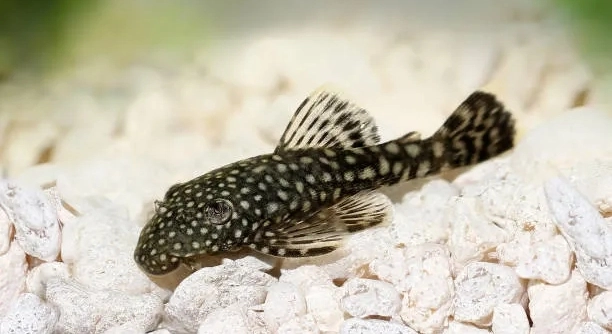
Bristlenose plecos are popular freshwater fish, admired for their unique appearance and algae-eating habits. Many hobbyists enjoy watching them move around the tank, but understanding their daily routines can be both interesting and important.
Bristlenose plecos do not typically sleep in burrows. Instead, they prefer hiding in caves, under driftwood, or among plants during rest periods. These sheltered spots provide security and reduce stress, reflecting natural behavior observed in the wild.
Learning more about their sleeping habits can help ensure your pleco’s environment is comfortable and supportive of its natural behavior.
Typical Hiding Spots for Bristlenose Plecos
Bristlenose plecos are naturally shy and nocturnal, so they often seek shelter during the day. Common hiding spots include caves, PVC tubes, driftwood, and dense plants. These areas provide a sense of security and reduce stress, allowing plecos to rest comfortably without disturbance. In aquariums, it is important to replicate their natural environment as closely as possible. Providing multiple hiding areas ensures each pleco has a private space, which can prevent conflicts among tank mates. Observing where they prefer to rest can help you understand their personality and habits better. Many plecos will choose different hiding spots depending on light, water flow, and tank activity. Younger plecos may hide more frequently, while adults can become comfortable exploring the tank during quieter periods. By offering appropriate shelters, you promote both physical and mental well-being for your fish, creating a healthier and more balanced tank environment.
Hiding spots also help reduce stress and improve pleco longevity, supporting their overall health in the aquarium.
Providing caves and driftwood not only satisfies natural instincts but also encourages normal feeding and resting behavior, keeping plecos active at night and comfortable during the day.
Sleeping Patterns and Behavior
Bristlenose plecos are primarily nocturnal and tend to rest during daylight hours.
They exhibit a quiet, still behavior when resting, often clinging to surfaces or remaining partially hidden.
During their resting periods, plecos may reduce activity, slow their breathing, and stay close to surfaces like driftwood or the tank bottom. Their nocturnal nature means they are more active at night, foraging for algae and detritus. Understanding this pattern helps aquarists schedule feeding and maintenance without disturbing the fish. Plecos rarely sleep in open water, as exposure can increase stress and vulnerability to tankmates or sudden movements. Their sleeping behavior is gradual rather than abrupt, with fish shifting between light activity and full rest. Observing these subtle cues can improve tank management, ensuring they have secure spots for rest while allowing you to monitor health indicators. By designing a tank with multiple sheltered areas, plecos can display natural behaviors without feeling threatened, which promotes both their well-being and your enjoyment of watching them.
Regular observation of sleeping patterns also allows detection of potential health issues, as changes in resting habits can signal stress or illness.
Tank Setup for Comfortable Rest
Providing plenty of hiding spots ensures bristlenose plecos feel secure and can rest properly. Caves, driftwood, and dense plants are ideal. Positioning these areas in low-light corners helps mimic their natural habitat, giving them privacy and reducing stress during the day.
Driftwood serves multiple purposes in a pleco tank. It not only provides a hiding place but also supports their diet by encouraging grazing on biofilm and algae that grow on its surface. PVC pipes and ceramic caves are excellent alternatives, especially for smaller tanks or when driftwood is limited. Dense plants create natural barriers and shade, making resting areas more appealing. Observing where plecos spend most of their rest time can help adjust the layout. Spacing shelters apart prevents territorial disputes, especially in community tanks with multiple plecos. Regular cleaning and maintenance of these spots keep them safe and free from excess debris. With consistent setup and monitoring, plecos are likely to display natural resting patterns.
A proper tank setup encourages plecos to hide comfortably, reducing stress and supporting healthier nocturnal activity. Regular observation ensures hiding areas are suitable and adjusted as needed.
Lighting and Resting Behavior
Low lighting helps bristlenose plecos rest effectively, as they are sensitive to bright light.
Gradually dimming lights or using shaded areas can encourage plecos to retreat and rest quietly. Bright tanks without shaded areas often cause stress and irregular resting patterns. Plecos prefer spots with subdued light for sleeping, often clinging to driftwood or hiding in plants. Using floating plants or adjusting tank lighting can create a softer environment. Maintaining a consistent day-night cycle ensures plecos develop a regular resting routine, improving overall health and activity.
Lighting impacts pleco behavior more than many aquarists realize. Harsh or prolonged bright light can disrupt their nocturnal activity, causing them to hide excessively or become lethargic. Providing adjustable lighting allows for gradual transitions that mimic dawn and dusk, which plecos naturally respond to. Combining shaded areas, floating plants, and dimmed overhead lights helps create ideal resting spots. Monitoring pleco response to lighting adjustments ensures each fish can find a comfortable retreat. Supporting natural sleep cycles enhances immune function, reduces stress, and encourages normal feeding and growth. Consistent lighting schedules help establish predictable patterns, benefiting both the fish and overall tank harmony.
Feeding and Resting Areas
Placing food near hiding spots encourages bristlenose plecos to feel safe while eating. They often graze on algae or sinking pellets in areas close to caves or driftwood, which reduces stress and keeps them active during their natural feeding times.
Consistent feeding schedules help plecos maintain regular activity. Providing food near shaded or sheltered spots allows them to feed without leaving their safe zones. This practice supports their nocturnal tendencies while reducing competition with other tankmates. Observing how they approach food can indicate comfort levels in the tank.
Observing Nighttime Activity
Bristlenose plecos are most active at night, exploring and grazing across the tank. Observing them during this period reveals natural behaviors like climbing surfaces, scraping algae, and interacting with other fish. Nighttime activity is essential for their health and allows them to expend energy safely.
Water Quality and Rest
Maintaining clean water is crucial for plecos to rest properly. Poor water quality can cause stress, irregular sleeping habits, and reduced overall health.
Signs of Stress During Rest
Hiding excessively or staying in open areas while inactive may indicate stress. Monitoring these behaviors helps identify problems early.
FAQ
Do bristlenose plecos need complete darkness to sleep?
Bristlenose plecos do not require complete darkness, but low light levels help them feel secure. They naturally hide during the day in shaded areas or caves, so dim lighting encourages resting. Gradual transitions between light and dark periods mimic natural dawn and dusk, promoting regular sleeping patterns.
How long do bristlenose plecos sleep each day?
These fish are nocturnal and spend most daylight hours resting. On average, plecos can rest for 12 to 16 hours daily, depending on tank conditions, light levels, and activity from other fish. Nighttime is their most active period, while daytime is reserved for quiet, low-activity behavior.
Can bristlenose plecos sleep in open water?
Bristlenose plecos rarely rest in open water. They feel exposed and vulnerable without a hiding spot. Providing caves, driftwood, and dense plants allows them to rest safely and reduces stress. Open-water resting is usually a sign of discomfort or illness.
Do plecos need special hiding spots to sleep?
Yes. Hiding spots like caves, PVC tubes, or driftwood are essential. These shelters offer security, reduce stress, and allow plecos to exhibit natural resting behavior. Multiple hiding spots help prevent territorial disputes and give each fish a private area.
Will bristlenose plecos sleep at night if the tank is busy?
Plecos may adjust their resting patterns if there’s constant activity in the tank. Excessive movement, bright lights, or noisy filtration can disrupt their sleep. Ensuring quiet areas and shaded hiding spots encourages nighttime activity and proper daytime rest.
Do bristlenose plecos rest on the tank bottom or climb surfaces?
They do both. Plecos often cling to driftwood, rocks, or the tank glass while resting, but they may also settle on the bottom. Their choice depends on comfort, available shelter, and tank setup. Observing preferred resting spots helps improve their environment.
Can poor water quality affect pleco sleep?
Absolutely. Dirty or unstable water stresses plecos, leading to irregular sleeping habits. Proper filtration, regular water changes, and stable temperature and pH levels are critical for healthy resting behavior. Stressed plecos may hide excessively or become lethargic.
Do bristlenose plecos sleep alone or together?
They often rest alone in separate hiding spots. While multiple plecos can share a tank, they prefer individual shelters to feel secure. Overcrowding hiding areas can lead to stress, aggression, and disrupted resting patterns.
Is it normal for plecos to wake suddenly at night?
Yes. Sudden movements at night are natural. Plecos may shift locations, feed, or interact with tankmates. This activity is part of their nocturnal behavior and usually does not indicate a problem.
Can bristlenose plecos nap during the day?
Yes, plecos frequently take short naps throughout daylight hours. These naps allow them to conserve energy and maintain a healthy routine for nighttime foraging. Providing multiple shaded areas encourages safe, undisturbed rest.
How do I know if my pleco is stressed during rest?
Signs include excessive hiding, staying in open areas, irregular breathing, or avoiding preferred shelters. Monitoring behavior, water quality, and tank conditions can help detect stress early. Addressing issues promptly ensures plecos return to normal resting patterns and remain healthy.
Does tank size influence bristlenose pleco sleep?
Tank size plays a role. Smaller tanks with limited hiding spots may increase stress and reduce quality rest. Larger tanks with multiple shelters allow plecos to find comfortable spots and maintain natural resting behavior, supporting overall health.
Can other fish disturb pleco sleeping habits?
Yes. Aggressive or active tankmates can interrupt plecos’ rest. Creating separate hiding areas and using peaceful community fish reduces disturbances. Observation and tank adjustments help maintain a calm environment for proper sleep.
Do plecos need a night-time feeding routine to sleep well?
Feeding at consistent times does not directly impact sleep, but a well-fed pleco is calmer and less likely to stress. Placing food near hiding spots encourages comfortable feeding and supports nocturnal activity without disrupting rest.
Are plecos more active in planted tanks at night?
Yes. Plants provide additional shelter and grazing surfaces, allowing plecos to explore safely during night hours. A well-planted tank supports natural behaviors, encourages nighttime activity, and improves overall well-being.
How do I create the best sleep environment for bristlenose plecos?
Combine shaded areas, driftwood, caves, dense plants, and low light levels. Maintain water quality and reduce disturbances. Observing behavior ensures shelters meet individual needs, promoting secure, natural resting and healthy nocturnal patterns.
This FAQ covers most common concerns about bristlenose pleco sleep habits, hiding preferences, and environmental needs, ensuring they remain healthy and stress-free in the aquarium.
Final Thoughts
Bristlenose plecos are fascinating fish with unique habits that make them a rewarding addition to any freshwater tank. Their natural behavior includes seeking shelter during the day and becoming active at night. Observing these patterns can provide valuable insight into their health and comfort. By providing hiding spots like caves, driftwood, and dense plants, aquarists can create an environment that closely mimics their natural habitat. This allows plecos to rest safely without feeling exposed, which is important for reducing stress. Stress can lead to irregular sleeping patterns, decreased appetite, or even health issues, so maintaining a secure and calm environment is crucial for their overall well-being. Even small adjustments, like adding a floating plant or repositioning driftwood, can make a significant difference in how comfortable plecos feel during rest periods.
Lighting and tank layout also play an important role in pleco comfort. Low or dim lighting encourages natural resting behavior and helps plecos feel safe in their shelters. Bright, constant light can make them hide excessively or avoid resting properly, which may affect their health over time. A consistent day-night cycle supports regular activity and feeding habits while giving plecos a predictable schedule for resting. Observing where your plecos spend most of their time during the day can indicate whether the tank setup is effective or if additional shelters are needed. Water quality is another critical factor, as plecos are sensitive to poor conditions. Clean, well-filtered water promotes healthy sleep and prevents stress, while regular monitoring of temperature, pH, and ammonia levels ensures their environment remains safe. Paying attention to these factors not only supports better rest but also encourages natural behaviors like grazing and nocturnal exploration.
Understanding bristlenose pleco behavior allows aquarists to provide a more enriching environment that promotes both rest and activity. Providing multiple hiding spots, managing lighting, maintaining water quality, and observing behavior all contribute to a healthy, stress-free tank. Resting habits are not just about sleep—they reflect how comfortable and secure the fish feel in their environment. By respecting these natural tendencies, aquarists can ensure plecos remain active, healthy, and content. Watching plecos during their nocturnal activities can be rewarding, revealing the full range of their behaviors when they are most comfortable. Ultimately, creating an environment that allows bristlenose plecos to rest securely while expressing their natural behaviors contributes to their long-term well-being and makes caring for them a more satisfying experience. Attention to detail, consistency, and observation are key to supporting these unique fish in captivity.

Hello,
If you enjoy the content that we create, please consider saying a "Thank You!" by leaving a tip.
Every little bit helps us continue crafting quality advice that supports the health, happiness, and well-being of pets around the world, for pets of all shapes, sizes, and species.
We really appreciate the kindness and support that you show us!