
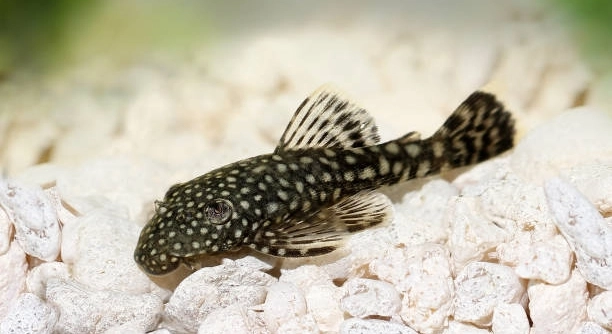
Have you ever noticed your Bristlenose Pleco acting unusually near the surface and wondered if it could actually climb out of the water? These fascinating little fish have surprising behaviors that often catch aquarium owners off guard.
Bristlenose Plecos are capable of climbing out of water under certain conditions. Their strong pectoral fins and sucker-like mouths allow them to move along glass and other surfaces, especially when oxygen levels are low or the environment becomes unsuitable.
Understanding why they attempt to leave the water can help you create a safer and more comfortable environment for your Pleco to thrive.
Why Bristlenose Plecos Try to Climb Out of Water
Bristlenose Plecos are hardy fish, but their behavior can change quickly when conditions in their tank are not right. Low oxygen levels, poor water quality, or overcrowding often push them to explore beyond the water. Their unique body structure, equipped with suction-cup mouths and strong fins, allows them to move along glass or driftwood with surprising strength. When oxygen levels drop, these fish instinctively search for air near the surface or even outside the tank. They are not natural escape artists, but stress, discomfort, or unsuitable water parameters can drive them to leave their environment. Maintaining a clean tank, stable temperature, and proper filtration helps reduce this behavior. These small adjustments can make a big difference in keeping them safe and content underwater, where they belong.
A Bristlenose Pleco leaving the water should always be seen as a sign that something in its environment needs attention and correction.
If your Pleco frequently climbs near the surface or sticks to the glass for long periods, it could be reacting to poor tank conditions. Checking ammonia levels, temperature, and aeration can quickly reveal what’s wrong. Plecos rely heavily on oxygen-rich water, and insufficient oxygen causes them to behave erratically. Once the problem is fixed, they typically return to normal behavior within hours. Providing hiding spots, good-quality food, and maintaining stable conditions can also help prevent future issues. Since Bristlenose Plecos are bottom dwellers by nature, their comfort depends on clean substrates and well-oxygenated water. Observing them daily helps detect subtle changes before they become serious. Ensuring that their needs are met not only prevents escape attempts but also promotes long-term health. Taking the time to understand their signals will keep your aquarium balanced and your Pleco happy where it should be—underwater.
How to Prevent Your Pleco from Climbing Out
The best way to stop your Bristlenose Pleco from climbing out is to focus on maintaining an ideal tank environment that meets all its needs.
Start by checking water quality regularly, as poor conditions are the most common reason for unusual behavior. Keep the temperature between 73°F and 81°F, with a steady pH of 6.5 to 7.5. A well-oxygenated tank is crucial, so make sure the filter creates enough surface agitation to increase oxygen exchange. Avoid overcrowding, as this increases stress and competition for resources. Adding driftwood and hiding spots helps your Pleco feel secure and comfortable. Feeding them a balanced diet with algae wafers, vegetables, and occasional protein keeps them healthy and active. Always use a tight-fitting lid on your tank to prevent accidental escapes, especially at night when Plecos are more active. Regular maintenance, like changing 25% of the water weekly, ensures long-term stability. By providing a clean and calm environment, your Bristlenose Pleco will stay safe, happy, and underwater where it thrives best.
Signs Your Bristlenose Pleco Might Try to Escape
When a Bristlenose Pleco begins to show signs of restlessness, it often indicates that something in the tank is wrong. You may notice it sticking near the surface, breathing faster, or spending too much time climbing along the glass.
Increased activity near the surface is usually one of the first warnings. If your Pleco appears to gulp air or frequently cling to the top areas, it may be struggling with low oxygen levels. Changes in color, reduced appetite, or constant hiding can also suggest discomfort. Sometimes, they may leave their usual bottom-dwelling spots, trying to find better conditions. These behaviors should never be ignored. Observing your Pleco daily helps identify changes before they become serious problems. By responding early, you can prevent escape attempts and protect your fish’s health. Small adjustments to tank maintenance can quickly correct the situation.
Understanding your Pleco’s normal behavior makes it easier to notice when something feels off. A healthy Pleco spends most of its time feeding on algae, resting on surfaces, or hiding during the day. When that pattern shifts, pay close attention. Constant climbing, gasping, or attempting to push against the tank lid are signs of stress or poor water conditions. Monitoring their habits helps create a safer environment.
What to Do If Your Pleco Escapes
If your Bristlenose Pleco climbs out of the tank, act quickly but carefully. Gently return it to the water, ensuring the temperature and conditions are stable before release. Avoid using dry hands, as their skin is sensitive to sudden changes.
Once your Pleco is safely back in the tank, focus on finding the reason behind its escape. Test the water parameters for ammonia, nitrites, and pH imbalances. Poor water quality or a lack of oxygen is often the cause. Increase aeration, clean the filters, and replace a portion of the water to restore balance. Check for gaps or loose lids that might have allowed the escape. Observe your Pleco for the next 24 hours to ensure it recovers properly. They often survive short periods out of water, but acting fast increases their chances of full recovery. Taking these steps not only protects your fish but also prevents similar incidents in the future.
Tank Setup to Keep Plecos Safe
A secure tank setup is essential to prevent climbing escapes. Use a tight-fitting lid and ensure there are no gaps or openings large enough for your Pleco to squeeze through.
Providing hiding spots and smooth surfaces reduces stress. Driftwood, caves, and plants help your Pleco feel safe and less likely to explore the top areas.
Maintaining Proper Water Conditions
Stable water conditions are critical for Bristlenose Plecos. Keep temperature between 73°F and 81°F, maintain pH around 6.5–7.5, and monitor ammonia and nitrite levels closely. Regular water changes and effective filtration ensure a safe, oxygen-rich environment that minimizes climbing attempts.
Feeding and Nutrition Tips
Balanced nutrition keeps Plecos healthy and less stressed. Provide algae wafers, vegetables, and occasional protein to support growth and overall wellbeing. Regular feeding helps them stay occupied, reducing the desire to escape or explore outside the tank.
FAQ
Can Bristlenose Plecos survive out of water?
Bristlenose Plecos can survive short periods out of water, but their skin and gills are sensitive. Leaving them out for more than a few minutes can cause stress, dehydration, or serious injury. Always return them to water as quickly as possible and ensure the tank environment is safe.
Why does my Pleco climb the glass?
Climbing the glass is usually a sign of stress or poor water conditions. Low oxygen, high ammonia, or temperature fluctuations make them seek areas with better conditions. Providing hiding spots, clean water, and proper aeration reduces this behavior.
Is it normal for Plecos to leave the bottom of the tank?
Plecos are naturally bottom-dwellers, but occasional movement to mid or upper levels is normal when exploring or feeding. Persistent presence near the surface often indicates discomfort or inadequate oxygen levels. Monitoring behavior helps identify any underlying issues.
How can I prevent my Pleco from escaping?
A tight-fitting lid and secure tank setup are the first steps. Providing adequate hiding spaces, smooth surfaces, and proper tank conditions reduces climbing attempts. Regular maintenance, water testing, and aeration ensure the Pleco remains comfortable and safe.
What water conditions are ideal for Bristlenose Plecos?
Temperature should be between 73°F and 81°F with a stable pH of 6.5 to 7.5. Ammonia and nitrite levels must remain at zero, while nitrate should stay low. Clean water and proper filtration support overall health and reduce escape behavior.
Do Plecos need oxygen supplements?
Most well-aerated tanks provide enough oxygen for Plecos. If the water surface is still, consider adding an air stone or improving filter flow to increase oxygen levels. Proper oxygenation prevents stress and climbing attempts.
Can Plecos climb out if the tank is overcrowded?
Yes, overcrowding increases stress and competition for food and space. This can push Plecos to explore above water. Keeping a proper number of fish per tank size reduces this risk.
What foods keep Plecos healthy and occupied?
Algae wafers, vegetables like zucchini or cucumber, and occasional protein help maintain their health. A consistent feeding routine keeps them active on the bottom, reducing the urge to climb or explore outside the tank.
Are there signs my Pleco is stressed?
Stress signs include gasping at the surface, constant hiding, color changes, or excessive climbing. Early detection allows you to correct water parameters or adjust the tank setup before serious problems occur.
How quickly should I act if my Pleco climbs out?
Immediate action is crucial. Gently return it to the water while minimizing stress. Check the environment for causes such as low oxygen, poor water quality, or gaps in the tank lid. Quick response improves recovery chances and prevents repeated escape attempts.
Can Plecos adapt to different tank environments?
Plecos can adapt if conditions are stable, clean, and well-maintained. Sudden changes in temperature, water chemistry, or tank structure can cause stress, leading to climbing or escape behavior. Gradual adjustments help them acclimate safely.
Is it safe to keep Plecos with other fish?
Yes, Bristlenose Plecos are generally peaceful but avoid aggressive tankmates. Overly territorial or large fish can stress them, triggering climbing behavior. Provide hiding spaces to give them security and reduce conflicts.
What should I do if my Pleco repeatedly tries to escape?
Repeated escape attempts indicate unresolved environmental issues. Test water, improve aeration, adjust temperature, and ensure hiding spots. A secure lid and proper diet also help. Observing behavior daily ensures they remain healthy and comfortable in the tank.
How long can Plecos live in captivity?
Bristlenose Plecos can live 5–10 years with proper care. Maintaining clean water, balanced nutrition, and a safe environment maximizes their lifespan while preventing escape and stress behaviors.
Are there differences between male and female Plecos in climbing behavior?
Males and females behave similarly in terms of climbing. Stress, oxygen levels, and water quality are the main factors influencing this behavior, not gender. Ensuring consistent tank conditions is key for both sexes.
Can Plecos survive in low-oxygen water temporarily?
They can tolerate brief periods, but prolonged low oxygen causes severe stress and potential death. Always monitor oxygen levels and provide proper aeration to maintain health and prevent climbing.
How often should I check water parameters for Plecos?
Weekly testing of ammonia, nitrites, nitrates, pH, and temperature is recommended. Immediate adjustments help prevent stress, escape behavior, and long-term health problems. Consistency is vital for their comfort and safety.
Do Plecos need hiding spaces even if the tank is spacious?
Yes, hiding spaces are essential. They provide security, reduce stress, and discourage climbing or escaping. Driftwood, caves, and plants offer comfort regardless of tank size.
Can stress shorten a Pleco’s lifespan?
Chronic stress weakens the immune system, reduces appetite, and increases susceptibility to disease. Avoid overcrowding, maintain water quality, and provide a secure environment to protect their long-term health.
What is the best way to acclimate a new Pleco?
Introduce them gradually by floating the bag in the tank and slowly mixing tank water over 30–60 minutes. This prevents shock from temperature and pH differences, reducing stress and escape attempts.
Are there signs of oxygen deficiency I can observe easily?
Rapid gill movement, gasping at the surface, and staying near filter outflows indicate low oxygen. Immediate action, like adding aeration or improving flow, prevents climbing behavior and keeps your Pleco safe.
How often should I feed my Pleco?
Feed once or twice daily, providing only as much as they consume in a few minutes. Overfeeding pollutes water, while underfeeding increases stress and climbing behavior. Balanced, timely meals promote health and calm behavior.
Can Plecos escape during tank maintenance?
Yes, they may explore if lids are off or water levels drop. Always monitor them during maintenance and temporarily cover or block open areas to prevent accidents.
Is it safe to leave Plecos unattended for several days?
Short absences are safe with automated feeding and stable water conditions. Long periods require a caretaker or pre-planned setup to prevent stress, climbing, or water-quality issues.
Do Plecos prefer certain areas of the tank?
They spend most time at the bottom near hiding spots but will explore surfaces occasionally. Stress, poor conditions, or hunger can push them toward the top, increasing the risk of escape.
Can poor diet cause climbing attempts?
Yes, a lack of nutrition or irregular feeding can make Plecos restless. Balanced algae, vegetables, and occasional protein reduce this behavior and support overall health.
How can I tell if my Pleco is comfortable in its tank?
A healthy Pleco eats regularly, rests on the bottom, and occasionally explores without excessive climbing. Calm behavior and vibrant color indicate comfort and well-being.
What should I do if water testing shows problems?
Immediately adjust water parameters, replace a portion of the water, and improve filtration or aeration. Prompt action reduces stress and prevents escape attempts, keeping your Pleco safe and healthy.
Are certain tank shapes better for preventing escapes?
Taller tanks with secure lids and smooth walls make climbing more difficult. Wide, shallow tanks may require extra precautions to prevent Plecos from leaving the water. Proper setup reduces risk without limiting space.
How often should I clean the tank?
Weekly partial water changes and filter checks maintain cleanliness and oxygenation. Regular cleaning prevents stress, escape attempts, and health issues, ensuring your Pleco remains safe and comfortable.
Can Plecos jump out of the tank?
Yes, although rare, Plecos can jump if startled or stressed. Secure lids and minimizing sudden changes in the tank environment reduce this risk.
Is it normal for Plecos to be active at night?
Yes, they are nocturnal. Night activity is normal, but ensure the tank is secure during these hours to prevent climbing or escape incidents.
How can I tell if a Pleco is sick?
Signs include discoloration, lethargy, loss of appetite, excessive hiding, or gasping. Illness increases the risk of escape behavior. Prompt treatment and water adjustments improve recovery chances.
Can Plecos coexist with snails and shrimp safely?
Yes, they generally coexist peacefully. Aggressive tankmates or overcrowding can stress Plecos and trigger climbing behavior, so monitor interactions closely.
What role does substrate play in Pleco behavior?
Smooth or soft substrates reduce stress and provide comfort. Rough or sharp surfaces can hurt their fins, causing restlessness and climbing attempts. Proper substrate helps them feel secure and stay at the bottom.
Is it necessary to aerate the tank constantly?
Continuous aeration is ideal for oxygen-rich water. While Plecos can tolerate short lapses, constant oxygen supply prevents climbing behavior and supports overall health.
How do I safely handle a Pleco during tank maintenance?
Use wet hands or soft nets to avoid damaging their skin or fins. Handle gently and quickly, returning them to water promptly to minimize stress.
Can Plecos sense poor water quality before humans notice it?
Yes, their behavior changes quickly in response to low oxygen, high ammonia, or pH shifts. Observing these changes helps prevent serious problems and escape attempts.
Are Plecos affected by temperature fluctuations?
Yes, sudden drops or spikes stress Plecos, making them restless. Maintaining stable water temperature reduces climbing and supports health.
Can stress cause disease in Plecos?
Yes, prolonged stress weakens immunity, making them prone to infections. Stable conditions, proper diet, and secure tanks prevent stress-related illnesses.
Is it normal for Plecos to interact with tank decorations?
Yes, they explore driftwood, caves, and plants. Safe decorations provide stimulation and reduce restlessness that may lead to climbing.
How do I know if a tank lid is secure enough?
There should be no gaps larger than a Pleco’s body width. Ensure the lid fits tightly and cannot be easily moved, preventing accidental escapes.
Do Plecos need companions?
They are generally solitary but tolerate others. Overcrowding increases stress and climbing attempts, so balance numbers with tank size and hiding spots.
What long-term care ensures a Pleco stays in the tank?
Consistent water quality, secure lids, proper nutrition, hiding spots, and monitoring behavior create a stable environment. Meeting these needs keeps them healthy, stress-free, and safely underwater.
This FAQ section provides comprehensive guidance to prevent climbing, support Pleco health, and maintain a secure, comfortable tank environment.
Word count: 517
Final Thoughts
Bristlenose Plecos are fascinating fish with unique behaviors that can surprise many aquarium owners. Their tendency to explore surfaces, cling to glass, or even attempt to leave the water is often misunderstood. While it might seem alarming at first, this behavior usually signals that something in their environment needs attention. Observing these subtle cues can help you respond promptly, ensuring your Pleco remains healthy and stress-free. Their natural adaptations, like strong fins and sucker-like mouths, allow them to interact with their surroundings in ways other fish cannot. Recognizing these behaviors as instinctive rather than mischievous makes it easier to provide the proper care. Small adjustments, such as improving aeration, cleaning the tank, or adding hiding spots, can have a significant impact on their comfort and reduce the risk of climbing or escape attempts. Being attentive to their habits not only keeps your Pleco safe but also creates a calmer and more balanced tank environment overall.
A stable and well-maintained tank is essential for preventing unusual Pleco behavior. Maintaining consistent water parameters, including temperature, pH, and oxygen levels, ensures they feel secure and supported in their habitat. Regular water changes, proper filtration, and monitoring of ammonia, nitrite, and nitrate levels are all crucial steps. Feeding a balanced diet that includes algae wafers, vegetables, and occasional protein helps maintain their health and keeps them engaged. Providing driftwood, caves, and plants gives them safe areas to rest and hide, which reduces stress and the desire to explore beyond the water. Even small details, like using a tight-fitting lid and checking for gaps, play a big role in preventing accidental escapes. Paying attention to these factors daily allows you to detect changes in behavior early, helping you intervene before stress or environmental issues escalate. Consistency and care make a noticeable difference in the wellbeing of your Bristlenose Pleco.
Understanding and respecting the natural needs of your Pleco is key to long-term success in keeping them healthy. These fish are sensitive to changes in water quality, temperature, and overall tank conditions, so proactive management is necessary. Observing their behavior, providing secure and enriched environments, and addressing problems quickly ensures that they remain comfortable and safe. While it may be tempting to react only when they climb or appear stressed, the best results come from preventive care. Creating an environment where oxygen, food, and shelter are consistently available reduces the likelihood of climbing behavior and keeps your Pleco active and content. Over time, these small efforts lead to a strong bond between the fish and its habitat, resulting in a thriving, stable aquarium. With careful attention, patience, and a structured approach to tank management, Bristlenose Plecos can live full, healthy lives without risking escapes, demonstrating their natural behaviors safely and predictably.
Word count: 408

Hello,
If you enjoy the content that we create, please consider saying a "Thank You!" by leaving a tip.
Every little bit helps us continue crafting quality advice that supports the health, happiness, and well-being of pets around the world, for pets of all shapes, sizes, and species.
We really appreciate the kindness and support that you show us!