
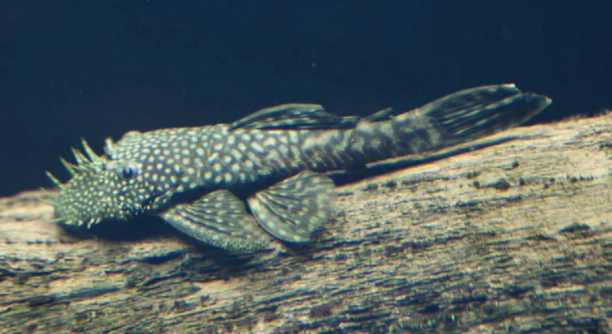
Are your plecos showing unusual behavior in their tank, acting restless or more aggressive than usual? Observing them closely can help you understand how they interact with their environment and other fish around them.
Plecos exhibit territorial behavior through actions such as chasing other fish, marking surfaces, hiding in preferred spots, and guarding food. These behaviors are instinctive and serve to establish dominance and secure their living space within the aquarium environment.
Recognizing these signs can help you manage your tank more effectively and ensure a peaceful habitat for all your fish.
Chasing Other Fish
When plecos feel their space is threatened, they often chase smaller or weaker tank mates. This behavior is more noticeable during feeding times or when new fish are introduced. Chasing is a way for plecos to assert dominance, making sure other fish stay out of their claimed territory. They may dart quickly, following other fish around the tank, sometimes even bumping them gently. This can be alarming at first, but it is typically a natural instinct. Over time, you may notice patterns, like which fish are targeted more frequently. Providing hiding spots and decorations can help reduce stress for both your pleco and other fish. Observing these interactions can teach you a lot about their personality and territorial needs. Avoid overcrowding, as limited space can intensify chasing behavior. Regular monitoring and adjustments to tank layout can help maintain balance and prevent injuries.
Chasing is a territorial display, meant to establish dominance and protect resources, rather than a sign of illness or malice.
Adding multiple hiding spots and visual barriers can reduce conflicts and help your pleco feel secure in its environment.
Guarding Food
Plecos can be very protective of their food, especially when sharing a tank. They may hover around feeding areas or chase others away until they finish eating. Even slow feeders will often assert control to ensure they get enough.
Food guarding is common among plecos due to their natural instincts in the wild. In their natural habitat, food is not always abundant, so securing it becomes essential. In aquariums, this instinct persists even when food is plentiful. Providing multiple feeding spots or spreading food across the tank can help reduce aggression and ensure all fish have access. Observing your pleco’s eating habits can help you identify when they feel threatened or overstimulated. Adjusting feeding schedules, introducing floating foods, or placing food near different hiding spots may prevent conflicts. It’s also important to note that territorial guarding doesn’t mean your pleco is unhappy—it is simply expressing natural behavior. Balancing the environment and feeding methods ensures a calmer, more harmonious tank while allowing plecos to maintain their instinctive routines.
Hiding in Preferred Spots
Plecos often retreat to caves, plants, or corners of the tank. This is a territorial instinct, allowing them to claim a safe space away from other fish.
Hiding is more than just seeking safety; it signals ownership of a section of the tank. Plecos will return to the same spot consistently, often making it their primary territory. They may rearrange decorations or move substrate slightly, showing active control over their area. Providing multiple hiding options helps prevent fights between fish and reduces stress. Even in peaceful tanks, plecos will stake out their favorite spots and defend them quietly, maintaining a sense of security. This behavior is a normal part of their daily activity and contributes to their overall comfort.
Some plecos become attached to one or two spots, defending them aggressively. Recognizing these preferences allows you to structure the tank to accommodate their natural tendencies.
Marking Surfaces
Plecos leave marks on decorations and glass using their mouths or fins. This serves as a visual and chemical signal to other fish, communicating their territorial presence.
Surface marking is subtle but significant. Plecos scrape algae or leave slight scratches on wood, rocks, or tank walls, signaling boundaries. This behavior is not destructive but a natural method of establishing dominance. They may return frequently to reinforce these markers. These actions also allow plecos to feel more confident and secure in their surroundings. Observing where your pleco marks can help you understand which areas they consider most valuable. Adjusting tank layout to include multiple surfaces can reduce territorial tension.
By respecting marked areas, you allow your pleco to maintain natural behaviors while keeping the tank environment calm and balanced. It also provides insight into their preferred spaces and helps in monitoring tank dynamics effectively.
Chasing Away Intruders
Plecos often chase other fish that come too close to their favorite spots. This behavior is a direct way to defend their space and maintain control over their territory.
The chasing may seem aggressive, but it is usually brief. Once the other fish retreat, the pleco often returns to its usual position or hiding place.
Flare Fins
Plecos flare their fins to appear larger and more intimidating. This action signals to other fish that a certain area is claimed and should not be approached.
Resting in High Spots
Plecos sometimes rest on driftwood or elevated areas within the tank. These spots give them a good view of their territory.
Why does my pleco chase other fish?
Chasing is a natural territorial behavior in plecos. They feel the need to defend their space, especially around hiding spots, feeding areas, or favorite decorations. This behavior is instinctive, and it does not necessarily mean your pleco is stressed or unhappy. Observing patterns can help you manage tank dynamics and reduce conflicts.
How can I reduce food guarding?
Food guarding happens when plecos feel that their food is threatened. Providing multiple feeding areas or scattering food across the tank can help. Slow feeders may still guard certain areas, but spreading out food gives all fish a better chance to eat. Using sinking wafers and placing them near hiding spots can also reduce tension.
Why does my pleco hide so much?
Hiding is normal and often linked to territory. Plecos claim certain areas as safe zones and may return frequently. Providing caves, plants, and driftwood gives them options to feel secure. Even in a peaceful tank, hiding indicates comfort and the establishment of personal space.
What does it mean when a pleco flares its fins?
Fin flaring is a display of dominance. Plecos use this behavior to appear larger and warn other fish away from their claimed territory. It is an effective way to maintain boundaries without physical fighting. Observing flare patterns helps identify which areas your pleco considers most valuable.
Why does my pleco mark surfaces?
Plecos leave visual and chemical markers on surfaces such as rocks, wood, and tank glass. These signals communicate territorial ownership to other fish and reinforce boundaries over time. Marks are subtle and harmless, often appearing as scrapes or faint streaks on the substrate or decorations.
Is chasing and flaring dangerous to other fish?
Most of the time, chasing and fin flaring are low-risk behaviors. They are short-lived and meant to warn other fish rather than cause harm. However, overcrowding and lack of hiding spots can increase stress and make encounters more intense. Adjusting tank layout and providing sufficient space can minimize risk.
How do I know which areas my pleco considers territory?
Look for repeated hiding spots, marked surfaces, and areas where your pleco chases other fish. Driftwood, caves, and tank corners are often claimed. Observing these patterns helps you place decorations strategically to reduce conflicts and allow your pleco to feel secure.
Can multiple plecos share the same tank?
Yes, but careful planning is required. Providing multiple hiding spots, ample swimming space, and scattered food reduces territorial disputes. Some plecos are more aggressive than others, so monitoring behavior and separating fish if necessary ensures a peaceful environment.
What are signs that territorial behavior is causing stress?
Excessive chasing, damaged fins, constant hiding, and reluctance to eat can indicate stress. Stress can affect health over time, so observing interactions and making adjustments to space, hiding areas, and feeding routines is important for long-term well-being.
How can tank layout help with territorial issues?
Arranging multiple caves, driftwood, and plants creates distinct zones, allowing plecos to claim spaces without frequent conflicts. Visual barriers break line-of-sight, reducing the need for chasing or fin flaring. Experimenting with placement can improve harmony in the tank while respecting natural behaviors.
Do plecos ever outgrow their territorial tendencies?
Territorial instincts remain throughout life, though some behaviors may become less intense with age. Mature plecos often maintain preferred spots, flare occasionally, and guard food selectively. Understanding these instincts helps manage a long-term aquarium environment that accommodates both their needs and those of other fish.
Can stress increase territorial behavior?
Yes. Overcrowding, sudden changes, poor water quality, or limited hiding spots can heighten territorial behaviors. Ensuring optimal tank conditions, sufficient space, and structured territories helps reduce unnecessary aggression and keeps your pleco calmer.
How often should I monitor my pleco’s behavior?
Daily observation is best, especially after adding new fish or changing tank layouts. Noting chasing patterns, hiding spots, and food guarding behaviors helps you anticipate conflicts and make adjustments to maintain a balanced environment.
Is it normal for plecos to flare at reflections?
Yes, reflections can trigger territorial responses. Plecos may mistake their reflection for another fish. Using background materials or adjusting lighting can reduce stress from reflective surfaces, preventing unnecessary flaring and chasing.
Can decorations help establish boundaries naturally?
Absolutely. Properly placed caves, driftwood, and plants create natural zones. Plecos can claim these spaces, reducing direct competition and tension between tank mates. Reorganizing the tank occasionally may help maintain balance without disturbing their established territories.
This FAQ covers the most common aspects of pleco territorial behavior and practical ways to manage it effectively, ensuring both your pleco and other fish remain healthy and comfortable.
Final Thoughts
Plecos are naturally territorial fish, and understanding their behavior is key to maintaining a peaceful tank environment. Their chasing, hiding, fin flaring, and surface marking are instinctive ways to claim space and protect resources. Recognizing these behaviors allows you to provide a tank that meets their needs while minimizing conflicts with other fish. By observing your pleco, you can identify favorite spots, preferred hiding areas, and feeding patterns. This knowledge helps in designing a layout that accommodates their territorial instincts and ensures all inhabitants of the tank coexist comfortably. Adjusting tank decorations, adding multiple hiding places, and spreading out food can greatly reduce aggression and allow your pleco to feel secure.
It’s important to remember that territorial behavior does not indicate that your pleco is unhappy or unhealthy. On the contrary, displaying these behaviors is a sign that they are confident and comfortable in their environment. However, too much aggression can be a problem if the tank is overcrowded or if there aren’t enough hiding spots. Monitoring interactions between fish is essential, especially when introducing new tank mates. Providing visual barriers such as plants, driftwood, or rock formations can help break up line-of-sight, reducing the need for constant chasing or fin flaring. Creating multiple zones within the tank allows plecos to establish and maintain their territory without putting other fish under stress. Small adjustments can have a significant impact on the overall harmony of the tank.
Lastly, managing pleco territorial behavior is an ongoing process. Their instincts remain strong throughout their life, so continuous observation and thoughtful tank management are necessary. Feeding strategies, hiding spots, and tank layout should be regularly evaluated and adjusted as your pleco grows or as new fish are introduced. Understanding and respecting these behaviors ensures that your pleco remains healthy, confident, and less likely to cause stress to other fish. By planning carefully and observing consistently, you can create an aquarium environment that balances the natural instincts of your pleco with the needs of all tank inhabitants. This approach not only promotes healthier fish but also makes caring for your pleco a more rewarding and predictable experience.

Hello,
If you enjoy the content that we create, please consider saying a "Thank You!" by leaving a tip.
Every little bit helps us continue crafting quality advice that supports the health, happiness, and well-being of pets around the world, for pets of all shapes, sizes, and species.
We really appreciate the kindness and support that you show us!