
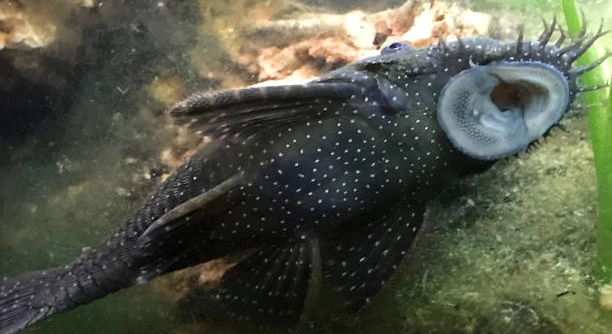
Do you enjoy keeping Bristlenose Plecos but find yourself curious about how they react to the decorations in their tank? Many aquarists wonder if a simple background can influence their behavior or comfort levels.
Bristlenose Plecos generally respond positively to tank backgrounds, as these additions provide a sense of security and help reduce stress. Solid or natural-looking backgrounds can simulate their natural habitats, encouraging normal behavior and overall well-being in captivity.
Knowing how tank aesthetics affect these fish can improve their care and help create a more harmonious aquarium environment.
Understanding Bristlenose Plecos and Their Environment
Bristlenose Plecos are small catfish that thrive in aquariums that mimic their natural habitats. They prefer hiding spots, dim lighting, and surfaces they can cling to, such as driftwood or smooth rocks. Adding a tank background can give them a sense of enclosure, making them feel safer and less exposed. Many aquarists have noticed that Plecos are more active and display natural behaviors when their tanks have darker or textured backgrounds. This is because these fish evolved in rivers and streams with plenty of shadows and visual barriers. A plain glass tank can sometimes make them feel vulnerable, leading to stress or hiding excessively. Even a simple background with aquatic plants or printed designs resembling rocks or wood can make a noticeable difference. Plecos also use visual cues to recognize territories, so backgrounds can help establish boundaries and reduce aggression if multiple fish share the same tank.
Adding a background is a subtle change that improves comfort and overall behavior.
By creating a secure visual environment, Plecos explore more and interact naturally with their tank. This can lead to healthier fish and a more enjoyable aquarium to observe over time.
Choosing the Right Background for Your Pleco
Dark or natural-colored backgrounds are often preferred.
Selecting a background involves considering the tank size, lighting, and the fish’s needs. Materials like vinyl prints, rocks, or plants can work well. Darker colors tend to reduce stress and highlight the Pleco’s natural patterns. If your tank has bright lighting, a background helps soften reflections that can startle them. Some aquarists combine multiple elements, such as driftwood and a printed backdrop, to provide depth and hiding spots. It’s also important that backgrounds do not interfere with tank maintenance or water circulation. Secure placement prevents debris from accumulating behind it. Over time, Plecos may begin to explore near the background, using it as a resting place or a boundary marker. Regular observation ensures the background contributes positively to their behavior. Adjustments can be made if the fish appear stressed or avoid certain areas, allowing for a more comfortable and stimulating habitat that closely mimics natural conditions.
How Plecos Use Tank Backgrounds
Bristlenose Plecos often stick close to backgrounds, using them for hiding and resting. They feel safer with visual barriers, which lowers stress. Backgrounds also give them a sense of territory, making interactions with other fish calmer.
Backgrounds act as a visual anchor for Plecos. They tend to patrol areas near the background, exploring surfaces and grazing algae. Solid or textured backgrounds give them confidence, while plain glass can make them hesitant or shy. Plecos are nocturnal, and having a background helps them feel secure during daylight hours. It also allows them to retreat without feeling exposed, which is important for their overall health and comfort.
Different textures and colors influence Pleco behavior in unique ways. Darker tones provide a sense of safety, while natural patterns like rocks or plants mimic their native river habitats. Some Plecos may even develop favorite spots along the background, returning consistently to rest or feed. This familiarity helps reduce stress, encourages normal activity, and supports natural behaviors like grazing and hiding. Observation of these patterns can guide adjustments to the tank layout, ensuring the fish remain comfortable.
Tips for Installing a Background
Make sure the background fits snugly against the tank glass.
Choose materials that are waterproof and easy to clean, such as vinyl or laminated prints. Avoid backgrounds that can trap debris or affect water flow. Consider height and width so it fully covers the area behind the tank. If using natural elements like driftwood or rock panels, secure them carefully to prevent shifting. Layering plants or other décor can enhance the effect while providing additional hiding spots. Proper installation not only improves aesthetics but also contributes to a safer, more comfortable environment for Plecos. Regularly check for gaps or areas where algae may build up, keeping the tank clean and functional.
A well-installed background supports both fish health and tank maintenance. Plecos benefit from the sense of enclosure, while aquarists enjoy a visually cohesive and low-stress aquarium. Consistency in placement helps fish establish patterns and territories, improving behavior and reducing conflicts. Over time, the background becomes an integral part of the aquarium ecosystem, enhancing both appearance and functionality. Choosing the right combination of color, texture, and materials can make a noticeable difference in how Plecos interact with their habitat, encouraging natural behaviors and contributing to overall satisfaction with the aquarium setup.
Effects of Background Color
Darker backgrounds tend to calm Bristlenose Plecos, reducing stress and encouraging natural behavior. Lighter or overly bright backgrounds can make them shy or hesitant. A neutral, natural tone often works best for overall comfort and visibility.
Colors resembling rocks, wood, or riverbeds make Plecos feel secure. These tones mimic their natural environment, encouraging exploration and grazing. Plecos respond to visual cues, and a consistent color helps them recognize safe areas. A well-chosen background color can also highlight their natural patterns, making observation more enjoyable.
Background Materials and Texture
Vinyl, laminated prints, and natural rock panels are common background choices. Smooth textures are easy to clean, while rough surfaces give Plecos more places to graze and explore. Some materials can be layered with décor for added depth and hiding spots.
Positioning the Background
Place the background so it covers the full rear surface of the tank. Secure it to prevent gaps or movement. Proper positioning ensures that Plecos can use it fully for hiding and exploring, improving their sense of security.
FAQ
Do Bristlenose Plecos need a tank background?
Bristlenose Plecos do not strictly need a background, but it can greatly improve their comfort and behavior. Backgrounds provide a sense of enclosure and security, reducing stress. Fish often feel exposed in plain glass tanks, and a background can create a more natural, calm environment.
What type of background is best for Plecos?
Natural-looking backgrounds work best, especially those with darker colors, rock patterns, or wood textures. Vinyl prints, laminated images, or rock panels are popular options. These simulate a river or stream environment, which Plecos are used to. Backgrounds that are too bright or reflective can make them shy or hesitant.
Can backgrounds affect their health?
Indirectly, yes. A safe, stress-free environment contributes to overall health. When Plecos feel secure, they eat normally, explore, and maintain regular activity. Stress from an exposed tank can lead to hiding excessively, loss of appetite, or increased vulnerability to disease.
How should I install a background?
The background should fit snugly against the rear tank glass and be secured so it does not move. Vinyl or laminated materials are easy to maintain. If using rocks or panels, ensure they are stable and won’t trap debris. Position it fully so fish can use the entire space.
Will Plecos interact with the background?
Yes, Plecos often use backgrounds for hiding, resting, and grazing. They may establish favorite spots along the surface, returning repeatedly. Textured backgrounds encourage natural behaviors like scraping algae. Even simple printed backgrounds give them a visual boundary, which reduces stress and helps them feel more secure.
Do all Plecos respond the same way to backgrounds?
Responses vary by personality and age. Some are shy and use the background extensively, while others are more confident and explore the open tank. Juveniles tend to hide more, while adults may patrol near the background but venture into open areas more frequently. Observing behavior helps adjust tank setups.
Can plants replace a tank background?
Plants can help create hiding spots and visual barriers, but they do not fully replace the effect of a solid or printed background. A combination of plants and a background often works best, providing both vertical cover and a secure visual enclosure.
How do I choose the right color?
Dark or natural colors are generally best. They reduce reflections, highlight the Pleco’s patterns, and mimic river environments. Avoid bright or flashy colors that may stress the fish. Neutral colors work well if the goal is both aesthetics and fish comfort.
Will backgrounds make my tank look smaller?
Sometimes, especially dark backgrounds. But this effect can make Plecos feel more secure. Combining textures, plants, and layers can reduce the visual “shrinking” while still offering a safe environment. The benefits for fish behavior usually outweigh minor aesthetic concerns.
How often should I clean the background?
Clean the background when algae or debris build up. Vinyl or laminated backgrounds are easy to wipe down during water changes. Natural panels may need light scrubbing. Regular maintenance prevents hidden dirt and ensures the Plecos continue to feel comfortable in their space.
Can backgrounds reduce aggression between fish?
Yes. Backgrounds provide visual barriers and defined territories, which can reduce conflicts. Fish are less likely to feel exposed or challenged when they have clear hiding spots. In tanks with multiple Plecos or other species, a well-planned background helps maintain peace.
Are DIY backgrounds safe for Plecos?
DIY backgrounds can be safe if made from aquarium-safe materials. Avoid paints, adhesives, or plastics that can leach chemicals. Materials should be non-toxic, smooth enough to avoid injury, and stable to prevent collapse. Many aquarists create safe, effective DIY setups that Plecos enjoy.
Do Plecos prefer textured or smooth backgrounds?
Textured backgrounds are often preferred because they offer extra surfaces for grazing and hiding. Smooth backgrounds are easier to clean but provide less interaction. A mix of both can balance maintenance with the fish’s natural behaviors, allowing them to explore and feel secure.
Can a background help new Plecos adjust?
Absolutely. New Plecos are often shy and stressed when introduced to a tank. A background gives them a visual boundary and hiding spots, helping them feel safer while they acclimate. Over time, they become more confident and explore the tank more freely.
What is the impact of a reflective glass background?
Reflective surfaces can stress Plecos because they may perceive their reflection as another fish. This can lead to hiding, aggression, or avoidance. Using darker or non-reflective backgrounds minimizes this problem and encourages normal, relaxed behavior.
Are there backgrounds that should be avoided?
Avoid bright, glossy, or chemically treated materials that could leach toxins. Highly reflective surfaces can stress the fish. Unsafe adhesives, sharp edges, or unstable panels should also be avoided. Choosing natural-looking, secure, and non-toxic materials ensures both safety and comfort.
Do Plecos ever ignore backgrounds?
Some confident or mature Plecos may spend more time in open areas, especially if the tank has sufficient hiding spots elsewhere. However, even these fish benefit from having a background as it provides visual security and reduces stress during unexpected disturbances.
How can I combine background and décor effectively?
Layering background with plants, driftwood, and rocks creates depth and hiding spots. Plecos can graze, rest, or patrol these areas comfortably. Combining elements simulates natural habitats, encourages natural behavior, and reduces stress while maintaining visual appeal for the aquarium owner.
What signs show the background is working for my Plecos?
Plecos resting near or along the background, grazing confidently, and exploring without stress indicate a successful setup. Reduced hiding, regular feeding, and normal activity patterns also show that the background contributes positively to their environment.
Final Thoughts
Bristlenose Plecos are small fish that respond well to environments that feel secure. Tank backgrounds, whether printed, vinyl, or made of natural materials like rock and wood panels, can help create this sense of safety. Fish that feel exposed may hide more often, eat less, or show signs of stress. Adding a background gives them a defined space to explore, rest, and graze without feeling threatened. Even small changes, like darkening the rear of the tank or adding textured surfaces, can influence their comfort level. Over time, a well-chosen background allows Plecos to display normal behavior, which is important for their health. Their patterns, fins, and unique bristles become easier to observe when they feel secure, making the tank more enjoyable to watch.
Choosing the right background depends on several factors, including color, texture, and materials. Dark or natural tones are generally the most calming for Plecos, as these colors mimic the river and stream habitats where they naturally live. Textured surfaces, such as rocks or wood patterns, give them areas to graze and hide, which supports natural behavior. Smooth backgrounds are easier to clean and maintain but may provide less interaction for the fish. Combining materials or layering elements can create depth while still giving Plecos a sense of security. Backgrounds that are reflective, overly bright, or chemically treated can be stressful and should be avoided. When installed correctly, backgrounds become a functional and aesthetic part of the aquarium, improving both fish welfare and visual appeal.
Maintaining the background is also part of caring for Plecos. Over time, algae and debris may build up on surfaces, and regular cleaning ensures the fish continue to feel comfortable. Proper installation, secure positioning, and observing how your Plecos interact with the background are key steps to creating a supportive environment. Backgrounds are not just decorative; they influence behavior, feeding, and rest patterns. For aquarists, understanding this allows better decisions about tank setup and ongoing care. Overall, adding a suitable background benefits both the fish and the tank keeper, supporting natural behavior while enhancing the visual experience. It is a simple but meaningful step in creating a balanced and healthy aquarium for Bristlenose Plecos.

Hello,
If you enjoy the content that we create, please consider saying a "Thank You!" by leaving a tip.
Every little bit helps us continue crafting quality advice that supports the health, happiness, and well-being of pets around the world, for pets of all shapes, sizes, and species.
We really appreciate the kindness and support that you show us!