7 Signs Your Tetra Water Isn’t Clean Enough
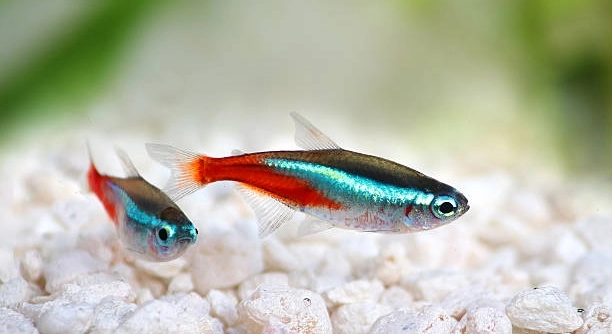
Are your tetra fish showing signs of stress or illness? Keeping their water clean is essential for their health and well-being. Many aquarium owners struggle to recognize when the water quality starts to decline. Poor water quality in tetra tanks often results from insufficient filtration, overfeeding, or infrequent water changes. Contaminants and waste buildup can … Read more

7 Things That Boost Tetra Breeding Success

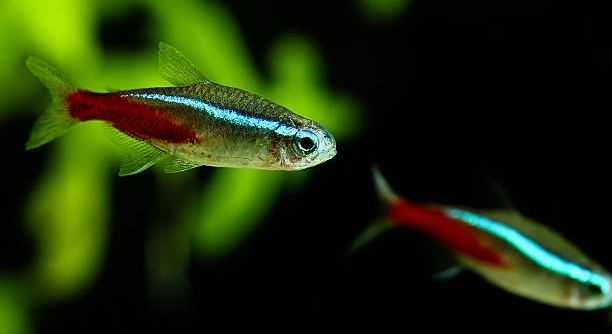
Breeding tetras can be a rewarding hobby for fish enthusiasts. Success depends on several key factors that influence the health and behavior of these small, colorful fish. Understanding these basics helps create the best environment for breeding. Seven important elements contribute to boosting tetra breeding success. These include water quality, tank setup, diet, temperature control, … Read more

7 Signs of a Dominant Tetra Taking Over

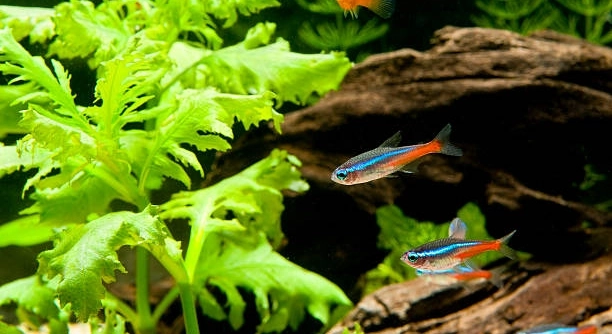
Are your tetras showing unusual behavior in the aquarium? Observing the dynamics within your fish tank can reveal important signs about their social structure. Recognizing these behaviors early helps maintain a balanced environment for all your aquatic pets. A dominant tetra asserts control by displaying aggressive behavior, frequent chasing, and occupying prime swimming areas. These … Read more

Can Tetra Become Bored? (7 Signs to Watch)

Do you ever notice your tetra swimming slowly or hiding more than usual? Many fish owners wonder if their small, colorful pets can get bored in their tanks. Understanding tetra behavior helps improve their care and environment. Tetras can show signs of boredom when their environment lacks stimulation. A lack of activity, interest in surroundings, … Read more

7 Reasons Your Tetra Are Swimming Near the Top

Are your tetra fish often swimming near the top of the tank instead of exploring all levels? This behavior can indicate several factors related to their environment or health. Understanding why this happens helps maintain a balanced and healthy aquarium. Tetras swimming near the top commonly reflect issues like low oxygen levels, water quality problems, … Read more

7 Mistakes When Mixing Tetra with Other Fish

Mixing tetras with other fish can be a rewarding experience for aquarium lovers. However, it often comes with challenges that may affect the health and harmony of your tank. Knowing common mistakes can help prevent problems before they start. Mixing tetras with other fish often leads to issues like aggression, incompatible water conditions, and dietary … Read more

Can Tetra Survive in a Tank Without Gravel? (7 Facts)

Have you ever set up a new tank and started wondering if your tetra really needs gravel to stay happy and healthy? Tetras can survive in a tank without gravel, but it is not ideal for their long-term well-being. Gravel supports beneficial bacteria, reduces stress, and provides a more natural environment, which helps maintain both … Read more

How Long Can Tetra Go Without Food? (Surprising Answer)

Tetras are popular small fish often kept in home aquariums. Many owners want to know how long these delicate creatures can safely go without food. Understanding their fasting limits is important for proper care and health. Tetras can typically survive without food for about three to five days, depending on their age, health, and water … Read more

How to Help Tetra Adjust to a New Tank (7 Tips)

Adjusting a tetra to a new tank can be a delicate process that requires attention and care. Many fish owners find that sudden changes may stress their pet fish. Proper steps help create a calm environment for the tetra to settle in comfortably. Helping a tetra adjust involves gradual introduction, stable water conditions, and minimizing … Read more

Why Are My Tetra Afraid of Their Reflection?

Many aquarium owners notice their tetra fish behaving nervously around reflective surfaces. This reaction can be puzzling when you expect peaceful swimming but see sudden darting and hiding instead. Understanding why your tetras respond this way helps improve their care. Tetras often perceive their reflections as rival fish, triggering stress and defensive behavior. Their natural … Read more