
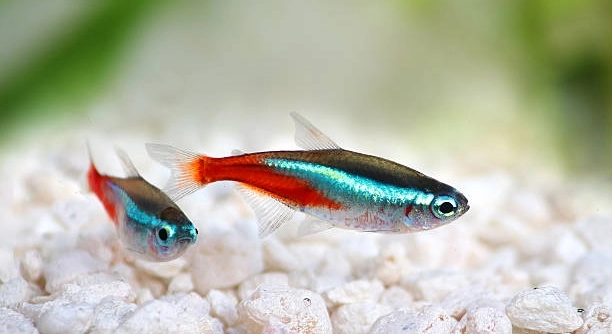
Mixing tetras with other fish can be a rewarding experience for aquarium lovers. However, it often comes with challenges that may affect the health and harmony of your tank. Knowing common mistakes can help prevent problems before they start.
Mixing tetras with other fish often leads to issues like aggression, incompatible water conditions, and dietary conflicts. These mistakes can cause stress, illness, and even death among fish, undermining the balance needed for a healthy aquarium environment.
Understanding these mistakes is important to create a peaceful community tank. This article will guide you through key points to avoid common pitfalls when mixing tetras with other fish.
Overcrowding the Tank
Overcrowding is a frequent mistake when mixing tetras with other fish. Many aquarists underestimate how much space each fish needs. Tetras are small but active swimmers who require enough room to move comfortably. When the tank is overcrowded, fish can become stressed and aggressive. This often leads to poor water quality because of excess waste. Overcrowding reduces oxygen levels and increases harmful toxins like ammonia and nitrites. These conditions weaken fish immune systems, making them vulnerable to disease. It also causes fish to compete for food and hiding spots, which increases tension. Proper stocking limits based on tank size and fish species are essential. Giving your fish space creates a calm environment and promotes healthy growth.
Keeping a balanced number of fish will reduce stress and improve overall tank health.
It is important to research the adult size of your fish and plan your tank accordingly. A good rule of thumb is one inch of fish per gallon of water, but this varies by species. Consider each fish’s temperament and activity level. Some fish, like tetras, swim in groups and need space to school. Others may prefer hiding places, so providing enough decorations and plants helps reduce stress. Avoid adding too many fish at once to give your filtration system time to adjust. Regular maintenance and water testing are also critical to keep conditions stable in a moderately stocked tank.
Ignoring Water Parameter Compatibility
Water parameters such as temperature, pH, and hardness are crucial when mixing tetras with other species. Fish from different environments have specific needs that must be matched to keep them healthy. Tetras generally prefer soft, slightly acidic water and moderate temperatures. Introducing fish that require very different conditions can cause stress and illness.
Failing to maintain compatible water conditions can lead to poor health and even death.
Adjusting water parameters gradually and choosing fish with similar requirements are the best ways to avoid these problems. Testing your water regularly ensures that conditions remain stable. When parameters are out of range, fish become weak and more prone to infections. Some species tolerate changes better than others, but it is safer to keep all fish within their ideal range. Researching each fish’s needs before mixing them will help you create a thriving community tank. This careful approach promotes long-term health and peaceful coexistence.
Feeding Conflicts
Feeding different fish together can cause problems. Some fish eat faster, while others get left behind.
When mixing tetras with other species, it’s important to understand their dietary needs and feeding habits. Tetras are small and often quick eaters, but if larger or more aggressive fish are in the tank, they may outcompete the tetras for food. This can lead to malnutrition or stress for the slower or shy fish. Providing a variety of foods and feeding in multiple spots helps ensure all fish get enough. It also prevents leftover food from polluting the tank.
Offering species-specific foods and observing feeding behavior helps maintain balance. Feeding smaller amounts more frequently can reduce competition. This approach supports the health of all your fish, preventing issues that come from uneven feeding.
Aggression and Territorial Behavior
Aggression is a common issue when mixing tetras with other fish. Some species are more territorial and may attack smaller or peaceful fish like tetras.
To manage aggression, research each species’ temperament before mixing them. Tetras generally do well in peaceful groups but may become stressed if housed with aggressive or territorial fish. Providing plenty of hiding spaces and plants can reduce confrontations. Separating aggressive fish or choosing compatible tank mates helps maintain harmony. Observing behavior regularly allows quick action if conflicts arise. Balancing the community tank’s social dynamics is essential for a peaceful environment. Creating a space where all fish feel secure reduces stress and improves their well-being.
Overlooking Tank Decorations
Tank decorations and plants are more than just for looks. They provide shelter and reduce stress for tetras and other fish.
Without enough hiding spots, fish feel exposed and anxious. This increases aggression and health problems.
Ignoring Disease Prevention
Mixing fish from different sources increases the risk of introducing diseases. Quarantining new fish before adding them to the main tank is essential. This practice helps detect illnesses early and protects your established community. Keeping the tank clean and monitoring fish behavior are key parts of disease prevention.
Poor Filtration
A strong filtration system is necessary for a mixed tank. Overcrowding and varying waste levels can quickly overwhelm weak filters. Regular filter maintenance supports water quality and fish health.
What are the most common mistakes when mixing tetras with other fish?
The main mistakes include overcrowding, ignoring water parameter compatibility, feeding conflicts, aggression, lack of proper decorations, disease introduction, and poor filtration. Each of these can cause stress, illness, or death in your fish. Overcrowding reduces swimming space and degrades water quality. Mismatched water conditions stress fish and lower immunity. Feeding conflicts leave some fish hungry while others overeat. Aggression causes injury or constant stress. Without hiding spots, fish feel vulnerable. Introducing new fish without quarantine risks spreading disease. Weak filtration fails to handle the waste load, making the environment unhealthy.
How can I prevent aggression between tetras and other fish?
Choose fish with peaceful temperaments that match tetras’ behavior. Provide plenty of plants and hiding places to break lines of sight and reduce territorial disputes. Keep an eye on fish interactions regularly to catch early signs of aggression. If needed, separate aggressive individuals or reconsider the tank setup. Grouping tetras in schools of six or more also helps reduce stress and aggression, as they feel safer in numbers.
What water conditions do tetras prefer?
Tetras thrive in slightly acidic to neutral water, with a pH between 6.0 and 7.5. They prefer soft to moderately hard water and temperatures between 72°F and 78°F (22°C to 26°C). Keeping water parameters stable within this range supports their health. Sudden changes or mismatches with other fish’s needs can cause stress and illness.
How important is quarantining new fish before adding them to my tank?
Quarantining new fish is very important to prevent the spread of diseases. A quarantine tank allows you to observe new fish for signs of illness before introducing them to your established tank. This step reduces the risk of outbreaks that could harm your entire community. Even if fish look healthy, parasites or infections may not be immediately visible.
What should I do if I notice signs of stress or illness in my fish?
First, check your water quality, including temperature, pH, ammonia, nitrites, and nitrates. Poor water conditions are often the root cause of stress and illness. Isolate affected fish if possible to avoid spreading disease. Consider consulting a vet or fish care expert for proper diagnosis and treatment. Prompt action improves chances of recovery.
How often should I feed my tetras and their tank mates?
Feeding small amounts two to three times daily is ideal. Overfeeding leads to leftover food, which pollutes the water and causes health problems. Underfeeding causes stress and malnutrition. Watch your fish during feeding to ensure everyone is eating and adjust portions accordingly.
Can I mix tetras with aggressive fish?
Mixing tetras with aggressive species is generally not recommended. Aggressive fish can bully or injure tetras, leading to stress or death. If you want a mixed tank, choose species with peaceful or semi-aggressive temperaments that can coexist with tetras without conflict.
What kind of filtration is best for a community tank with tetras?
A reliable filter that handles mechanical, chemical, and biological filtration is best. It should be rated for your tank size and capable of managing the waste produced by all fish. Regular cleaning and maintenance keep the filter efficient and prevent water quality issues.
How many tetras should I keep together?
Tetras are schooling fish and should be kept in groups of at least six. Smaller groups make them nervous and stressed, while larger groups provide comfort and natural social behavior. Keeping them in a school also reduces aggression and encourages active swimming.
What decorations work best for a tank with tetras?
Live or artificial plants, rocks, and driftwood create hiding places and break open spaces in the tank. These decorations help tetras feel secure and reduce aggression. Avoid sharp objects that can injure delicate fish like tetras. Balance open swimming areas with plenty of cover.
How often should I test my aquarium water?
Testing water once a week is a good routine to catch early problems. Check key parameters like ammonia, nitrites, nitrates, pH, and temperature. Frequent testing helps maintain a stable environment and keeps fish healthy.
Is it okay to introduce new fish directly into the community tank?
Introducing new fish directly is risky. It’s better to quarantine them first and acclimate them slowly to the tank’s water parameters. Sudden changes can cause shock and disease. Acclimation reduces stress and improves survival chances.
What signs show that my tetras are stressed?
Signs include hiding more than usual, loss of color, clamped fins, erratic swimming, and loss of appetite. Stress often results from poor water quality, overcrowding, aggression, or incompatible tank mates. Identifying and addressing these causes quickly helps prevent illness.
Can tetras live with larger fish?
Some larger fish may see tetras as food or intimidate them. It depends on the species and temperament. Choose larger fish that are peaceful and won’t view tetras as prey. Always monitor interactions closely when mixing size ranges.
How can I improve the overall health of my mixed-species tank?
Maintain stable water conditions, avoid overcrowding, feed a balanced diet, quarantine new fish, and provide hiding places. Regular cleaning, water testing, and observation keep problems early and manageable. Healthy tanks support happy, long-living fish.
Mixing tetras with other fish can be a rewarding experience, but it takes some care to do it right. Avoiding common mistakes helps create a healthy and peaceful aquarium. Overcrowding, poor water conditions, feeding problems, and aggression are some issues that can cause stress and illness in your fish. Paying attention to these details ensures your fish live comfortably and grow well together. A well-planned tank leads to a balanced environment where fish can thrive.
It is important to research the needs of all fish species before adding them to the same tank. Matching water parameters like temperature, pH, and hardness helps keep fish healthy. Quarantining new fish protects your existing community from diseases. Feeding your fish correctly and providing enough hiding places reduces stress and competition. Maintaining a strong filtration system and regular water testing also plays a big role in keeping your tank clean and safe. These simple steps go a long way toward preventing problems.
By learning and avoiding common mistakes, you improve the chances of success with your mixed tank. Tetras are peaceful and colorful fish that do well with the right companions and environment. Careful planning, observation, and maintenance allow you to enjoy a vibrant community aquarium. Taking the time to understand your fish’s needs shows in their behavior and health. With patience and attention, your tank can become a beautiful, balanced space that brings satisfaction for years to come.

Hello,
If you enjoy the content that we create, please consider saying a "Thank You!" by leaving a tip.
Every little bit helps us continue crafting quality advice that supports the health, happiness, and well-being of pets around the world, for pets of all shapes, sizes, and species.
We really appreciate the kindness and support that you show us!