
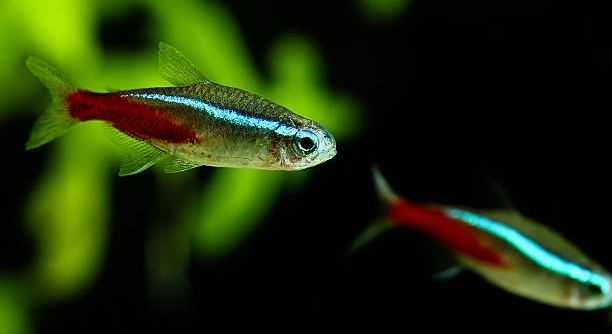
Adjusting a tetra to a new tank can be a delicate process that requires attention and care. Many fish owners find that sudden changes may stress their pet fish. Proper steps help create a calm environment for the tetra to settle in comfortably.
Helping a tetra adjust involves gradual introduction, stable water conditions, and minimizing stress factors. Ensuring temperature and pH consistency while avoiding sudden movements and loud noises are essential. These steps support the fish’s health and reduce shock during transition.
Learning these tips can make the moving process easier for both you and your tetra. With patience and knowledge, your fish can thrive in its new home without unnecessary stress.
Preparing the New Tank
Before introducing your tetra to the new tank, make sure everything is set up properly. The tank should be fully cycled to provide a stable environment. Test the water for appropriate pH, ammonia, nitrite, and nitrate levels. Keep the temperature consistent with the old tank, ideally between 72°F and 78°F. Add plants, hiding spots, and decorations to create a comfortable space that mimics the tetra’s natural habitat. Avoid strong currents, as tetras prefer calm water. Clean the tank thoroughly but avoid using soaps or chemicals that could harm the fish. Let the tank run for at least 24 hours before adding your fish to allow water conditions to stabilize. This preparation reduces stress and helps the tetra settle in more easily. A well-prepared tank creates a safe environment that supports your tetra’s health during adjustment.
Taking the time to prepare the tank carefully can prevent many common problems. A stable tank means less stress for your fish and fewer health risks.
Proper preparation creates a calm, healthy space for your tetra. It ensures the fish’s environment is safe and familiar, encouraging quick adaptation to its new home. This foundation is key to a smooth transition and long-term wellbeing.
Gradual Acclimation Process
Acclimating your tetra slowly to the new tank is essential for its wellbeing.
Start by floating the bag with the fish in the new tank water for 15 to 20 minutes. This helps equalize the temperature. Next, open the bag and add small amounts of tank water to it every 5 minutes for about an hour. This allows the fish to adjust to new water chemistry gradually. Avoid pouring the bag water into the tank to prevent contamination. After acclimation, gently transfer the tetra using a net. Sudden changes in water conditions can shock the fish, so taking time during this process reduces the risk. This careful method improves the fish’s chance to adapt smoothly without stress or health issues. Patience in acclimation is one of the best ways to help your tetra feel secure.
Maintaining Stable Water Conditions
Keeping water conditions steady is vital for your tetra’s comfort. Sudden changes can cause stress or illness.
Regularly monitor the tank’s temperature, pH, and chemical levels using reliable test kits. Maintain the temperature between 72°F and 78°F, and keep the pH close to neutral, around 6.5 to 7.5. Perform small water changes weekly to remove waste and toxins without disturbing the balance. Avoid overfeeding, as leftover food can pollute the water quickly. Stability helps the tetra adapt more easily and stay healthy.
Consistent water quality minimizes stress and supports your tetra’s immune system. A steady environment prevents common issues like fin rot or infections, which often result from poor water conditions. Paying attention to these details creates a safe, comfortable space for your fish.
Minimizing Stress Factors
Stress can weaken your tetra’s health and slow its adjustment. Reducing stress is key to a smooth transition.
Keep the tank in a quiet area away from loud noises or heavy foot traffic. Avoid tapping the glass or sudden movements near the tank. Provide hiding places like plants and decorations where the fish can retreat if it feels threatened. Dim lighting can help create a calm atmosphere. Regular, gentle feeding times create routine and security for your tetra. Avoid introducing aggressive tank mates during this time, as they can increase anxiety and harm the fish.
By minimizing stressors, you give your tetra the best chance to thrive in its new environment. A calm setting helps the fish feel safe and encourages natural behavior. Reducing stress also lowers the risk of disease, supporting overall health and wellbeing.
Monitoring Behavior and Health
Watch your tetra closely during the first days in the new tank. Changes in behavior can signal how well it is adjusting.
Look for signs like loss of appetite, hiding too much, or rapid gill movement. Early detection of stress or illness helps prevent serious problems.
Feeding with Care
Feed your tetra small amounts of high-quality food once or twice a day. Overfeeding can pollute the water and harm your fish. Provide a varied diet with flakes, pellets, and occasional live or frozen foods to ensure balanced nutrition and support health.
Avoiding Overcrowding
Keep the tank population appropriate for its size. Overcrowding causes stress and poor water quality. A well-sized tank with fewer fish promotes healthier, less stressed tetras.
How long does it take for a tetra to adjust to a new tank?
Tetras usually take about one to two weeks to fully adjust to a new tank. During this time, they may act shy or hide more often. Each fish is different, though, and some may settle in faster while others need a bit more time to feel comfortable and explore their surroundings confidently.
What is the best water temperature for tetras in a new tank?
The ideal water temperature for tetras is between 72°F and 78°F. Keeping the temperature stable within this range is important because sudden shifts can cause stress or illness. Using an aquarium heater and thermometer helps maintain consistent warmth, which supports your tetra’s immune system and encourages normal behavior.
Can I add my tetra directly to the new tank?
Adding a tetra directly without acclimation is not recommended. Sudden changes in temperature, pH, and water chemistry can shock the fish and may lead to illness or death. A gradual acclimation process, where you slowly introduce the tetra to the new water, helps reduce stress and increases the chance of a healthy transition.
What should I do if my tetra is hiding a lot after moving?
It’s normal for tetras to hide more in the first few days after moving to a new tank. They use hiding spots to feel safe while adjusting. Make sure there are plenty of plants and decorations for shelter. If hiding continues beyond two weeks or is paired with other symptoms like lack of appetite, it may be a sign of stress or illness.
How often should I test the water after introducing a new tetra?
Test the water every few days for the first two weeks after adding a new tetra. Focus on ammonia, nitrite, nitrate, pH, and temperature. Frequent testing helps catch any harmful changes early, allowing you to take quick action before they affect your fish’s health. After the adjustment period, weekly tests are usually sufficient.
What types of food are best for tetras during adjustment?
During adjustment, feed tetras high-quality flake or pellet food designed for small tropical fish. You can also offer live or frozen foods like brine shrimp or daphnia to provide extra nutrition and encourage feeding. Avoid overfeeding; small amounts twice a day are enough to keep your tetra healthy without polluting the water.
Is it okay to keep tetras with other fish during adjustment?
It’s best to avoid introducing new tank mates when your tetra is still adjusting. Other fish can cause stress or even aggression, which makes settling in harder. Once your tetra shows normal behavior and good health, you can slowly introduce compatible species that share similar water requirements.
What signs indicate my tetra is stressed in the new tank?
Common signs of stress include hiding excessively, loss of appetite, rapid breathing, clamped fins, and erratic swimming. Stress weakens the immune system, making your tetra more vulnerable to disease. Keeping water stable, reducing noise, and providing hiding places can help lower stress levels and support recovery.
Can sudden noises or vibrations affect a new tetra?
Yes, loud noises, vibrations, or tapping on the tank glass can frighten tetras. These fish prefer calm, quiet environments. Place the tank in a low-traffic area and avoid sudden movements near the tank to help your tetra feel secure. Using a tank cover can also reduce disturbances.
How important is tank size for tetra adjustment?
Tank size greatly affects how easily tetras adjust. A small, crowded tank increases stress and water quality problems. A minimum of 10 gallons is recommended for a small group of tetras. Providing enough space for swimming and hiding promotes healthier behavior and a smoother adjustment period.
What should I do if water parameters fluctuate after adding a tetra?
If you notice changes in water quality after introducing a tetra, perform partial water changes to restore balance. Avoid drastic changes, though, as they can cause more stress. Check filtration and feeding routines to prevent waste buildup. Stabilizing water conditions quickly is crucial for your tetra’s health.
Can tetras recover from stress caused by moving to a new tank?
With proper care, tetras often recover from stress caused by moving. Providing stable water conditions, a quiet environment, and a balanced diet supports their immune system and helps them bounce back. Monitoring behavior closely and acting early at signs of illness improves recovery chances significantly.
Moving a tetra to a new tank can be a careful process that needs patience and attention. The first days are often the most challenging as the fish adjusts to new surroundings. It is important to prepare the tank well before introducing your tetra. Stable water conditions, proper temperature, and a clean environment help the fish feel safe. Providing hiding places and calm water reduces stress. When these basics are in place, your tetra has a much better chance of settling in smoothly and staying healthy.
Acclimating your tetra slowly is one of the most important steps. Gradual changes in water temperature and chemistry help the fish avoid shock. Taking time during acclimation means your tetra can adapt more easily without stress. After moving, watching your fish closely is important to catch any signs of illness or discomfort early. Stress can make tetras more vulnerable to disease, so keeping the tank calm and quiet supports their recovery. Feeding small amounts of good quality food and avoiding overcrowding are also key to helping your fish thrive.
Overall, caring for a tetra during its adjustment period is about providing a steady, calm environment and meeting its basic needs. Patience and observation go a long way in making the transition easier. By focusing on water quality, gentle acclimation, and stress reduction, you set your tetra up for success. This care helps your fish feel secure and healthy in its new home. With time, your tetra will become more active and comfortable, rewarding you with its lively presence in your tank.

Hello,
If you enjoy the content that we create, please consider saying a "Thank You!" by leaving a tip.
Every little bit helps us continue crafting quality advice that supports the health, happiness, and well-being of pets around the world, for pets of all shapes, sizes, and species.
We really appreciate the kindness and support that you show us!