
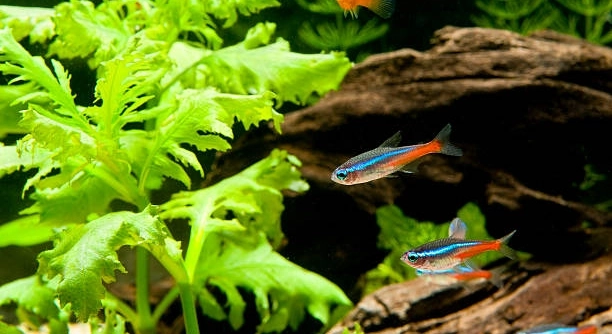
Do you ever notice your tetra swimming slowly or hiding more than usual? Many fish owners wonder if their small, colorful pets can get bored in their tanks. Understanding tetra behavior helps improve their care and environment.
Tetras can show signs of boredom when their environment lacks stimulation. A lack of activity, interest in surroundings, or changes in behavior may indicate boredom, which can affect their health and well-being.
Recognizing these signs helps you create a more engaging and comfortable space for your tetra, promoting a happier and healthier fish.
What Causes Boredom in Tetras
Tetras are active fish that thrive in environments with plenty of movement and stimulation. When their tanks lack variety, they may start to lose interest in swimming and exploring. A small, empty tank with no decorations or plants can quickly become dull for them. Without places to hide or swim through, tetras can feel exposed and uneasy. This lack of stimulation often leads to repetitive or sluggish behavior. Over time, this can affect their appetite and immune system. It’s important to provide an environment that mimics their natural habitat, including plants, rocks, and swimming space. Changing up the tank layout or adding new elements can help keep your tetras mentally and physically active. Keeping the water clean and stable also plays a big role in preventing stress and boredom.
Adding variety and structure to the tank is key to keeping tetras engaged.
A tank with plenty of hiding spots and interesting decorations encourages natural behavior. Plants like Java moss or floating greenery offer places to rest and feel safe. Smooth stones and driftwood can create areas for exploration. Swimming through tunnels or weaving between objects helps stimulate their minds. You can also rotate decorations occasionally to refresh their environment. Feeding routines with varied foods, like flakes, pellets, and occasional live or frozen treats, add interest. Watching tetras interact with these changes can be rewarding and help you spot if boredom is fading. Simple changes often make a big difference in their overall health and happiness.
Common Signs of a Bored Tetra
A bored tetra usually swims less and hides more than usual.
Changes in behavior such as lethargy, loss of appetite, or repetitive movements can show boredom. Sometimes, tetras may seem uninterested in food or other fish. These signs should be noticed early to prevent health problems. Keeping an eye on their daily actions helps ensure their environment meets their needs. Providing new stimulation can reduce these symptoms and improve their mood. Recognizing boredom quickly helps you take steps to make your tetra’s tank more lively and comfortable.
How Tank Size Affects Tetra Behavior
A small tank can limit your tetra’s movement, causing frustration and boredom.
Tetras are schooling fish that need space to swim freely and interact with their group. In cramped tanks, they may feel stressed and show signs of restlessness or lethargy. Larger tanks allow for natural swimming patterns and social behaviors, reducing boredom. Providing at least 10 gallons for a small school gives tetras room to explore and play. More space means more opportunities to hide, chase, or simply swim calmly. Tank size directly influences their physical and mental health, so investing in an appropriate tank is crucial for their well-being.
Keeping a proper tank size is one of the easiest ways to support your tetra’s happiness.
The Role of Tank Mates in Reducing Boredom
Compatible tank mates can provide stimulation and social interaction for tetras.
Tetras enjoy swimming in groups and benefit from having other peaceful fish around. A well-chosen community encourages natural behaviors like schooling and exploring together. However, aggressive or overly large fish may cause stress instead of comfort. Choosing tank mates that share similar water and temperature needs helps keep the environment stable. Watching your tetras interact with others can be entertaining and healthy. Tank mates bring diversity to their daily routine, preventing boredom caused by isolation or inactivity.
Adding friendly companions is a natural way to enrich your tetra’s tank life and reduce signs of boredom.
Enrichment Through Plants and Decorations
Plants and decorations offer essential hiding spots and stimulation for tetras.
They create a more natural environment that encourages exploration and reduces stress.
Feeding Variety to Keep Tetras Interested
Offering different foods helps keep tetras active and curious during feeding time. Changing from flakes to occasional live or frozen foods adds excitement to their routine. This variety provides better nutrition and encourages natural hunting instincts, which can reduce boredom. Feeding small amounts multiple times a day also keeps them engaged and healthy.
Monitoring Water Quality
Clean and stable water conditions are crucial to prevent stress in tetras.
Regular water changes and testing keep the environment safe and comfortable.
FAQ
Can tetras really get bored in a tank?
Yes, tetras can become bored if their environment is dull or lacks stimulation. They are active fish that need places to explore and interact with their surroundings. Without enough plants, decorations, or tank mates, they might show signs of boredom such as lethargy or repetitive swimming patterns.
How can I tell if my tetra is bored?
Look for changes in behavior like hiding more often, swimming less, or appearing uninterested in food. Some tetras may swim back and forth along the tank glass or stay still for long periods. These signs often point to a lack of mental or physical stimulation.
What is the best tank size for tetras to prevent boredom?
A minimum of 10 gallons is recommended for a small group of tetras. Larger tanks offer more space to swim and explore, which reduces stress and boredom. The extra room also allows you to add plants and decorations that create a richer environment.
Are tank mates necessary for tetras?
Tetras are schooling fish and do best in groups. Having other peaceful fish nearby helps keep them active and social. Tank mates encourage natural behaviors like swimming together and exploring as a group. Avoid aggressive fish that might stress your tetras.
What kind of decorations are good for tetras?
Smooth rocks, driftwood, and live or artificial plants are excellent choices. They provide hiding spots and break up swimming paths, which helps keep tetras engaged. Regularly changing the layout or adding new decorations can refresh their environment and reduce boredom.
How often should I feed my tetras?
Feed your tetras small amounts twice a day. Vary their diet by including flakes, pellets, and occasional live or frozen foods like brine shrimp or daphnia. This variety encourages natural hunting behavior and keeps feeding time interesting.
Can water quality affect a tetra’s mood?
Poor water quality can cause stress and illness, which may look like boredom. Maintaining clean water through regular changes and monitoring parameters like ammonia, nitrites, and pH is essential. A healthy environment supports active and happy tetras.
Is it normal for tetras to hide a lot?
While tetras do enjoy hiding sometimes, excessive hiding could mean they feel unsafe or bored. Make sure your tank has enough plants and decorations but also enough open space for swimming. Balance helps tetras feel secure and active.
What should I do if my tetra seems bored?
Try adding more plants or decorations and consider increasing tank size if possible. Introduce compatible tank mates or vary their diet to stimulate their senses. Monitor their behavior closely and adjust care as needed to improve their environment.
Do tetras prefer live or artificial plants?
Both types can work well. Live plants improve water quality and offer natural hiding places, but require maintenance. Artificial plants are easier to care for and still provide hiding spots. Mixing both can create a balanced environment for your tetras.
Tetras are small, lively fish that need a comfortable and engaging environment to thrive. Like any pet, they can get bored if their tank doesn’t offer enough variety or stimulation. It’s important to pay attention to their behavior and notice any changes that might suggest they are not happy or active. By understanding what makes tetras feel comfortable and interested, you can create a tank that supports their natural instincts and keeps them healthy.
A good tank for tetras includes enough space for swimming and places to explore. Plants, decorations, and smooth rocks provide hiding spots and help mimic their natural habitat. These elements not only make the tank look nicer but also give your tetras things to do. Adding compatible tank mates can also help because tetras are social fish. Feeding them a varied diet with different types of food encourages natural hunting and keeps their daily routine interesting. Regular water changes and clean conditions support their overall well-being and prevent stress.
Taking the time to care for your tetras’ environment will improve their quality of life. When they have enough room, stimulation, and company, tetras are more active and less likely to show signs of boredom. Keeping an eye on their behavior allows you to respond quickly if changes occur. Small improvements in their tank setup can make a big difference in their happiness. Providing a stable and enriching home will help your tetras live longer, healthier lives.

Hello,
If you enjoy the content that we create, please consider saying a "Thank You!" by leaving a tip.
Every little bit helps us continue crafting quality advice that supports the health, happiness, and well-being of pets around the world, for pets of all shapes, sizes, and species.
We really appreciate the kindness and support that you show us!