
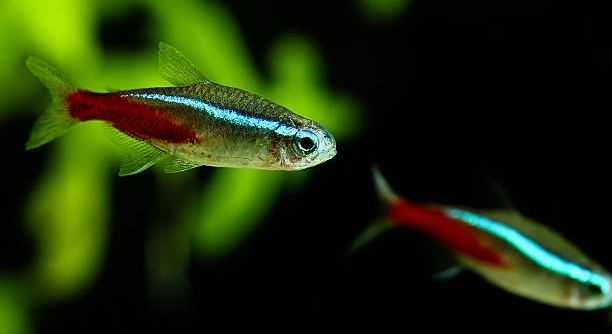
Are your tetra fish showing signs of stress or illness? Keeping their water clean is essential for their health and well-being. Many aquarium owners struggle to recognize when the water quality starts to decline.
Poor water quality in tetra tanks often results from insufficient filtration, overfeeding, or infrequent water changes. Contaminants and waste buildup can harm fish health, leading to illness or death if not addressed promptly and properly.
Recognizing these signs early can help protect your fish and maintain a healthy tank environment. This article will guide you through key indicators of unclean tetra water.
Cloudy or Discolored Water
When the water in your tetra tank appears cloudy or changes color, it usually means something is off with the water quality. Cloudiness can come from bacteria blooms, leftover food, or fish waste that hasn’t been cleaned out. If the water looks green, it might be due to algae growth caused by too much light or excess nutrients. Discolored water can also result from tannins released by driftwood or leaves in the tank, which can tint the water brown. While tannins aren’t always harmful, they can indicate organic material buildup that needs attention. Keeping the water clear is important because cloudy or colored water reduces oxygen levels and makes it harder for fish to breathe. Regular water testing and maintenance can prevent these problems and keep the tank healthy.
Consistent water changes and proper filtration are the best ways to restore clarity and prevent discoloration in your tetra tank.
Keeping the water clear helps your fish stay healthy and active. Cloudy or colored water often means the tank needs cleaning or better filtration. Simple steps like regular water changes, avoiding overfeeding, and using a good filter can fix these issues quickly and keep the environment safe for your tetras.
Unusual Fish Behavior
When tetras start acting strangely, it can be a sign their water is not clean enough. Fish may swim erratically, hide more often, or gasp for air near the surface. These behaviors often point to low oxygen levels or toxins in the water. Poor water quality stresses fish, weakening their immune systems and making them more vulnerable to disease. If you notice your tetras are less active or losing their usual bright colors, it’s time to check the water conditions.
Fish behavior is one of the easiest ways to notice water problems early, before serious health issues develop.
Fish behavior reflects the tank’s health. Stressful water conditions can make tetras sluggish, hide constantly, or show rapid breathing. These signs often mean ammonia or nitrite levels are too high, or the pH is off balance. Stress can also cause loss of appetite and faded colors. Fixing water quality means testing parameters and performing water changes. Regular maintenance can reduce stress and keep your fish lively and colorful. Observing your fish closely gives you a good early warning system to prevent long-term damage to your tetra tank’s ecosystem.
Foul Odor from the Tank
A strong, unpleasant smell coming from your tetra tank is a clear sign that the water isn’t clean. This odor usually means waste and leftover food are decomposing.
Waste buildup in the tank releases ammonia and other harmful chemicals that produce bad smells. This environment is dangerous for tetras because ammonia can cause gill damage and stress. If the smell is strong, it means the tank needs immediate cleaning. Regular water changes and proper filtration can reduce odor and keep the water safe. Avoid overfeeding, as excess food rots and worsens the smell. Proper tank maintenance helps prevent these problems and keeps the aquarium fresh.
Ignoring foul odors risks your fish’s health. A clean, odor-free tank promotes healthy fish and a more pleasant space for you.
Excessive Algae Growth
Excess algae growth in your tetra tank can signal poor water conditions, such as high nutrient levels or too much light. This can unbalance the tank’s ecosystem and harm your fish.
Algae thrive when there is too much nitrate and phosphate in the water. These nutrients often come from fish waste, decaying plants, and leftover food. Excess light, especially direct sunlight or long periods of artificial light, encourages algae blooms. While some algae are normal, too much can reduce oxygen levels and block light needed by live plants. This stresses your tetras and can lead to health problems. Regular water changes, controlling feeding, and adjusting light exposure help keep algae under control and maintain a healthy environment for your fish.
Fish Showing Physical Signs of Stress
Visible changes like faded colors, torn fins, or spots can mean the water quality is poor. These signs indicate stress or illness caused by harmful water conditions.
Such physical symptoms often result from ammonia or nitrite poisoning. Clean water and good filtration are necessary to prevent these issues and keep your tetras healthy.
Uneaten Food and Debris in the Tank
Leftover food and debris that settle at the bottom pollute the water quickly. This waste breaks down, producing toxins that harm your fish.
Regularly removing uneaten food and cleaning the substrate prevents buildup and maintains water quality. Feeding smaller amounts can also reduce waste.
Frequent Algae Scraping Needed
If you find yourself cleaning algae off the tank walls often, it suggests an imbalance in water quality or lighting. Excess algae is a sign the tank environment needs attention.
FAQ
How often should I change the water in my tetra tank?
Water changes are essential for keeping your tetra tank clean. Generally, changing 20-25% of the water every week is a good practice. This helps remove waste and toxins before they build up to harmful levels. If your tank is small or heavily stocked, more frequent changes may be needed.
What type of filter is best for a tetra aquarium?
A filter that provides both mechanical and biological filtration works best. Mechanical filtration removes debris, while biological filtration helps break down harmful ammonia and nitrites. A sponge filter or a hang-on-back filter are popular choices for tetra tanks, as they maintain good water flow without stressing the fish.
Why does my tank water get cloudy after a water change?
Cloudy water after a change is often caused by a bacterial bloom. This happens when beneficial bacteria multiply quickly in response to fresh water and nutrients. It usually clears up within a day or two if the tank is stable. Avoid overcleaning the filter or substrate to prevent disturbing the bacterial colonies.
Can overfeeding affect water quality?
Yes, overfeeding is a common cause of poor water quality. Uneaten food decomposes and releases ammonia, which is toxic to fish. Feed your tetras small amounts they can finish in a few minutes, and remove any leftovers promptly to avoid water pollution.
How do I test the water quality?
Water testing kits are available at pet stores and online. Test for ammonia, nitrite, nitrate, and pH regularly. Ideal ammonia and nitrite levels are zero, nitrate should be low (below 20 ppm), and pH should suit your tetra species, usually between 6.5 and 7.5. Regular testing helps catch problems early.
What causes algae to grow so fast?
Excess nutrients like nitrates and phosphates, combined with too much light, fuel algae growth. Algae can quickly take over if the tank isn’t cleaned regularly or if feeding is excessive. Managing light exposure and doing frequent water changes helps control algae.
Is it safe to add plants to my tetra tank?
Live plants can improve water quality by absorbing nitrates and providing oxygen. They also give fish places to hide, reducing stress. Just make sure to choose plants that thrive in the same water conditions as your tetras, and maintain them to prevent decay.
How do I remove foul odors from the tank?
Regular water changes and cleaning the substrate and decorations help reduce odors. Avoid overfeeding and remove uneaten food quickly. If the smell persists, check your filter and clean or replace it if necessary. Good tank maintenance keeps odors under control.
What should I do if my tetras show signs of illness?
First, test the water to check for poor conditions. Clean water is the best treatment for most issues. If symptoms continue, consider consulting a vet or aquarium specialist. Quarantine sick fish to prevent spreading disease and maintain a stable, clean environment.
How can I prevent cloudy water?
Regular maintenance is key. Avoid overfeeding, perform routine water changes, and ensure your filter is working properly. Avoid sudden large water changes, which can upset the tank’s balance. Keeping the tank stable helps prevent bacterial blooms that cause cloudiness.
Keeping your tetra tank water clean is very important for the health and happiness of your fish. Clean water helps prevent diseases and keeps your tetras active and colorful. By paying attention to signs like cloudy water, bad smells, or unusual fish behavior, you can catch problems early and fix them before they become serious. Regular tank maintenance, such as changing the water, cleaning the filter, and removing leftover food, plays a big role in keeping the water safe for your fish.
It is easy to forget how small changes in the tank can affect your tetras. Even small amounts of uneaten food or waste can build up quickly and cause water quality to drop. Overfeeding is a common mistake that leads to many water problems. By feeding your fish the right amount and not letting food sit too long in the tank, you can reduce these risks. Using a good filter and doing weekly water changes help keep the water clear and healthy. Watching your fish closely also helps, since changes in their behavior or appearance often point to water issues.
Taking the time to care for your tetra tank water will pay off with healthier, happier fish. Clean water creates a better environment that supports your tetras’ natural behavior and growth. The steps needed are not difficult, but they require consistency. By sticking to simple habits like testing the water, feeding carefully, and cleaning regularly, you will avoid many common problems. A well-maintained tank provides a beautiful and safe home for your tetras, making it more enjoyable for both the fish and you.

Hello,
If you enjoy the content that we create, please consider saying a "Thank You!" by leaving a tip.
Every little bit helps us continue crafting quality advice that supports the health, happiness, and well-being of pets around the world, for pets of all shapes, sizes, and species.
We really appreciate the kindness and support that you show us!