
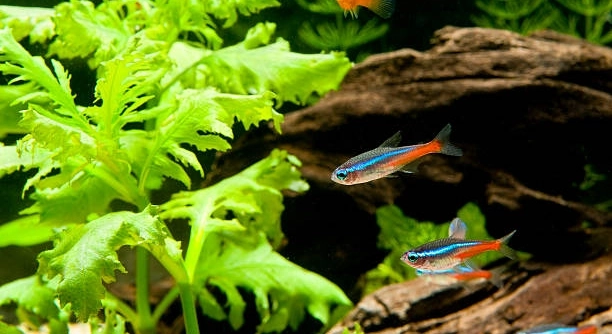
Are your tetras showing unusual behavior in the aquarium? Observing the dynamics within your fish tank can reveal important signs about their social structure. Recognizing these behaviors early helps maintain a balanced environment for all your aquatic pets.
A dominant tetra asserts control by displaying aggressive behavior, frequent chasing, and occupying prime swimming areas. These actions establish a hierarchy, influencing the group’s social interactions and resource access within the tank. Understanding these signs aids in managing tank harmony.
Knowing how to spot dominance in your tetras will improve your aquarium care. This article outlines clear indicators to help you maintain peace and order in your tank.
Increased Aggression and Chasing
When a dominant tetra takes over, its aggression becomes noticeable. It may repeatedly chase other fish, especially the smaller or weaker ones. This chasing is not playful; it serves to establish control and remind others of the hierarchy. The dominant fish often flares its fins and adopts a more rigid posture to intimidate tank mates. This behavior can cause stress and sometimes injury to the less dominant fish, affecting their health and appetite. Over time, the aquarium environment can feel tense, with constant movement to avoid the dominant tetra. It’s important to monitor these interactions to prevent harm and ensure all fish have access to food and space. Watching closely for these signs early can help prevent further problems.
Dominant tetras use aggression to secure their place, often at the expense of the others’ well-being.
Stress caused by aggressive behavior can weaken your fish’s immune system, making them more vulnerable to disease and reducing their lifespan. Keeping aggression under control is key to a healthy aquarium.
Controlling Prime Territory
Dominant tetras often claim the best spots in the tank, such as near food sources or favorite hiding places. This control limits access for other fish, which may lead to uneven feeding and increased competition. The dominant fish patrols these areas frequently, pushing others away. This territorial behavior reinforces its rank and discourages challenges. When a tetra controls the prime territory, the tank’s social balance shifts, often leading to isolation of some fish. This can cause a decline in their overall condition, as stress and limited resources take a toll. Recognizing this behavior helps aquarium keepers intervene, perhaps by rearranging decorations or increasing hiding spots to reduce tension.
Territorial control is a clear sign that a dominant tetra is influencing tank dynamics.
Creating multiple feeding zones and adding more plants or decorations can help reduce stress by giving less dominant fish safe spaces. This adjustment often restores balance and improves overall tank harmony.
Changes in Feeding Behavior
Dominant tetras often eat first and may even steal food from others. This behavior can leave less assertive fish undernourished.
The dominant tetra’s control over feeding times is a direct way to maintain its rank. It quickly rushes to the food when it is added to the tank, sometimes chasing others away. This behavior may cause weaker fish to miss meals, affecting their growth and energy. If you notice some fish avoiding feeding areas or looking thinner, dominance could be the reason. Ensuring multiple feeding spots can help distribute food more evenly among the group.
Feeding time becomes a competition when a dominant tetra controls the food supply. This may require adjustments in feeding practices. Spreading food across the tank encourages equal access, allowing all fish to eat without fear.
Visible Stress in Subordinate Fish
Signs of stress in less dominant fish include hiding, reduced movement, and dull coloration. These behaviors indicate they feel threatened.
Stress weakens the immune system and reduces the fish’s overall well-being. Subordinate fish may isolate themselves or hide behind plants and decorations to avoid the dominant tetra. This constant stress can lead to illness or even death if not addressed. Monitoring behavior closely can help catch stress early. Providing ample hiding spaces and ensuring a peaceful environment improves the health of all tank inhabitants and reduces aggressive encounters.
Addressing stress is crucial to maintaining a healthy aquarium. Taking steps to limit dominance helps create a balanced and calm environment where all fish can thrive.
Frequent Display of Fin Flaring
Dominant tetras often flare their fins to appear larger and more intimidating. This is a common way to assert dominance.
This fin flaring can increase tension in the tank. Other fish may respond by trying to avoid the dominant individual to reduce conflict.
Reduced Social Interaction Among Fish
When a dominant tetra takes over, other fish may reduce their social behaviors. They tend to keep to themselves and avoid group swimming.
This change in social interaction can affect the overall harmony of the tank. Fish rely on social behaviors for mental stimulation, and disruption can lead to stress or boredom.
Increased Restlessness and Movement
A dominant tetra may swim more actively and patrol the tank continuously. This behavior keeps other fish on edge and restricts their movement.
Changes in Color Intensity
Dominant tetras often show brighter, more intense colors. This visual cue reinforces their rank within the group.
How can I tell if a tetra is truly dominant or just being playful?
Dominant tetras show consistent aggressive behaviors like chasing, fin flaring, and territorial control, not occasional playful chasing. Playful behavior is usually brief and doesn’t cause other fish to hide or show stress. Dominance involves repeated actions that establish hierarchy and control over space and resources. Watching your fish over several days can help you distinguish between normal activity and true dominance. Persistent chasing, blocking access to food or hiding spots, and constant fin displays are clear signs of dominance rather than play.
What can I do to reduce aggression caused by a dominant tetra?
One effective way is to rearrange the tank decorations to break sight lines and create more hiding spaces. Adding plants, rocks, or caves gives less dominant fish places to retreat. Increasing the tank size can also reduce territorial disputes by providing more room. Feeding multiple spots simultaneously can prevent food monopolization. Sometimes, adding more fish of similar size can spread aggression, but overcrowding should be avoided. If aggression persists, separating the dominant fish temporarily may be necessary to restore balance.
Is it harmful for other fish if one tetra is dominant?
Yes, dominance can cause stress, which weakens the immune systems of subordinate fish, making them more prone to illness. Constant chasing and limited access to food can lead to poor growth and injuries. Over time, this can reduce the overall health and lifespan of the less dominant fish. Maintaining a balanced environment with minimal aggression is crucial for the well-being of all tank inhabitants.
Can dominance in tetras be beneficial for the tank environment?
To some extent, a natural hierarchy can help maintain order, reducing constant fighting among all fish. Dominant behavior may establish clear social roles and reduce random aggression. However, if one fish becomes overly aggressive and controls resources, it becomes harmful. Balance is key, where no single fish completely overwhelms others. Observing and managing dominance ensures it does not negatively impact the tank’s harmony.
How can I encourage peaceful coexistence among tetras?
Providing plenty of hiding places and visual barriers helps reduce direct confrontations. Feeding the tank evenly and frequently prevents competition over food. Maintaining proper tank size is important to allow enough space for all fish. Introducing a larger school of tetras can spread out aggression but requires careful monitoring. Choosing compatible species and avoiding overcrowding also reduces stress and aggressive behavior. Regular observation helps identify issues early, allowing timely intervention.
When should I consider separating the dominant tetra from the group?
If aggression causes injury, constant stress, or prevents other fish from eating and resting, separation is recommended. Signs include damaged fins, hiding for long periods, and weight loss among subordinate fish. Temporary separation can help calm the tank and protect vulnerable fish. Use a separate tank or a divider until the dominant tetra’s behavior improves or until you decide on long-term solutions like rehoming or adjusting tank size.
Will the dominance behavior decrease over time?
Sometimes dominance decreases as social hierarchies settle and fish establish stable roles. However, in many cases, dominant behavior persists, especially in smaller tanks or crowded conditions. Stress and aggression may increase if the environment does not support peaceful coexistence. Managing tank conditions and population is essential to control ongoing dominance. Regular monitoring and environmental adjustments help maintain long-term balance.
Does the gender of the tetra affect dominance behavior?
Both male and female tetras can display dominance, but males are generally more territorial and aggressive. Dominance is more about individual temperament than gender alone. Some females may also show strong control over territory or food. Observing interactions rather than assuming based on gender gives a clearer picture of hierarchy. Tank conditions, group size, and species traits also influence dominance behavior.
Can adding more tetras reduce dominance issues?
Adding more fish can sometimes dilute aggression by spreading it across several individuals. A larger group encourages schooling behavior, which can lessen individual confrontations. However, overcrowding may cause stress and worsen aggression if the tank is too small. It’s important to ensure the tank size and filtration support additional fish. Gradual introductions and careful monitoring help prevent new dominance problems.
How does tank size influence dominance among tetras?
Smaller tanks increase competition for limited space and resources, intensifying dominance behavior. Larger tanks provide more room for fish to avoid each other and establish territories without constant conflict. Proper tank size reduces stress and aggression, promoting a peaceful environment. For most tetra species, a minimum of 20 gallons is recommended for a small group, with more space needed as the group grows.
What role does diet play in managing dominant tetra behavior?
Feeding quality food and distributing it evenly reduces competition and aggression during feeding times. Hungry fish are more likely to fight over food, so regular, sufficient feeding helps. Providing variety also supports overall health, making fish less prone to stress. Observing feeding behavior helps identify if the dominant tetra is preventing others from eating, signaling the need for changes in feeding methods.
Are there specific species of tetra more prone to dominance?
Some species, like the Serpae tetra and Black skirt tetra, are known for more aggressive behavior. Others, such as Neon or Cardinal tetras, tend to be peaceful and less likely to dominate. Knowing species traits before setting up your tank helps prevent future dominance problems. Mixing highly aggressive species with peaceful ones is not recommended, as it can lead to stress and injury. Researching each species’ temperament supports a harmonious community tank.
Managing a dominant tetra in your aquarium requires attention and care. Recognizing the signs early helps you maintain a peaceful tank environment where all fish can thrive. Aggression, territorial behavior, and control over feeding are clear indicators that one tetra is taking charge. These behaviors affect the well-being of other fish, causing stress and sometimes injury. Addressing these issues promptly is important for the health of the entire group.
Simple changes in tank setup can reduce tension caused by a dominant fish. Adding plants, rocks, and hiding spots gives less dominant fish places to rest and escape. Feeding food in multiple spots helps ensure everyone gets enough to eat without competition. Sometimes rearranging decorations or increasing tank size can break up established territories and calm aggressive behavior. These adjustments make a big difference in creating a more balanced aquarium.
It is important to remember that dominance is a natural part of fish behavior but should not harm the group. Monitoring your fish regularly and understanding their interactions allows you to take action when necessary. If aggression becomes severe, separating the dominant fish or adjusting the community may be needed. With patience and proper care, you can keep your aquarium peaceful and healthy for all its inhabitants.

Hello,
If you enjoy the content that we create, please consider saying a "Thank You!" by leaving a tip.
Every little bit helps us continue crafting quality advice that supports the health, happiness, and well-being of pets around the world, for pets of all shapes, sizes, and species.
We really appreciate the kindness and support that you show us!