How to Breed Tetra Without Special Equipment (7 Tips)
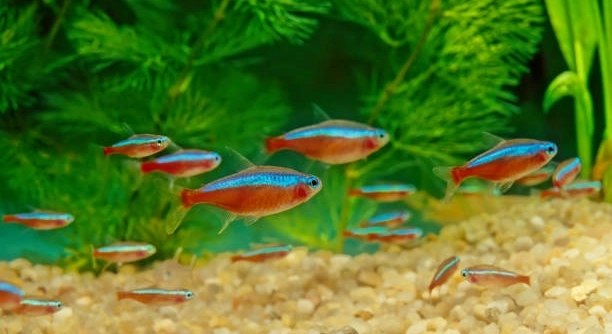
Have you ever tried breeding tetras at home but felt unsure about what you truly need to get started? You might be surprised to learn that it doesn’t always require fancy tools or expensive setups to see results. Breeding tetras without special equipment is possible by mimicking their natural environment, using proper lighting, maintaining clean … Read more

7 Misunderstandings About Tetra Schooling

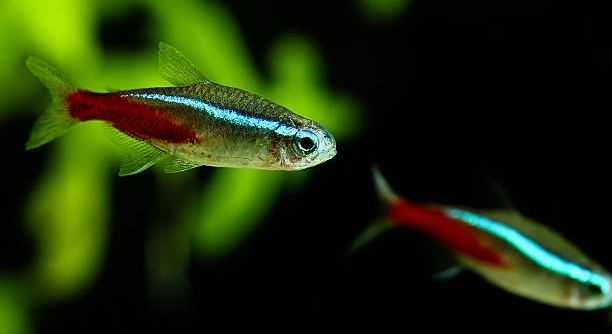
Do your tetras seem unsettled in their tank, even though you’ve done everything to create a peaceful, community-friendly environment? Many fishkeepers misunderstand the needs of tetra schooling, leading to common mistakes that affect their health and behavior. Tetras require consistent group sizes, compatible tank mates, and proper space to thrive harmoniously. This article explores the … Read more

Why Are My Tetra Ignoring Each Other?

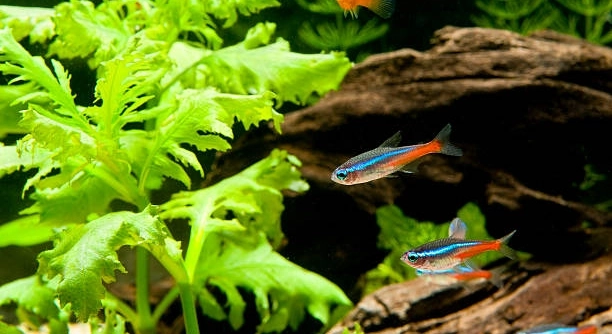
Tetras are popular freshwater fish known for their lively colors and peaceful nature. Sometimes, however, they seem to ignore each other in the tank, which can feel confusing for hobbyists. Understanding their behavior helps create a better environment for these fish. Tetras ignoring each other usually results from stress, lack of proper schooling conditions, or … Read more

7 Bad Habits That Stress Tetra Without You Knowing

Are your tetras acting strange, hiding more than usual, or refusing to eat even though everything seems normal in their tank? Subtle mistakes in care can sometimes lead to stress without you realizing what’s causing it. Tetras often experience stress due to improper tank conditions, poor feeding habits, and unnoticed environmental disturbances. These stressors may … Read more

7 Signs You Need a Bigger Tank for Your Tetra

Are your tetras acting oddly, swimming frantically, or gathering in tight corners more than usual? You might be wondering what’s causing this sudden change. Sometimes, the answer is as simple as tank size. The most common signs that indicate your tetras need a bigger tank include erratic swimming, lack of space to school properly, territorial … Read more

How to Handle a Tetra Tank Crash (7 Emergency Steps)

Tetra tanks are a popular choice for aquarium enthusiasts, but crashes can happen unexpectedly. These sudden drops in water quality or temperature can harm your fish and plants quickly. Knowing how to act fast can save your tank from serious damage. Handling a Tetra tank crash requires immediate steps to stabilize water parameters and protect … Read more

7 Ways to Prepare a Tetra Tank for Vacation

Caring for a Tetra tank means ensuring the fish stay healthy, especially when you need to leave for vacation. Proper preparation helps maintain water quality and keeps your fish safe during your absence. Planning ahead reduces stress for both you and your pets. Preparing a Tetra tank for vacation involves steps like feeding adjustments, water … Read more

How to Adjust Water Flow for Tetra (7 Tips)

Are your Tetra fish swimming in water that feels too strong or too weak? Adjusting the water flow in your aquarium is important for their health and comfort. Proper flow creates a balanced and safe environment for these small fish. Controlling water flow for Tetra fish involves regulating the filter’s output and using flow adjusters. … Read more

Can Tetra Adapt to Brackish Water? (7 Insights)

Do you ever wonder if tetra fish can live comfortably in brackish water? Many aquarium enthusiasts consider mixing freshwater and saltwater environments. Understanding how tetras respond to such changes helps in creating a suitable habitat for them. Tetras generally prefer freshwater and have limited tolerance to brackish water. While some species may survive in mildly … Read more

How to Spot Nutritional Deficiency in Tetra (7 Signs)

Are your tetras looking dull or acting differently in the tank? Many fish owners struggle to spot signs of nutritional deficiency early. Proper nutrition is key to keeping your tetras healthy and vibrant. Nutritional deficiency in tetras can be identified by seven common signs: faded colors, lethargy, poor growth, loss of appetite, fin damage, abnormal … Read more