
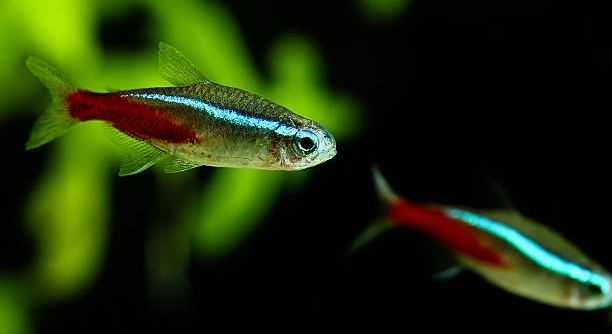
Have you ever tried breeding tetras at home but felt unsure about what you truly need to get started? You might be surprised to learn that it doesn’t always require fancy tools or expensive setups to see results.
Breeding tetras without special equipment is possible by mimicking their natural environment, using proper lighting, maintaining clean water, and choosing healthy pairs. Consistency and observation are key to supporting the spawning process in a simple home setup.
With a few thoughtful changes and the right conditions, your tetras can breed successfully. These tips can help you take the first step with confidence.
Choose Healthy, Mature Tetras
Start by selecting a healthy male and female tetra. Males are usually slimmer with more vibrant colors, while females are rounder, especially when full of eggs. Always watch their behavior. A good pair will be active, responsive, and not aggressive. It helps to observe them during feeding to check their appetite and alertness. You can keep them in a community tank until you’re ready to condition them. Avoid choosing fish that look dull or lethargic. If they are young, wait a few weeks before trying to breed them. You want fish that are mature enough to reproduce but not too old to struggle. Always avoid inbreeding—choose tetras from different sources if possible. Good genetics will increase your chances of success and produce stronger fry.
Healthy parents create stronger offspring and are more likely to spawn in a basic setup. Skipping this step often leads to failed attempts.
Once you’ve chosen the right pair, condition them with high-quality food like frozen bloodworms or daphnia. Feed them twice a day in small amounts. This helps trigger the breeding instinct and encourages the female to produce eggs. After about a week of this routine, you can separate them from the main tank. Move them to a clean container with soft, slightly acidic water. Use a sponge filter if available, but it’s not essential. Add some live or artificial plants to give the female a safe space to scatter her eggs. Keep the water temperature stable around 78°F. If they’re ready, the male will chase the female, and she’ll scatter eggs for him to fertilize. Remove the adults after spawning to protect the eggs from being eaten.
Keep the Water Clean and Stable
Poor water conditions can stop tetras from breeding and may even kill the eggs. Always start with clean, dechlorinated water.
When breeding without equipment, water stability becomes even more important. Since you may not be using heaters or filters, make sure to place the breeding container in a quiet, temperature-stable room. Avoid direct sunlight, which can quickly heat the water and create sudden changes. Check the water daily for any cloudiness or smell. Doing small water changes every other day helps keep it clean. Make sure the water stays soft (low mineral content) and slightly acidic, as this matches the conditions tetras prefer when spawning. You can use natural items like almond leaves or peat moss to lower the pH, but only if you’re comfortable doing so. It’s also okay to use plain conditioned tap water, as long as it’s consistent. Stability matters more than perfection. Don’t feed the adults too much, as uneaten food can quickly spoil the water and ruin the breeding attempt.
Use Natural Lighting and Simple Cover
Tetras don’t need strong artificial lights to breed. In fact, soft, natural lighting often works better. Place the breeding container near a window with indirect light, but avoid placing it in direct sunlight.
Bright lights can stress the fish and make them feel unsafe. Natural daylight keeps things calm and creates a more natural environment for the pair. If your room stays dark, use a weak desk lamp placed a few feet away from the tank. You can also dim the area slightly with a thin towel draped over part of the tank—just make sure there’s still some light coming in. To help the female feel safe, add floating plants or even a small piece of plastic mesh on the surface. The goal is to create a shaded, quiet space where the pair feels secure enough to spawn. Don’t add too many decorations or crowd the container.
Keep it simple with just a few plants or a spawning mop. These give the female somewhere to lay her eggs and help keep the male from chasing her constantly. Live plants like Java moss are helpful but not required. Artificial options also work fine if you rinse them well before use. Stick to items that are soft, so they won’t damage eggs or stress the fish. A clear, open space in the center of the tank gives the tetras room to swim and perform their breeding behavior. The simpler the layout, the easier it is to monitor what’s happening. Avoid colorful gravel or bright decorations—they’re not necessary and can distract the fish. A bare-bottom setup is ideal for spotting eggs and keeping things clean without special equipment.
Remove the Adults After Spawning
Once the female lays eggs and the male fertilizes them, take both adults out right away. Leaving them in the tank will likely result in the eggs being eaten. Use a small net and move them gently to avoid stirring the water too much.
Eggs are usually scattered on the bottom or caught in plants. Check closely and avoid touching them. If you see clear, round eggs, they’re probably fertilized. White or fuzzy ones usually won’t hatch. You don’t need to remove bad eggs unless they start to mold and affect nearby healthy ones.
Keep the Temperature Consistent
Tetra eggs need steady warmth to hatch. Aim for around 78°F and avoid quick changes. If your home is too cool, wrap the container in a towel for insulation. Keep it in a quiet area, away from fans or vents. Stable room conditions can be enough to avoid needing a heater.
Watch for Hatching Signs
Fertilized eggs will hatch in about 24 to 36 hours. You might notice tiny tails wiggling as they develop. Keep the tank dark during this stage, since light can harm the eggs.
FAQ
Can I breed tetras in a small tank without a filter?
Yes, you can breed tetras in a small tank without a filter if you keep the water clean and stable. Use a small container or tank around 5 to 10 gallons. Do regular partial water changes every other day with dechlorinated water. Avoid overfeeding and remove uneaten food right away. A sponge filter is helpful but not necessary if you’re careful. Keeping the tank in a quiet, stable-temperature room can reduce stress for the fish. Clean water and calm surroundings matter more than equipment when breeding tetras in a basic setup.
What kind of water do tetras need to breed?
Tetras prefer soft, slightly acidic water for breeding. Aim for a pH around 6.0 to 6.5 and a temperature of about 78°F. Use dechlorinated tap water or mix it with distilled water if your tap water is too hard. Some people add almond leaves or a bit of peat moss to gently lower the pH, but this is optional. The key is consistency. Sudden changes in temperature or water chemistry can stop the pair from spawning or harm the eggs. Even without testing kits, you can still succeed by keeping things stable and observing your fish closely.
How do I know if my tetras are ready to breed?
You’ll notice the female getting rounder with eggs, and the male becoming more colorful and active. He may chase her gently around the tank. This is a sign they are close to spawning. Feeding them high-protein foods like daphnia or bloodworms can help trigger this behavior. If the female looks swollen for days and the male stays uninterested, they may not be ready yet. Make sure both fish look healthy and active. Sometimes, it helps to separate the pair for a day or two and then reintroduce them to encourage interest and stimulation.
What do tetra eggs look like?
Tetra eggs are very small, round, and usually clear or slightly yellow. They often stick to plants, mops, or the tank bottom. If the eggs turn white or fuzzy, they may not be fertilized or are starting to mold. Fertilized eggs should stay clear and firm. It’s common to have a mix of good and bad eggs, especially in a basic setup. Avoid touching the eggs or stirring the tank water too much. Just observe and remove the parents once you see eggs to keep them safe.
Do I need to feed the fry right away?
No, not right away. Tetra fry absorb their yolk sacs for the first few days after hatching, which gives them the energy they need. Once they become free-swimming, usually around day 3 or 4, you can start feeding them. Infusoria or liquid fry food works best at first, as the fry are extremely small. After a week, you can start offering freshly hatched baby brine shrimp or crushed flakes. Feed small amounts a few times a day and keep the water clean. Uneaten food can quickly spoil a small tank and harm the fry.
Can I breed more than one pair at a time?
Yes, but only if you have enough space. Breeding multiple pairs in the same tank can lead to competition, stress, and egg eating. If you’re using a larger container and feel comfortable observing them closely, you can try two pairs. Be sure to add more cover like plants or spawning mops to give females places to hide. It’s easier and more controlled to breed one pair at a time, especially without equipment. Once you get used to the process, you can experiment with larger setups if you want to raise more fry.
How long does it take for the fry to grow?
Tetra fry grow slowly at first. After hatching, they need about 4 weeks before they start showing shape and color. Around 8 weeks, you can begin to tell males from females in most species. They’ll still be small but will become more active and easier to feed. Growth depends on food quality, water conditions, and space. Overcrowding can slow development. Try to move them to a larger tank once they outgrow the breeding container. Keep feeding several times a day with fine, nutritious foods to support steady growth.
What’s the easiest type of tetra to breed?
Neon tetras are popular but not the easiest to breed at home. Glowlight and ember tetras are often more forgiving when using a basic setup. These species adjust better to small tanks and are less sensitive to slight changes in water. Still, success depends on the individual fish, their health, and how consistent you are with care. Try starting with a hardy pair and follow the same tips. Once you get comfortable, you can try breeding more delicate species. Keeping things simple and consistent is what makes it work.
Final Thoughts
Breeding tetras without special equipment is very possible when you keep things simple and pay attention to the basics. Clean water, stable temperature, and a calm space matter more than fancy tools. Many people feel unsure about trying it, but you don’t need to spend a lot or set up a full fish room. With just a small container, soft lighting, and a healthy pair of fish, you can see results. Watching the process from courtship to hatching can be rewarding. It takes patience, but once you see the tiny fry swimming around, it all feels worth it.
It helps to start with a strong pair. Healthy tetras that are well-fed and active have a better chance of spawning successfully. Good food, like frozen bloodworms or daphnia, gives them the energy they need. After spawning, removing the adults is one of the most important steps. Tetras don’t protect their eggs or fry. Leaving them in the same tank usually leads to the eggs being eaten. If you can catch the signs early and act quickly, you’ll protect the next stage of growth. This part may feel tricky at first, but you’ll get more comfortable with it over time.
Raising fry without filters or heaters takes close attention, but it’s not impossible. You can insulate the tank with towels and change the water carefully to avoid spikes. Fry grow slowly, and feeding them tiny food multiple times a day makes a big difference. Watching them change from almost invisible dots into small fish with color is part of the experience. Even if a few things go wrong, each attempt helps you learn more. Breeding tetras on a small scale doesn’t need to be perfect to be successful. If you stay consistent, keep things clean, and observe your fish closely, you can enjoy the process with simple tools and little stress. It’s about learning what works in your space, not copying a perfect setup. Keep it quiet, keep it steady, and let the tetras do the rest.

Hello,
If you enjoy the content that we create, please consider saying a "Thank You!" by leaving a tip.
Every little bit helps us continue crafting quality advice that supports the health, happiness, and well-being of pets around the world, for pets of all shapes, sizes, and species.
We really appreciate the kindness and support that you show us!