
Do your tetras seem unsettled in their tank, even though you’ve done everything to create a peaceful, community-friendly environment?
Many fishkeepers misunderstand the needs of tetra schooling, leading to common mistakes that affect their health and behavior. Tetras require consistent group sizes, compatible tank mates, and proper space to thrive harmoniously.
This article explores the most frequent misconceptions and offers simple guidance to help your tetras live comfortably and display their natural schooling behavior.
Tetras Don’t Just Like Company — They Need It
Tetras are schooling fish, and that means they rely on the presence of their own kind to feel safe and behave normally. Keeping only two or three often leads to stress and erratic swimming. In small groups, tetras may hide, show faded colors, or even nip at others. A proper school typically means six or more of the same species. This number allows them to move together in a coordinated way, offering comfort and protection. It also helps prevent aggressive behavior and improves their overall well-being. Adding a few more of the same species can immediately change their behavior for the better. If your tetras are acting anxious or constantly hiding, the first thing to check is whether they have enough companions in the tank.
A lonely tetra is not just bored — it’s anxious and insecure. Group size plays a critical role in how these fish interact and thrive.
Maintaining the right group dynamic means your tetras can swim confidently, show vibrant colors, and behave naturally. The tank becomes calmer, and feeding time is easier as they compete less and settle into a pattern. By mimicking their natural environment, you’re creating a space where they can show their best side. That’s something worth paying attention to.
Not All Tetras Mix Well
It’s easy to assume that all tetras get along, but not every type should be kept together.
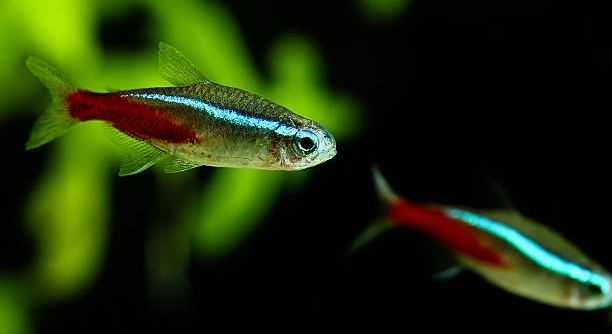
Some species have different temperaments, and forcing them into the same space can cause issues. For example, black skirt tetras tend to be more assertive, while neon tetras are peaceful and easily stressed. When these types are housed together, the calmer fish may be harassed or outcompeted during feeding. Tetras also vary in size and swimming habits. Faster, more active species may dominate, leaving others overwhelmed. Choosing the wrong mix can make the tank feel tense and unbalanced. It’s best to keep similar species together or ensure that each type has enough of its own kind to form a comfortable group.
A peaceful tank starts with thoughtful planning. Match tetras by temperament, speed, and size, and avoid combining bold varieties with shy ones. If mixing species, observe their interactions closely and be prepared to separate them if needed. This careful attention makes a big difference in keeping a balanced environment.
Tetras Need More Than Just Open Space
Tetras enjoy open swimming areas, but they also need hiding spots to feel secure. Plants, driftwood, and decorations help reduce stress by offering shelter. Without these, even a spacious tank can feel unsafe to them. A balanced setup supports both exploration and retreat.
A well-designed tank includes open areas for schooling and calm corners for rest. Live or artificial plants can be used to break up the space, helping shy fish stay out of sight when needed. Decorations like rocks or driftwood provide shaded areas where tetras feel safe, especially when startled. These additions don’t just make the tank more attractive—they promote natural behavior. Tetras will often dart into cover when something startles them, then return to swim freely once they feel secure. Even active fish appreciate quiet zones. It’s about creating a space that feels safe, not just spacious. That balance matters for a healthy, relaxed group.
Don’t overcrowd the tank with too many items, though. Over-decorating can make it hard for tetras to school properly. Use plants and decorations to frame the tank while leaving room in the center for movement. If the space is too cramped, schooling behavior breaks down, and your tetras may become territorial or withdrawn. Simplicity with purpose works best.
Feeding Time Isn’t Always Fair
Tetras may look peaceful, but feeding time can bring out competition. Faster or more dominant fish will often eat more, leaving smaller or shy ones behind. Uneven feeding leads to stunted growth or stress for the weaker fish.
To avoid this, spread food evenly across the tank. Using slow-sinking flakes or micro pellets can help reach all areas. Feed small amounts more than once a day if possible. Watching how the food is distributed can help you adjust based on which tetras are getting left out. If needed, target-feed specific groups to ensure every fish is nourished. A calm, even feeding routine supports group harmony and overall health. Balanced nutrition helps your tetras maintain energy, color, and immune strength. Small adjustments make a real difference when managing a busy tank with schooling fish.
Lighting Affects More Than Just Looks
Tetras prefer subdued lighting. Bright, harsh lights can make them feel exposed and cause stress. Using floating plants or dimmable lights helps create a calmer environment. Consistent light cycles also support healthy behavior and rest.
Sudden lighting changes can startle them. Always turn lights on and off gradually. This reduces panic and supports a stable routine.
Temperature Swings Can Stress Them Out
Tetras thrive in stable temperatures between 74°F and 78°F. Even minor shifts outside this range can affect their activity, appetite, and immunity. Sudden drops are especially harmful. A reliable heater and thermometer are essential to keep conditions steady. Avoid placing tanks near windows, vents, or electronics that create heat fluctuations. Regular monitoring helps prevent long-term problems.
Overstocking Makes Schooling Harder
Too many fish in one tank reduces swimming space and raises stress. Tetras need room to move as a group. Crowding causes poor water quality and leads to illness.
FAQ
How many tetras should be kept together?
Tetras should be kept in groups of at least six to support natural schooling behavior. Smaller groups cause stress and can lead to aggressive or shy behavior. Six or more helps them feel secure and interact normally.
Can different tetra species be kept in the same tank?
Yes, but only if the species have similar temperaments and sizes. Mixing aggressive tetras with peaceful ones can lead to bullying. Choose species with compatible behaviors and observe their interactions closely.
Do tetras need plants and decorations?
Yes, plants and decorations provide hiding places, reducing stress. They create safe spots and mimic the natural environment. However, don’t overcrowd the tank—leave enough space for swimming and schooling.
How should I feed my tetras?
Feed small amounts multiple times a day, spreading food evenly to avoid competition. Use flakes or pellets that sink slowly, so all fish get access. Monitor to make sure no fish is left hungry or stressed during feeding.
What lighting is best for tetras?
Soft, dim lighting works best. Bright lights can stress tetras. Floating plants or adjustable lights help create a calm environment. Consistent light cycles support natural rhythms and reduce anxiety.
What temperature should my tetra tank be?
Maintain water temperature between 74°F and 78°F. Sudden temperature changes can stress tetras. Use a reliable heater and thermometer to keep conditions stable. Avoid placing tanks near heat or cold sources.
Why is my tetra hiding a lot?
Hiding often means your tetra feels unsafe. This could be due to small group size, lack of hiding spots, or aggressive tank mates. Check group size, tank decorations, and fish compatibility to improve their comfort.
Can tetras live in a small tank?
Small tanks can work if you keep the right number of tetras and maintain water quality carefully. Overcrowding is the bigger problem. A 20-gallon tank or larger is usually best for schooling fish.
What signs show my tetras are stressed?
Stress signs include faded colors, erratic swimming, hiding, and loss of appetite. Addressing water quality, group size, and tank setup can reduce stress and help tetras recover.
Do tetras need a specific diet?
Tetras are omnivores and do well on a balanced diet of flakes, pellets, and occasional live or frozen foods. Variety helps keep them healthy and colorful. Avoid overfeeding to maintain water quality.
How often should I clean the tank?
Regular partial water changes of 20-30% weekly help maintain water quality. Clean decorations and plants gently if algae build up. Avoid disturbing the substrate too much to keep beneficial bacteria intact.
Is it okay to keep tetras with other fish?
Tetras can live with peaceful species that share similar water needs. Avoid aggressive or much larger fish that might harm them. Always research compatibility before adding new fish to the tank.
What causes tetra fin damage?
Fin damage often comes from poor water quality, aggression, or infections. Maintaining clean water, proper group size, and careful tank mates helps prevent this problem. Treat infections promptly if noticed.
How can I encourage natural schooling behavior?
Provide enough tank mates of the same species, ample swimming space, and stable environmental conditions. Avoid overcrowding or aggressive fish that disrupt the group dynamic. Good tank setup promotes schooling naturally.
Can tetras adapt to different water types?
Tetras prefer soft, slightly acidic water, but many species tolerate a range of conditions. Gradual acclimation helps them adjust. Monitor water parameters to avoid sudden changes that stress fish.
What should I do if one tetra dies?
Remove the dead fish quickly to prevent water contamination. Check water parameters and other fish for signs of illness. Maintain good water quality and observe the group for stress or disease.
How do I know if my tetras are breeding?
Tetras may lay eggs on plants or tank surfaces. Males often show brighter colors during spawning. Provide plenty of plants or spawning mops, and consider separating eggs or fry to protect them from adults.
Is a filter necessary for a tetra tank?
Yes, a good filter maintains water quality and circulation, which are vital for healthy tetras. Choose a filter that suits your tank size and avoid strong currents that stress the fish.
Why do my tetras chase each other?
Chasing can be a sign of establishing hierarchy, especially in small groups or when space is limited. If it becomes aggressive or causes injury, review group size and tank conditions to reduce stress.
How long do tetras live?
Tetras typically live 3 to 5 years, depending on species and care quality. Stable water conditions, proper diet, and group size help maximize their lifespan. Regular monitoring and maintenance support their health.
When keeping tetras, understanding their needs is essential for creating a healthy and comfortable environment. These small fish are social creatures that depend on a proper group size to feel secure and display natural behavior. Many common issues arise simply because the schooling requirements are not met. Tetras need enough companions to swim together and avoid stress caused by loneliness. This simple step alone can improve their color, activity, and overall health. Along with group size, attention to tank setup matters. A mix of open swimming areas and places to hide helps tetras feel safe and relaxed. Without adequate shelter, they may become anxious and hide more often, which affects their wellbeing. Proper lighting and stable temperature also contribute to a stress-free environment, supporting their natural rhythms and immune system.
Feeding is another important aspect that often causes misunderstandings. While tetras may seem easy to feed, uneven distribution of food can lead to competition and stress within the group. Slower or more timid fish may not get enough to eat if more aggressive individuals dominate feeding spots. Spreading food evenly and offering small amounts multiple times a day helps prevent this problem. Using sinking flakes or pellets can also make sure all fish have access to food at different tank levels. Keeping a close watch on how your tetras feed allows adjustments that promote fairness and reduce conflict. Careful feeding supports their health, coloration, and energy levels over time. A balanced diet with occasional live or frozen foods will further enhance their condition.
Lastly, avoiding common mistakes related to species compatibility and tank maintenance is key. Not all tetra species get along well, and mixing incompatible types can lead to bullying or stress. Matching species by temperament and size, or keeping only one species per tank, creates a more peaceful community. Overstocking reduces swimming space and water quality, both of which harm tetra health. Regular water changes and proper filtration keep the environment clean and stable. Paying attention to these details results in a thriving, vibrant group of tetras that behave naturally and add beauty to the tank. With careful care and thoughtful setup, tetras can live happily and show their schooling behavior as they do in the wild.

Hello,
If you enjoy the content that we create, please consider saying a "Thank You!" by leaving a tip.
Every little bit helps us continue crafting quality advice that supports the health, happiness, and well-being of pets around the world, for pets of all shapes, sizes, and species.
We really appreciate the kindness and support that you show us!