
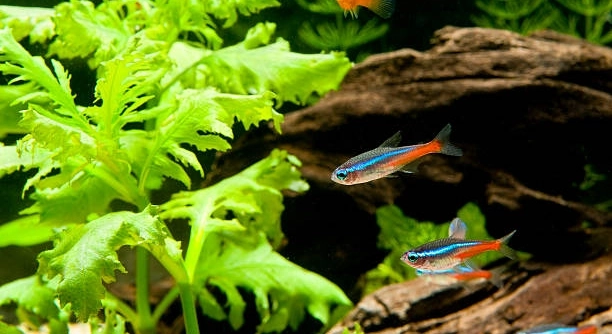
Tetra tanks are a popular choice for aquarium enthusiasts, but crashes can happen unexpectedly. These sudden drops in water quality or temperature can harm your fish and plants quickly. Knowing how to act fast can save your tank from serious damage.
Handling a Tetra tank crash requires immediate steps to stabilize water parameters and protect aquatic life. This includes removing harmful substances, adjusting temperature, performing water changes, and monitoring fish health to restore balance and prevent further stress.
Taking quick and effective action is essential to minimize loss and bring your tank back to normal. This guide will walk you through the key emergency steps you need to follow.
Recognizing the Signs of a Tetra Tank Crash
A sudden change in water clarity, unusual fish behavior, or the presence of a strong odor are common signs of a Tetra tank crash. Fish may become lethargic, gasp at the surface, or hide more than usual. Plants can start to wilt or turn brown. These symptoms usually indicate a rapid shift in water chemistry, such as a spike in ammonia or nitrites. It’s important to observe your tank closely every day. Early detection can prevent serious harm and give you a chance to act before the situation worsens. Monitoring water parameters regularly helps you spot any imbalances that may lead to a crash.
Identifying these early warning signs quickly allows you to take proper steps to protect your fish and plants.
Once you notice a tank crash, your first priority is to test the water for harmful chemicals. Use a reliable test kit to measure ammonia, nitrite, nitrate, pH, and temperature. This data guides your actions in correcting the environment. If ammonia or nitrites are elevated, a partial water change is necessary to dilute toxins. Lowering the water temperature gradually can reduce fish stress. Remove any dead or decaying matter to prevent further water quality decline. Aerate the tank by increasing surface agitation or adding an air stone. Keeping a close eye on your fish’s behavior after these steps is crucial. Regular testing over the next few days will confirm if conditions are improving or if further intervention is needed.
Immediate Water Change and Cleanup
Performing an immediate water change is essential to lower harmful substances quickly. Replace 25-50% of the water with treated, temperature-matched water to avoid shocking your fish. This reduces toxin levels and improves oxygen availability, giving your tank a better chance to recover.
Cleaning the tank by removing uneaten food, dead plants, and waste helps stop toxins from building up again. Use a gravel vacuum to clean the substrate gently without disturbing beneficial bacteria. This maintenance supports faster recovery and improves water clarity.
Using Water Conditioners and Stabilizers
Water conditioners neutralize harmful chemicals and make tap water safe for your tank. Adding these during water changes helps remove chlorine, chloramine, and heavy metals, which can stress fish further. Some conditioners also detoxify ammonia and nitrites, providing an extra layer of protection after a crash.
Stabilizers help balance pH and hardness, which can fluctuate during tank crashes. Maintaining stable water chemistry reduces stress on your fish and supports beneficial bacteria growth. Always follow product instructions carefully and avoid overdosing. Using conditioners and stabilizers as part of your emergency response creates a safer environment and speeds up recovery.
Stabilizing Temperature Quickly
Temperature changes can stress your Tetras further during a tank crash. Keep the water temperature steady between 72°F and 78°F, as sudden drops or rises may worsen their condition.
Use a reliable heater and thermometer to monitor and adjust temperature. If it’s too warm, add cool, treated water gradually. Avoid drastic shifts, as Tetras are sensitive to changes. Maintaining stable temperature helps reduce stress and supports recovery during the emergency.
If the tank temperature is too low, gently warm the water by increasing the heater setting or using a small external heater. Avoid overheating, which can lead to oxygen depletion. Always make changes slowly to avoid shocking the fish.
Increasing Aeration and Oxygen Levels
Oxygen is vital during a crash because stressed fish use more of it. Boosting aeration helps prevent suffocation and supports beneficial bacteria. Add an air stone or increase water surface agitation to improve gas exchange.
Higher oxygen levels ease fish breathing and speed up toxin breakdown. Be sure filters and pumps are working properly to keep water moving. Avoid overcrowding the tank, as it reduces oxygen availability. Regularly check aeration devices during recovery to ensure effectiveness and adjust if needed. Proper oxygenation can make a significant difference in stabilizing your tank.
Monitoring Fish Behavior Closely
Fish behavior shows how well they are coping with the crash. Watch for signs like gasping, lethargy, or hiding, which indicate stress.
Promptly note any changes to adjust your care. Early detection helps prevent further harm.
Avoiding Overfeeding During Recovery
Feeding less is important when the tank is unstable. Excess food breaks down and raises toxin levels. Offer small amounts once or twice daily. Feeding sparingly reduces waste and helps maintain better water quality during recovery.
Testing Water Daily
Regular testing of water parameters is critical to track recovery. Measure ammonia, nitrite, nitrate, and pH every day. This helps identify if further intervention is needed and guides your next steps. Consistent monitoring ensures the tank returns to safe levels promptly.
Quarantining Sick Fish
Separating sick fish reduces stress and prevents disease spread. Use a quarantine tank if possible to treat and observe affected fish safely away from the main tank.
FAQ
How long does it take for a Tetra tank to recover after a crash?
Recovery time varies depending on the severity of the crash and how quickly you respond. Minor crashes might improve within a few days with proper water changes and care. More severe crashes can take one to two weeks or longer. Consistent monitoring and maintenance are key to a full recovery.
Can I add chemicals to fix my tank quickly?
Some water conditioners can help neutralize toxins, but relying solely on chemicals is not enough. Emergency water changes and stabilizing temperature are more effective first steps. Use chemicals cautiously and follow product instructions to avoid harming fish or beneficial bacteria.
Is it safe to add new fish after a crash?
No, avoid adding new fish until your tank’s water parameters are stable and healthy. Introducing new fish during or shortly after a crash can increase stress and introduce disease. Wait until ammonia and nitrite levels are zero and nitrate is under control before adding fish.
Why are my Tetras hiding after the crash?
Hiding is a natural response to stress. Fish retreat to feel safer when conditions are poor or when they feel threatened. Continue stabilizing water conditions and give them time to regain confidence. Avoid sudden movements or loud noises that might increase their stress.
Should I remove all plants during a tank crash?
Not necessarily. Healthy plants can help absorb toxins and improve water quality. However, remove any dead or decaying plant matter promptly to prevent further water contamination. Keep live plants that appear healthy and trim damaged leaves carefully.
How often should I test water during recovery?
Test your water daily at first to closely monitor changes in ammonia, nitrites, nitrates, and pH. This helps you see if your efforts are working and when it’s safe to reduce testing frequency. Regular testing prevents surprises and helps you act quickly if problems arise again.
Can temperature swings cause a tank crash?
Yes, sudden temperature changes can shock fish and disrupt beneficial bacteria, leading to a crash. Keep temperature stable within the recommended range for Tetras, typically between 72°F and 78°F. Avoid placing tanks near windows, vents, or heat sources that cause fluctuations.
What should I do if ammonia levels stay high?
High ammonia is dangerous for fish. Perform partial water changes immediately to dilute it. Use ammonia detoxifiers if needed, but do not rely on them alone. Remove excess waste and uneaten food to reduce ammonia production. Check that your filter is working properly and clean it if clogged.
Is it normal for fish to lose color after a crash?
Yes, stress can cause Tetras to lose their vibrant colors temporarily. This usually improves once water conditions stabilize and they regain health. Avoid adding new stressors and provide a calm environment to help them recover their natural colors.
Can overfeeding cause a tank crash?
Overfeeding is a common cause of poor water quality that leads to crashes. Excess food decomposes and increases ammonia and nitrites in the water. Feed small amounts and remove uneaten food after a few minutes. Maintaining a balanced feeding routine helps prevent future crashes.
How can I prevent future tank crashes?
Regular maintenance is crucial. Test water parameters weekly, perform routine partial water changes, and avoid overcrowding the tank. Keep an eye on fish behavior and water clarity for early signs of trouble. Stable temperature and proper feeding also play important roles in tank health.
Is it necessary to use a quarantine tank after a crash?
Using a quarantine tank is recommended if you notice sick or injured fish. It helps isolate affected fish for treatment and prevents disease from spreading. Even healthy new fish should be quarantined before adding to the main tank to avoid introducing infections.
What role do beneficial bacteria play in recovery?
Beneficial bacteria break down harmful ammonia and nitrites into less toxic nitrates. During a crash, these bacteria can be damaged or wiped out, causing toxins to build up. Supporting bacteria recovery through stable conditions and avoiding over-cleaning your filter is important for tank health.
Can stress from a tank crash cause long-term effects on fish?
Yes, prolonged stress weakens fish immune systems, making them vulnerable to disease. Even after recovery, some fish may show behavioral changes or reduced lifespan. Minimizing stress by maintaining good water quality and stable conditions helps prevent lasting damage.
When is the best time to perform water changes after a crash?
Perform partial water changes as soon as you detect high toxin levels. During recovery, regular water changes every few days help keep ammonia and nitrites low. Avoid complete water changes, as they can shock fish and remove beneficial bacteria. Consistency is key for steady improvement.
Final Thoughts
Handling a Tetra tank crash requires quick and careful action. Recognizing the early signs and responding with proper steps can save your fish and plants from serious harm. Stability is the goal—keeping water parameters steady and creating a safe environment allows your tank to heal. It’s important to stay calm and focus on practical solutions like water changes, temperature control, and aeration. These actions support the recovery process and reduce stress on your aquatic life.
Maintaining regular care after a crash is just as crucial as responding to the emergency itself. Frequent water testing, partial water changes, and monitoring fish behavior help prevent future problems. Avoiding overfeeding and keeping the tank clean reduce the chances of toxins building up again. Temperature stability and good aeration keep fish comfortable and oxygen levels sufficient. Building these habits strengthens your tank’s resilience and keeps it healthier long term.
Even with the best care, tank crashes can be stressful and challenging. Remember that recovery takes time, and progress may be gradual. Patience is important, along with consistent maintenance and observation. Supporting your Tetras with a stable environment and prompt care can bring them back to health. Taking these emergency steps seriously will improve your tank’s condition and help you enjoy a thriving aquatic setup for years to come.

Hello,
If you enjoy the content that we create, please consider saying a "Thank You!" by leaving a tip.
Every little bit helps us continue crafting quality advice that supports the health, happiness, and well-being of pets around the world, for pets of all shapes, sizes, and species.
We really appreciate the kindness and support that you show us!