
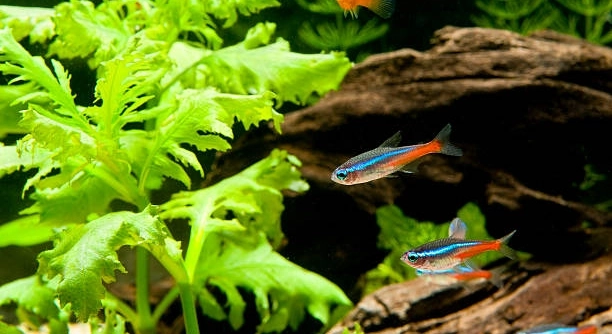
Are your Tetra fish swimming in water that feels too strong or too weak? Adjusting the water flow in your aquarium is important for their health and comfort. Proper flow creates a balanced and safe environment for these small fish.
Controlling water flow for Tetra fish involves regulating the filter’s output and using flow adjusters. This prevents stress and improves oxygen circulation, ensuring the fish thrive in conditions close to their natural habitat. Proper adjustments also help maintain tank cleanliness and stability.
Learning the right techniques to manage water flow will help your Tetras stay healthy and active. This guide will share useful tips to create the perfect water movement for your aquarium setup.
Understanding Your Aquarium’s Water Flow
Water flow in an aquarium moves oxygen and nutrients, which are essential for your Tetra’s health. If the flow is too strong, it can tire your fish and cause stress. Too weak, and the water may become stagnant, leading to poor oxygen levels. Filters create water movement, but many tanks have adjustable flow settings to help you find the right balance. You can also add decorations like plants or rocks to break the current and create calmer spots. Paying attention to how your Tetras behave helps in judging if the flow is suitable. If they are struggling to swim or hiding too much, the water movement might be too high. Adjustments should be gradual to avoid shocking your fish. Observing over time will let you fine-tune the setup for a healthy environment.
Adjusting the filter’s output is the easiest way to control water flow in most tanks.
Using flow control lets you protect your fish while keeping the water fresh and clean.
Using Flow Adjusters and Decorations
Flow adjusters fit onto filter outlets and reduce water speed, making the flow gentler for your Tetras. These devices are simple to install and offer precise control without needing a new filter. Many filters come with built-in flow control options, but if not, external flow restrictors can be purchased separately. Besides mechanical adjustments, decorations like live plants, driftwood, and rocks help break up strong currents. These natural barriers create calm areas where your fish can rest and swim freely without battling the water flow. Live plants also improve water quality by absorbing waste. When placing decorations, consider the size and swimming habits of your Tetras. Avoid overcrowding, which can limit swimming space and cause stress. Balancing open space with areas of calm flow leads to a healthy and comfortable tank environment for your fish.
Monitoring Water Flow Regularly
Checking water flow often helps keep your Tetras comfortable. Filters can change speed over time, or blockages can reduce flow. Regular observation ensures the flow remains steady and suitable for your fish’s needs. Adjust as needed to maintain balance.
Water flow may change due to filter wear or debris buildup. Cleaning the filter and tubing regularly prevents blockages that slow water movement. Sometimes, algae growth or uneaten food can clog parts, so it’s important to remove these promptly. Keep an eye on how your fish react to any changes, such as swimming difficulty or hiding more often. Adjust flow rates gradually rather than all at once to avoid stressing your Tetras. Maintaining steady flow promotes better water quality and fish health.
Tracking your tank’s water flow also involves observing bubbles and surface movement. These signs indicate oxygen levels and circulation efficiency. If bubbles stop forming or water appears still, it’s time to check equipment. Small adjustments keep conditions ideal.
Avoiding Common Mistakes with Water Flow
Too much flow can exhaust your Tetras and force them into hiding, while too little flow risks low oxygen and buildup of waste. Both extremes affect fish health negatively.
Many people overlook the need to balance flow with tank size and fish behavior. Larger tanks may require stronger flow, but Tetras prefer gentle currents, so adjustments must reflect their preferences. Avoid placing filter outlets directly facing resting areas or plants, which can disturb the fish. Additionally, ensure that decorations don’t completely block water circulation, as stagnant zones cause water quality issues. Using a combination of flow adjusters and natural barriers provides control without harsh currents. Regular checks and small tweaks help keep the environment stable, protecting your Tetras from stress and illness.
Choosing the Right Filter for Your Tank
Selecting a filter designed for your tank size is key. Overpowered filters create strong currents, while undersized ones fail to circulate water properly. Matching the filter to your aquarium helps keep flow at a manageable level for Tetras.
A gentle, adjustable filter is ideal. Look for models with flow control settings or those made specifically for small to medium tanks. This gives you more control and reduces stress on your fish.
Positioning the Filter Outlet
Place the filter outlet where it spreads water evenly but doesn’t blast directly at your fish. Angling the outlet toward the tank’s side or surface helps distribute flow smoothly.
This prevents strong currents in resting or feeding areas and keeps the water well-mixed, supporting oxygen levels and cleanliness without overwhelming the fish.
Testing Flow Strength
Use a floating object like a leaf or small piece of paper to observe water movement. It helps gauge if the flow is too strong or gentle.
Adjust filter settings or outlet placement based on this simple test to create a balanced environment for your Tetras.
FAQ
How do I know if the water flow is too strong for my Tetras?
If your Tetras are struggling to swim, hiding more than usual, or resting constantly in one spot, the flow may be too strong. Fish that are stressed by fast currents can show signs of fatigue or may avoid certain areas of the tank. Watching their behavior closely after adjusting the filter or adding flow restrictors can help you determine if the water movement is comfortable for them.
Can I use any filter for a Tetra tank?
Not every filter is suitable for a Tetra tank. It’s best to choose one that is appropriate for your tank size and has adjustable flow settings. Filters that create gentle, steady currents work best. Powerful filters without flow control can create too much water movement, which can stress small fish like Tetras. When shopping for a filter, check if it offers flow adjustment or consider adding an external flow restrictor.
What is the best way to reduce water flow if it’s too strong?
The easiest way to reduce water flow is by adjusting the filter’s flow rate if it has that option. If the filter doesn’t have a control setting, installing a flow restrictor on the outlet can help slow down the current. Another method is to rearrange tank decorations or add plants near the outlet to break up the flow. These natural barriers can create calmer areas for your fish to rest without completely stopping water movement.
How often should I clean the filter to maintain proper flow?
Filters should be cleaned regularly, roughly every 2 to 4 weeks, depending on your tank’s size and stocking level. A dirty or clogged filter reduces water flow and filtration efficiency. Cleaning helps maintain steady flow and keeps the water clear. Be careful not to over-clean or use harsh chemicals, as beneficial bacteria live in the filter and are essential for a healthy aquarium environment.
Can strong water flow cause health problems in Tetras?
Yes, strong currents can stress Tetras, weakening their immune system and making them more vulnerable to diseases. Stress can also affect their appetite and behavior, leading to poor overall health. Providing a moderate, gentle flow mimics their natural environment and supports better health and activity levels.
Is water flow important for oxygen levels in the tank?
Water movement helps oxygenate the tank by increasing surface agitation. Good oxygen levels are critical for your fish’s survival and comfort. However, it’s important to balance oxygenation with flow strength. Too much flow can be harmful, so aim for moderate water movement that keeps oxygen levels high without causing stress.
Can decorations help with managing water flow?
Absolutely. Plants, driftwood, and rocks act as natural flow breakers. They reduce strong currents by disrupting water movement and creating calm zones where your Tetras can rest. Using decorations thoughtfully also enhances the tank’s look while improving water circulation and comfort for your fish.
What should I do if my Tetras hide all the time?
If your Tetras are constantly hiding, check the water flow first. Strong currents might be causing stress. Try reducing the flow and adding hiding spots like plants or caves. Observing changes in their behavior after these adjustments will help ensure they feel safe and comfortable.
Is it better to have multiple small filters or one large filter?
Both options can work, but multiple small filters allow more control over water flow and better distribution throughout the tank. This setup can create gentle, even currents suitable for Tetras. A single large filter might produce stronger flow, which needs careful adjustment to avoid stressing the fish.
How does tank size affect water flow needs?
Larger tanks usually require stronger filters to maintain circulation and cleanliness. However, Tetras prefer gentle currents, so in bigger tanks, flow control becomes even more important. Balancing flow with tank size means choosing adjustable filters and using decorations to create calm areas within the aquarium.
Adjusting the water flow in your Tetra tank is an important part of keeping your fish healthy and comfortable. Proper flow helps keep the water clean and oxygenated, which supports the well-being of your fish. At the same time, it prevents your Tetras from getting tired or stressed by currents that are too strong. Taking the time to observe your fish and make small changes can create a better environment where they can swim and thrive naturally.
Using tools like flow adjusters and adding decorations such as plants or rocks can help manage the water movement without making it too harsh. These simple steps break up strong currents and create peaceful areas in the tank where your fish feel safe. It’s also helpful to regularly check your filter and keep it clean so the flow stays consistent. Changes happen over time, and by monitoring your tank often, you can catch any issues early before they affect your fish.
Overall, maintaining the right water flow is a balance between providing enough movement for oxygen and filtration, while keeping currents gentle enough for your Tetras to enjoy. Each tank is unique, so learning how your fish react to changes is key. With patience and attention, you can create a calm, healthy habitat where your Tetras will flourish. This care not only benefits the fish but also makes your aquarium more enjoyable to watch.

Hello,
If you enjoy the content that we create, please consider saying a "Thank You!" by leaving a tip.
Every little bit helps us continue crafting quality advice that supports the health, happiness, and well-being of pets around the world, for pets of all shapes, sizes, and species.
We really appreciate the kindness and support that you show us!