
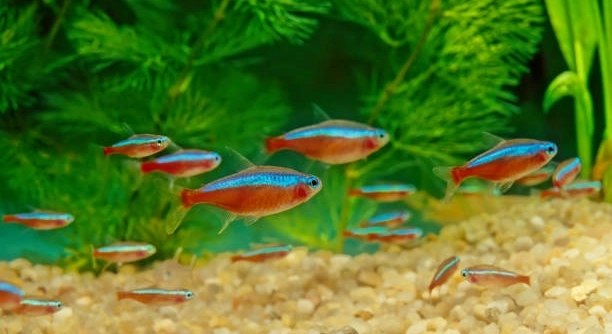
Caring for a Tetra tank means ensuring the fish stay healthy, especially when you need to leave for vacation. Proper preparation helps maintain water quality and keeps your fish safe during your absence. Planning ahead reduces stress for both you and your pets.
Preparing a Tetra tank for vacation involves steps like feeding adjustments, water changes, checking equipment, and securing the environment. These measures help maintain a stable habitat, prevent overfeeding, and ensure filtration and aeration work properly during your time away.
Knowing how to prepare your tank can make a big difference in your fish’s well-being while you are gone. Following simple steps keeps the environment balanced and your fish comfortable throughout your vacation.
Adjust Feeding Before Leaving
It is important to manage how much and how often you feed your Tetras before going on vacation. Overfeeding can quickly pollute the water, creating unhealthy conditions for your fish. A good rule is to reduce the amount of food a few days before you leave. Feeding smaller portions once a day, or even skipping a day or two, helps keep the tank cleaner while still supporting your fish’s health. Tetras can tolerate short fasting periods without harm. Also, avoid leaving leftover food in the tank because it decomposes and causes water quality to decline. This step reduces the risk of ammonia spikes and keeps your water clearer for when you return. Taking this simple precaution will save you from potential water problems and keep your fish healthier during your absence.
Feeding less before your trip helps maintain water quality and reduces tank maintenance while you’re away.
After adjusting feeding, check the tank carefully for leftover food and remove it. This prevents harmful buildup. Consider using an automatic feeder if your vacation is short. They can deliver small, measured amounts of food at scheduled times. However, if you choose this method, test the feeder beforehand to avoid malfunctions. Remember to leave instructions with someone who can check your tank in case of emergencies. Proper feeding control is the foundation of a safe vacation for your Tetras.
Perform a Water Change
Before you leave, perform a partial water change to improve water quality. Removing about 20-30% of the water and replacing it with clean, treated water helps reduce toxins. This step refreshes the tank environment, balancing chemical levels like ammonia, nitrites, and nitrates. Clean water supports fish health and reduces stress. It is better to do this right before departure so the tank remains stable for a few days. Make sure the new water matches the tank’s temperature and pH to avoid shocking your fish. Also, avoid using soaps or harsh chemicals when cleaning tank equipment. Maintaining the right environment means your Tetras will stay comfortable and less vulnerable while you are away.
A fresh water change keeps the environment stable and reduces harmful substances.
Regular water changes are key to a healthy tank, especially when you cannot maintain it daily. Performing this step before vacation ensures the water stays clear and free of excess waste. Keep water parameters steady by using a water conditioner and matching temperature carefully. Checking the filter to make sure it is clean and working well is also essential. The filtration system helps break down waste and keeps water oxygenated. Together, water changes and a good filter system create a safe environment for your fish. By preparing the tank this way, you reduce the chance of health issues during your time away.
Check Equipment Functionality
Ensuring all equipment works properly before you leave is essential. Check your filter, heater, and air pump to avoid failures that could harm your fish.
Filters remove waste and keep the water clean, so a clogged or broken filter can quickly lead to poor water quality. Test the filter’s flow rate and clean or replace the filter media if needed. Heaters maintain a steady temperature, which is important for Tetras since they prefer warm water. Check the thermostat and adjust it to the right setting, usually between 72-78°F (22-26°C). Air pumps increase oxygen levels; make sure they are running smoothly to support fish respiration during your absence.
If any equipment is faulty, repair or replace it before leaving. Consider asking someone to check on your tank’s equipment if your trip is long. A backup battery for air pumps or filters can also help in case of power outages, ensuring your Tetras stay safe.
Secure the Tank Environment
Make sure the tank is securely covered to prevent fish from jumping out or debris from falling in. A well-fitted lid is important.
Check that all cords and equipment are safely positioned to avoid accidental disconnections or damage. Unstable setups increase the risk of tank accidents while you’re away. Remove any fragile decorations that might fall and injure the fish. Trim plants if they are overgrown, allowing better water circulation and reducing waste buildup. Keep the room temperature consistent, as sudden changes can stress your fish. If possible, place the tank away from direct sunlight and drafts, which can cause temperature fluctuations.
A secure and stable environment reduces the chance of problems during your absence, helping your Tetras stay calm and healthy. Proper setup is a key part of vacation preparation.
Arrange for a Caretaker
If possible, have someone check on your tank while you’re gone. A caretaker can feed the fish and monitor equipment. This helps catch any problems early.
Choose someone familiar with aquarium care. Leave clear instructions about feeding amounts and tank maintenance. This support adds peace of mind during your trip.
Test Backup Systems
Backup power supplies or battery-operated air pumps can protect your tank during power outages. Testing these systems before leaving ensures they work properly.
Make sure batteries are fresh and devices turn on automatically when needed. Reliable backups can prevent serious harm to your fish during unexpected power failures.
Final Tank Check
Do a thorough final check of the tank before leaving. Confirm water temperature, equipment function, and feeding schedules are all set.
FAQ
How long can Tetras go without food?
Tetras can typically go without food for about 5 to 7 days without serious harm. Their metabolism slows down when they are not fed, so short fasting periods are usually safe. However, anything longer than a week might start to stress the fish, especially younger or weaker individuals. It’s best to reduce feeding gradually before your trip to prepare them for this break. If you will be gone longer, consider using an automatic feeder or asking someone to feed them. Avoid overfeeding right before you leave, as leftover food will pollute the water and harm your fish.
Can I leave an automatic feeder for my Tetras?
Yes, automatic feeders can be helpful for short trips. They release small amounts of food at scheduled times, preventing overfeeding. However, automatic feeders sometimes malfunction by releasing too much food or none at all, so it is important to test the device before you leave. Make sure the portions are appropriate for small fish like Tetras. Also, clean the feeder regularly to avoid jams. If your vacation is long, it’s better to have a person check on the tank instead of relying solely on an automatic feeder.
How often should I change water before a vacation?
Perform a partial water change about a day or two before you leave. Changing 20-30% of the water helps remove toxins and refresh the environment. Avoid doing large water changes immediately before departure, as sudden changes in water parameters can stress your fish. Keeping the tank stable with gradual maintenance is best. If you have someone caring for your tank, ask them to do small water changes during your absence. This helps maintain water quality over longer periods.
What should I do if the power goes out?
Power outages can be dangerous for Tetras because they rely on heaters, filters, and aeration. To prepare, use a backup battery-operated air pump or an uninterruptible power supply (UPS) for your equipment. Test these backup systems before leaving. If you expect a long power outage, arrange for someone to check your tank. In emergencies, turning off the heater temporarily might be necessary, but maintaining oxygen levels is most important. Keeping your fish cool but oxygenated is better than letting the water become stagnant and warm.
Is it necessary to turn off the lights during vacation?
It is usually best to keep aquarium lights on a timer during your vacation. Tetras benefit from a consistent day-night cycle, which helps regulate their behavior and health. Turning lights off completely can disrupt this rhythm. Set the timer to provide about 8 to 10 hours of light daily. This mimics natural conditions and reduces algae growth. Avoid leaving the lights on 24/7, as constant light can stress your fish and cause excess algae. A timer gives your tank a stable schedule even when you are away.
Can I skip water testing before leaving?
Skipping water testing before a trip is not recommended. Testing water parameters like ammonia, nitrites, nitrates, pH, and temperature ensures the tank is in good condition before your absence. If any levels are off, address them immediately to prevent fish stress or illness. A healthy tank is less likely to develop problems while unattended. Use a reliable test kit and keep a record of your results. If possible, ask a caretaker to test the water during your vacation, especially for longer trips.
How do I prepare my tank if I have multiple species?
When caring for multiple species, preparation requires extra care. Different fish have different feeding and environmental needs, so tailor your feeding schedule accordingly. Make sure no fish are overfed or underfed. Check that all species have compatible water parameters like temperature and pH. If some species need special care, inform your caretaker with clear instructions. Remove any aggressive fish if necessary to reduce stress. Ensuring stable conditions and balanced care helps maintain harmony in a mixed-species tank during your absence.
What should I do with plants in the tank?
Healthy plants help maintain water quality by absorbing nutrients and providing shelter. Before leaving, trim overgrown plants to improve water flow and reduce debris buildup. Remove dead or decaying leaves, as these can pollute the water quickly. If you have live plants, ensure they get adequate light using a timer. Avoid adding fertilizer right before you leave to prevent algae blooms. Proper plant care contributes to a stable and clean environment, making it easier for your tank to stay balanced while you are away.
Is it necessary to clean the tank before vacation?
Cleaning the tank before vacation is important but should be done carefully. Remove algae from the glass and clean decorations without using harsh chemicals. Clean the filter media gently to avoid killing beneficial bacteria. Avoid deep cleaning or changing too much water right before leaving, as this can cause instability in water parameters. Light cleaning reduces waste buildup and improves water clarity, giving your fish a better environment to stay healthy while unattended.
What should I do if I have a long vacation planned?
For long vacations, arrange for someone to care for your tank regularly. This includes feeding, water testing, and small water changes. Automated feeders alone are often not enough. Provide detailed instructions and emergency contacts. Consider installing backup equipment for power failures. If no one is available, prepare the tank thoroughly by adjusting feeding, doing water changes, and testing equipment before leaving. A well-maintained tank and reliable help are key to keeping your Tetras safe during extended absences.
Taking care of your Tetra tank before going on vacation is an important step to ensure your fish stay healthy and safe. By preparing the tank properly, you reduce the chance of problems while you are away. Simple actions like adjusting feeding, checking equipment, and doing water changes help keep the environment stable. These small efforts before you leave can make a big difference in your fish’s well-being during your absence. A well-maintained tank will support the natural needs of your Tetras, even when you cannot be there to care for them directly.
Planning ahead also means thinking about unexpected issues like power outages or equipment failures. Testing backup systems or asking someone to check on the tank gives added security. Even if your trip is short, these precautions help avoid emergencies that could harm your fish. Setting up automatic feeders can be useful but should not be your only solution for longer absences. Having a person who understands your aquarium routine can catch problems early and act fast. This makes it less likely that your fish will experience stress or health problems while you are gone.
Finally, regular maintenance before leaving is key. Keeping the water clean, ensuring proper temperature, and removing excess waste all contribute to a safe and comfortable environment. Preparing the tank carefully takes some time but helps you enjoy your vacation without worry. When you return, your Tetras will be healthier and happier if their home was well cared for. Taking these steps shows good responsibility as a fish keeper and helps build a strong routine for future trips. Your fish depend on a stable environment, and your preparation helps keep that balance.

Hello,
If you enjoy the content that we create, please consider saying a "Thank You!" by leaving a tip.
Every little bit helps us continue crafting quality advice that supports the health, happiness, and well-being of pets around the world, for pets of all shapes, sizes, and species.
We really appreciate the kindness and support that you show us!