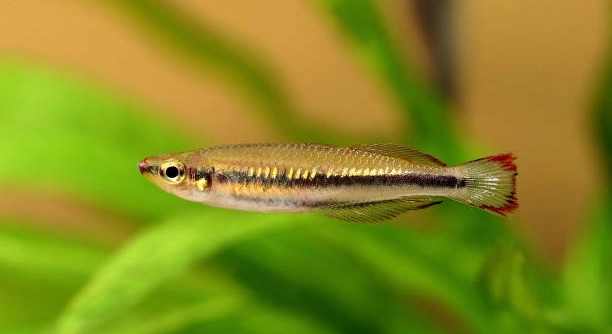
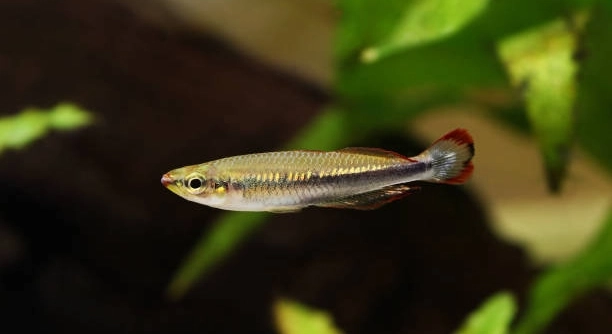
7 Reasons to Consider Breeding Rainbowfish
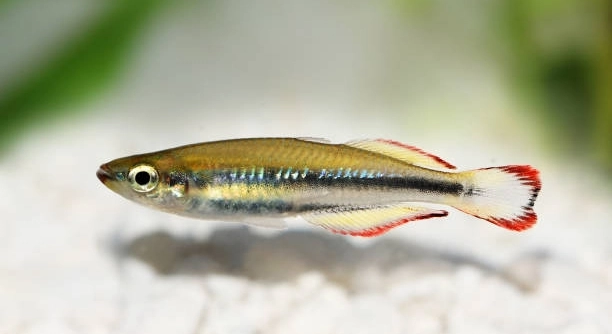
Breeding rainbowfish can be a rewarding experience for both new and experienced aquarists. These colorful fish bring life to any aquarium, and learning to care for their offspring can be fulfilling and educational. Breeding rainbowfish supports population sustainability, enhances genetic diversity, and allows aquarists to observe natural behaviors. It also offers an opportunity to create … Read more
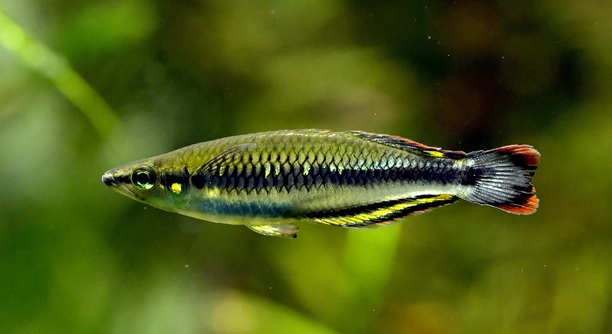
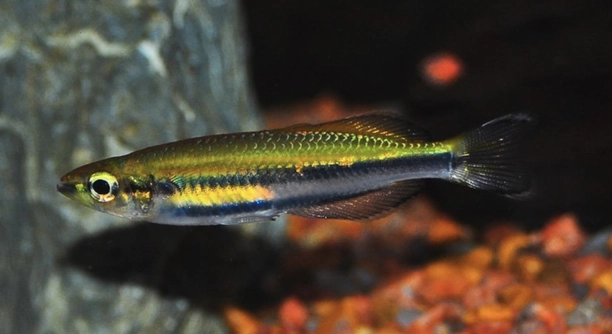
7 Subtle Clues Your Fish Is Stressed

Caring for fish can be rewarding, but sometimes they show signs of stress that are easy to overlook. Observing your fish closely can help you identify subtle behaviors that signal something is wrong in their environment. Fish exhibit stress through changes in behavior, color, and activity levels. Common indicators include loss of appetite, erratic swimming, … Read more

Why Did Your Rainbowfish Disappear? (7 Causes)

Do you enjoy keeping rainbowfish but sometimes find one missing from the tank? These small, colorful fish bring life to any aquarium, yet their sudden disappearance can leave owners worried and searching for answers. Rainbowfish may disappear due to several factors, including water quality issues, disease, predation from tank mates, stress, insufficient hiding spots, poor … Read more

Do Rainbowfish Need a Varied Diet?

Have you ever noticed the colors of rainbowfish glimmering in your aquarium and wondered how to keep them healthy and vibrant? These small, lively fish are popular among hobbyists for their bright, striking appearance. Feeding them properly is essential for their well-being and longevity. Rainbowfish require a varied diet to maintain optimal health, growth, and … Read more

Why Is My Rainbowfish Breathing Heavily?

Have you ever noticed your rainbowfish moving rapidly near the water surface, their gills opening and closing faster than usual? Observing these changes can be worrying, especially when your fish usually swims calmly and gracefully. Heavy breathing in rainbowfish is most often caused by low oxygen levels, poor water quality, or stress. High ammonia, nitrite, … Read more

How to Improve Rainbowfish Health Naturally

Have you ever noticed your rainbowfish looking less lively than usual, with dull colors or slow movements in the tank? Keeping these beautiful fish healthy is easier than it seems with simple, natural approaches. Improving rainbowfish health naturally involves maintaining clean water, providing a balanced diet, and offering a stress-free environment. Regular water changes, live … Read more

7 Things That Keep Rainbowfish Engaged

Keeping rainbowfish active supports their health, color, and calm behavior in home aquariums. Proper engagement reduces stress, encourages natural movement, and helps these social fish thrive within stable, well maintained aquatic environments over time daily. Rainbowfish remain engaged through varied environmental enrichment, consistent social interaction, and structured routines. Elements such as tank mates, water flow, … Read more

7 Things You Didn’t Know About Rainbowfish Sleep

Rainbowfish are small, colorful freshwater fish that brighten up many aquariums. Their lively movements make them fun to watch, but their sleeping habits are often overlooked, leaving many fish owners unaware of how these creatures rest at night. Rainbowfish sleep by reducing activity and remaining still near the bottom or among plants. They do not … Read more

Why Your Rainbowfish Acts Anxious Around You

Many aquarium owners enjoy the colorful display of rainbowfish, but sometimes these lively fish seem to shy away from human presence. Observing this behavior can be confusing, especially when your fish appears nervous or avoids interaction regularly. Rainbowfish often act anxious around humans due to unfamiliarity with movements, sudden changes in their environment, or perceived … Read more

7 Ways to Tell If Your Fish Is Comfortable

Have you ever watched your fish swim and wondered if it feels truly at ease in its tank? Observing fish behavior can reveal much about their well-being and the environment you provide for them. Comfortable fish display steady swimming patterns, regular feeding habits, and minimal signs of stress. Healthy coloration, smooth movement, and normal interactions … Read more