
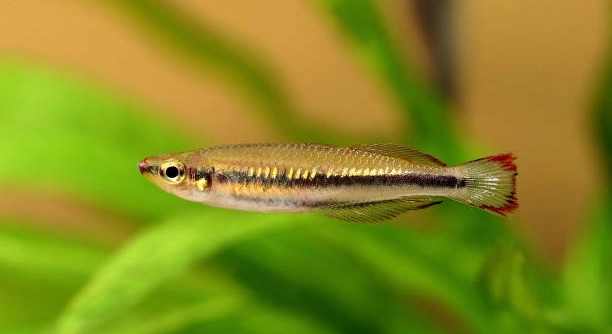
Keeping rainbowfish active supports their health, color, and calm behavior in home aquariums. Proper engagement reduces stress, encourages natural movement, and helps these social fish thrive within stable, well maintained aquatic environments over time daily.
Rainbowfish remain engaged through varied environmental enrichment, consistent social interaction, and structured routines. Elements such as tank mates, water flow, lighting cycles, diet variety, and physical space stimulate natural behaviors, support cognitive activity, and promote long term stability in captivity.
These insights clarify how simple adjustments create a more responsive aquarium, benefiting rainbowfish wellbeing while improving daily observation experiences consistently.
Environmental Variety and Tank Structure
I have noticed rainbowfish respond best when their environment offers gentle variety without constant disruption. A well designed tank includes open swimming areas, planted sections, and subtle changes in flow. These features encourage movement and reduce idle behavior. Smooth rocks, driftwood, and hardy plants create visual interest while maintaining safety. Rearranging decor occasionally helps maintain stimulation, but stability should remain the priority. Consistent water quality allows these changes to feel enriching rather than stressful. When the layout supports exploration, rainbowfish display brighter coloration and calmer group dynamics. This balance between familiarity and variation keeps daily activity steady and prevents boredom related behaviors in long term aquarium settings. Over time, this approach also supports natural schooling patterns and reduces aggressive chasing, making observation more enjoyable during routine care and feeding sessions. It becomes easier to notice individual traits and subtle behavior shifts as days progress calmly within stable home aquariums overall.
Environmental enrichment should remain simple and purposeful. Too many decorations or frequent major changes can overwhelm rainbowfish. I focus on balance, offering enough structure for interest while preserving predictable spaces that support rest, social grouping, and smooth swimming patterns throughout the tank. Consistency keeps stress low and behavior steady daily.
Lighting and water movement also play meaningful roles in engagement. Moderate current encourages exercise without exhaustion. Gradual lighting cycles help maintain natural rhythms and reduce skittish behavior. I avoid sudden brightness changes, which can disrupt activity. Timers create reliability and reduce daily stress. When combined with thoughtful layout choices, these elements support alert, active fish. Engagement improves when the environment works with natural instincts rather than against them. Over time, rainbowfish settle into confident patterns that reflect comfort, stimulation, and proper care within the aquarium. This stability encourages consistent feeding responses and calmer interactions among groups during daily observation periods.
Social Structure and Daily Interaction
Rainbowfish are social by nature and rely on group presence for engagement. Adequate group size reduces isolation and supports confident swimming. I find that balanced ratios limit tension and encourage synchronized movement, creating a calmer tank atmosphere that supports steady behavior. Consistency improves when individuals feel secure within the group.
Interaction extends beyond tank mates and includes routine human presence. Regular feeding schedules create anticipation and mental stimulation. I maintain varied diets using flakes, frozen options, and live foods to encourage foraging behavior. Feeding at consistent times supports predictability and reduces erratic movement. Gentle observation during these moments helps reinforce calm responses. Avoiding sudden gestures near the glass prevents startle reactions. Over time, rainbowfish associate care routines with safety and enrichment. Subtle engagement, such as slow movement during maintenance, supports trust without overhandling. When social structure and routine align, engagement remains steady. These practices help rainbowfish display natural color, fluid motion, and relaxed grouping patterns that reflect proper care and thoughtful attention within a home aquarium environment. Stable social conditions also reduce fin nipping and unnecessary chasing. This allows weaker individuals to feed properly and remain visible. Over time, the group develops predictable spacing and shared movement patterns. I value this consistency because it signals reduced stress and improved wellbeing. Engagement increases when daily care feels familiar, controlled, and respectful of natural behavior rhythms. This balance supports long term health and makes routine observation more rewarding for me while maintaining stable aquarium conditions that benefit the entire system consistently overall.
Diet Variety and Feeding Enrichment
Diet variety keeps rainbowfish mentally active and physically responsive. I rotate flakes, pellets, frozen foods, and live options to prevent routine feeding patterns. This encourages natural hunting motions, improves coloration, and supports digestion while reducing passive behavior during daily feeding times within stable aquariums over extended care periods consistently overall.
I avoid overfeeding and instead focus on controlled portions offered more frequently. Smaller meals encourage movement and reduce waste buildup. I notice rainbowfish remain alert when food appears unpredictably within a structured schedule. Target feeding helps shy individuals eat properly. Using floating and sinking foods promotes full tank exploration. Feeding tools such as rings or clips add minor challenge without stress. This approach supports steady energy levels and limits aggressive competition. Over time, feeding enrichment improves engagement, reduces idle hovering, and supports healthier group dynamics within the aquarium during long term care routines that maintain consistent behavior and visibility daily.
I also observe individual preferences and adjust offerings accordingly. Some rainbowfish respond better to motion, while others favor slower sinking food. Matching food type to behavior reduces frustration. Feeding at similar locations establishes expectation. I keep feeding times calm and unhurried. Sudden movements disrupt focus. Consistent practice builds trust. Over weeks, fish show quicker responses and smoother schooling during meals. This steady interaction strengthens engagement and supports predictable daily patterns without unnecessary stimulation for long term care routines that benefit observation, feeding order, and overall aquarium stability across shared living spaces consistently maintained over time by attentive daily care habits.
Swimming Space and Tank Dimensions
Ample swimming space directly affects rainbowfish engagement. I prioritize horizontal length over height to support constant motion. Crowded tanks restrict movement and increase tension. Open water zones allow schooling to form naturally. When fish swim freely, behavior becomes smoother. Adequate spacing also improves oxygen exchange and reduces territorial stress, helping rainbowfish remain active throughout the day within shared aquariums designed for sustained group activity and long term health maintenance routines observed daily by me consistently.
I choose tank sizes that match adult swimming needs rather than juvenile size. Planning ahead prevents later stress. Long tanks support directional swimming and reduce abrupt turns. I avoid excessive decor that blocks pathways. Clear routes encourage schooling and reduce chasing. Proper filtration keeps flow steady without overpowering swimmers. Balanced stocking levels prevent crowding and allow natural spacing. Over time, fish develop stable routes and shared resting zones. This spatial consistency improves confidence and reduces erratic bursts. When rainbowfish have room to move, engagement remains steady and behavior reflects comfort rather than restraint during daily activity cycles supported by proper maintenance routines and consistent observation habits I follow carefully to maintain long term stability and reduce stress related behaviors across the entire aquarium system overall.
Lighting Schedule and Visual Stability
Consistent lighting schedules help rainbowfish stay active without stress. I rely on timers to mimic day and night patterns. Predictable light cycles support feeding response, reduce hiding, and maintain coloration. Sudden changes often lead to skittish movement and reduced engagement over time within stable aquarium conditions daily for rainbowfish health.
Lighting intensity should remain moderate to avoid overstimulation. I avoid harsh brightness and use gradual ramping when possible. Soft transitions keep fish visible and calm. Balanced lighting also supports plant growth, creating a stable environment that benefits rainbowfish activity and comfort throughout the day without disruption to natural behavior patterns.
Water Quality Consistency
Water quality consistency plays a major role in engagement. I maintain stable temperature, pH, and cleanliness to prevent lethargy. Regular testing and small water changes avoid sudden shifts. Clean water improves oxygen levels and swimming stamina. Rainbowfish become more responsive when conditions remain predictable. Filtration should match tank size and flow needs. I clean equipment gently to preserve beneficial bacteria. Overmaintenance can disrupt balance. When water parameters stay steady, fish spend more time swimming, feeding, and schooling. This stability reduces stress behaviors and supports long term activity in home aquariums under consistent care routines maintained by attentive daily aquarium practices.
Calm Maintenance Practices
Low stress maintenance routines keep rainbowfish engaged without fear. I move slowly during cleaning and avoid large disruptions. Gentle consistency allows fish to remain visible and active. Calm care habits strengthen trust, improve behavior, and support steady engagement throughout long term aquarium care routines for stable daily observation and wellbeing.
FAQ
How many rainbowfish should be kept together to stay engaged?
Rainbowfish remain most active when kept in proper groups. I have found that six or more individuals create balanced movement and reduce stress. Smaller groups often lead to hiding or uneven behavior. Larger groups encourage schooling, improve confidence, and distribute attention evenly during feeding. Proper group size supports natural interaction and keeps activity levels consistent throughout the day. When space allows, slightly larger groups provide even better results, as social stability increases and aggressive behavior decreases naturally over time.
Does tank size really affect rainbowfish engagement?
Tank size plays a direct role in engagement. Rainbowfish are constant swimmers and need horizontal space to move freely. In shorter tanks, activity becomes restricted and stress rises. I always prioritize length over height. Adequate swimming room allows smooth schooling and predictable movement patterns. This space also reduces chasing and supports healthier energy use. Larger tanks help rainbowfish stay active longer each day without signs of fatigue or frustration.
How often should rainbowfish be fed for better engagement?
Frequent, controlled feeding improves engagement more than large single meals. I prefer offering small portions once or twice daily. This keeps fish alert and responsive without polluting the water. Varied food types also prevent routine behavior. Feeding at consistent times helps rainbowfish anticipate activity and remain visible. Overfeeding reduces movement and leads to sluggish behavior. Balanced portions maintain steady energy and promote active swimming.
Does lighting impact rainbowfish behavior?
Lighting has a strong influence on behavior. Consistent schedules help rainbowfish maintain natural rhythms. I avoid sudden changes in brightness because they often cause darting or hiding. Moderate lighting improves visibility without overstimulation. Gradual transitions between light and dark support calm movement. When lighting remains stable, rainbowfish spend more time swimming openly and interacting with each other instead of retreating to corners.
Can tank decor affect engagement levels?
Tank decor directly affects how rainbowfish use space. I choose simple layouts that provide interest without blocking movement. Plants, rocks, and wood should guide swimming paths rather than interrupt them. Too much decor creates confusion and limits schooling. Occasional minor adjustments refresh interest, but frequent changes increase stress. Balanced structure encourages exploration while preserving familiar zones for rest and grouping.
Why do rainbowfish become less active over time?
Reduced activity usually relates to environmental consistency issues. Poor water quality, limited space, or lack of stimulation are common causes. I check temperature stability, filtration, and stocking levels first. Diet monotony can also reduce responsiveness. Addressing these factors often restores natural movement. When conditions improve, rainbowfish typically regain color, schooling behavior, and steady activity without additional intervention.
Is water flow important for keeping rainbowfish engaged?
Moderate water flow supports exercise and natural swimming patterns. I aim for gentle circulation rather than strong currents. Rainbowfish enjoy moving against light flow, which encourages activity without exhaustion. Inadequate flow can lead to hovering behavior, while excessive flow causes avoidance. Balanced circulation improves oxygen levels and keeps fish moving comfortably throughout the tank during daily cycles.
How does maintenance style affect rainbowfish behavior?
Maintenance approach matters more than frequency. I move slowly and keep routines predictable. Sudden movements or major disruptions often cause hiding and stress. Gentle cleaning preserves beneficial bacteria and prevents parameter swings. Calm maintenance allows rainbowfish to remain active even during care routines. Over time, fish become accustomed to these actions and show less avoidance behavior.
Do rainbowfish recognize feeding routines?
Rainbowfish quickly associate routines with feeding. I notice faster responses when timing and location remain consistent. Predictable routines build confidence and reduce frantic movement. Fish begin gathering calmly instead of darting. This structured interaction keeps engagement steady and reduces competition. Over time, feeding becomes a controlled and enriching part of their daily activity pattern.
Can tank mates influence rainbowfish engagement?
Tank mates have a noticeable impact. Peaceful species that match swimming speed work best. Aggressive or slow moving fish disrupt behavior and reduce activity. I choose companions that share similar environmental needs. Compatible tank mates encourage schooling and reduce isolation. Poor matches often lead to hiding or erratic swimming. Balanced community setups support engagement and long term stability.
Is it normal for rainbowfish to have rest periods?
Yes, rest periods are normal. Rainbowfish alternate between active swimming and calm hovering. I observe predictable cycles tied to lighting and feeding. Rest becomes concerning only when inactivity dominates most of the day. In healthy setups, rest periods appear brief and consistent. Balanced activity and rest indicate proper engagement rather than boredom or stress.
Final Thoughts
Keeping rainbowfish engaged is not about constant stimulation or frequent changes. It is about consistency, balance, and understanding how small details affect daily behavior. I have learned that stable environments support confidence, while thoughtful enrichment maintains activity without causing stress. Rainbowfish respond best when their needs are met quietly and predictably. Clear swimming space, reliable lighting, and calm maintenance routines create a foundation that allows natural behavior to appear. Engagement improves when fish feel secure enough to explore, school, and feed without hesitation. Over time, these patterns become easy to recognize and rewarding to observe. A well managed aquarium supports both physical health and behavioral stability, which should always be the primary goal of long term care.
Daily routines matter more than occasional adjustments. Feeding schedules, lighting cycles, and water maintenance all contribute to how rainbowfish interact with their surroundings. I have noticed that when routines remain steady, fish spend more time swimming openly and less time hiding or hovering. This consistency reduces unnecessary stress and allows energy to be used for movement and social interaction. Diet variety, when introduced gradually, supports alertness and improves feeding responses. Proper group size also plays a major role, as rainbowfish rely heavily on social structure. When these elements work together, engagement becomes a natural outcome rather than something forced. The aquarium begins to feel balanced, and behavior reflects comfort rather than reaction.
Long term success comes from observation and restraint. It is tempting to change layouts, add new items, or adjust conditions too often. I have found that patience produces better results. Allowing fish time to adapt builds confidence and reduces behavioral setbacks. Subtle improvements often have a greater impact than major overhauls. Paying attention to movement patterns, feeding behavior, and group dynamics helps guide decisions without disrupting stability. When rainbowfish remain active, visible, and calm, it usually signals that their environment is meeting their needs. Engagement should feel effortless and consistent, not chaotic. With steady care and thoughtful planning, rainbowfish thrive in ways that are easy to maintain and enjoyable to watch over time.

Hello,
If you enjoy the content that we create, please consider saying a "Thank You!" by leaving a tip.
Every little bit helps us continue crafting quality advice that supports the health, happiness, and well-being of pets around the world, for pets of all shapes, sizes, and species.
We really appreciate the kindness and support that you show us!