
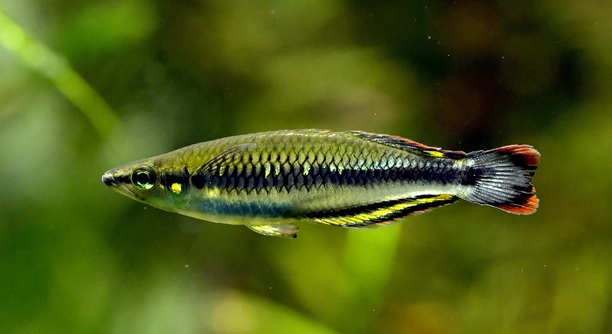
Caring for fish can be rewarding, but sometimes they show signs of stress that are easy to overlook. Observing your fish closely can help you identify subtle behaviors that signal something is wrong in their environment.
Fish exhibit stress through changes in behavior, color, and activity levels. Common indicators include loss of appetite, erratic swimming, faded coloration, and increased hiding. Recognizing these signs early allows owners to address environmental or health issues promptly.
Noticing these small details can make a big difference in your fish’s wellbeing and help maintain a healthier aquarium overall.
Changes in Swimming Patterns
When fish are stressed, their swimming patterns often shift noticeably. They may swim erratically, darting from one side of the tank to another without a clear direction. Some fish may linger near the surface or bottom of the tank, avoiding normal exploration of their environment. You might notice slower movements, hesitation, or sudden bursts of speed that seem unusual. Over time, these behaviors can indicate discomfort caused by water quality, temperature fluctuations, or overcrowding. Observing swimming habits consistently helps identify stress before it escalates into more serious health problems. Stressful conditions can also lead to fatigue, causing fish to rest more frequently or spend extended periods hiding behind plants and decorations. By paying attention to these subtle shifts, you can make small adjustments to improve their environment, such as checking the water chemistry, rearranging decorations, or providing adequate space for each species. Consistent observation allows for early intervention and promotes a calmer, healthier aquarium environment for your fish.
Erratic or sluggish swimming is often one of the earliest signs that your fish may be under stress, making it crucial to monitor daily.
Watching how your fish moves in the tank reveals important clues about its comfort level. Consistent, smooth swimming usually reflects a stable environment, while abrupt changes can indicate stressors. Adjusting tank conditions, maintaining proper filtration, and ensuring a balanced social environment can improve swimming behavior and overall wellbeing.
Changes in Appetite
Stress can significantly affect a fish’s appetite. Fish may eat less than usual or stop eating entirely when uncomfortable in their environment. Changes in feeding behavior are often one of the first visible signs of stress. A stressed fish may ignore food for several days or show disinterest in items it normally enjoys. In some cases, overfeeding may occur if fish consume food rapidly out of nervousness. Environmental factors such as poor water quality, sudden temperature changes, or aggressive tank mates can trigger appetite changes. Health issues like parasites or infections may also reduce interest in food. Observing feeding routines carefully and noting any deviations helps pinpoint underlying stressors. Adjusting diet, maintaining clean water, and reducing environmental pressures can help restore normal eating habits. Early recognition of appetite changes allows timely intervention, which supports recovery and prevents further health complications.
Monitoring how your fish eats is a direct way to assess its wellbeing and address potential problems quickly.
Reduced appetite is a key indicator of stress in fish. Changes in feeding patterns, such as refusal to eat or rapid consumption, can signal discomfort caused by water quality issues, aggression, or disease. Maintaining stable tank conditions, providing high-quality food, and reducing stressors can help restore normal feeding behavior, contributing to a healthier, more resilient fish population.
Faded or Dull Colors
Stress often causes a noticeable change in a fish’s coloration. Colors may fade, lose vibrancy, or appear patchy. Healthy fish typically display bright, consistent colors, while stressed fish look dull or washed out. Environmental issues, illness, or poor nutrition can trigger these changes.
Loss of color in fish is a physiological response to stress. When fish are uncomfortable, their bodies may produce fewer pigments, leading to dull or uneven coloration. Factors like poor water quality, sudden temperature changes, or aggressive tank mates can contribute. Additionally, disease or parasites can affect pigment production. Observing color changes regularly provides insight into overall health and comfort, making it easier to address problems before they escalate. Proper nutrition, stable water conditions, and minimizing stressors help restore natural colors.
Color fading can also indicate chronic stress. Fish under prolonged stress may show persistent dullness despite good care. Regular observation, paired with careful monitoring of water parameters, diet, and social interactions, ensures that color changes are noticed early. Interventions like adjusting tank conditions or providing hiding spots can help fish regain natural vibrancy. Consistent attention supports long-term health and reduces the risk of stress-related illnesses, keeping your aquarium visually and biologically balanced.
Hiding More Than Usual
Increased hiding is a clear sign of stress in fish. Fish may spend extended periods behind decorations, plants, or other structures, avoiding open spaces in the tank.
Fish hide more when they feel threatened or uncomfortable. Stressors like aggressive tank mates, sudden environmental changes, or poor water quality can cause them to retreat. Prolonged hiding may also result from illness or weakened immune systems. Providing adequate hiding spots, reducing aggression, and maintaining a stable environment helps fish feel secure and reduces stress-related behaviors.
Frequent hiding can disrupt normal routines, including feeding and social interactions. Fish that avoid open areas may miss meals, leading to nutritional deficiencies and weakened health. Observing hiding patterns alongside other stress indicators allows for accurate assessment of overall wellbeing. Adjusting tank layout, maintaining proper water parameters, and minimizing sudden disturbances can encourage fish to explore and interact normally again. By addressing causes early, you help prevent long-term stress and maintain a healthy, balanced aquarium environment.
Gasping at the Surface
Fish gasping at the surface is often a sign of low oxygen or stress. They may linger near the top, taking quick, shallow breaths, which can indicate poor water quality or insufficient aeration in the tank.
Surface gasping can also signal illness. Bacterial infections, gill parasites, or other health issues may make breathing difficult. Regularly checking oxygen levels, water movement, and overall tank health helps prevent prolonged stress. Observing this behavior early allows for timely adjustments to ensure the fish can breathe comfortably and remain healthy.
Clamped Fins
Clamped fins occur when fish hold their fins tightly against their body. This is a common stress response to poor water conditions, temperature fluctuations, or aggressive tank mates. It can also indicate illness or discomfort, signaling that the fish is trying to protect itself.
Sudden Aggression
Stress can cause fish to act aggressively, even if they are normally calm. They may chase or nip at tank mates, disrupting the social balance in the aquarium. Addressing environmental triggers and monitoring interactions can help reduce aggressive behavior and restore harmony.
Restlessness
Restlessness is a subtle stress indicator. Fish may swim continuously without settling, move in circles, or frequently patrol the tank. This behavior can result from changes in water quality, temperature, or external disturbances. Monitoring patterns closely helps identify underlying causes and improve tank conditions.
FAQ
How can I tell if my fish is stressed?
Signs of stress in fish include changes in swimming patterns, loss of appetite, faded colors, clamped fins, hiding more than usual, gasping at the surface, sudden aggression, and restlessness. Observing daily behavior and noting unusual patterns is essential to detect stress early.
What causes fish stress?
Stress in fish can stem from poor water quality, sudden temperature changes, overcrowding, aggressive tank mates, lack of hiding spaces, insufficient oxygen, and illness. Even small environmental changes can trigger stress, making regular tank maintenance and monitoring crucial for a healthy aquarium.
How does water quality affect fish stress?
Water quality is one of the most significant factors in fish wellbeing. High ammonia, nitrite, or nitrate levels can irritate gills and skin, leading to stress. Low oxygen, incorrect pH, or sudden temperature fluctuations also disrupt natural behaviors and weaken the immune system. Regular testing and partial water changes maintain stability.
Can stress cause disease in fish?
Yes, prolonged stress weakens the immune system, making fish more susceptible to infections, parasites, and other illnesses. Symptoms of disease often appear alongside stress indicators, such as clamped fins, dull colors, or abnormal swimming. Early intervention can prevent minor stress from turning into serious health issues.
What should I do if my fish is stressed?
Start by checking water parameters, including temperature, pH, ammonia, nitrite, and nitrate levels. Correct any imbalances gradually. Ensure the tank is not overcrowded, provide hiding spaces, and reduce aggressive interactions. Maintaining a stable and clean environment minimizes stress and supports recovery.
Can diet affect stress levels?
Yes, nutrition plays a key role. A balanced diet supports immunity and overall health. Poor-quality food or irregular feeding can weaken fish, making them more vulnerable to stress. Offer appropriate food types and maintain a consistent feeding schedule to promote wellbeing.
Do tank decorations influence stress?
Yes, decorations can provide hiding spots and reduce stress for shy or territorial species. Dense planting or structures allow fish to retreat when feeling threatened. However, overcrowding the tank with decorations can restrict swimming space, causing frustration and restlessness. Balance is important.
Is it normal for fish to hide sometimes?
Hiding occasionally is normal, especially for shy or nocturnal species. However, prolonged or excessive hiding, combined with other stress signs, indicates a problem. Monitoring patterns helps distinguish normal behavior from stress-related retreating.
Can changing tank mates reduce stress?
Yes, aggressive or incompatible tank mates can be a major stressor. Separating or rearranging fish to prevent bullying often improves overall tank harmony. Observing interactions and knowing species’ social behaviors are crucial to reducing stress from social conflicts.
How often should I monitor my fish for stress?
Daily observation is best. Brief checks during feeding and general tank maintenance help catch subtle stress signs early. Noting behavioral changes over time allows for prompt adjustments in water quality, tank setup, or diet, ensuring your fish remain healthy and calm.
Does tank size matter for stress?
Tank size significantly affects stress levels. Crowded tanks limit movement, increase waste buildup, and heighten aggression, all contributing to stress. Providing adequate space for each species supports natural behavior and reduces tension in the aquarium. Properly sizing the tank is a simple but effective way to prevent stress.
Can sudden changes in environment trigger stress?
Yes, fish are sensitive to sudden changes such as moving the tank, adjusting lighting, or rapid temperature shifts. Gradual changes and careful acclimation minimize stress and allow fish to adapt safely to their environment. Sudden disturbances should always be avoided.
Are all fish affected by stress in the same way?
No, stress responses vary by species. Some hide, while others become aggressive or restless. Knowing the natural behavior of each species helps identify unusual signs and respond appropriately. Tailoring care to the specific needs of your fish reduces stress effectively.
Can stress be completely prevented?
While stress cannot always be fully eliminated, it can be minimized through stable water conditions, proper diet, compatible tank mates, sufficient space, and environmental enrichment. Consistent care and observation are key to maintaining a calm and healthy aquarium.
What is the first step when I notice stress in my fish?
The first step is to assess the tank environment. Test water parameters, observe social interactions, and inspect fish for illness. Addressing the underlying cause quickly helps prevent prolonged stress and supports recovery before serious health issues arise.
How long does it take for fish to recover from stress?
Recovery time varies depending on the cause and severity of stress. Minor stress can resolve in a few days after adjustments, while chronic stress may take weeks. Consistently maintaining optimal conditions accelerates recovery and promotes long-term health.
Can stress affect fish lifespan?
Yes, prolonged stress can shorten a fish’s lifespan by weakening the immune system and increasing susceptibility to disease. Reducing stress through stable care and attentive monitoring supports longevity and overall wellbeing.
Is it normal for stressed fish to stop eating?
Yes, reduced appetite is a common stress response. If a fish stops eating, address potential environmental or health issues immediately. Small adjustments, like improving water quality or providing hiding spaces, can encourage normal feeding behavior.
How can I make my fish feel secure?
Providing hiding spaces, stable water conditions, and compatible tank mates creates a sense of security. Minimizing sudden changes, maintaining proper diet, and ensuring adequate swimming space also reduce stress, helping fish feel comfortable in their environment.
What are the signs of long-term stress?
Long-term stress may manifest as persistent dull colors, ongoing hiding, constant restlessness, frequent gasping, clamped fins, and recurrent illness. Continuous monitoring and careful adjustments are necessary to prevent permanent health impacts and ensure a balanced, thriving aquarium.
Can lighting affect fish stress?
Yes, inappropriate lighting can disturb natural behaviors and stress fish. Too bright or irregular lighting may cause hiding, aggression, or restlessness. Providing a consistent light schedule that mimics natural day-night cycles supports wellbeing and reduces stress.
How important is water filtration for stress prevention?
Proper filtration maintains clean water, removes toxins, and ensures oxygenation, all crucial for minimizing stress. Inadequate filtration leads to poor water quality, which is a major stressor. Regular maintenance of filters is essential to keep fish healthy and comfortable.
Can introducing new fish cause stress?
Yes, adding new fish can disrupt the social hierarchy and introduce competition or aggression. Quarantining new fish, acclimating them gradually, and monitoring interactions reduce stress for both new and existing fish, maintaining balance in the tank.
Are there signs of stress that are easy to miss?
Subtle signs like slight color fading, occasional hiding, minor changes in swimming, or irregular feeding can be easily overlooked. Regular observation and familiarity with normal behavior help identify these early stress indicators before they escalate.
Does water temperature impact stress levels?
Temperature fluctuations or inappropriate temperatures can stress fish, affecting metabolism, immune function, and behavior. Ensuring a stable, species-appropriate temperature is critical. Sudden changes should be avoided, and heaters or chillers should be used when necessary to maintain consistency.
Can stress affect breeding in fish?
Yes, stressed fish are less likely to breed successfully. Stress interferes with reproductive behavior, hormone levels, and egg or fry survival. Providing optimal conditions, proper nutrition, and a calm environment increases the chances of successful breeding.
How can I reduce stress during tank cleaning?
Clean tanks carefully by avoiding sudden water changes, rough handling, or disruption of hiding spots. Use gentle techniques and maintain water parameters to prevent shock. Keeping the environment familiar and stable reduces stress during maintenance.
What should I avoid doing when fish are stressed?
Avoid sudden water changes, overfeeding, aggressive tank mates, or excessive handling. Any abrupt environmental changes or disruptions can worsen stress. Focus on maintaining stable, comfortable conditions while monitoring for signs of improvement.
Can aquarium plants help reduce stress?
Yes, live or artificial plants provide hiding spots and reduce exposure to aggressive tank mates. Plants create a more natural environment, promote exploration, and help fish feel secure, contributing to lower stress levels and overall wellbeing.
How often should I check water parameters?
Checking water parameters at least once a week is recommended. Monitoring ammonia, nitrite, nitrate, pH, and temperature ensures stable conditions and allows early detection of potential stressors, keeping fish healthy and calm.
Can stress cause abnormal behavior in otherwise healthy fish?
Yes, even healthy fish may exhibit unusual behaviors like restlessness, aggression, or hiding when stressed. Observing patterns and addressing environmental or social triggers promptly prevents stress from leading to illness or chronic health issues.
Are there signs of stress that indicate immediate danger?
Gasping at the surface, labored breathing, extreme lethargy, or sudden loss of appetite can signal severe stress or illness. Immediate intervention, such as testing water quality and isolating sick fish, is necessary to prevent serious health consequences.
Does tank size affect long-term stress?
Inadequate tank size restricts movement, increases aggression, and concentrates waste, all contributing to chronic stress. Providing ample space for each species promotes natural behaviors and reduces stress, supporting long-term health and stability.
Can changes in lighting or noise cause stress?
Yes, sudden bright lights or loud vibrations can startle fish and trigger stress responses. Maintaining consistent lighting schedules and minimizing sudden disturbances helps fish feel secure and reduces anxiety-related behaviors.
What is the best way to prevent stress overall?
Preventing stress involves maintaining stable water parameters, appropriate tank size, compatible tank mates, hiding spaces, proper diet, and consistent observation. Gradual changes, careful introductions, and attentive care minimize stress and support a healthy, thriving aquarium environment.
How do I know if stress is caused by illness or environment?
Observe the combination of behaviors and physical symptoms. Illness often comes with spots, swelling, or unusual markings, while environmental stress usually shows as hiding, clamped fins, or restlessness. Testing water and monitoring interactions can help pinpoint the cause.
Can stress lead to sudden death in fish?
Prolonged or severe stress can weaken the immune system and contribute to sudden death. Identifying and addressing stressors quickly, maintaining clean water, and providing a safe environment reduces the risk of fatal outcomes.
Are there preventive steps for all types of stress?
Yes, stable water quality, proper diet, adequate space, compatible tank mates, hiding spots, gradual environmental changes, and regular observation are universal measures to prevent stress across most fish species. Consistent care ensures comfort and reduces the risk of health issues.
How can I make adjustments without causing more stress?
Make gradual changes in water chemistry, temperature, or tank layout. Avoid sudden introductions or removals of fish. Gentle handling and maintaining familiar surroundings help fish adapt without additional stress, promoting recovery and long-term health.
What are the most common overlooked stress signs?
Minor color changes, brief hiding, subtle fin clamping, or small deviations in swimming patterns are often missed. Early recognition allows interventions that prevent escalation into more serious stress or disease, ensuring healthier fish.
Can stress affect multiple fish at once?
Yes, poor water quality, overcrowding, or aggressive tank mates can stress multiple fish simultaneously. Monitoring group behavior, maintaining clean water, and managing interactions prevent widespread stress and maintain a balanced aquarium environment.
Is quarantine necessary to prevent stress when adding new fish?
Quarantine is highly recommended. It prevents disease introduction and allows observation of behavior and health before adding new fish to the main tank. This reduces stress on both existing and new fish and maintains a stable, healthy environment.
How does oxygenation influence stress?
Low oxygen levels increase stress by making breathing difficult. Ensuring proper aeration through filters, air stones, or water movement helps fish breathe easily, supporting overall health and reducing stress-related behaviors.
Can temperature swings cause long-term stress?
Frequent or extreme temperature changes disrupt metabolism, immune function, and behavior. Maintaining a stable, species-appropriate temperature prevents chronic stress and helps fish stay healthy, active, and comfortable in their environment.
Are stress signs the same for all species?
No, species vary in their stress responses. Some hide, others become aggressive, and some may stop eating or swim erratically. Knowing the natural behavior of each species helps identify unusual patterns and respond appropriately.
Can consistent care reduce the likelihood of stress-related illness?
Yes, consistent care, including regular water testing, proper feeding, appropriate tank mates, and monitoring behavior, lowers the risk of stress-related illnesses. Preventive measures maintain immunity, promote normal behavior, and support long-term health in the aquarium.
How can I track stress over time?
Keep a simple log of feeding habits, swimming patterns, color changes, and social interactions. Tracking these behaviors over days and weeks helps identify gradual changes, detect stress early, and evaluate the effectiveness of interventions.
Does overcrowding always cause stress?
Yes, too many fish in one tank increases competition for resources, restricts movement, and raises aggression, all of which contribute to stress. Ensuring adequate space for each species reduces tension and promotes a healthier environment.
Can stress be reversed naturally?
Minor stress often resolves naturally with improved water quality, stable temperature, proper diet, and secure tank conditions. Observing and addressing environmental or social factors allows fish to recover without medical intervention, provided stressors are removed.
Are some fish more resilient to stress than others?
Yes, hardier species tolerate fluctuations in water conditions, social changes, or minor disturbances better than delicate species. Understanding species-specific needs helps provide appropriate care and minimize stress effectively.
What is the best overall approach to reducing fish stress?
The best approach combines stable water conditions, balanced diet, adequate space, compatible tank mates, hiding spots, careful handling, and regular observation. Early detection and prompt intervention prevent stress from escalating, ensuring a healthy and thriving aquarium.
Final Thoughts
Keeping fish healthy requires attention to small details that are often easy to overlook. Stress can show in many ways, from changes in swimming and feeding to faded colors or clamped fins. Observing your fish regularly helps you notice these signs early. By understanding normal behavior for each species, you can spot anything unusual before it becomes serious. Stress affects overall health, making fish more susceptible to illness, so paying attention to even subtle signals is important. Maintaining a stable environment with proper water quality, consistent temperature, and enough space goes a long way in reducing stress. Providing hiding spaces, plants, and a balanced diet also contributes to comfort. Even small changes in the tank setup, like adding new fish or rearranging decorations, can affect stress levels, so making gradual adjustments is key.
A good routine of tank maintenance and observation helps prevent problems before they escalate. Testing water regularly for ammonia, nitrite, nitrate, and pH ensures a safe living environment. Cleaning the tank, maintaining filters, and performing partial water changes on a consistent schedule reduce toxins and help fish feel secure. Watching how your fish react to changes in the tank is equally important. Subtle behaviors, such as hiding, restlessness, or unusual swimming patterns, can indicate underlying issues. Addressing these signs quickly supports recovery and keeps fish healthy. Ensuring compatible tank mates and avoiding overcrowding also minimizes stress, as social tension is a common source of discomfort. A calm, stable environment encourages natural behavior and promotes long-term wellbeing.
Stress cannot always be fully eliminated, but careful care makes a noticeable difference in a fish’s life. Paying attention to behavior, diet, water conditions, and social interactions allows you to create an environment where fish thrive. Early recognition of stress and prompt intervention improve their comfort and reduce the risk of disease. Simple adjustments, such as improving water quality, adding hiding spaces, or changing feeding routines, can restore balance and prevent chronic stress. Observing your fish consistently and responding thoughtfully to their needs builds a healthier, more harmonious aquarium. Over time, these practices not only support the wellbeing of your fish but also make caring for them more enjoyable, knowing they are living in conditions that allow them to flourish.

Hello,
If you enjoy the content that we create, please consider saying a "Thank You!" by leaving a tip.
Every little bit helps us continue crafting quality advice that supports the health, happiness, and well-being of pets around the world, for pets of all shapes, sizes, and species.
We really appreciate the kindness and support that you show us!