
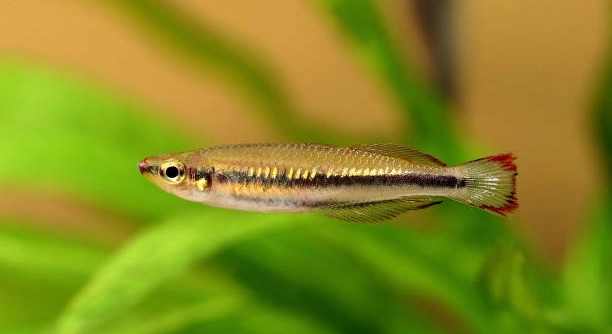
Have you ever watched your fish swim and wondered if it feels truly at ease in its tank? Observing fish behavior can reveal much about their well-being and the environment you provide for them.
Comfortable fish display steady swimming patterns, regular feeding habits, and minimal signs of stress. Healthy coloration, smooth movement, and normal interactions with their surroundings indicate that their habitat meets their physical and psychological needs consistently.
Recognizing these signs early ensures your fish thrive and remain healthy in their aquatic home. Small changes in behavior can offer important insights.
Observing Swimming Patterns
Fish that are comfortable move smoothly and consistently through their tank. They do not dart around frantically or hide excessively. Normal swimming involves gentle turns and occasional pauses near plants or decorations. Rapid, erratic movements or staying at the surface for too long can indicate stress or poor water conditions. Over time, you will notice patterns in your fish’s behavior that reveal their comfort levels. Some fish prefer exploring the bottom while others linger in the middle of the tank. A balanced environment with adequate hiding spots and open swimming areas supports these natural behaviors. Observing these movements daily helps you detect early signs of discomfort and address issues before they affect health. Lighting, water flow, and tank mates can all influence swimming patterns, so consider these factors when monitoring your fish. Maintaining a consistent routine also helps fish feel secure and reduces stress-related behaviors in the tank environment.
Comfortable fish rarely exhibit sudden bursts of speed or long periods of inactivity. They swim naturally and calmly.
Paying attention to these swimming patterns can guide adjustments in the tank setup or care routine. Changes in movement often signal when water quality, temperature, or social conditions need attention, helping maintain a stable and healthy environment for your fish.
Feeding Habits
Healthy fish approach feeding times eagerly but without aggression. They consume their food within a reasonable period and do not leave large amounts uneaten.
Regular feeding behavior is a strong indicator of comfort. Fish that consistently eat well show that their diet and tank conditions are suitable.
Monitoring feeding habits provides insight into overall fish health. Fish that refuse food or show hesitation may be experiencing stress, illness, or inappropriate water conditions. Overfeeding can also be harmful, leading to poor water quality and digestive issues. Establishing a feeding schedule with appropriate portions encourages routine and stability, helping fish feel secure. Observing how fish interact with food can indicate social dynamics in the tank. For example, timid fish may need hiding spots or smaller meals delivered separately to reduce competition. By paying close attention to these behaviors, you can ensure fish receive the nutrition they need while maintaining a calm and balanced tank environment. Adjusting feeding methods or diet based on observed behavior keeps fish comfortable and thriving consistently.
Interaction With Tank Environment
Comfortable fish explore their surroundings without fear. They investigate plants, decorations, and hiding spots calmly and repeatedly.
Fish that interact naturally with their environment are showing signs of security and trust in their habitat. They swim near plants, weave through decorations, and occasionally rest in shaded areas without appearing stressed. This behavior suggests they recognize the tank as safe and predictable. Changes in water temperature, lighting, or decoration placement can temporarily alter their exploration patterns. Fish that are uncomfortable may cling to one corner, avoid open areas, or hide constantly. Monitoring these interactions helps identify environmental needs and improvements. A well-decorated tank with varied spaces promotes mental stimulation and reduces stress, keeping fish active, confident, and healthy over time. Observing these behaviors regularly allows adjustments in tank layout and maintenance, ensuring fish remain comfortable. Comfort is reflected in curiosity and consistent engagement with the environment.
Regular interaction with surroundings shows that your fish feel secure and engaged in their home.
Tracking these behaviors over time helps you spot discomfort early. Adjusting tank decorations or flow can improve comfort and reduce stress significantly.
Color and Physical Condition
Bright, even coloration is a clear sign of healthy, comfortable fish. Faded or patchy colors can indicate stress or illness.
Healthy fish maintain smooth scales, intact fins, and clear eyes. Dull color, torn fins, or clamped tails often result from poor water quality, overcrowding, or nutritional deficiencies. Consistent observation of physical appearance allows timely action to correct these issues. Changes in water temperature, pH, or cleanliness can affect coloration quickly. Stress from aggressive tank mates may also cause visible signs of discomfort. Monitoring physical traits alongside behavior provides a full picture of fish well-being. By addressing any deviations early, you support long-term health and prevent more serious problems. Regular maintenance, proper diet, and appropriate tank conditions all contribute to sustained vibrant coloration and robust physical condition. Fish that display strong, even colors and uninjured fins are generally thriving and comfortable in their environment.
Social Behavior
Comfortable fish interact calmly with tank mates, showing neither excessive aggression nor fear. They maintain a balanced presence in the group.
They may swim together, follow each other lightly, or rest near others without signs of tension. This indicates a secure environment and healthy social dynamics within the tank.
Resting Patterns
Fish that are at ease display consistent resting patterns. They may hover in one spot or gently float near the bottom or plants.
Regular, relaxed resting periods demonstrate that fish feel safe. Erratic or prolonged hiding can indicate stress or discomfort. Monitoring these behaviors helps maintain a balanced, healthy environment.
Response to Humans
Comfortable fish often recognize your presence without fear. They may swim closer to observe movements outside the tank.
This behavior shows trust and familiarity with daily routines, signaling that the tank environment supports their sense of safety.
FAQ
How can I tell if my fish is stressed?
Signs of stress include erratic swimming, hiding constantly, clamped fins, faded colors, or loss of appetite. Fish may also stay near the surface or bottom for long periods. Monitoring water quality, tank mates, and feeding routines can help identify the source of stress and prevent long-term health issues.
Why does my fish hide so much?
Frequent hiding can indicate discomfort due to water conditions, aggression from tank mates, or insufficient hiding spaces. Some fish naturally spend more time in sheltered areas, but sudden changes in hiding behavior are often a signal to check tank parameters and overall environment.
Is it normal for fish to swim slowly?
Yes, slow swimming is normal if fish are exploring, resting, or feeding. However, if lethargy persists, it may point to poor water quality, low oxygen levels, or illness. Observing patterns over several days helps determine whether slow movement is healthy or a warning sign.
How often should I check water parameters?
Testing water regularly, at least once a week, is crucial. Temperature, pH, ammonia, nitrite, and nitrate levels all affect fish comfort. Sudden changes can stress fish, so keeping a consistent maintenance routine ensures the tank environment stays stable and supportive of healthy behavior.
Can my fish recognize me?
Yes, fish can recognize their owner over time through consistent presence and feeding routines. Comfortable fish may swim toward you, follow your movements outside the tank, or become more active during feeding times, reflecting trust and familiarity.
What are signs of a comfortable fish during feeding?
Comfortable fish approach food confidently, eat without hesitation, and do not compete aggressively with tank mates. They finish their meals promptly without leaving large amounts behind. Irregular or disinterested feeding may indicate stress, illness, or environmental issues that need attention.
How do tank decorations affect fish comfort?
Providing plants, rocks, and hiding spots allows fish to explore and feel secure. A well-arranged tank reduces stress, encourages natural behaviors, and supports social interactions. Avoid overcrowding the tank, as excessive decorations can limit swimming space and trigger territorial disputes among fish.
Why is coloration important for assessing comfort?
Bright, even coloration typically indicates good health and comfort. Dull or patchy colors can be caused by stress, poor water quality, or nutritional deficiencies. Regularly observing physical appearance alongside behavior provides a full understanding of your fish’s well-being.
How can I encourage natural behavior in my fish?
Providing a stable environment with consistent feeding, proper water conditions, and varied spaces for exploration helps fish display natural behaviors. Observing interactions, resting patterns, and swimming habits allows you to adjust the environment to maintain comfort and reduce stress.
What should I do if my fish shows signs of illness?
Immediately check water parameters, review diet, and observe tank mates. Separate the affected fish if necessary and consult care guidelines or a veterinarian. Prompt action prevents illness from spreading and ensures the affected fish receives appropriate treatment while maintaining overall tank health.
How can I tell if my fish feels secure with tank mates?
Comfortable fish swim calmly around others, share spaces without aggression, and engage in balanced social interactions. Sudden chasing, hiding, or fin nipping may indicate stress or compatibility issues. Adjusting tank population or rearranging decorations can help restore a peaceful environment.
Does lighting affect fish comfort?
Yes, lighting influences activity and stress levels. Consistent light cycles help regulate natural rhythms, while sudden changes or overly bright lighting can startle fish. Providing shaded areas or plants allows fish to retreat when needed, enhancing overall comfort and reducing stress.
How long does it take for fish to adjust to a new tank?
Adjustment can take days to weeks depending on species, tank setup, and social dynamics. Observing swimming patterns, feeding habits, and interaction with decorations helps determine when fish are comfortable. Patience and stable conditions are key to supporting a smooth transition.
Can stress affect fish health long-term?
Chronic stress can lead to weakened immune systems, disease, poor coloration, and abnormal behaviors. Maintaining consistent water quality, providing proper diet, and ensuring a balanced social environment helps prevent long-term health problems and keeps fish comfortable in their habitat.
What is the best way to monitor fish comfort daily?
Observe swimming patterns, resting spots, feeding behavior, coloration, and interactions with tank mates. Take notes on changes and adjust environmental factors if needed. Regular observation allows for early detection of stress or illness, helping fish maintain optimal health and comfort.
How does tank size influence fish comfort?
Adequate space is essential for swimming, exploring, and social interaction. Overcrowded tanks increase aggression and stress, while properly sized tanks allow fish to exhibit natural behaviors, rest safely, and interact without constant competition, ensuring long-term comfort and well-being.
What role does diet play in fish comfort?
A balanced diet supports energy, coloration, and overall health. Poor nutrition can lead to lethargy, dull colors, and weakened immune systems. Feeding a variety of appropriate foods in the correct amounts maintains physical health and helps fish feel comfortable and active in their environment.
How can I tell if my fish is happy?
Signs of a happy, comfortable fish include smooth swimming, active exploration, vibrant coloration, regular feeding, relaxed resting, and positive interactions with tank mates. Observing these behaviors consistently indicates that the tank environment meets their physical and psychological needs.
What adjustments can improve fish comfort quickly?
Check water quality, maintain proper temperature, adjust lighting, provide hiding spots, and monitor feeding routines. Small, consistent adjustments help fish feel secure, reduce stress, and encourage natural behaviors, supporting both immediate and long-term comfort in their tank.
Final Thoughts
Taking care of fish involves more than just feeding them and cleaning the tank. Observing their behavior and environment carefully can tell you a lot about how comfortable they are. Comfortable fish display steady swimming, consistent feeding, vibrant colors, and calm interactions with other fish and their surroundings. These signs are not always obvious at first, but with regular attention, they become clear. By understanding the patterns of your fish, you can create a habitat that meets both their physical and emotional needs. Every detail matters, from water quality and temperature to decorations and hiding spaces. Small changes can have a big impact on their comfort and overall health. Fish that are secure in their environment are more likely to eat well, grow properly, and display natural behaviors that make them easier to observe and enjoy. Consistency in care is key, as sudden changes can cause stress and disrupt their routines.
Water quality is one of the most important factors in fish comfort. Regular testing and maintenance prevent harmful levels of ammonia, nitrites, and nitrates. Temperature, pH, and filtration must be stable, as even small fluctuations can affect fish behavior and health. Feeding habits also play a role. Fish that are fed a balanced diet on a consistent schedule are more active and show natural behaviors. Observing how they approach food and interact during feeding provides insight into their comfort. Providing a variety of hiding spots, plants, and decorations gives them areas to explore or retreat to when needed. Social dynamics are important as well. Fish that live with compatible tank mates tend to be less stressed and more active. Monitoring interactions ensures aggression is minimized and everyone in the tank feels secure. All these factors together create an environment that encourages healthy and comfortable behavior.
Comfortable fish show subtle signs that may be easy to miss without careful observation. They rest in calm areas, swim without fear, interact gently with other fish, and respond calmly to human presence. Paying attention to these details allows you to notice changes that could signal stress or illness early. Adjustments to tank conditions, diet, or social settings can improve their comfort quickly. Over time, developing a routine of observation and maintenance helps you maintain a stable environment that supports their long-term well-being. Remember, every fish is different, and learning their individual behaviors will help you understand what makes them feel safe and healthy. With patience, care, and attention, you can ensure your fish thrive in an environment that meets their needs and promotes natural, relaxed behavior. Comfortable fish are not only healthier but also easier and more enjoyable to care for, creating a rewarding experience for both the fish and their caretaker.

Hello,
If you enjoy the content that we create, please consider saying a "Thank You!" by leaving a tip.
Every little bit helps us continue crafting quality advice that supports the health, happiness, and well-being of pets around the world, for pets of all shapes, sizes, and species.
We really appreciate the kindness and support that you show us!