
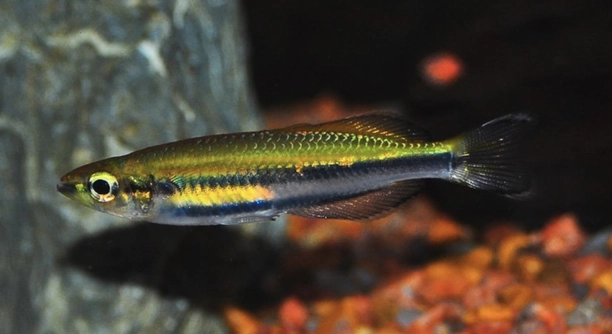
Have you ever noticed your rainbowfish moving rapidly near the water surface, their gills opening and closing faster than usual? Observing these changes can be worrying, especially when your fish usually swims calmly and gracefully.
Heavy breathing in rainbowfish is most often caused by low oxygen levels, poor water quality, or stress. High ammonia, nitrite, or nitrate concentrations can irritate gills, while sudden temperature shifts or overcrowding may also trigger rapid gill movement.
Recognizing these signs early helps protect your fish and maintain a healthy aquarium environment for all your aquatic pets.
Common Causes of Heavy Breathing in Rainbowfish
Rainbowfish often breathe heavily due to environmental stressors that affect their gill function. Poor water quality is the most frequent factor, including high levels of ammonia, nitrites, or nitrates. Uneaten food, decaying plants, and waste can quickly degrade water conditions. Low oxygen levels also contribute, especially in tanks with poor circulation or dense planting. Temperature fluctuations can shock fish, making them breathe faster as their metabolism adjusts. Overcrowding is another issue; too many fish in a small tank increases competition for oxygen and space, leading to stress and rapid gill movement. Even seemingly minor changes, such as introducing new tank mates, can trigger heavy breathing. Observing the fish’s behavior and checking water parameters regularly can prevent long-term health problems. By understanding the factors affecting your rainbowfish, you can take proactive steps to create a stable and safe environment, minimizing stress and promoting healthy breathing patterns.
Monitoring water quality and tank conditions regularly helps maintain healthy fish.
Keeping a stable routine for feeding and tank maintenance significantly reduces stress. Regular water changes, proper filtration, and ensuring adequate space for each fish are key steps. Consistent monitoring of temperature and oxygen levels keeps rainbowfish comfortable and less prone to heavy breathing. Paying attention to the signs early prevents more serious health issues.
How to Improve Your Rainbowfish’s Breathing
Adjusting oxygen levels is essential if your fish show heavy breathing. Increasing aeration with an air stone or stronger filter circulation can help. Ensure the water is clean and free of excess waste by performing regular partial water changes. Removing uneaten food promptly reduces ammonia spikes, which irritate gills. Controlling temperature is also important; stable temperatures prevent metabolic stress that causes rapid gill movement. Spacing fish appropriately avoids overcrowding, allowing each rainbowfish access to oxygen-rich areas of the tank. Observing fish for signs of illness or infection ensures early treatment before breathing issues worsen. By implementing these measures, you create a safer and more stable environment.
Addressing water quality, temperature, and space will improve rainbowfish health.
Consistent care and attention to tank conditions are vital for preventing heavy breathing. Start by testing water weekly for ammonia, nitrite, nitrate, and pH. Maintain a regular cleaning schedule, including siphoning debris and replacing a portion of the water to keep conditions balanced. Ensure proper filtration that circulates water without causing stress from excessive current. Monitor temperature carefully, keeping it within the species-specific range to prevent metabolic issues. Overcrowding should be avoided by maintaining the appropriate number of fish per gallon and providing hiding spots to reduce stress. Observing behavior and acting promptly when heavy breathing appears ensures long-term health. Additionally, consider the diet; overfeeding can lead to waste accumulation, so feed only what the fish consume in a few minutes. By combining proper nutrition, stable water parameters, and thoughtful tank management, rainbowfish can thrive with normal breathing patterns, vibrant colors, and active swimming behavior.
Recognizing Symptoms Beyond Heavy Breathing
Other signs often accompany heavy breathing in rainbowfish, including lethargy, clamped fins, or loss of appetite. Pale or faded coloration can indicate stress or poor water conditions. Watching for unusual swimming patterns or gasping at the surface can help identify underlying problems early.
Noticing subtle changes in behavior is crucial for rainbowfish care. They may become less active or hide more often when stressed or ill. Fin clamping, frayed fins, or sudden color changes often signal water quality issues or disease. Rapid breathing may also coincide with erratic swimming, showing discomfort. Tracking feeding habits provides insight, as fish that refuse food may be struggling with oxygen or ammonia levels. Consistent observation allows early intervention before conditions worsen, improving recovery chances and overall health.
Regular checks of water parameters and visual behavior help prevent severe problems. Monitoring temperature, ammonia, nitrites, nitrates, and pH ensures the environment remains safe. Providing hiding spaces reduces stress and encourages normal behavior. Noticing even small behavioral changes lets you act quickly, preventing minor issues from becoming major health concerns. Recording observations can help identify patterns over time and guide adjustments in care routines. Keeping a stable environment with clean water, proper feeding, and appropriate stocking levels reduces the risk of heavy breathing and supports a thriving aquarium.
Immediate Actions to Take
If heavy breathing is observed, start with a water test to identify any spikes in ammonia, nitrites, or nitrates. Adjusting oxygen levels through aeration or circulation can provide relief while addressing water quality.
Partial water changes are an effective first step to remove harmful substances quickly. Using an air stone or stronger filter increases oxygen availability, which helps fish recover from short-term stress. Ensure the tank temperature is stable, as sudden fluctuations can worsen breathing difficulties. Removing uneaten food and cleaning substrate also prevents further ammonia buildup. Temporary separation of affected fish may reduce stress from tank mates. Taking these immediate measures while monitoring water parameters provides the best chance for quick improvement and prevents more serious complications.
Long-term care involves maintaining regular tank maintenance schedules, proper feeding, and consistent monitoring. Frequent water testing ensures that ammonia, nitrite, and nitrate levels remain safe. Adjusting aeration and filtration as the tank grows or changes keeps oxygen levels adequate. Avoid overstocking and provide hiding spaces to minimize stress. Feeding only the amount fish can consume within a few minutes prevents excess waste. Observing behavior daily helps detect early signs of illness or environmental issues. Combining these practices maintains stable conditions, supporting healthy breathing, vibrant coloration, and active swimming behavior over time.
Water Quality Management
Keeping water clean is essential for rainbowfish health. Regular testing for ammonia, nitrites, nitrates, and pH ensures conditions stay stable. Consistent partial water changes remove toxins and maintain a safe environment.
Proper filtration and aeration help maintain oxygen levels. Cleaning filters and avoiding overfeeding reduces waste buildup, keeping fish comfortable.
Temperature and Oxygen Control
Stable temperature prevents metabolic stress, which can trigger heavy breathing. Using a reliable heater or thermometer ensures water remains within the species-specific range. Adequate aeration through air stones, filters, or pumps provides sufficient oxygen, especially in densely stocked tanks or during warmer months. Maintaining both temperature and oxygen is critical for preventing respiratory stress.
Nutrition and Feeding
Overfeeding can worsen water quality and lead to rapid gill movement. Feeding small, measured amounts ensures fish consume food fully, reducing leftover waste. Providing a balanced diet supports overall health, strengthens immunity, and helps rainbowfish recover quickly from stress or minor illnesses.
Observing Behavioral Changes
Monitoring swimming patterns, fin movement, and appetite helps detect early problems. Subtle changes often indicate stress, disease, or poor water conditions, allowing timely intervention before issues escalate.
FAQ
Why is my rainbowfish breathing heavily even though the water looks clean?
Even if water appears clear, harmful substances like ammonia, nitrites, or nitrates can be present at low levels that irritate gills. Fish may also respond to subtle oxygen drops or temperature changes. Testing the water and checking aeration is the best way to identify invisible stressors.
Can overcrowding cause heavy breathing in rainbowfish?
Yes, overcrowding increases competition for oxygen and space. Even if the tank seems large enough, too many fish reduce water quality faster and create stress. Ensuring proper stocking levels and providing hiding spots helps maintain normal breathing and reduces aggressive behavior.
Does temperature affect breathing in rainbowfish?
Temperature directly impacts metabolism. Sudden drops or spikes make fish breathe faster as their body adjusts. Maintaining a stable, species-appropriate temperature helps prevent stress and heavy breathing. Using a heater and thermometer is essential, especially in smaller tanks prone to fluctuations.
Can diet influence breathing patterns?
Overfeeding or poor-quality food can lead to ammonia spikes in the water, irritating gills. Feeding small, balanced portions ensures that waste levels remain low and oxygen availability is sufficient. A varied diet also strengthens immunity and overall health.
Are heavy breathing and disease connected?
Heavy breathing can indicate infections like gill parasites or bacterial problems. If breathing is paired with lethargy, fin damage, or unusual spots, a water treatment or veterinary advice may be necessary. Prompt action improves recovery chances.
How quickly should I respond to heavy breathing?
Immediate attention is important. Test water parameters, adjust aeration, and perform partial water changes. Quick intervention can prevent further stress, illness, or death. Monitoring behavior daily helps catch issues before they become severe.
Will adding an air stone help my rainbowfish?
Yes, increasing oxygen through an air stone or stronger filter circulation can relieve breathing stress. Ensure bubbles do not create excessive current, which may stress fish further. Proper placement in the tank allows even oxygen distribution.
Can tank decorations affect breathing?
Dense plants or decorations that reduce water circulation may create low-oxygen zones. Arranging plants and ornaments to allow water movement improves oxygen distribution and prevents heavy breathing. Open swimming spaces are important for active fish like rainbowfish.
Is water change frequency important?
Frequent partial water changes maintain low toxin levels and stable conditions. A schedule of weekly or biweekly changes, depending on tank size and stocking, helps prevent ammonia buildup, reduces stress, and promotes steady breathing patterns.
How can I tell if heavy breathing is temporary or serious?
Temporary heavy breathing may occur during feeding, sudden light changes, or brief temperature shifts. Persistent rapid gill movement, especially with other symptoms like lethargy or color fading, usually signals a serious problem. Observation and water testing are key to determining the cause.
Can mixing species in a tank cause breathing issues?
Yes, incompatible tank mates can stress rainbowfish. Aggressive or very active species may chase or compete for space, causing rapid breathing. Choosing peaceful companions and monitoring interactions helps maintain a calm environment.
Does lighting affect breathing?
Excessive or sudden changes in lighting can stress fish. Bright or flickering lights may make them swim nervously near the surface, leading to heavier breathing. Providing consistent and moderate lighting levels reduces stress and promotes normal activity.
How long does it take for rainbowfish to recover from stress-induced heavy breathing?
Recovery depends on the cause. Correcting water quality, improving oxygen, and stabilizing temperature can show improvements in a few hours to days. Persistent symptoms after environmental adjustments may indicate disease and require further intervention.
Can poor filtration lead to breathing problems?
Yes, inadequate filtration reduces oxygen and allows waste to accumulate, irritating gills. Ensuring the filter is rated for your tank size, cleaned regularly, and properly maintained is essential for healthy breathing.
Is heavy breathing more common in certain rainbowfish species?
Some species are more sensitive to oxygen and water quality. Researching species-specific needs helps prevent stress. Tropical rainbowfish generally require stable water conditions, moderate temperatures, and sufficient space for active swimming.
Are there long-term effects of prolonged heavy breathing?
Chronic stress and oxygen deprivation can weaken immunity, stunt growth, and increase susceptibility to disease. Maintaining stable water parameters, proper diet, and low-stress conditions ensures long-term health and normal breathing behavior.
Can seasonal changes affect breathing?
Yes, shifts in room temperature or sunlight exposure can alter water temperature, indirectly affecting oxygen levels. Seasonal monitoring and adjustments in heater settings or aeration help maintain steady conditions year-round.
Is it normal for rainbowfish to breathe near the surface?
Occasional surface breathing is normal, especially during feeding or high activity. Frequent gasping or staying at the surface indicates low oxygen or stress. Regular monitoring and tank adjustments are necessary to ensure safety.
How can I prevent heavy breathing in the future?
Maintaining clean water, proper oxygenation, stable temperature, balanced feeding, and appropriate stocking levels prevents most breathing issues. Consistent observation and care routines allow early detection of minor problems before they escalate.
Final Thoughts
Heavy breathing in rainbowfish is often a signal from your fish that something in the tank environment is not quite right. It can be caused by low oxygen, poor water quality, overcrowding, temperature changes, or even stress from new tank mates. Observing your fish regularly and noticing small changes in behavior or appearance can help you catch problems before they become serious. While the gills of rainbowfish move quickly during heavy breathing, this is not always a sign of illness. Environmental factors are often the main reason behind these changes, so taking immediate steps to check water quality, temperature, and tank setup can make a significant difference. A stable and clean tank environment allows rainbowfish to breathe normally, swim actively, and maintain their bright, vibrant colors.
Maintaining proper water conditions is the most effective way to prevent heavy breathing. Regular testing for ammonia, nitrites, nitrates, and pH ensures that the tank remains safe and healthy. Performing partial water changes on a consistent schedule removes waste and reduces toxins that irritate gills. Proper filtration and aeration help maintain oxygen levels, while carefully managing stocking density prevents overcrowding and stress. Feeding the right amount of high-quality food and promptly removing uneaten food also contributes to a healthier environment. By focusing on these basics, you can reduce the risk of heavy breathing and create a stable habitat for your rainbowfish. Paying attention to small details, such as water circulation around decorations or hiding spaces, further supports normal breathing patterns and reduces stress for all tank inhabitants.
Behavioral observation is just as important as water maintenance. Noticing changes in appetite, swimming patterns, or color can indicate stress or environmental problems. Heavy breathing combined with other symptoms, such as clamped fins, lethargy, or unusual spots, may suggest illness and should be addressed promptly. Immediate actions like adjusting aeration, performing a water change, or temporarily isolating stressed fish can prevent further complications. Over time, consistent care routines, including stable temperature, regular maintenance, and proper feeding, promote long-term health. By combining these practices, rainbowfish can thrive in your aquarium, displaying natural behavior and healthy breathing patterns, which ensures a vibrant and balanced aquatic environment.

Hello,
If you enjoy the content that we create, please consider saying a "Thank You!" by leaving a tip.
Every little bit helps us continue crafting quality advice that supports the health, happiness, and well-being of pets around the world, for pets of all shapes, sizes, and species.
We really appreciate the kindness and support that you show us!