
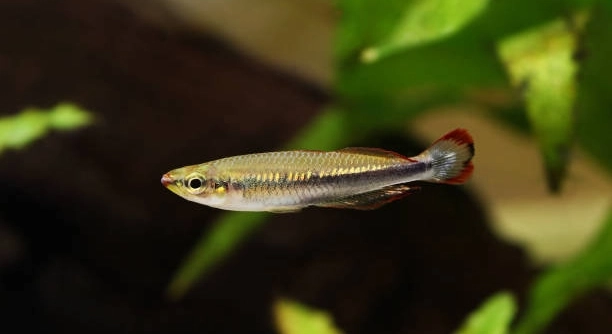
Rainbowfish are small, colorful freshwater fish that brighten up many aquariums. Their lively movements make them fun to watch, but their sleeping habits are often overlooked, leaving many fish owners unaware of how these creatures rest at night.
Rainbowfish sleep by reducing activity and remaining still near the bottom or among plants. They do not have eyelids, so they rest while keeping their eyes open, maintaining alertness for predators or sudden environmental changes in their habitat.
Learning about these behaviors can help improve aquarium care and ensure rainbowfish remain healthy and stress-free in captivity.
How Rainbowfish Choose Their Sleeping Spots
Rainbowfish prefer calm areas of the tank when it’s time to rest. They often settle near plants, decorations, or corners where the water is less disturbed. These spots provide a sense of safety and reduce stress, allowing them to relax properly. Light levels play a key role as well. During the day, rainbowfish swim actively in open spaces, but when evening approaches, they instinctively seek shaded or dimly lit areas. Many fish will hover near the substrate, using rocks or plants to hide partially. Temperature and water flow also influence where they choose to sleep. Cooler areas with gentle currents are ideal, while strong currents can keep them awake and fatigued. Observing your rainbowfish during this time can reveal subtle preferences and help you adjust the tank layout for comfort. Ensuring multiple sheltered spots will accommodate all fish, particularly if the tank has several rainbowfish competing for resting areas.
Resting near plants or corners keeps rainbowfish calm and reduces stress, helping them maintain regular sleep patterns and overall health.
Providing a variety of hiding places in your aquarium is essential for rainbowfish comfort. Plants, rocks, or other decorations mimic their natural environment, letting them choose preferred sleeping spots. Some fish will change locations depending on water temperature, light, or activity in the tank. Observing these patterns can inform adjustments, improving their wellbeing and making the aquarium a more balanced space for every fish.
Sleeping Patterns and Light Sensitivity
Rainbowfish are highly sensitive to light, which affects when and how they sleep.
These fish rely on natural cues to regulate sleep, becoming more still as light decreases. They may cluster in shaded areas or near the tank’s bottom. Sudden changes in lighting can disrupt this pattern, causing stress and irregular rest. Consistent lighting schedules mimic natural day-night cycles, allowing their bodies to adapt. Bright or fluctuating lights during nighttime hours can make rainbowfish more active than normal, leaving them fatigued during the day. Some species show subtle movements while resting, such as fin twitches, which is normal behavior. Observing the tank in low light can reveal these patterns and highlight which areas are preferred for resting. Providing dim corners, floating plants, or decorations can help regulate their sleep. Consistent temperature and calm water flow combined with proper lighting ensure rainbowfish rest efficiently, promoting growth, immune health, and natural behavior within the aquarium. Proper care ensures these vibrant fish maintain their colors and energy levels.
Nighttime Activity Levels
Rainbowfish slow down significantly at night, moving only when necessary. Most of their energy is conserved, and they often remain in one spot for long periods, appearing almost motionless while still alert to the environment.
Even while appearing still, rainbowfish remain aware of their surroundings. They may make small fin or tail movements to maintain balance or adjust position. This low activity period is crucial for their health, allowing their metabolism to rest and repair the body. Maintaining a calm and quiet tank at night helps them stay stress-free. Strong currents or sudden disturbances can disrupt this natural rest, leading to fatigue and weaker immune responses over time. Observing nighttime behavior can give insights into tank comfort and highlight if adjustments, like adding more hiding spots, are needed for optimal health.
Monitoring these patterns also helps identify any irregularities in behavior. If a fish remains unusually active or hides excessively, it may signal stress or illness. Adjusting light schedules, tank layout, or water conditions can restore normal nighttime activity. Regular observation ensures rainbowfish maintain consistent rest and overall wellbeing.
Group Sleeping Behavior
Rainbowfish often rest in small groups, staying close to one another for safety.
Group sleeping provides security and reduces stress, as individuals feel less vulnerable to sudden threats. Fish in a group can detect disturbances more easily and respond collectively, even while resting.
Being in a group allows rainbowfish to share safe spots and maintain social bonds, which are important for their natural behavior. In a community tank, fish may synchronize their sleeping patterns, choosing similar areas to rest. This behavior can vary depending on species and tank setup. Overcrowding, however, may cause competition for resting spots, leading to stress. Ensuring enough space and hiding places allows all fish to rest comfortably. Observing how rainbowfish position themselves in groups can inform tank design and improve their overall health, making the aquarium a more harmonious environment.
Resting Positions
Rainbowfish often rest near the bottom or among plants, keeping their bodies close to surfaces. This position helps them feel secure and minimizes exposure to perceived threats.
Some may angle themselves slightly or hover in place. These subtle adjustments help them maintain balance and reduce energy use while sleeping.
Response to Disturbances
Even while resting, rainbowfish can react quickly to sudden movements or changes in the tank. Their alertness allows them to swim away or hide immediately. Maintaining a calm environment is important to prevent unnecessary stress. Regular nighttime disturbances can disrupt sleep, affecting overall health and energy levels.
Influence of Water Quality
Clean, stable water supports healthy sleep patterns. Poor water conditions, such as high ammonia or sudden temperature changes, can stress fish and reduce resting periods.
How do rainbowfish sleep without eyelids?
Rainbowfish do not have eyelids, so they cannot close their eyes to sleep. Instead, they rest by slowing down their movements and staying still in secure areas of the tank. Their bodies reduce energy use, and they hover or settle near plants, rocks, or the bottom. Even with eyes open, they remain alert enough to detect sudden disturbances or potential threats. This unique adaptation allows them to rest while staying responsive to the environment.
Is it normal for rainbowfish to move slightly while sleeping?
Yes, slight movements are normal. Small fin or tail twitches help maintain balance and posture. These movements do not mean the fish is awake but are part of their resting behavior. It is a way for them to adjust position or stay oriented in the water.
Why do rainbowfish sleep in groups?
Rainbowfish often sleep near one another to feel safer. Group sleeping reduces stress and allows them to detect disturbances more quickly. Fish in groups may synchronize rest times, creating a calmer tank environment. Providing enough space and hiding spots ensures all fish can rest comfortably without competition.
How does light affect rainbowfish sleep?
Rainbowfish rely on light cues to regulate their sleep patterns. Dim lighting or shaded areas signal it’s time to rest. Sudden bright light at night can disturb them, causing stress and irregular sleeping habits. A consistent day-night light schedule helps maintain normal activity and rest cycles.
Can water temperature impact their sleep?
Yes, temperature affects sleep. Cooler water in the evening encourages resting behavior, while sudden temperature fluctuations can cause activity or stress. Maintaining stable water conditions supports proper metabolic rest and overall health, ensuring rainbowfish get adequate sleep.
What are signs of disturbed sleep in rainbowfish?
Disturbed sleep may show as excessive hiding, unusual activity at night, or lethargy during the day. These behaviors indicate stress, poor water conditions, or insufficient hiding spots. Observing these patterns can help identify problems and adjust tank care.
Do rainbowfish dream?
Fish do not dream in the way humans do. Their sleep is more about resting the body and conserving energy. Even without eyelids, their brains go through periods of reduced activity similar to deep rest in other animals.
How can I create the ideal sleeping environment?
Provide plants, decorations, and calm areas for resting. Keep water quality stable, regulate temperature, and maintain a consistent light schedule. Avoid sudden disturbances at night. Multiple sheltered spots help all fish find comfort, especially in tanks with several rainbowfish. Observing preferred resting areas allows fine-tuning for their wellbeing.
Do all rainbowfish species sleep the same way?
Most species share similar patterns: resting in groups, slowing movements, and seeking safe areas. However, specific preferences for hiding spots, water depth, or plant coverage can vary. Understanding each species’ behavior helps in creating an optimal tank setup tailored to their needs.
How long do rainbowfish sleep?
Rainbowfish do not have a strict sleep duration like humans. They typically rest during the night, slowing activity for several hours. Light cycles, tank conditions, and stress levels influence how long they stay still. Observing their daily patterns helps maintain a stable environment for proper rest.
Can stress affect rainbowfish sleep?
Yes, stress directly impacts rest. Overcrowding, poor water quality, sudden movements, or aggressive tank mates can disturb sleep. Stress can lead to fatigue, reduced immunity, and even health issues. Creating a calm, spacious, and stable environment promotes uninterrupted resting periods.
Is it necessary to turn off aquarium lights at night?
Turning off lights or using dim lighting at night mimics natural day-night cycles. This encourages rest and reduces stress. Constant bright lighting can confuse fish, interfere with sleep, and negatively affect overall health. A predictable lighting schedule is beneficial for rainbowfish wellbeing.
How can I tell if my rainbowfish are well-rested?
Well-rested rainbowfish are active during the day, display normal colors, and maintain regular swimming patterns. They occupy open areas confidently and feed without hesitation. Observing their daily activity provides insight into whether tank conditions support proper rest.
Do rainbowfish prefer the bottom or middle of the tank to sleep?
Most prefer lower or mid-level areas with coverage from plants or decorations. These spots provide safety and reduce stress. However, individual preferences vary, and providing multiple resting levels ensures all fish find a comfortable spot.
Can feeding schedules impact their sleep?
Yes, feeding late at night may keep rainbowfish active and disrupt rest. Feeding during daylight hours aligns with their natural activity patterns, supporting a healthy sleep-wake cycle and overall metabolism.
Are there signs of illness related to sleep changes?
Changes in sleep patterns, such as excessive hiding, constant movement at night, or lethargy, can indicate illness or stress. Monitoring these behaviors alongside water quality and tank conditions helps detect problems early, allowing timely care and treatment.
Do rainbowfish ever nap during the day?
Occasionally, rainbowfish may reduce activity during the day, especially if they feel stressed or overfed. Short periods of rest help conserve energy, but most significant sleep occurs during nighttime hours when light levels decrease.
How can I track sleep patterns effectively?
Observing fish in low light or using a dim lamp allows you to watch resting behavior without disturbance. Taking notes on preferred spots, group behavior, and activity levels helps identify patterns, guiding adjustments to tank setup and care routines.
What tank setup encourages natural sleeping behavior?
Provide plants, rocks, and hiding areas, maintain stable water temperature, and use a consistent lighting schedule. Ensure gentle water flow and reduce nighttime disturbances. Adequate space and a variety of sheltered spots allow rainbowfish to rest naturally and reduce stress.
Does tank size affect sleep quality?
Yes, smaller or overcrowded tanks can stress rainbowfish, causing disrupted sleep and competition for hiding spots. Adequate space with sufficient plants or decorations ensures all fish can rest comfortably, promoting better health and natural behavior patterns.
Can sleep patterns indicate overall wellbeing?
Sleep patterns reflect stress, water quality, and tank comfort. Healthy, well-rested rainbowfish show consistent nighttime rest, daytime activity, and proper coloration. Irregular sleep is often a warning sign of environmental or health issues that need addressing promptly.
Is it okay for rainbowfish to sleep in open areas?
Some fish may rest in open areas if they feel secure. However, providing sheltered spots is important, as open sleeping can increase stress and vulnerability. Observing preferences helps optimize tank layout for comfort and safety.
How important is consistency for rainbowfish sleep?
Consistency in lighting, temperature, and environment is crucial. Sudden changes disrupt sleep, leading to stress and fatigue. Maintaining predictable routines supports proper rest, healthy metabolism, and overall fish wellbeing.
Can other tank inhabitants affect rainbowfish sleep?
Yes, aggressive or overly active tank mates can disturb resting fish. Ensuring compatible species and providing sufficient hiding areas reduces conflict, allowing rainbowfish to sleep without interruptions and maintain natural behavior.
Are there behavioral signs of deep sleep?
Deep sleep may be indicated by stillness, minimal movement, and clustering near plants or bottom areas. While eyes remain open, reduced responsiveness to minor disturbances is normal. Monitoring these behaviors helps confirm healthy resting patterns.
Do rainbowfish require any special care for sleep?
Proper tank setup, stable water quality, consistent lighting, and sufficient hiding spots support sleep. Avoid sudden disturbances at night, maintain a calm environment, and observe behavior to ensure fish are resting adequately for long-term health.
Can lighting color affect their sleep?
Soft, dim lighting at night is less disruptive. Bright or harsh lighting can increase activity and stress, reducing rest quality. Using subtle lighting or turning lights off at night promotes natural sleep cycles.
Is group size important for sleep quality?
Yes, small groups provide security, while overcrowding can increase competition for spots. Balanced group sizes with adequate space and hiding areas ensure rainbowfish sleep comfortably and remain stress-free.
Do rainbowfish ever sleep at the surface?
Surface resting is uncommon and usually occurs when fish feel safe or if there is insufficient coverage elsewhere. Providing plants and mid-level hiding spots encourages more natural resting behavior.
How does tank decoration placement influence sleep?
Strategically placing plants, rocks, and hiding areas allows rainbowfish to choose secure spots. Varied heights and locations cater to different species and personalities, ensuring all fish can rest without disturbance.
Can poor diet affect sleep?
Yes, improper nutrition can increase restlessness or lethargy, impacting sleep quality. A balanced diet supports metabolism, energy levels, and normal rest patterns, contributing to overall health and wellbeing.
Is it normal for some fish to sleep while others remain active?
Yes, variations exist due to individual temperament, age, or health. Providing multiple resting areas ensures all fish can sleep without stress or interruption from more active tank mates.
How long should I observe sleep behavior to understand patterns?
Observing over several nights helps identify consistent resting spots, group habits, and responses to disturbances. Regular monitoring ensures tank conditions support healthy sleep and highlights areas for improvement in care or layout.
Does tank noise affect sleep?
Loud vibrations or frequent tapping can disturb rest. Keeping the tank in a quiet area reduces stress and allows rainbowfish to maintain consistent, undisturbed sleep cycles.
Can sleep deprivation affect growth?
Yes, disrupted sleep can slow growth, reduce immunity, and increase vulnerability to disease. Ensuring a calm environment, proper nutrition, and consistent light cycles supports healthy development and long-term vitality.
Is it necessary to separate sick fish for sleep?
Separating sick or stressed fish can reduce disturbance to healthy fish and allow better rest for the affected individual. Providing quiet, low-stress areas aids recovery and maintains overall tank harmony.
Do rainbowfish need the same sleep conditions in freshwater and brackish water?
Yes, stability in water parameters, hiding spots, and lighting remains important. Adjustments may be needed for salinity or temperature, but core principles of safe resting areas and minimal disturbances still apply.
Can observation improve tank setup?
Yes, watching sleeping behavior reveals preferred hiding spots, group interactions, and areas prone to disturbances. Adjusting plant placement, decorations, and lighting based on observation ensures rainbowfish sleep comfortably and naturally.
Do rainbowfish ever sleep upright or tilted?
Some may adopt slight angles while resting, which is normal. Subtle positioning adjustments help balance and conserve energy while maintaining readiness to react to sudden disturbances.
Is water current important for sleep?
Gentle currents are acceptable, but strong or turbulent water can prevent rest. Calm areas or corners allow rainbowfish to conserve energy and maintain stable sleep patterns.
Can seasonal changes affect sleep?
Changes in natural light cycles or temperature may alter resting behavior. Simulating consistent day-night periods and stable conditions helps maintain predictable sleep patterns year-round.
Does age influence sleep patterns?
Younger rainbowfish may be more active and require longer rest, while older fish may rest more frequently. Observing different age groups helps ensure tank conditions meet varied needs.
Are there signs of overactive sleeping behavior?
Excessive stillness or hiding may indicate stress, illness, or poor water quality. Healthy fish maintain balanced rest and daytime activity, so unusual patterns should be addressed promptly.
How important is observation for maintaining sleep health?
Regular observation helps detect changes in behavior, environmental stressors, and tank setup issues. Understanding natural sleeping patterns ensures rainbowfish remain healthy, active, and comfortable in their environment.
Does feeding variety impact sleep quality?
Providing a balanced diet supports energy levels and metabolic rest. Poor or irregular feeding can lead to restlessness or lethargy, disrupting sleep patterns and overall health.
Can tank size changes affect sleep?
Expanding or reducing tank size alters available hiding spots and water flow. Ensuring adequate space and shelter maintains proper rest, preventing stress or disrupted sleep.
How do I balance social interaction with sleep needs?
Provide enough group space and hiding areas. Social interaction supports natural behavior, but undisturbed resting spots allow all rainbowfish to sleep adequately without conflict or stress.
Does lighting duration matter?
Yes, maintaining consistent day-night light cycles ensures predictable sleep periods. Overly long or short lighting can confuse circadian rhythms, affecting rest, energy, and health.
Can tank mates disturb sleep without showing aggression?
Yes, active or curious fish can interrupt resting rainbowfish even without direct aggression. Adequate hiding spots and space reduce these disturbances.
How can I improve sleep for shy rainbowfish?
Provide extra coverage, low-traffic areas, and group companions. Observing preferred resting spots and minimizing disturbances helps shy fish sleep safely and confidently.
Are there behavioral cues that indicate comfort while sleeping?
Calm posture, stillness, and group clustering suggest comfort. Fish that move minimally, remain in secure spots, and resume normal activity smoothly show they are resting well.
Do rainbowfish require special nighttime care?
Maintaining stable water quality, low light, calm surroundings, and multiple resting areas ensures proper sleep. Observing behavior and adjusting tank setup supports long-term health.
Can stress from feeding times disrupt sleep?
Yes, feeding too late or in stressful conditions can delay rest. Aligning feeding with daylight hours supports natural activity and sleep cycles.
Do rainbowfish show preferences for specific hiding materials?
Some prefer plants, others rocks or decorations. Observing behavior helps identify favorite spots, allowing adjustments to improve comfort and sleep quality.
Can water changes affect sleep?
Sudden or large water changes may disturb rest due to altered temperature or chemical levels. Gradual, consistent maintenance preserves stable conditions for uninterrupted sleep.
Is sleep behavior different in new tanks?
Yes, fish may be cautious and hide more until familiar with the environment. Providing multiple sheltered areas encourages natural resting behavior during acclimation.
Can lighting color and intensity be adjusted for better sleep?
Soft, low-intensity lighting at night promotes calmness. Harsh lighting can increase activity or stress. Using gentle lighting or turning off lights supports natural sleep cycles.
Are there signs that the tank layout is affecting sleep?
Fish avoiding certain areas, clustering unnaturally, or showing increased movement at night indicate layout issues. Adjusting decorations, plants, or hiding spots improves sleep quality.
Does age or size affect preferred resting spots?
Younger or smaller fish may prefer dense plant cover, while older or larger fish may rest in open areas with shelter. Multiple options cater to all individuals.
How long does it take rainbowfish to adjust to new sleeping spots?
Adjustment varies by species and temperament. Typically, fish explore and gradually select comfortable locations over several days. Providing multiple options speeds adaptation.
Is observing nighttime behavior essential for tank health?
Yes, it reveals stress, preference patterns, and environmental issues. Regular observation ensures conditions support proper sleep, reducing health risks and promoting natural behavior.
Can adding floating plants improve sleep quality?
Floating plants provide shaded areas and reduce light penetration, creating safer resting spots. This encourages calm behavior and better sleep for rainbowfish.
How often should I monitor sleep behavior?
Regular nightly or low-light observation over several weeks provides insight into patterns and helps detect changes due to stress, illness, or tank adjustments.
Do rainbowfish react differently to human presence while sleeping?
Some may hide or move slightly if disturbed, while others remain still. Minimal disturbance during rest promotes natural sleeping behavior.
Is it normal for rainbowfish to sleep near water surfaces occasionally?
Yes, though uncommon, surface resting may occur if fish feel secure or if preferred hiding spots are limited. Ensuring multiple options supports natural behavior.
Can improper filtration affect sleep?
Strong currents or loud filters can disrupt rest. Gentle flow and quiet equipment maintain calm areas, ensuring uninterrupted sleep and reduced stress.
Does seasonal lighting in homes affect aquarium sleep?
Yes, natural daylight changes can influence activity. Using controlled aquarium lighting preserves consistent day-night cycles, supporting stable resting behavior year-round.
Can tank location influence sleep quality?
Yes, tanks in high-traffic or noisy areas can stress fish. Quiet, stable locations help rainbowfish rest naturally.
Is it necessary to change the tank environment for better sleep?
Adjustments like adding plants, decorations, and hiding spots improve sleep. Observing preferences ensures changes match natural behavior patterns.
Can social hierarchy impact sleep?
Dominant fish may occupy preferred spots, causing subordinate fish to hide or rest elsewhere. Providing multiple sheltered areas reduces stress and allows all fish to sleep comfortably.
Do rainbowfish require less sleep in larger tanks?
Not necessarily. Larger tanks provide more space and hiding spots, but sleep needs remain consistent. Adequate coverage is essential regardless of tank size.
Can stress from transport or handling disrupt sleep?
Yes, newly introduced or handled fish may be restless at night. Calm conditions, gentle acclimation, and adequate hiding areas help restore normal rest.
How do I know if rainbowfish are well-rested after changes?
Well-rested fish show normal activity, bright colors, smooth swimming, and regular feeding patterns. Observing these behaviors after adjustments indicates successful adaptation.
Can tank lighting timers improve sleep patterns?
Yes, timers ensure consistent day-night cycles, supporting predictable rest and maintaining circadian rhythm for healthy activity and sleep balance.
Do rainbowfish prefer individual or shared sleeping spots?
While group resting is common, individual preferences exist. Providing multiple options ensures comfort for both social and more solitary fish.
Can tank disturbances from maintenance affect sleep?
Yes, frequent nighttime cleaning or water changes can disrupt rest. Performing maintenance during the day preserves natural sleep patterns.
How does overfeeding at night affect sleep?
Late feeding may keep fish active, delaying rest. Feeding during daylight hours aligns with natural behavior, supporting proper sleep cycles.
Are there signs of sleep deprivation in rainbowfish?
Indicators include lethargy, dull coloration, irregular swimming, and stress behaviors. Observing sleep patterns helps prevent long-term health issues.
Does tank water clarity influence sleep?
Yes, murky or dirty water increases stress and may reduce rest. Maintaining clear, clean water supports calm, undisturbed sleep for rainbowfish.
Can aquarium background or decoration color affect rest?
Natural, muted colors create a sense of security. Bright or reflective surfaces may increase stress or activity, disrupting sleep.
How do I know if all fish are sleeping comfortably?
Observing stillness, minimal movement, and preference for sheltered areas indicates comfort. Adjusting layout or adding hiding spots ensures all fish rest adequately.
Does age influence group sleeping behavior?
Younger fish may cluster more for safety, while older fish may spread out. Providing options for both ensures peaceful rest for all.
Is it normal for some rainbowfish to wake earlier than others?
Yes, individual differences exist. Some may start moving as light increases, while others remain still until later. Multiple resting areas accommodate varying wake times.
Can sudden noises or vibrations wake rainbowfish?
Yes, sudden disturbances can interrupt rest. Minimizing noise near the tank helps maintain uninterrupted sleep and reduces stress.
**Do rainbowfish change sleeping spots
Rainbowfish are fascinating creatures, not just because of their bright colors and lively movements, but also because of their unique sleeping habits. Understanding how they rest is important for keeping them healthy and comfortable in an aquarium. Unlike humans, rainbowfish do not have eyelids, so they sleep with their eyes open. They slow down their movements, hover in calm areas, and sometimes rest near plants or decorations to feel secure. These resting behaviors allow them to conserve energy while staying alert to changes in their surroundings. Observing your fish during these quiet periods can provide insight into their wellbeing and help you identify whether their environment meets their needs.
Creating a supportive environment for rainbowfish sleep involves several factors. Proper lighting, water quality, and tank layout all influence how well they rest. Dim lighting or shaded areas signal nighttime, helping the fish establish a natural sleep pattern. Stable water temperature and gentle currents allow them to remain still without stress, while consistent feeding schedules support their energy levels. Providing multiple hiding spots ensures that all fish, regardless of size or social rank, can find a comfortable resting place. Even small details, such as floating plants or rock arrangements, can make a difference in how secure rainbowfish feel at night. These adjustments contribute to healthier fish, reduced stress, and a more harmonious tank.
Observing rainbowfish sleeping habits also offers an opportunity to better understand their behavior and personality. Some fish prefer to rest in groups, while others choose individual spots. Some move slightly even while resting, and others stay almost completely still. Recognizing these patterns helps in maintaining proper tank care, such as adjusting lighting, water flow, or decoration placement. It also allows for early detection of stress, illness, or environmental issues, as changes in sleep patterns are often the first sign of a problem. By paying attention to how rainbowfish sleep, you can create a comfortable, safe environment that promotes their natural behavior and overall health. This knowledge benefits both the fish and the overall balance of the aquarium, ensuring a thriving and peaceful habitat.

Hello,
If you enjoy the content that we create, please consider saying a "Thank You!" by leaving a tip.
Every little bit helps us continue crafting quality advice that supports the health, happiness, and well-being of pets around the world, for pets of all shapes, sizes, and species.
We really appreciate the kindness and support that you show us!