
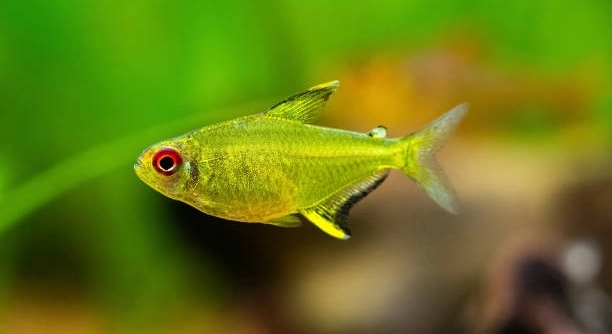
Keeping Lemon Tetras healthy requires more than just feeding them well. Water quality plays a major role in their wellbeing, and even small issues can cause stress or illness in these delicate fish. Proper care starts with attention to their environment.
Lemon Tetras are highly sensitive to water conditions, and common problems include incorrect pH levels, high ammonia or nitrite concentrations, excessive nitrates, low oxygen, hard water, sudden temperature changes, and insufficient filtration. Addressing these factors is essential for their survival and health.
Monitoring water conditions regularly ensures your Lemon Tetras thrive. Understanding their specific needs will help you create a stable, comfortable aquarium environment for these lively fish.
High Ammonia Levels
Ammonia is extremely toxic to Lemon Tetras. Even small amounts in the water can irritate their gills, cause lethargy, and make them more susceptible to disease. This often occurs in newly established tanks or if the filtration system is inadequate. Overfeeding is another common cause because leftover food decomposes and releases ammonia. Regular partial water changes and careful monitoring of tank bioload are essential to prevent ammonia spikes. Using a reliable ammonia test kit allows you to catch dangerous levels early. In addition, adding live plants can help absorb some waste naturally. Observing your fish daily can alert you to subtle signs of stress, such as unusual swimming patterns or loss of appetite. Maintaining stable water conditions is key, as sudden changes in ammonia concentration are far more harmful than consistently low levels. Proper care ensures your Lemon Tetras remain active and healthy for years.
High ammonia can lead to gill damage and weakened immunity, so consistent monitoring is crucial for their well-being.
Tracking ammonia levels helps maintain a safe, stable environment. Simple steps like water changes and filtration adjustments prevent long-term health problems.
pH Fluctuations
Lemon Tetras thrive in slightly acidic to neutral water, generally around 6.0 to 7.0 pH. Sudden shifts outside this range can stress them, making them more prone to disease. Rapid pH changes often happen when adding untreated tap water or when chemical treatments are used inconsistently. Using a reliable pH test kit allows you to keep levels steady and predictable. Buffering agents or water conditioners can help maintain stability without shocking the fish. Observing your fish’s behavior after water changes is a simple way to detect stress caused by pH swings. Stress can manifest as hiding, erratic swimming, or reduced appetite, signaling that adjustments are needed. For long-term health, it’s best to acclimate new water slowly and monitor tank chemistry closely. Stability in pH not only keeps your Lemon Tetras comfortable but also promotes proper growth, vibrant colors, and active schooling behavior.
Maintaining a stable pH supports health and prevents stress-related illnesses. Careful monitoring and gradual adjustments make a significant difference.
Nitrite Poisoning
Nitrites are highly dangerous for Lemon Tetras, even at low levels. They interfere with the fish’s ability to carry oxygen, causing rapid gill movement, lethargy, and gasping at the surface.
Nitrite spikes usually occur in tanks that are not fully cycled or when beneficial bacteria populations are disrupted. Overfeeding and decaying plant matter can also contribute to elevated nitrites. Regular water testing is essential to detect problems early. Adding live plants and performing partial water changes can help reduce nitrite levels naturally. Using a nitrite remover or conditioner is an effective emergency solution, but long-term control relies on maintaining a healthy biological filter. Consistent care ensures your fish remain active and stress-free.
Treating nitrite poisoning quickly is critical. Sudden exposure without action can result in serious illness or death, so consistent monitoring and immediate response are essential for survival.
Hard Water
Lemon Tetras prefer soft water with low mineral content. Hard water can affect their color, stress levels, and overall health if not managed properly.
High mineral content, especially calcium and magnesium, alters pH stability and can cause cloudiness or scale buildup on fish. Long-term exposure can weaken their immune system, making them more vulnerable to disease. Regular water testing helps monitor hardness levels and prevent issues. Using reverse osmosis water or mixing tap water with dechlorinated soft water can help achieve the ideal softness. Adding peat moss or driftwood can also slightly soften water naturally and maintain a more suitable environment. Consistent attention to water hardness ensures your Lemon Tetras thrive and display their bright coloration.
Low Oxygen Levels
Lemon Tetras require well-oxygenated water to stay active and healthy. Low oxygen can lead to rapid gill movement, lethargy, and gasping at the surface.
Oxygen depletion often happens in overcrowded tanks or when water circulation is poor. Adding an air stone or improving filtration helps maintain oxygen levels.
Sudden Temperature Changes
Temperature swings stress Lemon Tetras and weaken their immune system. Rapid drops or spikes can cause illness, reduce appetite, and trigger erratic behavior. Maintaining a consistent temperature within their preferred range of 23–27°C is essential for long-term health.
Excessive Nitrates
High nitrate levels result from waste buildup and overfeeding. Nitrates are less toxic than ammonia or nitrites but still cause long-term stress, stunted growth, and dull coloration in Lemon Tetras. Regular water changes and proper filtration are crucial to prevent accumulation.
Insufficient Filtration
A weak or inadequate filter cannot remove toxins effectively, allowing ammonia, nitrites, and nitrates to rise. Lemon Tetras depend on clean, filtered water for survival and activity.
FAQ
What is the best water type for Lemon Tetras?
Lemon Tetras thrive in soft, slightly acidic to neutral water. Tap water can be used if treated properly to remove chlorine and chloramine. Using a mix of dechlorinated tap water and some reverse osmosis water can help achieve the ideal softness. Live plants and driftwood also help maintain stable conditions naturally.
How often should I test water quality?
Testing water at least once a week is recommended, especially for ammonia, nitrites, nitrates, and pH. Newly established tanks or tanks with recent changes in population or feeding routines may require more frequent checks. Consistent monitoring allows for early detection of problems before they affect fish health.
What are signs of ammonia or nitrite poisoning?
Lethargy, rapid gill movement, gasping at the surface, and unusual swimming behavior are common signs. Loss of appetite and faded coloration may also occur. Immediate water testing and partial water changes can reduce toxin levels and prevent long-term damage.
Can overfeeding affect water quality?
Yes, uneaten food decomposes quickly, raising ammonia and nitrite levels. Feeding small amounts once or twice daily and removing leftover food after a few minutes helps prevent spikes in toxic compounds. Proper feeding habits are essential for stable water conditions and healthy Lemon Tetras.
How can I maintain stable pH levels?
Use a reliable pH test kit to monitor changes regularly. Avoid sudden water changes or chemical additives that can drastically alter pH. Adding driftwood, peat moss, or buffering agents can help keep the pH stable within the preferred 6.0–7.0 range. Gradual acclimation when adding water reduces stress.
What is the ideal temperature range for Lemon Tetras?
Maintaining water between 23–27°C supports their metabolism and immune system. Sudden fluctuations can cause stress or illness. Using a reliable heater and thermometer ensures the temperature remains consistent, which is particularly important during seasonal changes or when room temperature varies.
How do I reduce nitrate levels effectively?
Partial water changes, proper filtration, and controlling feeding amounts help prevent nitrate buildup. Live plants absorb some nitrates naturally. Monitoring nitrate levels weekly and adjusting care routines when levels rise ensures a healthy, stable environment for Lemon Tetras.
Can Lemon Tetras survive in hard water?
They can tolerate moderately hard water, but long-term exposure may stress them, dull their colors, and affect growth. Using softened water, reverse osmosis, or mixing with dechlorinated tap water is best. Adding driftwood or peat moss can also help reduce hardness naturally.
What filtration system is best for Lemon Tetras?
A filter that provides biological, mechanical, and chemical filtration is ideal. It should maintain steady water flow without creating strong currents that stress small fish. Regular cleaning and maintenance ensure the filter operates efficiently, keeping water safe and clear for your tetras.
How do I handle sudden water quality issues?
Immediate partial water changes and testing for ammonia, nitrites, nitrates, and pH are essential. Removing uneaten food and checking filtration function can quickly stabilize conditions. In emergencies, using water conditioners for ammonia or nitrites can save stressed Lemon Tetras while long-term solutions are implemented.
Can plants help improve water quality?
Yes, live plants absorb nitrates and provide oxygen, helping maintain a healthy tank. They also create hiding spots and reduce stress for Lemon Tetras. Choosing fast-growing species like hornwort or Java moss is particularly effective in improving water quality naturally.
How many Lemon Tetras should I keep together?
They are schooling fish and do best in groups of six or more. Small groups can become stressed or display shy behavior. Keeping them in sufficient numbers encourages natural schooling, reduces stress, and promotes active and healthy behavior.
What routine maintenance keeps water quality stable?
Weekly partial water changes, regular testing, proper feeding, and consistent filter cleaning are the basics. Observing fish daily for signs of stress or illness allows early intervention. Maintaining a consistent routine prevents fluctuations that could harm Lemon Tetras.
How do I acclimate new fish to my tank?
Float the sealed bag in the tank for 15–20 minutes to equalize temperature. Gradually mix small amounts of tank water into the bag over 30–60 minutes. This reduces shock from differences in temperature, pH, or water chemistry, helping new tetras adapt safely.
Are water conditioners necessary?
Yes, they remove chlorine, chloramine, and sometimes heavy metals from tap water. Some also detoxify ammonia and nitrites temporarily. Using conditioners ensures a safer environment for sensitive Lemon Tetras, especially during water changes or when introducing new water.
How can I prevent sudden pH drops?
Avoid using untreated tap water or adding acidic substances quickly. Using buffers, peat, or driftwood gradually adjusts pH. Slow water changes and regular testing help maintain stability. Sudden drops stress Lemon Tetras and can trigger illness or erratic behavior.
What do I do if my fish show signs of stress?
Test water immediately for ammonia, nitrites, nitrates, and pH. Check temperature and oxygen levels. Perform partial water changes if needed and ensure proper filtration. Reducing stressors, maintaining consistent care, and observing behavior closely help prevent escalation to serious illness.
Can temperature changes affect water chemistry?
Yes, sudden warming or cooling can alter oxygen levels and affect chemical balance, including pH. Maintaining a steady temperature with a heater and monitoring regularly prevents stress, helps regulate metabolism, and ensures optimal conditions for Lemon Tetras.
Is overcrowding harmful to water quality?
Yes, too many fish produce excessive waste, leading to spikes in ammonia, nitrites, and nitrates. Overcrowding also reduces oxygen levels and increases stress. Proper stocking and regular maintenance prevent water quality issues and keep Lemon Tetras active and healthy.
How often should I clean the filter?
Clean mechanical components every few weeks to prevent buildup while preserving beneficial bacteria. Avoid thorough scrubbing that removes too much biological filtration. Consistent maintenance ensures the filter continues to remove debris, toxins, and excess nutrients without destabilizing the tank.
Do decorations affect water quality?
Some decorations leach chemicals or raise pH if not aquarium-safe. Driftwood, rocks, and plants should be properly treated or rinsed. Safe decorations help maintain stable chemistry, provide hiding spots, and reduce stress for Lemon Tetras, contributing to a healthier, balanced environment.
What’s the best way to handle emergencies?
Act quickly by testing water, performing partial changes, and removing sources of toxins. Use conditioners for ammonia or nitrites if needed. Observing fish behavior closely and addressing issues immediately prevents long-term harm and supports recovery. Consistency and quick action are key in emergencies.
Can small changes in routine affect water quality?
Yes, even minor changes in feeding, water source, or cleaning frequency can affect chemistry. Monitoring water and observing fish behavior helps identify problems early. Maintaining steady habits is essential for healthy, stress-free Lemon Tetras in the long term.
How do I balance multiple water parameters?
Test regularly for pH, hardness, ammonia, nitrites, and nitrates. Adjust one parameter at a time to avoid destabilizing others. Partial water changes, filtration, and the use of safe conditioners or buffers help maintain a consistent, balanced environment for Lemon Tetras.
What should I do if water tests high for toxins?
Perform immediate partial water changes and remove uneaten food. Check filtration and consider water conditioners to neutralize ammonia or nitrites. Monitor levels closely and repeat changes as needed until toxins drop. Acting quickly prevents stress or death in sensitive Lemon Tetras.
How can I maintain long-term water stability?
Establish a consistent cleaning schedule, monitor all key parameters, avoid overfeeding, and maintain proper stocking. Gradual changes in water conditions and consistent care practices prevent fluctuations and provide a stable, healthy environment where Lemon Tetras can thrive.
Can lighting affect water quality?
Yes, excessive light promotes algae growth, which can alter oxygen levels and pH. Proper lighting schedules and controlling intensity prevent imbalances while supporting plant health. Balanced lighting helps maintain clean, stable water while keeping Lemon Tetras comfortable and active.
Are test strips or liquid kits better for water testing?
Liquid test kits are generally more accurate for ammonia, nitrites, nitrates, and pH. Test strips offer convenience but may be less precise. Using reliable testing tools ensures consistent monitoring and helps maintain a safe environment for Lemon Tetras.
How do I ensure my tank stays healthy long-term?
Regular testing, partial water changes, proper feeding, and observation of fish behavior are key. Consistency and careful monitoring prevent spikes in toxins or sudden changes in parameters. Maintaining a balanced, stable environment supports vibrant, active Lemon Tetras for years.
Can disease be linked to poor water quality?
Yes, stressed fish from poor water conditions are more susceptible to infections and parasites. Maintaining optimal water parameters reduces stress, strengthens immunity, and lowers the risk of disease outbreaks in Lemon Tetras.
Maintaining healthy water conditions is essential for Lemon Tetras. These small, colorful fish are highly sensitive to changes in their environment, and even minor issues in water quality can cause stress, illness, or death. Regular testing of ammonia, nitrites, nitrates, and pH levels helps identify potential problems early, allowing for timely intervention. Partial water changes are a simple and effective way to manage toxins and maintain a stable environment. In addition to chemical monitoring, observing the behavior of your tetras can provide important clues about their health. Signs like lethargy, gasping at the surface, or loss of appetite often indicate water quality problems that require immediate attention. Filtration systems play a critical role in keeping water clean, but they must be properly maintained and appropriate for the size of your tank. Overfeeding and overcrowding can quickly overwhelm the filter, leading to spikes in harmful substances. Incorporating live plants, driftwood, or other natural elements can help stabilize water parameters and provide hiding spaces that reduce stress, promoting a healthier, more comfortable environment for your fish.
Temperature and hardness are equally important aspects of water care. Lemon Tetras thrive in water that is slightly acidic to neutral, with a soft to moderately soft mineral content. Sudden fluctuations in temperature or pH can be highly stressful, weakening their immune systems and making them more susceptible to disease. Using a reliable heater and thermometer ensures that temperature remains stable within the preferred range of 23–27°C. Similarly, monitoring and managing water hardness through partial water changes or softening techniques can prevent long-term health issues, including stunted growth and dull coloration. Stability in water chemistry is crucial, as gradual changes allow your tetras to adjust naturally without experiencing shock. Even small adjustments should be made carefully and consistently to avoid stressing the fish. Maintaining these conditions requires attention and patience, but the results are clear in the health, activity, and vibrancy of your Lemon Tetras.
Proper care goes beyond maintaining water chemistry. Consistent routines, including regular water changes, filter maintenance, and feeding in measured amounts, create an environment where Lemon Tetras can thrive. Observing your fish closely provides valuable insight into their well-being and helps prevent small issues from turning into serious problems. Using water conditioners to remove chlorine or neutralize ammonia, ensuring proper oxygenation, and avoiding overcrowding all contribute to a balanced, healthy tank. Even decorations and plants can affect water parameters, so choosing safe, aquarium-friendly items is important. By paying attention to these details and maintaining a stable, well-managed aquarium, you can ensure your Lemon Tetras live long, active, and vibrant lives. Their bright colors and lively schooling behavior are not just a reflection of their natural beauty but also a sign that the tank environment meets their specific needs. Consistency, observation, and care form the foundation of successful Lemon Tetra keeping, and these practices will help you maintain a healthy, thriving aquarium for years to come.

Hello,
If you enjoy the content that we create, please consider saying a "Thank You!" by leaving a tip.
Every little bit helps us continue crafting quality advice that supports the health, happiness, and well-being of pets around the world, for pets of all shapes, sizes, and species.
We really appreciate the kindness and support that you show us!