
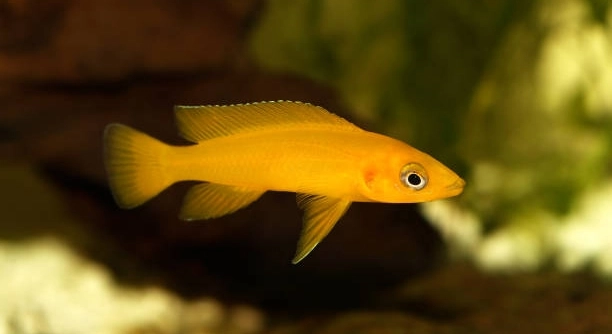
Do your lemon tetras often swim close to plants and rub against them? Many aquarists notice this behavior and wonder why their small, colorful fish act this way in the tank. It can seem puzzling at first glance.
Lemon tetras rub against plants primarily to remove parasites or relieve irritation on their skin. This natural behavior also helps them mark territory using their mucus, maintain scales, and interact with their environment in a healthy manner.
Observing this behavior can help you understand your fish’s health and create a more comfortable habitat for them to thrive.
Reasons Lemon Tetras Rub Against Plants
Lemon tetras often rub against plants for multiple reasons. One of the main causes is irritation from tiny parasites or skin discomfort. Their skin is delicate, and the soft leaves provide a natural way to relieve itching. Sometimes, rubbing helps them clean off debris or excess mucus. Additionally, this behavior can be part of marking territory in the tank. The act of rubbing leaves behind small traces of their natural scent, which communicates presence to other fish. In a planted tank, this interaction also helps them feel secure, as plants offer a sense of shelter. Regular observation of this behavior can indicate whether your tetras are healthy or if they are experiencing stress. Noticing patterns, such as frequent rubbing or targeting specific plants, can help adjust tank conditions. Ensuring clean water, proper diet, and enough plants reduces excessive rubbing and supports overall well-being.
This behavior is typically normal and shows how tetras interact with their environment. It is a sign of natural maintenance and comfort.
Maintaining a healthy tank environment is crucial. Providing sufficient plants, clean water, and proper nutrition encourages natural behaviors. By observing how your lemon tetras rub against plants, you can gauge their health. Overly frequent rubbing might indicate irritation or poor water conditions. Using live plants with soft leaves is ideal because they minimize injury while supporting this behavior. Adjusting lighting, water flow, and tank mates can also reduce stress. Rubbing is both a cleaning and sensory activity, so it is beneficial in moderation. Creating a balanced, stable environment ensures your tetras can carry out these natural behaviors safely and enjoy a comfortable habitat where they feel secure and healthy.
Benefits of Plant Interaction
Rubbing against plants allows lemon tetras to maintain healthy skin and scales while providing mental stimulation. It also helps them feel secure and reduces stress in the tank.
In addition to physical benefits, plant interaction promotes natural instincts. Plants offer hiding spaces, encourage exploration, and help fish establish boundaries. Healthy plant surfaces can also support biofilm growth, which some tetras nibble on for nutrients. When fish engage with plants, they exercise muscles and maintain activity levels, contributing to overall fitness. Observing these behaviors helps aquarists ensure the tank environment meets the fish’s needs. Regularly monitoring water parameters, adding a variety of plants, and arranging them thoughtfully can enhance both the aesthetic of the tank and the well-being of your tetras. Plants are not just decoration—they are integral to healthy, natural behavior, offering both comfort and practical benefits for lemon tetras over the long term.
Signs of Excessive Rubbing
Excessive rubbing can indicate irritation or stress in lemon tetras. Frequent contact with plants, tank walls, or decorations may signal poor water quality, parasites, or minor injuries. Observing these patterns helps determine when intervention is needed.
If your tetras are rubbing more than usual, start by checking water parameters. Ammonia, nitrite, or nitrate levels that are too high can cause skin irritation. Temperature fluctuations or low oxygen levels may also contribute to stress. Examine the fish for visible parasites, lesions, or discoloration. Stress from overcrowding or aggressive tank mates can increase rubbing frequency. Adjusting the environment, improving water quality, and providing additional plants often reduces this behavior, allowing fish to recover naturally. Monitoring these factors ensures your tetras remain healthy and comfortable.
Behavioral changes often accompany excessive rubbing. Fish may become lethargic, lose appetite, or isolate themselves. Maintaining regular observation and recording patterns can help identify triggers. Using gentle water treatments, improving filtration, and creating hiding spots supports recovery. Plants with smooth leaves reduce physical damage while allowing tetras to engage in natural rubbing behavior safely. Early intervention prevents more serious health issues and promotes a stable tank environment for all inhabitants.
Preventing Skin Irritation
Providing adequate plants and hiding spaces minimizes skin irritation for lemon tetras. Soft, broad-leafed plants reduce scratches and encourage natural rubbing behavior.
Regular water maintenance is essential for preventing skin problems. Consistent partial water changes, proper filtration, and monitoring water chemistry create a stable environment that reduces stress and irritation. Avoid overcrowding the tank, as it increases aggression and rubbing. Choosing tank mates carefully also prevents bullying and physical damage. Supplementing the diet with high-quality food supports skin health, while adding live plants ensures tetras have plenty of surfaces for gentle rubbing. Maintaining these conditions allows tetras to display natural behaviors without compromising health.
Choosing the Right Plants
Soft-leafed plants like Java fern or Anubias are ideal for lemon tetras. They provide gentle surfaces that reduce skin damage while allowing natural rubbing behavior.
Dense planting gives tetras hiding spots and areas to explore. This reduces stress and supports overall health in the tank.
Monitoring Tank Conditions
Keeping water clean and stable prevents irritation and stress. Regular testing of ammonia, nitrite, nitrate, and pH ensures a safe environment. Maintaining temperature and proper filtration supports skin health and reduces rubbing frequency.
Diet and Nutrition
A balanced diet rich in vitamins and minerals strengthens skin and scales. High-quality flakes, pellets, or frozen foods help maintain overall health.
FAQ
Why do lemon tetras rub against plants more than other fish?
Lemon tetras have delicate skin and scales, which makes them more sensitive to minor irritations. Plants provide soft surfaces that help remove mucus, parasites, or debris. This behavior is a natural part of their maintenance routine and also supports communication and territory marking within the tank.
Is rubbing against plants harmful to my lemon tetras?
Rubbing is generally harmless when done occasionally. Problems arise if the behavior becomes excessive, which may indicate skin irritation, parasites, poor water quality, or stress. Monitoring frequency and observing for visible lesions or discoloration ensures the fish remain healthy. Adjusting the environment often resolves excessive rubbing.
Can plants get damaged from frequent rubbing?
Yes, delicate plants may show wear over time. Using hardy species like Java fern, Anubias, or Amazon sword minimizes damage. Smooth-leafed plants are ideal, as they allow tetras to rub safely while maintaining plant health and tank aesthetics.
Do lemon tetras rub to communicate with other fish?
Yes, rubbing is partly a communication behavior. By leaving traces of mucus on plants, tetras signal their presence, establish territory, and interact with other tank inhabitants. This is a natural social behavior and helps maintain a stable tank hierarchy.
How can I tell if rubbing indicates stress or illness?
Signs include excessive rubbing, lethargy, loss of appetite, clamped fins, or visible skin lesions. If these behaviors persist, check water parameters, tank conditions, and examine the fish for parasites or injuries. Early intervention prevents more serious health issues.
Should I change tank conditions if my tetras rub too much?
Yes, adjusting water quality, temperature, or flow can reduce stress. Adding more plants, creating hiding spots, and maintaining proper filtration also supports comfort. Overcrowding or aggressive tank mates may require adjustments to reduce irritation.
Do all lemon tetras rub, or is it individual behavior?
Most lemon tetras exhibit rubbing behavior to some degree, but frequency varies between individuals. Some may rub more often due to sensitivity, minor irritation, or social dynamics in the tank. Observing patterns helps determine what is normal for each fish.
Can diet affect rubbing behavior?
Yes, a poor diet can weaken skin and scales, making fish more prone to irritation. Providing high-quality flakes, pellets, and occasional frozen foods rich in vitamins supports healthy skin, reduces itching, and encourages natural behaviors.
Are artificial plants safe for rubbing?
Artificial plants can be safe if they are smooth and free of sharp edges. Rough surfaces or sharp decorations can injure delicate tetras. Live plants are preferred for both natural rubbing and maintaining water quality, but smooth artificial plants are an acceptable alternative.
How often should I check my tank for rubbing issues?
Daily observation is best. Noticing changes in behavior, skin condition, or plant interaction allows early detection of potential issues. Keeping a routine helps maintain a healthy tank and ensures your lemon tetras continue exhibiting natural behaviors safely.
Lemon tetras are small, active fish that show many natural behaviors in a well-maintained tank. One of the behaviors often observed is rubbing against plants. This action is a normal part of their life, helping them maintain healthy skin and scales. Plants provide gentle surfaces that allow the fish to remove debris, mucus, or small parasites. While it might seem unusual at first, rubbing is a sign that your fish are interacting with their environment in a natural way. Observing this behavior can give insight into the health and comfort of your tetras, helping you ensure that their tank conditions are suitable. A well-planted tank not only supports this behavior but also gives fish places to hide, explore, and feel secure, which contributes to their overall well-being.
Maintaining a proper tank environment is crucial for reducing stress and preventing excessive rubbing. Clean water, stable temperature, and regular monitoring of ammonia, nitrite, nitrate, and pH levels create conditions that allow lemon tetras to thrive. Overcrowding and aggressive tank mates can increase stress and lead to more frequent rubbing, which may sometimes damage skin or scales. Providing soft-leafed plants, such as Java fern or Anubias, offers surfaces that minimize physical damage while allowing natural rubbing behavior. Feeding a balanced diet with high-quality flakes, pellets, and occasional frozen foods strengthens skin and scales, making tetras less prone to irritation. Small adjustments to tank conditions, including hiding spots and gentle water flow, can help manage rubbing behavior and support the long-term health of the fish.
Observing your lemon tetras regularly and understanding their behavior helps create a comfortable and healthy tank. Rubbing against plants is a natural activity that combines maintenance, communication, and stress relief. By providing adequate plant coverage, monitoring water quality, and ensuring proper nutrition, you can support your tetras’ natural behaviors safely. While excessive rubbing can sometimes indicate a problem, moderate rubbing is a positive sign that your fish are comfortable and engaged with their environment. Paying attention to these behaviors and making thoughtful adjustments ensures a thriving tank where lemon tetras can display their natural instincts, stay healthy, and enjoy a safe, enriching habitat.

Hello,
If you enjoy the content that we create, please consider saying a "Thank You!" by leaving a tip.
Every little bit helps us continue crafting quality advice that supports the health, happiness, and well-being of pets around the world, for pets of all shapes, sizes, and species.
We really appreciate the kindness and support that you show us!