
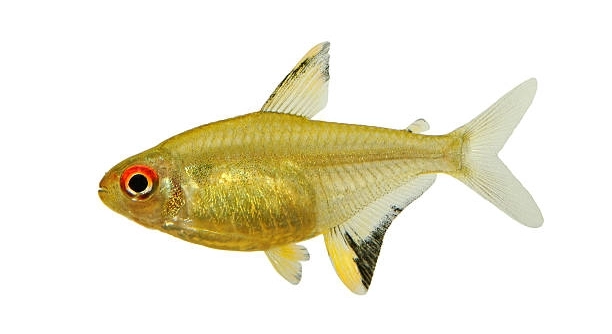
New lemon tetra owners often feel overwhelmed by conflicting advice and stories. These small, bright fish can be confusing at first, making it hard to know what is true and what is simply a misconception in aquarium care.
Many common beliefs about lemon tetras are based on misunderstandings. Misconceptions about their diet, tank setup, social behavior, and water conditions can lead to improper care. Clarifying these myths ensures healthier fish and a more stable aquarium environment.
Recognizing which ideas are myths and which are facts will help you enjoy a thriving lemon tetra community in your tank.
Myth 1: Lemon Tetras Can Live Alone
Many new owners think lemon tetras are fine on their own, but they are schooling fish. They feel stressed and insecure without a group of at least six. When kept alone, they hide constantly and may refuse to eat properly. Their colors fade, and they appear sluggish. Stress can lead to illness and even shorten their lifespan. Observing a single tetra swimming frantically or hiding shows that it is unhappy. Grouping them allows natural behavior, showing more interaction, playful swimming, and vibrant colors. Creating a small community in the tank helps each fish feel safe. Without other tetras, they may develop aggression toward other species or stress-related diseases. Tank size also matters when housing multiple tetras, but even in smaller setups, having a group is essential. Owners who notice lethargy or faded colors often discover the problem is isolation. Proper care always includes attention to social needs, feeding routines, and water conditions to maintain health.
Keeping at least six lemon tetras helps reduce stress and promotes natural, active behavior.
A small school of lemon tetras creates movement and life in the tank. They interact, chase, and swim together, making the aquarium more interesting. Watching them can be relaxing, and they show true color only when comfortable. Grouping them also reduces fighting and ensures healthier fish.
Myth 2: Lemon Tetras Don’t Need Special Water
Many people assume lemon tetras can live in any water condition. This is not accurate. They prefer slightly acidic, soft water with stable temperatures. Tap water may need treatment to remove chlorine and adjust pH. Sudden changes in water can stress them and lead to disease. Testing water parameters is essential for long-term health and vibrant coloration. Keeping them in unsuitable water often causes dull colors, decreased appetite, or increased mortality.
Proper water care involves monitoring pH, hardness, and temperature regularly.
Maintaining water conditions requires attention and consistency. Lemon tetras thrive in slightly acidic water with a pH around 6.0–7.0 and a temperature between 72–78°F. Soft water enhances color and reduces stress, while stable temperature prevents shock. Regular water changes, about 20% weekly, help remove toxins and maintain a healthy environment. Conditioning tap water removes chlorine or chloramine that can harm fish. Adding natural decorations like plants or driftwood can help maintain pH stability and create hiding spots. Overcrowding or sudden cleaning can disrupt water chemistry, causing illness. Keeping a small testing kit nearby allows monitoring hardness, ammonia, nitrites, and nitrates. Awareness of these factors ensures tetras remain active, colorful, and disease-free. Attention to details like proper filtration, aeration, and avoiding chemicals in the tank is also necessary. A healthy water environment supports both fish health and the overall aquarium ecosystem.
Myth 3: Lemon Tetras Eat Anything
Lemon tetras may seem undemanding, but they need a balanced diet. Feeding only flakes or random foods can cause nutritional deficiencies and dull their colors. Proper feeding supports growth, health, and active behavior.
A varied diet is essential for lemon tetras. They thrive on high-quality flake food, micro-pellets, and occasional live or frozen options like daphnia, brine shrimp, and bloodworms. Vegetables such as blanched spinach or zucchini can supplement their nutrition. Overfeeding is harmful, leading to water quality issues and obesity. Providing small amounts twice daily encourages natural hunting behavior and prevents waste buildup. Observation is key—if food is ignored or uneaten, adjustments are needed. Consistency in feeding times and quality ensures vibrant colors, proper growth, and longevity, while also supporting a peaceful, active tank environment.
Feeding routines also help monitor health. Sudden loss of appetite can indicate illness or stress. Watching how tetras approach food shows comfort levels in their environment. Proper diet contributes to energy, swimming patterns, and overall vitality.
Myth 4: Lemon Tetras Are Always Peaceful
Lemon tetras are generally calm, but they can show aggression in certain situations. Stress, overcrowding, or incompatible tank mates may cause nipping or chasing. Monitoring their behavior helps maintain harmony.
Stress and environmental factors can influence lemon tetra temperament. While naturally peaceful, they react to changes such as water shifts, small tank sizes, or sudden introductions of new fish. A stable, well-planted tank with plenty of hiding spots minimizes stress and territorial behavior. Choosing compatible species for the same environment reduces conflict. Observing the group regularly helps detect early signs of aggression or illness, allowing quick interventions. Maintaining proper group size prevents dominance struggles and ensures schooling behavior is preserved. Proper feeding also keeps competition low and reduces aggressive tendencies. Ensuring consistent lighting, temperature, and minimal sudden disturbances contributes to calm and healthy tetras that display natural schooling and vibrant activity.
Myth 5: Lemon Tetras Don’t Need Hiding Spots
Lemon tetras feel safer with places to hide. Plants, rocks, or decorations reduce stress and encourage natural behavior. Without hiding spots, they may stay near the bottom and appear nervous or lethargic.
Providing cover helps reduce aggression and fear. Even peaceful fish need shelter to rest and feel secure.
Myth 6: They Grow Very Large
Lemon tetras remain small, usually around 1.5 inches. Owners expecting bigger fish may be surprised. Their size makes them suitable for small to medium tanks and easy to care for in groups.
Myth 7: Lemon Tetras Can Handle Any Tankmates
Not all fish are compatible with lemon tetras. Aggressive or much larger species can stress them, cause injuries, or compete for food. Choosing calm, small fish ensures a peaceful tank environment.
How many lemon tetras should I keep together?
Lemon tetras are schooling fish and feel secure in groups. Keeping at least six together is recommended, though more is better for natural behavior. Small groups may show stress, hiding, or reduced activity. Observing a group swim in unison indicates comfort and proper social interaction.
What should I feed lemon tetras?
A balanced diet is key for healthy tetras. High-quality flake food or micro-pellets form the base. Supplementing with live or frozen options like brine shrimp, daphnia, or bloodworms adds protein. Occasional vegetables like blanched spinach or zucchini provide extra nutrients. Feed small amounts two times daily to avoid overfeeding and water issues.
What water conditions do lemon tetras need?
Lemon tetras prefer slightly acidic, soft water with a pH around 6.0–7.0 and a temperature between 72–78°F. Tap water must be treated to remove chlorine or chloramine. Soft water enhances colors and reduces stress. Regular water changes and monitoring ammonia, nitrites, and nitrates are essential for maintaining a stable environment.
Can lemon tetras live with other fish?
They do best with peaceful, similarly sized fish. Aggressive or much larger species can stress tetras, cause injury, or compete for food. Suitable companions include small tetras, rasboras, or corydoras. Introductions should be gradual, with enough space and hiding spots to minimize territorial behavior and ensure harmony.
Do lemon tetras need plants in the tank?
Yes, plants and decorations offer hiding spaces and reduce stress. Dense foliage and driftwood create a natural environment where tetras feel secure. Without cover, they may hide constantly or show signs of nervousness. Even artificial plants help, though live plants contribute to water quality and natural aesthetics.
How often should I clean the tank?
Weekly partial water changes of about 20% keep water safe and healthy. Cleaning filters, removing debris, and vacuuming substrate prevents ammonia buildup. Sudden deep cleaning can stress tetras, so consistency is better than complete overhauls. Monitoring water parameters is essential for long-term fish health.
Why are my lemon tetras’ colors fading?
Faded colors usually indicate stress, poor water quality, inadequate diet, or isolation. Ensuring proper group size, clean water, a balanced diet, and hiding spots restores natural coloration. Observing behavior can help identify underlying issues quickly. Vibrant colors reflect healthy, comfortable fish.
Can lemon tetras live in small tanks?
Small tanks are possible, but they must accommodate a group comfortably. A minimum of 10 gallons is recommended for six tetras, with filtration and hiding spots. Overcrowding leads to stress, aggression, and water quality problems. Proper space supports natural swimming and schooling behavior.
Do lemon tetras need special lighting?
Moderate lighting works well. Bright light helps plants grow and shows their colors, but too much can stress fish. Providing shaded areas or floating plants creates comfort. Maintaining a day-night cycle of about 10–12 hours supports natural rhythms and overall health.
How long do lemon tetras live?
With proper care, lemon tetras typically live 3–5 years. Balanced diet, stable water conditions, appropriate group size, and low-stress environment contribute to longevity. Regular observation and timely adjustments to care routines help ensure they thrive throughout their lifespan.
Caring for lemon tetras can feel confusing at first, especially with so much conflicting advice online. These small, bright fish may seem simple to care for, but there are common myths that can mislead new owners. Thinking they can live alone, eat anything, or survive in any water condition can result in stress, poor health, or even death. Understanding their natural needs is essential for keeping them healthy and active. Lemon tetras are schooling fish, so they need companions to feel secure. Observing them in a proper group shows their natural behavior, from swimming together to displaying bright colors. They also need hiding spots and a comfortable environment, including plants or decorations, to reduce stress and create a sense of safety.
Proper diet and water care are equally important. Lemon tetras thrive on a varied diet that includes high-quality flake food, pellets, and occasional live or frozen foods. Overfeeding or feeding only one type of food can cause health issues or dull their colors. Water conditions also play a critical role in their well-being. They prefer soft, slightly acidic water with stable temperatures. Regular monitoring of pH, hardness, and ammonia levels helps prevent stress-related problems. Treating tap water to remove chlorine or chloramine is necessary, and partial water changes help maintain cleanliness without shocking the fish. Attention to these details ensures that lemon tetras remain vibrant and active in the tank, making their presence more enjoyable to watch.
Choosing suitable tankmates and maintaining a peaceful environment is another factor in successful care. Lemon tetras are generally calm, but stress or overcrowding can cause aggression. Avoid pairing them with larger or aggressive species, and provide enough space for all fish to swim freely. Regular observation allows owners to catch early signs of illness, stress, or behavioral changes. With consistent care, proper diet, and stable water conditions, lemon tetras can live full, healthy lives of three to five years. By dispelling common myths and understanding their natural behavior, owners can create a tank that supports both the fish’s health and a visually appealing, active environment. Proper preparation and attention to their needs make caring for lemon tetras a satisfying and manageable experience.

Hello,
If you enjoy the content that we create, please consider saying a "Thank You!" by leaving a tip.
Every little bit helps us continue crafting quality advice that supports the health, happiness, and well-being of pets around the world, for pets of all shapes, sizes, and species.
We really appreciate the kindness and support that you show us!