
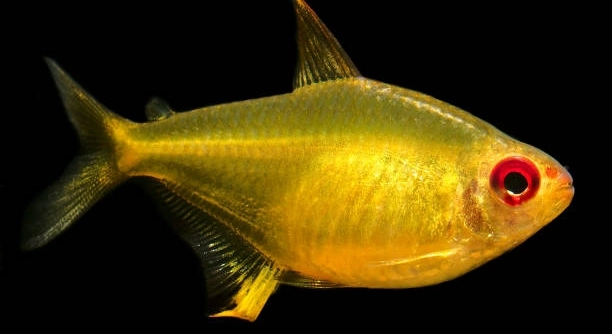
Do you ever find yourself changing your lemon tetra tank water but still noticing stress or dull colors in your fish? Many hobbyists try their best yet overlook small but important steps that affect their fish’s health.
The most common mistakes in water changes that harm lemon tetras include using untreated tap water, changing too much or too little at once, disturbing the substrate, and neglecting consistent schedules. Each error can cause stress, illness, and long-term damage to these delicate fish.
Even minor missteps can have bigger consequences than expected, so learning proper water change techniques will protect your tetras and keep them thriving.
Using Untreated Tap Water
Many people assume tap water is safe for fish, but it can contain chlorine, chloramine, or heavy metals that are harmful to lemon tetras. I learned this the hard way when a few of my tetras became lethargic after a water change. Even small amounts of untreated chemicals can damage their delicate gills and stress their immune system. Using a water conditioner removes these harmful substances and makes the water safe immediately. It’s also important to let the water reach the tank’s temperature before adding it to avoid shocking the fish. Regular testing of water parameters, like pH and hardness, ensures the water stays within the safe range for lemon tetras. Paying attention to these small details prevents unnecessary illness and keeps the tank stable. Over time, the tetras appear brighter, swim more actively, and show fewer signs of stress.
Using treated water is a simple step that protects the health of your tetras.
Even when the tank looks fine, untreated water can have unseen dangers. Many hobbyists notice issues like faded color or irregular swimming patterns when chemicals irritate their fish. Removing chlorine and other chemicals prevents these problems and allows tetras to thrive. Conditioning water consistently becomes a habit, making maintenance easier and reducing worry. Observing your tetras after each water change helps you notice subtle changes in behavior, signaling whether adjustments are needed. Consistency and care in water treatment create a stable environment. Lemon tetras are sensitive, and small mistakes compound over time, affecting overall health. Using a quality water conditioner not only protects them from immediate harm but also supports long-term well-being. Additionally, maintaining stable temperatures and balanced water chemistry complements chemical treatment, creating an environment where tetras can swim actively and display vibrant colors. The effort invested in proper water preparation pays off in healthier, happier fish.
Changing Too Much or Too Little Water
Changing the entire tank at once can stress lemon tetras.
Partial water changes of 20-30% weekly maintain water quality without shocking fish. Overly large or inconsistent changes disrupt the balance of beneficial bacteria and cause sudden chemical swings, which can weaken their immune system. These changes affect ammonia, nitrite, and nitrate levels, leading to illness if ignored. Small, consistent water changes keep the tank stable and the fish healthy. Tracking your water changes with a simple schedule makes this process manageable. Over time, tetras become more active and display stronger colors.
Large water changes can feel like the best approach, but they often do more harm than good. Reducing water too quickly alters the chemistry and removes established bacteria that help process waste. Conversely, changing too little water lets toxins accumulate, silently stressing the fish. The key is moderation and consistency. Measuring water parameters before and after changes ensures safe levels of ammonia, nitrite, and nitrate. Observing fish behavior is equally important, as changes in swimming, feeding, or color indicate water stress. Gradually adjusting your routine based on tank size and stocking density helps maintain a healthy ecosystem. Using a siphon during partial changes removes debris without disturbing substrate too much. Combining careful water removal, proper treatment, and stable temperatures prevents shock and keeps tetras thriving over time. This method avoids the extremes of too much or too little water change, keeping the tank balanced and your fish in their best condition.
Disturbing the Substrate
Shifting gravel or sand too much during cleaning can release toxins and stress lemon tetras.
When vacuuming the substrate, I always take care to move gently. Stirring it aggressively can release ammonia and nitrites trapped in the debris. This sudden change in water chemistry can cause tetras to become stressed, swim erratically, or hide for hours. Using a siphon and moving slowly prevents unnecessary disruption. Spot-cleaning areas of buildup rather than disturbing the entire tank at once keeps the beneficial bacteria intact. Over time, the tank stays healthier, and fish appear calmer and more active.
Even careful cleaning requires planning. I schedule substrate maintenance right after partial water changes so released toxins are diluted quickly. Observing water clarity and fish behavior after cleaning helps gauge whether the substrate disturbance was safe. Using a fine mesh or siphon attachment reduces suction on smaller fish and avoids accidentally removing plants or decorations. Maintaining the substrate without over-disturbing it supports the aquarium’s biological balance, ensuring long-term water quality. Lemon tetras thrive in a stable environment where natural bacteria continue processing waste efficiently. Consistency and gentle handling make all the difference in tank health.
Inconsistent Water Change Schedule
Irregular water changes create unpredictable conditions that stress lemon tetras. Maintaining a fixed schedule prevents sudden chemical shifts and supports a stable environment for fish to thrive.
I keep a simple calendar for weekly changes, never skipping or doubling them. Irregular intervals can lead to spikes in nitrate or ammonia, which are harmful even in small amounts. Fish exposed to sudden changes become more prone to disease and show duller colors. Consistency also helps me plan treatments, feedings, and substrate cleaning around water changes. Over time, this routine makes tank maintenance feel natural, and the fish remain healthy and active.
Skipping water changes occasionally might seem harmless, but the consequences accumulate. Nitrate levels rise, and the tank’s natural bacterial balance suffers. Lemon tetras are sensitive to these shifts, showing stress through lethargy, loss of appetite, or erratic swimming. Following a predictable schedule keeps water parameters stable, prevents sudden chemical fluctuations, and allows me to monitor subtle changes in fish behavior. Even small weekly changes protect against long-term problems. Tracking changes ensures the entire tank ecosystem remains balanced, from substrate bacteria to dissolved minerals. Regularity gives the tetras the stable environment they need to display vibrant colors and energetic activity consistently.
Using Cold Water
Sudden cold water can shock lemon tetras, causing stress or illness. Always match new water to the tank’s temperature before adding it to avoid harming the fish.
I use a thermometer to check water temperature each time I fill a bucket. Even a few degrees difference can make tetras swim erratically or hide. Gradual acclimation keeps them calm and prevents unnecessary stress.
Overfeeding Before Water Changes
Feeding right before a water change increases waste in the tank. Uneaten food breaks down quickly, raising ammonia and nitrite levels.
I now feed my tetras after partial water changes to keep water quality high. Removing leftover food prevents spikes in toxins, which helps maintain a stable environment. Lemon tetras thrive when feeding and cleaning schedules support each other.
Ignoring Water Parameters
Regularly testing pH, ammonia, nitrite, and nitrate is essential. These parameters dictate the tank’s safety and affect fish health directly.
Skipping Water Treatments
Adding water without conditioning exposes lemon tetras to chlorine, chloramine, and metals. Treating water is a simple step that protects their gills and overall health.
FAQ
How often should I change water for lemon tetras?
I change about 20-30% of the tank water every week. Smaller, consistent changes keep water stable and prevent spikes in ammonia or nitrates. Over time, this schedule has helped my tetras stay active and display vibrant colors. Consistency matters more than changing large amounts at once.
Can I use tap water directly from the faucet?
No, untreated tap water contains chlorine, chloramine, and sometimes heavy metals. I always use a water conditioner to neutralize these chemicals before adding water to the tank. Skipping this step once can stress tetras or harm their gills. It’s a simple step that protects long-term health.
What temperature should new water be?
I match new water to the tank’s temperature, usually around 24-26°C (75-79°F). Sudden cold or hot water shocks tetras, making them swim erratically or hide. Using a thermometer ensures the temperature is safe, and letting water sit briefly helps reach equilibrium naturally.
How do I avoid disturbing beneficial bacteria?
When cleaning, I gently siphon debris and avoid stirring the entire substrate. Disturbing the tank too much can release toxins and remove bacteria essential for breaking down waste. I also stagger water changes and substrate cleaning so bacteria remain stable, keeping the tank’s ecosystem balanced.
Is it harmful to skip a water change sometimes?
Yes, even a single skipped change can allow nitrates or ammonia to rise. I stick to a consistent schedule to prevent stress and maintain water quality. Observing fish behavior helps me notice early signs of water issues, like dull colors or lethargy. Regular maintenance protects long-term health.
Should I feed before or after water changes?
I always feed after water changes. Feeding beforehand leaves uneaten food in the tank, which breaks down and raises ammonia and nitrite levels. Feeding afterward ensures cleaner water and healthier tetras. This small adjustment has made a noticeable difference in tank stability.
How do I know if water parameters are safe?
I test pH, ammonia, nitrite, and nitrate weekly. Lemon tetras thrive in a pH of 5.5-7.0, with ammonia and nitrites at 0 ppm, and nitrates below 20 ppm. Monitoring these numbers helps me prevent stress and disease before visible symptoms appear in the fish.
Can large water changes be better than small ones?
No, large water changes can shock fish and remove beneficial bacteria. I stick to small, regular changes instead. This method stabilizes the tank, keeps chemical levels steady, and supports healthier tetras. Gradual improvements are more effective than sudden alterations.
What is the best method to add new water?
I pour slowly or use a siphon to avoid disturbing fish and plants. Adding water too fast can stir sediment or stress tetras. Gradual addition maintains stability and prevents sudden shifts in temperature or chemistry.
How do I manage leftover food and waste?
I remove uneaten food and vacuum the substrate lightly during partial water changes. This reduces ammonia spikes and keeps the tank clean. Managing waste carefully ensures tetras remain healthy and active. Small, regular maintenance steps prevent bigger problems later.
How can I tell if my tetras are stressed from water changes?
Signs include hiding, erratic swimming, loss of color, or reduced appetite. I watch closely after each water change and adjust techniques if needed. Consistency, gentle handling, and stable water parameters minimize stress and keep tetras thriving.
Are special water treatments necessary for lemon tetras?
Yes, water conditioners are essential to remove harmful chemicals. I also sometimes use additives to stabilize pH or add trace minerals, especially for soft, acidic water setups. These treatments protect delicate tetras and maintain a healthy, balanced tank environment.
How do I keep track of water changes and maintenance?
I use a simple calendar or notebook to log each water change, substrate cleaning, and parameter test. Tracking maintenance helps me stay consistent and spot patterns that could affect fish health. It’s a small habit that makes tank care much easier and reliable.
Can I rely on fish behavior alone to judge water quality?
Fish behavior gives clues, but I always test water parameters. Lemon tetras may hide or lose color before serious problems occur, so relying on observation alone is risky. Combining testing and observation ensures timely interventions and healthier fish overall.
Is it necessary to acclimate new water slowly?
Yes, adding water gradually prevents stress and chemical shocks. I pour slowly or use a bucket to acclimate water, especially after a larger partial change. Gradual introduction maintains stable chemistry and keeps tetras calm and healthy.
How do I maintain water clarity without harming fish?
I use gentle siphoning, avoid over-cleaning substrate, and remove debris regularly. Avoiding harsh scrubbing preserves bacteria while keeping the water clear. Stable chemistry and minimal disruption prevent stress and maintain a visually clean and healthy tank for lemon tetras.
What is the most common mistake people make with water changes?
Skipping conditioners, using water that is too cold or hot, and making irregular changes are the most frequent mistakes. I focus on small, consistent, careful steps, which keeps tetras healthy, reduces stress, and ensures long-term survival and vibrant colors in the tank.
How do I recover from a mistake during a water change?
I immediately test water parameters, perform a partial correction if needed, and monitor fish closely. Adjusting slowly rather than overcompensating prevents additional stress. Observing behavior and chemical levels helps me learn and improve my technique for future changes.
Changing water for lemon tetras may seem simple, but it requires careful attention to detail. Even small mistakes can cause stress, illness, or long-term harm. I have learned that consistency is key. Partial water changes of 20-30% each week maintain a stable environment, while sudden large changes shock fish and disrupt the balance of beneficial bacteria. Matching the temperature of new water to the tank and using a water conditioner prevents exposure to harmful chemicals like chlorine and chloramine. Over time, these small habits help tetras swim actively, display brighter colors, and remain healthy. Paying attention to these steps may feel tedious at first, but the results are worth it, as a stable and healthy tank is much easier to maintain.
Disturbing the substrate or overfeeding before a water change are other common mistakes I have noticed in my experience. Stirring gravel too much releases trapped waste and toxins, which can increase ammonia and nitrite levels suddenly. Using a siphon gently and cleaning only small areas at a time preserves beneficial bacteria and keeps water chemistry balanced. Feeding right after a water change reduces leftover food, preventing unnecessary buildup that could harm the fish. Even small details like observing fish behavior after maintenance help catch issues early. Lemon tetras are sensitive creatures, and consistent care ensures that stress is minimized and they remain vibrant and energetic. I have found that combining careful cleaning, feeding, and water preparation creates a predictable environment where tetras thrive naturally without constant worry.
Testing water parameters regularly is another step that cannot be skipped. Monitoring pH, ammonia, nitrite, and nitrate levels helps maintain the right conditions for lemon tetras. Even minor fluctuations can stress the fish and make them more prone to disease. Keeping a consistent schedule, observing behavior, and making gradual adjustments all contribute to a long-term healthy tank. Treating water, controlling temperature, and maintaining partial water changes work together to support a stable ecosystem. Over time, these practices become a natural part of routine tank care. The goal is to create an environment where lemon tetras can flourish safely, with minimal stress, and with water conditions that remain balanced and consistent. Paying attention to the details ensures that both the fish and the tank remain healthy and enjoyable to care for.

Hello,
If you enjoy the content that we create, please consider saying a "Thank You!" by leaving a tip.
Every little bit helps us continue crafting quality advice that supports the health, happiness, and well-being of pets around the world, for pets of all shapes, sizes, and species.
We really appreciate the kindness and support that you show us!