
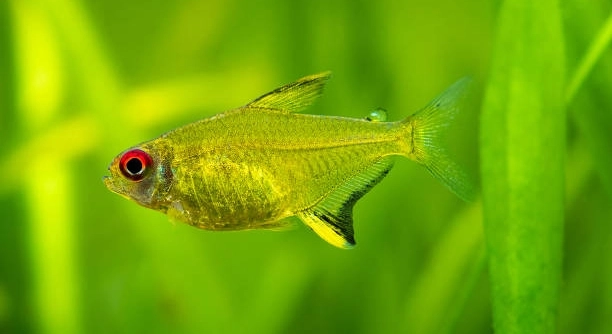
Lemon tetras are small, bright fish that add life to any freshwater aquarium. They are known for their peaceful nature and active swimming, often creating a lively atmosphere that attracts attention from hobbyists everywhere.
Lemon tetras do sleep in groups, often clustering together near the bottom or among plants. This behavior provides safety and comfort, reflecting their natural tendency to school and remain close to others, even during rest periods.
Learning how lemon tetras rest in groups can improve your tank setup and help maintain a peaceful, healthy environment for your fish.
Where Lemon Tetras Prefer to Sleep
Lemon tetras usually choose areas in the tank that feel secure for sleeping. They often gather near plants, decorations, or other structures that give them a sense of shelter. Watching them, I noticed that they rarely rest in open spaces, preferring spots where they can feel hidden. These small fish rely on each other for reassurance, so sleeping in clusters helps them stay calm. Their natural instinct to school carries over into rest periods, making group sleeping essential. Some may settle at the bottom, while others linger mid-level, but the key is they remain close. The behavior is subtle at first; they may twitch occasionally or hover quietly. A calm environment with dim lighting helps them rest properly. Over time, observing their sleeping patterns can reveal preferences unique to your tank setup. Knowing this helps in arranging the tank for both comfort and visual appeal.
Sleep areas impact their sense of security significantly, keeping them less stressed.
By creating a variety of hiding spots and ensuring enough space, you encourage healthy sleep habits. Plants, small caves, and gentle water flow all contribute. Group sleeping is a natural behavior, so the tank should allow enough room for them to cluster without feeling cramped. If the environment is too sparse, they may become anxious, affecting their overall health. Observing them closely at night or during dimmed light hours can show which areas they favor. Some tetras choose tall plants while others prefer lower cover, and offering multiple options satisfies these preferences. Maintaining water quality and stable temperature is also critical, as sudden changes can disturb rest. Quiet periods in the tank without sudden movements or loud noises help them feel safe. Over time, these habits support their immune system and reduce stress-related behaviors. Even small adjustments, like rearranging plants or adding gentle decorations, can make a noticeable difference in how they sleep and interact. Understanding their natural sleeping tendencies allows you to create a more harmonious and stable tank environment.
How to Observe Sleeping Patterns
Observing lemon tetras requires patience and calm movements.
Watching them regularly helps identify preferred spots and behaviors.
Keeping an eye on your tetras over time reveals patterns in where and how they sleep. Some prefer tighter clusters, while others may stretch slightly apart, depending on comfort and tank layout. Noting these behaviors helps you understand their needs better. If a tetra isolates itself often, it could indicate stress or health concerns. Consistent observation also shows how they adjust to changes in lighting or decorations. You may notice that sleep behavior shifts with age, water conditions, or even seasonal changes. Recording their habits over a few weeks allows for small tweaks in tank design to improve comfort. Observing at dusk or under dim light shows natural resting patterns without disturbing them. You can compare different areas of the tank to see which spots are most popular, and ensure these areas are safe and stable. Small adjustments, like adding plants or moving decorations, can improve rest quality and overall well-being. The key is patience and careful observation, as even minor changes can have a meaningful effect.
Nighttime Behavior of Lemon Tetras
Lemon tetras become noticeably calmer at night. Their swimming slows, and they often hover in one area. Group clustering increases during these hours, providing safety and comfort while resting. Observing this, I realized how much their natural schooling instinct carries into nighttime.
During nighttime, lemon tetras show subtle movements, rarely leaving their chosen resting spots. They may hover slightly or adjust their position, but sudden swimming bursts are uncommon. This calm behavior is part of their natural rhythm and indicates they feel safe in the environment. Tank lighting and noise levels influence their rest. Dim lights or a natural day-night cycle helps them maintain this routine. Consistent feeding schedules also contribute to predictable rest patterns, allowing them to cluster and sleep without disruption.
The clustering during sleep is more than social comfort. It reduces stress and provides a sense of security against perceived threats, even in a safe aquarium. Lemon tetras are instinctively drawn to each other, so resting in groups is a natural behavior. Changes in tank layout or sudden disturbances can temporarily alter these patterns, causing them to move or disperse. Observing these shifts can give insight into their comfort and stress levels. Over time, a well-maintained tank encourages consistent night behavior, supporting both health and natural instincts.
Creating a Comfortable Sleep Environment
Proper lighting and plant placement are essential for a healthy sleep environment.
Dim lighting, stable temperature, and sufficient hiding spots encourage lemon tetras to sleep in groups.
Providing a comfortable environment starts with gentle lighting and stable water conditions. Plants, rocks, and small decorations give tetras secure areas to cluster together, reducing stress. A balanced tank layout allows movement while still offering hiding places, making them feel safe. Maintaining clean water and consistent temperature prevents disturbances that can interrupt sleep. Observing how they respond to different setups helps fine-tune the tank. Even small adjustments, like repositioning plants or adding floating cover, improve their comfort. Over time, a thoughtfully arranged environment encourages natural sleeping habits.
A stable environment also supports their overall well-being. By reducing stress and creating security, lemon tetras are more active during the day and rest properly at night. Clustering together is easier when the tank meets their needs, reinforcing social behavior. Monitoring tank conditions and making small improvements ensures that both sleep and daily activity remain healthy and predictable. This approach strengthens natural behaviors while maintaining a visually appealing aquarium that promotes longevity and happiness for the fish.
Signs of Lemon Tetras Sleeping
Lemon tetras often become still and hover in one spot when sleeping. Their fins may twitch slightly, but overall movement is minimal. Grouping together is common, reflecting their natural instinct for safety and comfort during rest.
Some tetras tuck themselves near plants or decorations. They may lower their bodies closer to the substrate or stay mid-level, depending on where they feel safest. Watching these subtle behaviors over time helps identify normal sleeping patterns and preferred resting spots.
Effects of Tank Conditions on Sleep
Water temperature, lighting, and tank layout directly affect lemon tetras’ sleep quality. Consistent conditions allow them to cluster and rest calmly, while abrupt changes can cause stress and disrupt their natural behavior.
Encouraging Healthy Rest
Providing plants and gentle decorations improves sleep quality. Clustering is easier when they feel safe and secure.
Avoiding Disturbances
Lemon tetras are sensitive to loud noises and sudden movements. Minimizing these helps maintain proper rest cycles.
FAQ
Do lemon tetras always sleep in groups?
Lemon tetras generally prefer sleeping in groups because it makes them feel safe. Their schooling instinct continues even during rest, so they cluster together naturally. Some may rest slightly apart if stressed or adjusting to a new tank, but most stay close to others for comfort.
How can I tell if my lemon tetras are sleeping?
Sleeping lemon tetras usually hover in one spot with minimal movement. Their fins may twitch occasionally, but they remain calm. They may tuck themselves near plants or decorations. Observing them during dim light or quiet hours is the best way to notice these behaviors without disturbing them.
Do lemon tetras sleep at the bottom of the tank?
Some lemon tetras prefer the bottom, but others rest mid-level or near plants. They choose spots that feel safe, so their location can vary. Watching them at night helps determine their preferred sleeping areas and ensures the tank is arranged for comfort.
Does tank lighting affect their sleep?
Yes, lighting plays a big role. Dim or natural day-night lighting supports normal sleep patterns. Bright lights at night can disturb them, causing stress or restless swimming. Adjusting lighting gradually rather than abruptly helps them adapt while maintaining regular sleep behavior.
Can water temperature influence sleeping patterns?
Stable water temperature is important for healthy rest. Lemon tetras are sensitive to sudden changes, which can disrupt sleep. Keeping the temperature within recommended ranges allows them to cluster calmly and reduces stress during nighttime. A consistent temperature supports both activity and rest.
What tank setup encourages proper sleep?
A tank with plants, gentle decorations, and secure hiding spots promotes restful sleep. Providing multiple options allows them to cluster or spread out slightly as needed. A well-arranged tank helps reduce stress and supports natural behaviors, making it easier to observe healthy sleeping patterns.
Do lemon tetras move while sleeping?
Yes, slight movements are normal. They may adjust position or twitch fins occasionally, but these movements are subtle. Sudden or frantic swimming at night could indicate stress, poor water quality, or discomfort, signaling a need to review tank conditions.
Is clustering necessary for their health?
Clustering provides security and reduces stress, which positively affects overall health. Fish that feel safe are more active during the day, have better feeding habits, and maintain stronger immune systems. Encouraging natural group behavior supports long-term well-being.
How can I minimize disturbances at night?
Avoid tapping on the tank, loud noises, and sudden lighting changes. Consistent feeding schedules, gentle water flow, and a stable environment make resting easier. Quiet periods at night allow lemon tetras to maintain natural sleep patterns without unnecessary stress.
Can aging or illness affect sleep?
Older or sick tetras may sleep more or in different spots. They may isolate slightly or stay closer to hiding areas. Monitoring changes in behavior helps identify potential health concerns early and ensures proper care for their needs.
How long do lemon tetras sleep?
Sleep duration varies, but they generally rest for several hours at night. A calm environment with consistent lighting and temperature encourages regular sleep cycles. Observing over time helps track patterns and ensures they are resting enough to stay healthy.
Are there signs of poor sleep in lemon tetras?
Signs include restless swimming, hiding excessively, or clustering abnormally. Stress, poor water quality, or inadequate tank setup often causes these behaviors. Addressing these issues promptly supports normal sleep habits and overall well-being.
Can lemon tetras adjust to new tanks quickly?
They may take a few days to a week to settle in. Initially, they might sleep separately or in unusual spots. Providing plants, decorations, and stable conditions speeds up adjustment, allowing them to return to natural group sleeping habits.
Do all lemon tetras sleep at the same time?
Most synchronize their rest, but minor differences exist. Some may rest slightly earlier or later. This is normal and doesn’t indicate problems, as long as the group overall remains calm and clustered during nighttime hours.
What else can improve sleep quality?
Regular tank maintenance, clean water, proper feeding, and minimal disturbances help. Offering multiple safe spots allows flexibility for clustering. Observing their preferences and adjusting the setup gradually supports natural behavior and reduces stress during rest periods.
This FAQ covers the main concerns about lemon tetras’ sleeping habits, giving practical tips to ensure they rest safely and comfortably while maintaining their natural group behavior.
Lemon tetras are small, lively fish that bring life and color to a freshwater tank. Observing their behavior, it is clear that rest is an important part of their routine, just like it is for any animal. They do not sleep in the same way mammals do, with closed eyes, but they enter a state of calm where movement slows, and they hover quietly. During these periods, clustering together is common, and it provides them with a sense of security. Watching them rest in groups shows how strong their schooling instinct is, even at night. They rely on each other to feel safe, and this behavior is a natural part of their biology. A tank that supports these instincts allows them to sleep comfortably and stay calm during quiet periods.
Creating the right environment is crucial for their well-being. Lemon tetras prefer tanks with plants, gentle decorations, and multiple hiding spots. These features allow them to choose where they feel safest, whether at the bottom, mid-level, or slightly higher in the tank. Lighting also plays a significant role in encouraging healthy sleep patterns. Dim lights or a natural day-night cycle help them adjust to resting periods without stress. Water temperature and quality are equally important. Sudden changes can disturb their rest, so maintaining a stable and clean environment is essential. Consistent feeding schedules, quiet periods, and a calm atmosphere further support their natural habits. Over time, observing how they rest and adjusting the tank setup as needed ensures that they maintain their natural behaviors while staying healthy.
Paying attention to their sleeping patterns also helps in understanding their overall health. Lemon tetras that sleep calmly and cluster together are generally less stressed and more active during the day. Changes in behavior, such as isolation, restless swimming, or hiding excessively, can indicate stress, illness, or an unsuitable environment. By providing a stable, secure tank and monitoring their habits, it is possible to promote both comfort and long-term health. Observing these small, subtle signs allows you to make small adjustments, like rearranging plants or adding gentle cover, to improve their sleep and security. Ultimately, supporting their natural group sleeping behavior and creating a suitable environment helps lemon tetras thrive, making the tank more harmonious and enjoyable to watch.

Hello,
If you enjoy the content that we create, please consider saying a "Thank You!" by leaving a tip.
Every little bit helps us continue crafting quality advice that supports the health, happiness, and well-being of pets around the world, for pets of all shapes, sizes, and species.
We really appreciate the kindness and support that you show us!