
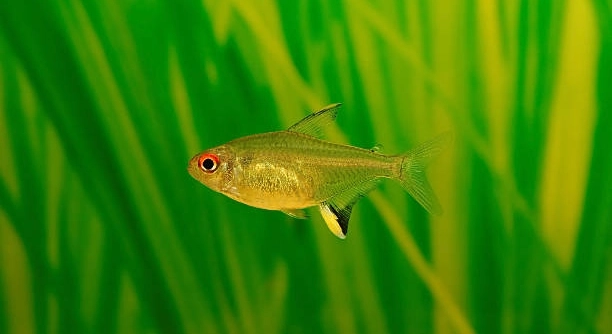
Keeping Lemon Tetra in a home aquarium can be rewarding, but it requires careful thought. These small, vibrant fish are often seen in schools, creating a lively and colorful display that brightens any tank environment.
Lemon Tetra should generally be kept in groups of at least six to promote natural behavior and reduce stress. Maintaining them in schools ensures proper social interaction, healthier activity levels, and overall well-being within their aquatic environment.
Learning how to set up the perfect school and balance their environment can make all the difference in keeping them healthy and active.
Why Lemon Tetra Thrive in Schools
Lemon Tetra are naturally social fish that feel safer and more confident when kept in groups. In small numbers, they can become stressed, hide more often, or show signs of aggression toward each other. Schools of six or more allow them to swim freely and interact, which keeps them active and vibrant. When they are together, they display natural behaviors such as synchronized swimming, chasing, and exploring their tank. Proper group size also reduces the likelihood of illnesses caused by stress, helping them maintain bright coloration and strong appetites. A well-set-up tank with plants, hiding spots, and enough swimming space enhances these benefits. Observing a full school is not only calming but also allows owners to notice subtle changes in behavior or health. Taking the time to plan for an appropriate group size ensures the Lemon Tetra are happy, energetic, and thriving over the long term, making care simpler and more rewarding.
Keeping at least six Lemon Tetra is essential for their mental and physical health, and smaller groups often struggle to thrive.
A tank that accommodates a proper school requires more than just space. Plants, smooth decorations, and open swimming areas give them a natural environment to explore. Water quality must be maintained with regular changes, and gentle filtration prevents stress. Paying attention to temperature, pH, and diet also supports their well-being. Observing the school allows owners to spot sickness or bullying early. The dynamics of a group teach owners about fish behavior, making care more intuitive. Over time, a balanced school can create a visually pleasing display where each fish contributes to a dynamic, flowing scene. Ensuring compatibility with other tank mates also prevents conflicts, maintaining harmony. A healthy school leads to longer lifespan, better growth, and vivid coloration. Keeping these details in mind simplifies care and improves the overall experience of maintaining Lemon Tetra in a home aquarium.
Tank Setup Tips for Lemon Tetra
Lemon Tetra need a tank that balances swimming space with hiding spots. Plants and decorations are key for creating comfort and security.
The ideal tank for a school of Lemon Tetra is at least 20 gallons, allowing them plenty of room to swim together. Adding live or artificial plants helps reduce stress and provides shelter, while smooth decorations prevent injury. Open areas in the center allow for natural movement and interaction. Consistent water temperature, between 72-79°F, and pH around 6.5-7.0 support their health. Filtration should be gentle to avoid strong currents, and routine water changes maintain cleanliness. Feeding a varied diet, including flakes, frozen, and live foods, ensures proper nutrition and promotes bright colors. Monitoring the fish regularly helps identify illness early. Combining proper tank size, décor, water quality, and diet creates a thriving environment where Lemon Tetra can exhibit natural behaviors. A well-maintained school is active, visually appealing, and resilient to stress and disease.
Would you like me to continue with the next section about feeding and care routines?
Feeding Lemon Tetra
Lemon Tetra thrive on a varied diet that includes flakes, frozen, and occasional live foods. Feeding small amounts two to three times daily keeps them healthy and prevents overfeeding. Balanced nutrition supports bright coloration and active behavior in a school environment.
Flake foods are convenient and provide basic nutrients, but supplementing with frozen or live options like brine shrimp or daphnia ensures they get protein and vitamins for growth. Feeding in small portions avoids leftover food that can pollute the tank. Observing how the school feeds helps detect shy or weaker fish that may need special attention. Rotating food types keeps them interested in feeding and encourages natural hunting behaviors. Proper feeding supports energy levels, color, and overall health, making the school more active and visually striking.
Overfeeding can lead to poor water quality and obesity. Careful monitoring of portions and feeding times helps maintain a clean, balanced tank. Each fish should get a chance to eat, and leftovers must be removed promptly. A regular feeding routine strengthens health, reduces stress, and keeps the Lemon Tetra lively and social.
Compatible Tank Mates
Lemon Tetra are peaceful and do best with other non-aggressive fish. Small tetras, rasboras, and Corydoras are excellent companions in a community tank.
When selecting tank mates, consider size and temperament to avoid bullying or stress. Avoid large or aggressive species that might eat or intimidate them. Compatible fish create a harmonious environment, allowing the Lemon Tetra school to swim freely without fear. Observing interactions ensures all species coexist safely. Proper tank mate selection minimizes competition for food and shelter, which supports health and natural behaviors. Community tanks should balance visual interest with the needs of each species.
Adding compatible tank mates requires careful planning. All fish must thrive in similar water parameters, such as pH, temperature, and hardness. Overcrowding can increase stress and disease, so space and hiding areas are crucial. Introducing fish gradually prevents sudden changes in social dynamics. Feeding routines should accommodate all species, ensuring no fish is deprived. Watching for signs of stress or aggression helps maintain a peaceful aquarium. By carefully selecting and monitoring tank mates, the Lemon Tetra school remains active, healthy, and visually appealing. A balanced community tank enhances social interaction and creates a more engaging, natural display.
Water Quality Requirements
Maintaining clean, stable water is essential for Lemon Tetra health. Regular water changes, proper filtration, and monitoring of temperature and pH keep the school active and stress-free. Neglecting water quality can lead to illness and behavioral problems.
Ideal water parameters include a temperature between 72-79°F, pH of 6.5-7.0, and soft to moderately hard water. Consistent conditions prevent stress and support natural behavior. Testing water weekly helps catch issues early, and partial water changes of 20-25% every one to two weeks maintain balance. Keeping the tank environment stable allows the school to swim confidently and display vivid coloration.
Breeding Lemon Tetra
Breeding Lemon Tetra requires a separate tank with gentle water flow, soft substrate, and plants for egg-laying. Regular water changes and quality food encourage spawning behavior.
Common Health Issues
Lemon Tetra are susceptible to fin rot, ich, and stress-related illnesses if water quality or diet is poor. Early detection and proper care are critical.
FAQ
How many Lemon Tetra should I keep in a tank?
Lemon Tetra are social fish and should be kept in groups of at least six. Smaller numbers can lead to stress, hiding, and unusual aggression. A school of six or more allows them to swim naturally, display synchronized movement, and interact in ways that reduce stress. Proper schooling also promotes better coloration and activity.
What size tank is suitable for Lemon Tetra?
A tank of at least 20 gallons is recommended for a small school. This provides enough swimming space and allows room for decorations, plants, and hiding spots. Open swimming areas help maintain natural behavior, while plants and smooth decorations offer shelter. Overcrowding increases stress and risk of disease.
What water parameters do Lemon Tetra need?
They thrive in water with a temperature of 72-79°F, pH between 6.5-7.0, and soft to moderately hard water. Stable conditions are important, and weekly testing is recommended. Partial water changes of 20-25% every one to two weeks keep the tank clean and maintain health.
How often should I feed them?
Feed small amounts two to three times daily. A mix of flakes, frozen, and occasional live foods like brine shrimp or daphnia ensures proper nutrition. Overfeeding can harm water quality and lead to obesity, so remove leftovers and observe weaker fish to ensure they get enough food.
Can Lemon Tetra live with other fish?
Yes, they are peaceful and do well with non-aggressive species like small tetras, rasboras, and Corydoras. Avoid large or aggressive fish that may intimidate or harm them. Proper selection of tank mates maintains harmony, reduces stress, and supports natural schooling behavior.
How do I breed Lemon Tetra?
Breeding requires a separate tank with gentle water flow, soft substrate, and plants for egg-laying. Maintaining good water quality and feeding a nutritious diet encourages spawning. Eggs should be protected from adults, and fry require small live foods once hatched to support healthy growth.
What are common health issues?
They are susceptible to fin rot, ich, and stress-related illnesses, especially if water quality is poor. Maintaining stable water parameters, a balanced diet, and observing behavior regularly helps prevent disease. Quarantining new fish before introducing them also reduces risk.
How do I maintain a healthy school?
Provide enough space, hiding spots, and consistent water quality. Monitor interactions to prevent bullying and ensure each fish gets food. Regular water changes, careful feeding, and compatible tank mates create a stress-free environment where Lemon Tetra can thrive and display natural behaviors.
Can Lemon Tetra tolerate changes in water conditions?
They are sensitive to sudden changes in temperature, pH, or hardness. Gradual adjustments over several hours or days help prevent stress. Stability is key to preventing disease and supporting a lively, colorful school.
Do they need special lighting or decorations?
Moderate lighting and plants that provide shade and hiding spaces help reduce stress and encourage natural behavior. Decorations should be smooth to avoid injuries, and open swimming areas are essential for a healthy school.
Lemon Tetra are small, vibrant fish that bring life and movement to a tank, but their care requires attention and consistency. They are social creatures that do best in groups of six or more, which helps them feel safe and encourages natural behaviors like swimming together and exploring. Keeping them in proper schools reduces stress, supports health, and allows their bright yellow coloration to show clearly. Observing a full school is rewarding because you can see their interactions and personalities, but it also makes it easier to notice if one fish is sick or not eating properly. A school of Lemon Tetra is more active, confident, and visually appealing than a few isolated individuals.
Setting up a tank for Lemon Tetra involves more than just adding water and decorations. They need a minimum of 20 gallons to swim freely, with both open spaces and planted areas for hiding and exploring. Smooth decorations and gentle filtration prevent injury and stress. Water quality is essential, with a stable temperature of 72-79°F and a pH around 6.5-7.0, along with regular partial water changes. Feeding a varied diet that includes flakes, frozen, and occasional live foods ensures proper nutrition and supports bright colors. Keeping an eye on water parameters, feeding habits, and behavior helps prevent illness and allows you to maintain a healthy, thriving school. A balanced environment makes daily care easier and keeps the fish lively.
Lemon Tetra can also be part of a community tank if careful thought is given to tank mates. Peaceful, similarly sized fish like small tetras, rasboras, and Corydoras work well. Avoid large or aggressive species that might stress or harm them. Gradual introductions, sufficient space, and attention to interactions help maintain harmony. A healthy school in a well-maintained tank demonstrates natural behaviors, looks visually appealing, and lives longer. Providing proper care, attention to water quality, feeding, and social needs ensures Lemon Tetra remain active, colorful, and stress-free, creating a satisfying and enjoyable aquarium experience.

Hello,
If you enjoy the content that we create, please consider saying a "Thank You!" by leaving a tip.
Every little bit helps us continue crafting quality advice that supports the health, happiness, and well-being of pets around the world, for pets of all shapes, sizes, and species.
We really appreciate the kindness and support that you show us!