Do Killi Fish Need Hiding Places to Spawn?

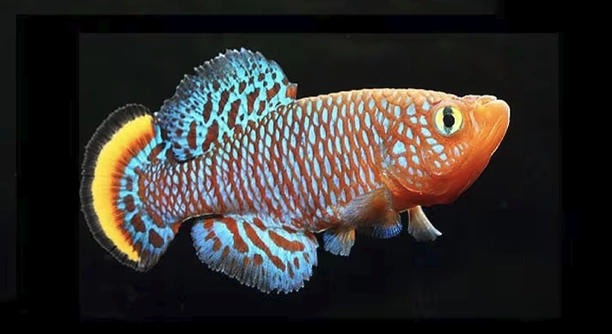
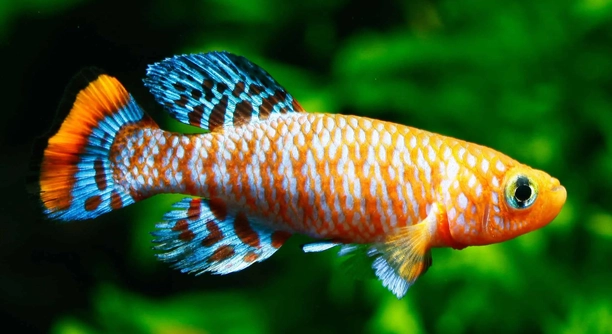
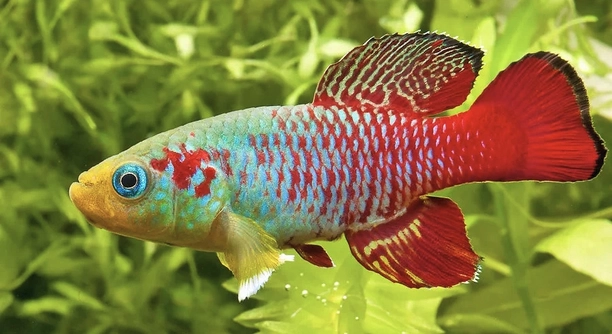
Killi fish are popular among aquarium enthusiasts for their vibrant colors and interesting behaviors. Many keepers want to provide the best environment for them, especially when it comes to spawning. Understanding their needs is important for successful breeding. Killi fish do benefit from having hiding places to spawn, as these areas offer security and mimic … Read more

Why Do Killis Scatter When You Approach?

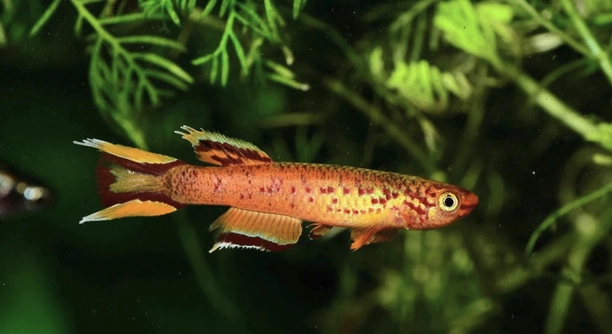
Killis are small, colorful fish that often live in calm waters. They are known for their quick movements and shy nature. Many fishkeepers notice that killis scatter rapidly when approached near their tanks. Killis scatter when approached due to their natural instinct to avoid predators. Their sudden movement helps them escape potential threats, increasing their … Read more

Do Killi Fish Sleep at the Surface?

Many people enjoy keeping killifish as pets and often notice their unique behaviors. Observing how these small fish rest can be quite interesting. Some owners wonder about where and how killifish sleep in their tanks. Killifish do not typically sleep at the surface of the water. Instead, they rest near the bottom or among plants … Read more

7 Best Tank Mates for Peaceful Killi Fish

Have you ever wanted to build a peaceful aquarium but weren’t sure which fish could safely live with your delicate killifish? The best tank mates for peaceful killifish are those that share similar temperaments, water parameters, and size. Ideal companions include small rasboras, tetras, corydoras catfish, kuhli loaches, otocinclus, shrimp, and snails. Each of these … Read more

7 Strange Killi Behaviors and What They Mean

Killifish, or killis, are fascinating little fish with unique habits that often puzzle hobbyists. Their behaviors can seem strange but hold important meanings about their health and environment. Understanding these actions helps in caring for them properly. Killifish exhibit behaviors such as jumping, color changes, and fin flicking, each signaling different needs or states. These … Read more

Why Are My Killi Fish Avoiding Each Other?

Are your killi fish spending more time apart than together in their tank? It can be puzzling when these usually social fish start avoiding each other. Understanding their behavior helps keep them healthy and comfortable in their environment. Killi fish avoid each other mainly due to stress, territorial disputes, or unsuitable tank conditions. Overcrowding, lack … Read more

7 Tips for Filtration in Small Killi Tanks

Keeping small killi tanks clean is important for healthy fish. Proper filtration helps maintain water quality and keeps the tank environment stable. Many hobbyists find it challenging to balance filtration without stressing delicate killifish. Effective filtration in small killi tanks requires selecting gentle, efficient filters that avoid strong currents and maintain stable water parameters. Proper … Read more

Can Killi Fish Live in Low pH Water?

Killi fish are popular for their bright colors and small size, making them a favorite for many aquarium hobbyists. They come from various natural habitats, which can have different water conditions. Understanding how they adapt to water pH is important for their care. Killi fish can live in low pH water, but their tolerance depends … Read more

7 Reasons Your Killi Fish Looks Pale

Your killifish’s vibrant colors can suddenly fade, leaving it looking pale and less lively. This change often signals an underlying issue with its environment or health. Understanding these causes can help you restore its natural brightness. Pale coloration in killifish is typically caused by stress, poor water quality, inadequate nutrition, illness, or environmental changes. Each … Read more

7 Ways to Raise Healthier Killi Fry Fast

Raising healthy killi fry can be a rewarding experience for aquarium enthusiasts. Ensuring their fast growth and strong development requires attention to various care factors. This article shares practical ways to help your killi fry thrive quickly and safely. Providing optimal water conditions, proper nutrition, and a clean environment are key to raising healthier killi … Read more