
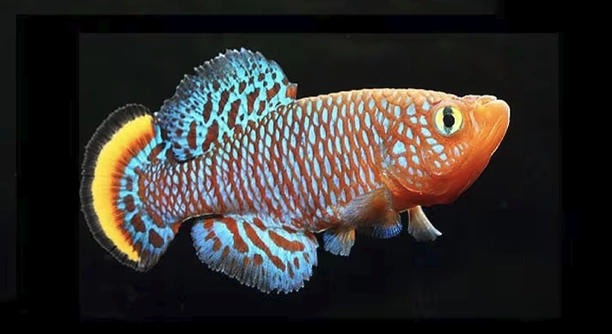
Have you ever wanted to build a peaceful aquarium but weren’t sure which fish could safely live with your delicate killifish?
The best tank mates for peaceful killifish are those that share similar temperaments, water parameters, and size. Ideal companions include small rasboras, tetras, corydoras catfish, kuhli loaches, otocinclus, shrimp, and snails.
Each of these options supports a calm environment while keeping your killifish stress-free and active in a healthy, balanced tank.
Rasboras
Rasboras are one of the best companions for peaceful killifish. They are small, active, and calm by nature, which makes them a great fit for community aquariums. Harlequin rasboras, in particular, do well in similar water conditions. Their peaceful temperament helps prevent any unnecessary stress or aggression in the tank. Rasboras tend to swim in the middle and upper parts of the tank, while killifish often prefer the top, so they won’t compete for space. Just make sure to keep them in groups of six or more, as they feel safest in schools and show more natural behavior. Their gentle movements and striking patterns add life to your tank without bothering their tank mates. Rasboras also adapt well to a variety of planted tank setups, giving your killifish a stable and calming environment.
Rasboras are ideal for killifish because they share similar behavior and water preferences without crowding or causing conflict.
Their schooling behavior adds movement to the tank, while their calm nature makes them easy to manage. A well-balanced community setup includes fish that won’t outcompete or intimidate each other, and rasboras strike that balance well. Always maintain clean water and a peaceful atmosphere to keep both species thriving in harmony.
Corydoras Catfish
Corydoras catfish are bottom dwellers that make perfect companions for surface-swimming killifish.
These gentle catfish help keep the bottom of your tank clean by scavenging for leftover food. Their peaceful nature makes them a great match for killifish, who tend to stay near the top. Since they inhabit different areas of the tank, there’s little chance of conflict between the two. Corydoras prefer to live in small groups, so keeping at least four to six together is best. They also enjoy a soft, sandy substrate, which protects their sensitive barbels while they forage. A quiet, well-maintained aquarium with gentle filtration will help both species feel secure. These catfish are hardy and can adjust to various setups, making them a smart addition to your tank. By choosing calm and clean bottom dwellers like corydoras, you ensure a healthy, peaceful environment that supports the comfort and safety of your killifish without crowding or overstimulation.
Kuhli Loaches
Kuhli loaches are peaceful bottom-dwellers that won’t interfere with killifish. They are shy, nocturnal, and prefer staying hidden during the day, which helps reduce competition and stress in the tank.
These eel-like fish thrive in soft, slightly acidic water—conditions that also suit killifish. They enjoy hiding spots like caves or driftwood and like to burrow in fine sand. Keeping them in groups of three or more will make them feel more secure. Kuhli loaches are active at night, so they don’t disrupt the calm atmosphere during the day. They are excellent scavengers and help keep the substrate clean by eating leftover food. This reduces the risk of ammonia spikes and helps maintain water quality, which benefits all tank inhabitants. Their gentle movements and subtle presence make them a good match for a quiet, peaceful setup. Just ensure they aren’t housed with aggressive fish that may intimidate them.
Kuhli loaches are sensitive to poor water conditions, so regular maintenance is important. A well-planted tank with hiding spots allows them to feel comfortable and safe. Because they spend most of their time at the bottom, they won’t compete with killifish for space or food. Their behavior remains calm and undisturbing, keeping the overall tank mood relaxed and balanced.
Otocinclus Catfish
Otocinclus catfish are gentle, algae-eating fish that pair well with killifish. They are non-aggressive, stay small, and prefer to stay out of the way. Their quiet nature helps promote a peaceful tank dynamic that keeps killifish stress-free.
These catfish graze on algae throughout the day, which helps control algae buildup and keeps the tank clean. Otocinclus need to be kept in groups of at least three to six for comfort and well-being. They do best in mature, stable tanks with plenty of biofilm, live plants, and driftwood. Though small, they are sensitive to poor water quality, so regular maintenance is necessary. Their soft nature makes them easily frightened by sudden movement or aggressive fish, so tank mates must be equally calm. Otocinclus rarely swim in open water for long, preferring to stay close to surfaces. This keeps them out of the killifish’s territory and helps avoid territorial stress.
Cherry Shrimp
Cherry shrimp are peaceful invertebrates that thrive in the same calm environments as killifish. They are non-aggressive, small, and spend most of their time grazing on algae and biofilm, which helps maintain a clean and healthy tank.
To keep them safe, ensure the tank is heavily planted with hiding spots.
Nerite Snails
Nerite snails are quiet and effective algae eaters. They won’t bother your killifish and will stay mostly on tank surfaces like glass and decorations. Their calm behavior and minimal waste production make them an easy, low-maintenance addition to peaceful setups.
They also don’t reproduce in freshwater, so population control is never a concern.
Final Note on Compatibility
Always research the needs of each species before combining them. Even peaceful fish can become stressed or ill if their space, water quality, or diet is not properly managed. Matching temperature, pH, and tank size ensures a balanced setup that supports healthy, active fish.
FAQ
Can killifish live with other species peacefully?
Yes, peaceful killifish can live with other non-aggressive species. The key is choosing tank mates that don’t compete for the same territory or show dominance. Fish that occupy different levels of the tank and share similar water preferences make good companions. Killifish do best in calm environments without sudden movements or chasing behaviors from other fish. It’s important to avoid larger, aggressive species or those that nip fins. With proper planning, a peaceful community setup is possible and can help reduce stress for all fish involved.
How many killifish should I keep together?
The number depends on the species and the size of your tank. Some killifish are better kept in pairs, especially if they are territorial. Others, like Aplocheilichthys or lampeye killifish, do better in small groups. In most cases, keeping one male with two females works best to prevent aggression. A group of males can become territorial in tight spaces, so if you’re keeping more than one, make sure the tank is large enough with plenty of hiding spots. Always research your specific killifish type before deciding on numbers.
Are shrimp safe with killifish?
Most peaceful killifish won’t bother adult shrimp, especially species like cherry shrimp. However, small shrimp fry might be seen as food. To increase survival rates, provide dense plants like java moss or floating plants for baby shrimp to hide. Shrimp are useful tank mates because they help clean algae and uneaten food. Make sure the tank is stable, as shrimp are sensitive to sudden changes in water parameters. When conditions are right, shrimp and killifish can live together without issues, and both benefit from a calm, planted tank.
Can killifish live with bettas or guppies?
Killifish and bettas are usually not good tank mates. Both species can be territorial and may nip at each other. Bettas also prefer still water, while killifish may prefer slightly more movement depending on the species. Guppies are more peaceful, but their flashy fins can trigger aggression in male killifish. In general, it’s better to avoid housing killifish with other fish that have long, flowing fins or show territorial behavior. Choose companions with calmer personalities and simpler appearances to avoid conflicts.
What tank size is best for keeping killifish and their mates?
A 10-gallon tank is the bare minimum for most killifish, especially if you’re keeping a pair. For community setups with additional species, aim for at least 20 gallons. A larger tank provides more swimming space and reduces the chance of territorial disputes. It also allows for better control of water quality, which benefits all the tank’s residents. Adding plants, hiding spots, and proper filtration will make the tank feel more natural and comfortable for the killifish and their mates.
Do killifish need live plants?
Live plants are not required, but they help improve water quality, provide hiding spots, and reduce stress. Floating plants are especially beneficial because many killifish prefer staying near the surface. Plants also help shrimp and other small tank mates feel secure. They reduce aggression by breaking up lines of sight and giving fish private areas to retreat. Even hardy plants like java fern or anubias can make a noticeable difference in your tank’s overall balance. Adding them supports a healthy, peaceful setup.
What water parameters do peaceful killifish prefer?
Most peaceful killifish thrive in soft, slightly acidic to neutral water with a pH between 6.0 and 7.5. The temperature should be kept between 72°F and 78°F. Clean, stable conditions are more important than exact numbers, so avoid sudden changes. Regular water changes, gentle filtration, and consistent maintenance will help your killifish and their tank mates stay healthy. Some species have specific preferences, so it’s best to research the exact type of killifish you’re keeping to ensure you meet their needs.
Final Thoughts
Choosing the right tank mates for peaceful killifish helps create a calm and balanced aquarium. When paired with gentle, non-aggressive species, killifish can live comfortably and display their natural behaviors without stress. The key is to focus on species that do not compete for the same space, swim at different tank levels, and require similar water conditions. Rasboras, corydoras catfish, kuhli loaches, otocinclus, shrimp, and snails are all strong options that offer both compatibility and support for a peaceful setup. These fish and invertebrates help maintain a low-stress environment while also contributing to tank cleanliness and overall harmony. Avoid housing killifish with aggressive, fin-nipping, or territorial fish, as this often leads to tension or injury.
A peaceful tank depends on more than just choosing the right species. Tank size, water quality, and layout also play a major role in keeping all fish comfortable. A 20-gallon tank or larger is ideal when combining multiple species. Provide hiding spots with live plants, driftwood, or rocks to help reduce stress and give fish their own space. Maintaining stable water conditions with regular water changes and gentle filtration supports long-term health. Avoid overcrowding, as too many fish can lead to increased waste, poor water quality, and aggressive behavior. Each fish should have enough room to swim, feed, and rest without competition. A well-maintained environment benefits every species in the tank.
Even peaceful species can become stressed or uncomfortable if their needs are not met. Observe your fish regularly for signs of stress, like hiding, lack of appetite, or rapid movement. If problems arise, check for issues with water quality or aggression between tank mates. Making small adjustments early can prevent bigger problems later. Take time to research the specific needs of each species before adding them to the tank. Compatibility is not just about behavior—it’s also about creating a stable and safe habitat. When done thoughtfully, a peaceful community tank with killifish at the center can be both rewarding and relaxing to care for. It offers a space where different species can live together calmly, each adding to the beauty and balance of the aquarium.

Hello,
If you enjoy the content that we create, please consider saying a "Thank You!" by leaving a tip.
Every little bit helps us continue crafting quality advice that supports the health, happiness, and well-being of pets around the world, for pets of all shapes, sizes, and species.
We really appreciate the kindness and support that you show us!