
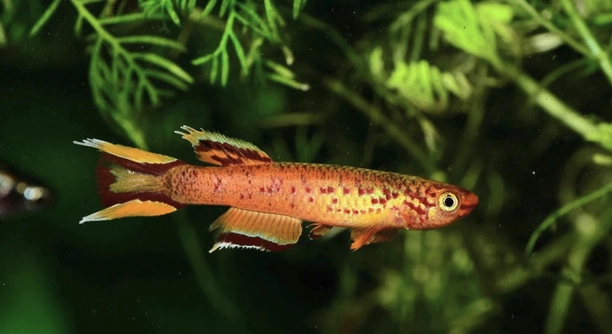
Many people enjoy keeping killifish as pets and often notice their unique behaviors. Observing how these small fish rest can be quite interesting. Some owners wonder about where and how killifish sleep in their tanks.
Killifish do not typically sleep at the surface of the water. Instead, they rest near the bottom or among plants where they feel safe. Their resting periods involve reduced activity rather than closing their eyes, as fish do not have eyelids.
Understanding the sleeping habits of killifish helps improve their care and creates a more comfortable environment for these delicate fish.
How Killifish Rest and Sleep
Killifish don’t sleep like humans do, but they do have periods of rest. During these times, they stay still and reduce their movements to conserve energy. Instead of closing their eyes, which is impossible because they lack eyelids, killifish keep their eyes open but become less responsive. They often choose calm spots near the bottom of the tank or hide among plants and decorations. These areas offer safety and comfort. In the wild, resting near cover protects them from predators. In captivity, providing plenty of plants and hiding places encourages natural resting behavior. Observing killifish during rest times shows they are alert but relaxed, ready to swim if needed. This behavior is normal and helps them stay healthy.
Killifish rest quietly, usually during the night or when the tank lights are off. They do not float at the surface to sleep.
Resting safely is important for killifish health and helps them stay active during the day.
Why Killifish Don’t Sleep at the Surface
Killifish avoid sleeping at the surface because it is unsafe. The surface exposes them to predators and harsh environmental changes like temperature fluctuations or less oxygen during the night. Instead, they prefer to stay lower where the water is calmer and more stable. At the surface, water movement and light changes are more noticeable, which can disturb their rest. In a home aquarium, the surface can also have a film of debris or bubbles, making it less comfortable. Killifish are small and vulnerable, so choosing a secure resting place is natural behavior to survive. Owners can help by keeping the tank well-maintained and providing hiding spots. A quiet, stable environment encourages proper rest and mimics their natural habitat. Understanding these habits helps in creating a healthy space for killifish to thrive.
Killifish Sleeping Behavior
Killifish rest quietly without fully closing their eyes. They stay still and calm, often hiding in plants or near the tank bottom during rest periods. Their behavior helps them conserve energy while staying alert to their surroundings.
This resting style is typical for many small fish species. Killifish reduce movement but remain ready to swim if threatened. Because they lack eyelids, they cannot close their eyes like mammals. Instead, their reduced activity signals they are resting. Providing plants and cover in the tank supports this natural behavior and helps killifish feel secure during rest times. This quiet stillness is part of their daily routine, especially during low light or nighttime.
Observing killifish in their resting state shows they stay alert but relaxed. They might twitch occasionally or move slightly but avoid active swimming. These subtle movements ensure they react quickly if danger arises. Creating a peaceful environment with gentle lighting helps encourage proper rest without stress. Overall, their sleeping behavior is simple yet important for health.
Environmental Factors Affecting Killifish Rest
Water quality, temperature, and lighting influence how well killifish rest. Clean, stable conditions encourage better rest and reduce stress. High temperatures or poor water quality can make fish restless and disrupt their resting patterns.
Keeping a consistent temperature that matches their natural habitat, around 72-78°F (22-26°C), supports normal behavior. Strong or sudden lighting changes can startle killifish, so using dim or gradual light transitions is beneficial. Providing a dark period of 8-12 hours allows their natural resting rhythm. Avoid loud noises or vibrations near the tank as these disturbances can interrupt rest. Regular water changes and monitoring water parameters keep the environment healthy. By managing these factors, you help killifish rest well and stay healthy over time.
Signs Your Killifish Is Resting
Killifish often stay still and hover near plants when resting. Their fins may move slightly, but their overall activity is low. These moments usually happen during low light or nighttime.
You might notice them in sheltered spots, showing calm and quiet behavior. Resting killifish remain alert but relaxed.
Common Misunderstandings About Killifish Sleep
Some people think killifish float at the surface to sleep, but that’s not accurate. Floating can mean stress or health issues, not rest. Killifish resting near the bottom or hiding is normal behavior. Observing their usual spots helps you tell when they are resting versus unwell.
Best Tank Setup for Killifish Rest
Plants, hiding places, and calm water conditions are key for killifish to rest well. Avoid strong currents and bright lights during their rest period.
Killifish and Tank Mates During Rest
Killifish feel safer resting when their tank mates are peaceful and non-aggressive.
FAQ
Do killifish sleep with their eyes open?
Yes, killifish do not have eyelids, so they keep their eyes open even when resting. Their sleep is more like a restful state where movement slows down, but they remain alert to their surroundings. This helps them quickly react to any threats in the tank.
How long do killifish sleep?
Killifish rest mostly during the night or periods of low light. Their rest periods vary but typically last for several hours. Unlike mammals, fish don’t have a deep continuous sleep, but instead experience cycles of light rest and activity throughout the day and night.
Is it normal for killifish to stay still for long periods?
Yes, staying still is a normal resting behavior. Killifish reduce movement to save energy. They often remain motionless near plants or decorations, which makes them feel safe. If they suddenly start moving erratically or show signs of distress, then it may indicate a health problem.
Why do some killifish float at the surface?
Floating at the surface is usually not related to sleep. It can signal stress, poor water quality, or swim bladder problems. If a killifish floats often and seems lethargic or struggles to swim, it’s best to check water conditions and health status.
Can killifish sleep in groups?
Killifish can rest near each other if they feel safe, but they don’t sleep in tightly packed groups. Each fish finds a comfortable spot where it can rest quietly. Providing plenty of hiding spots helps reduce competition and stress.
Do killifish need darkness to rest?
Yes, killifish benefit from a regular light-dark cycle. Darkness or dim lighting signals rest time. Bright, constant light can disturb their resting patterns and cause stress. Ideally, the tank light should be off or very low for 8-12 hours to mimic natural conditions.
How can I tell if my killifish is sick and not resting?
Signs of illness include loss of appetite, unusual floating, clamped fins, or sudden changes in behavior. Resting fish appear calm and still but alert. If your killifish seems inactive for long periods without normal responses, it may need attention.
Do killifish require special tank conditions to rest well?
Yes, killifish need clean water, stable temperature, and plenty of hiding spots to rest comfortably. A tank with plants, caves, or decorations provides shelter that makes them feel secure. Avoid strong currents and sudden changes in lighting to help maintain restful behavior.
Is it okay for killifish to rest at the bottom of the tank?
Resting near the bottom is normal for killifish. It offers protection and comfort. Unlike some fish that rest higher in the water column, killifish prefer lower spots where they can hide among plants or substrate.
How often should I check my killifish during their rest periods?
It’s good to observe killifish regularly but avoid disturbing them while resting. Watching from a distance helps you notice any changes in behavior. Frequent disturbances can stress the fish and affect their health.
Can killifish sleep during the day?
Killifish are mostly active during the day but may take short rest periods in quiet spots. However, their main rest usually happens during the night or when tank lights are off.
Do all types of killifish rest the same way?
Most killifish species share similar resting behaviors, but some minor differences exist depending on the species and environment. Generally, they rest near the bottom or in plants, stay still with eyes open, and reduce activity to conserve energy.
Should I change feeding schedules based on killifish rest?
It’s best to feed killifish during their active periods, usually in the morning or early evening. Avoid feeding during rest times to prevent disrupting their natural cycle. Proper feeding supports healthy energy levels for activity and rest.
Can tank noise affect killifish rest?
Yes, loud noises or vibrations can stress killifish and disrupt their rest. Keeping the tank in a quiet area and minimizing sudden sounds helps create a calm environment for better rest.
What’s the best way to help killifish rest better?
Provide a stable environment with clean water, proper temperature, and good hiding spots. Maintain a consistent light-dark cycle and avoid strong currents or loud disturbances. These factors help killifish feel safe and rest naturally.
Killifish are small, fascinating creatures that have simple yet important resting habits. Understanding how they rest helps us care for them better. Unlike humans, killifish do not close their eyes to sleep. Instead, they enter a quiet state where they reduce their activity and stay still, often near the bottom of the tank or among plants. This resting behavior helps them conserve energy and stay alert to any danger. It is important to provide a calm and secure environment so they can rest well. Offering hiding places and keeping the tank conditions stable supports their natural behavior and overall health.
The environment plays a big role in how well killifish rest. Clean water, steady temperatures, and gentle lighting are all important. Killifish feel safer and more relaxed when their tank mimics their natural habitat. Sudden changes in light or strong water currents can disturb them and affect their resting patterns. A regular day and night cycle helps them follow a natural rhythm. This rhythm allows killifish to have restful periods at night when the tank lights are off or dimmed. By keeping the tank quiet and peaceful, you reduce stress on the fish, which is key to their well-being.
Paying attention to killifish resting habits also helps in spotting potential health problems. When killifish behave differently, such as floating at the surface or being inactive for long times without responding, it could be a sign of illness. Observing their normal resting behavior gives you clues about their health. Taking good care of the tank and giving killifish a safe place to rest improves their quality of life. By understanding and supporting their natural needs, you help your killifish stay healthy and active, making your aquarium a better home for these unique fish.

Hello,
If you enjoy the content that we create, please consider saying a "Thank You!" by leaving a tip.
Every little bit helps us continue crafting quality advice that supports the health, happiness, and well-being of pets around the world, for pets of all shapes, sizes, and species.
We really appreciate the kindness and support that you show us!