
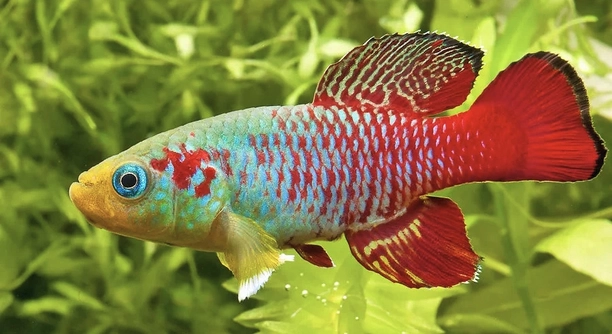
Are your killi fish spending more time apart than together in their tank? It can be puzzling when these usually social fish start avoiding each other. Understanding their behavior helps keep them healthy and comfortable in their environment.
Killi fish avoid each other mainly due to stress, territorial disputes, or unsuitable tank conditions. Overcrowding, lack of hiding spaces, or incompatible tank mates can increase aggression, causing them to separate to reduce conflict and stress levels.
Learning more about their natural habits and tank setup will help improve their interactions. This article explains common causes and practical solutions for peaceful killi fish communities.
Common Reasons Killi Fish Avoid Each Other
Killi fish may avoid each other for several reasons, often related to their environment or behavior. One common cause is territorial behavior. Male killi fish can be aggressive toward each other, especially in small tanks. Without enough space, they feel threatened and keep their distance to avoid conflict. Another factor is stress caused by poor water quality or inadequate hiding spots. If the tank is overcrowded or lacks plants and decorations, fish have nowhere to retreat. This increases tension and makes them less likely to interact. Changes in water temperature or chemistry can also make killi fish uneasy, causing them to isolate themselves. Finally, introducing new fish without proper acclimation can disrupt the social balance, leading to avoidance. Observing these behaviors helps identify the specific reasons your killi fish are keeping apart.
Proper tank setup and monitoring water conditions are key to reducing avoidance and promoting harmony among your fish.
Improving your tank’s environment by adding plants, rocks, and more space can help your killi fish feel secure and encourage interaction.
How to Encourage Peaceful Interaction Among Killi Fish
Avoidance between killi fish can often be resolved by addressing space, environment, and social structure. Adding more plants or decorations creates natural hiding places, reducing stress and aggression. Increasing tank size gives fish room to establish territories without constant conflict. Separating aggressive males or limiting their numbers helps maintain peace. Regular water testing ensures conditions are ideal, which supports calm behavior. Introducing fish slowly and carefully also minimizes disruption. Feeding fish evenly prevents competition that can cause tension. Additionally, choosing compatible tank mates helps avoid additional stress. Observing your fish closely allows you to spot early signs of trouble and act quickly. These steps foster a balanced community where killi fish can coexist peacefully.
Creating a calm, well-organized environment will improve social behavior and reduce the need for your killi fish to avoid each other. Consistent care and attention help maintain long-term harmony in the tank.
Tank Conditions Affecting Killi Fish Behavior
Water quality plays a major role in how killi fish interact. Poor water conditions cause stress, leading to avoidance behavior. Regular testing and maintenance keep parameters stable, preventing unnecessary tension.
Maintaining proper temperature, pH, and cleanliness is essential. Killi fish prefer slightly acidic to neutral water with temperatures around 72–78°F (22–26°C). Frequent water changes reduce harmful waste buildup and keep the environment healthy. Uneven water conditions can cause some fish to become more aggressive or withdrawn. It’s important to monitor ammonia, nitrite, and nitrate levels regularly to avoid toxic buildup that stresses the fish.
Tank size and layout also influence interactions. A crowded tank limits movement and increases aggression. Providing sufficient space and hiding spots helps fish establish territories without constant conflict. Open swimming areas combined with plants or caves reduce stress and encourage peaceful coexistence. Careful planning of the tank setup promotes a balanced social environment for your killi fish.
Recognizing Stress and Aggression Signs in Killi Fish
Stress and aggression in killi fish show through physical and behavioral changes. Watch for fin damage, discoloration, or rapid breathing, which signal discomfort. Avoidance often follows these signs as fish try to reduce conflict.
Aggressive behavior includes chasing, nipping, or flaring fins, mostly seen among males competing for territory or mates. Stress may cause fish to hide excessively or lose appetite, weakening their health. Early recognition of these behaviors allows prompt intervention to prevent injuries and improve the tank’s atmosphere. Managing stress by adjusting tank conditions, reducing overcrowding, or separating aggressive individuals helps restore peace.
Fish that remain isolated for long periods should be monitored carefully. Sometimes illness or poor adaptation to the environment causes withdrawal rather than social reasons. Providing optimal conditions and regular observation ensures your killi fish stay healthy and interact more naturally.
Managing Tank Population
Overcrowding often causes killi fish to avoid each other. Too many fish in a small space increase stress and aggression, forcing them apart.
Keeping an appropriate number of killi fish per tank size reduces tension. A general rule is one inch of fish per gallon, allowing enough room for movement and territory.
Feeding and Nutrition Impact
Proper feeding helps reduce competition and aggression among killi fish. Uneven food distribution can cause dominant fish to chase others away.
Feeding small amounts multiple times a day ensures all fish get enough nutrition, promoting calm behavior and better social interaction.
Introducing New Fish
Adding new killi fish requires patience. Sudden introductions disrupt the social balance and cause avoidance.
Quarantine new fish and introduce them slowly to reduce stress and aggression in the tank.
Tank Setup Tips
Using plants and decorations creates hiding spots and breaks lines of sight, lowering aggression and encouraging peaceful interaction.
Why are my killi fish avoiding each other even though the tank looks fine?
Sometimes the tank may appear fine, but subtle issues like water parameters, space, or social structure affect fish behavior. Even slight changes in pH, temperature, or ammonia levels can stress killi fish, causing them to keep their distance. Additionally, a lack of hiding places or overcrowding may make fish feel threatened, leading to avoidance despite a clean tank.
How can I tell if my killi fish are stressed or just naturally shy?
Stress signs include rapid breathing, clamped fins, loss of color, or hiding more than usual. Shy fish tend to stay near cover but remain active and eat well. If your fish avoid others but show normal appetite and colors, they may be naturally reserved. However, sudden changes in behavior usually point to stress.
Can tank size affect killi fish social behavior?
Yes, tank size directly impacts interaction. Small tanks limit territory and increase aggression, forcing fish to avoid each other. Larger tanks provide space for each fish to claim a territory and reduce confrontations. Ideally, a minimum of 10 gallons is recommended for a small group of killi fish.
Should I separate aggressive killi fish to improve harmony?
Separating overly aggressive individuals often helps maintain peace. Male killi fish especially can become territorial. Providing separate tanks or adding dividers can reduce stress and prevent injury. If separation isn’t possible, increasing tank size and adding more hiding spots may lessen aggression.
How does feeding influence fish interaction?
Feeding practices affect social behavior. When food is scarce or unevenly distributed, dominant fish may chase others away. Feeding small amounts multiple times daily and scattering food across the tank ensures all fish eat, reducing competition and aggression.
What is the best way to introduce new killi fish to the tank?
Introduce new fish slowly and after quarantine. Sudden introductions disrupt established hierarchies and cause stress. Floating the new fish in a separate container inside the tank for a few days allows them to acclimate. Then release them gradually while monitoring behavior closely.
Can tank decorations improve social behavior in killi fish?
Yes, plants, rocks, and caves provide hiding places and visual barriers. This reduces direct line-of-sight and territorial disputes. Decorations create natural boundaries, making fish feel secure and encouraging peaceful coexistence.
Do killi fish prefer specific water conditions for better social behavior?
Killi fish thrive in slightly acidic to neutral water with stable temperatures around 72–78°F (22–26°C). Fluctuations or poor water quality increase stress and aggression. Maintaining consistent parameters through regular testing and water changes supports calm and social behavior.
Is it normal for killi fish to avoid each other sometimes?
Some avoidance is normal, especially during breeding or territorial disputes. However, prolonged isolation or excessive aggression signals issues like stress, poor environment, or overcrowding. Addressing these factors improves overall harmony.
How often should I clean the tank to support peaceful killi fish behavior?
Regular cleaning is vital. Partial water changes of 20-30% weekly help keep water quality high. Removing uneaten food and debris prevents waste buildup, reducing stress and aggression. Avoid deep cleaning that disrupts beneficial bacteria or scares the fish.
Can changing tank mates reduce killi fish avoidance?
Yes, choosing compatible tank mates minimizes stress and conflict. Aggressive or overly active fish may scare killi fish, causing avoidance. Calm, similar-sized fish are better companions and promote a peaceful environment.
What role does lighting play in killi fish behavior?
Proper lighting affects fish comfort. Too bright or constant light can stress killi fish, leading to hiding and avoidance. Using dimmer lights or adding plants that provide shaded areas helps fish feel secure and encourages natural behavior.
Are there signs that a killi fish is ill rather than avoiding others?
Illness often causes isolation. Look for physical signs like spots, swelling, or unusual swimming patterns. Sick fish may lose appetite and hide excessively. In such cases, treatment and quarantine are necessary to prevent spreading disease.
How can I reduce aggression during breeding?
Breeding periods increase aggression, especially among males. Providing extra hiding spots and separating males if possible helps reduce conflict. Monitoring behavior and timing breeding attempts carefully also minimizes stress.
Is it possible for killi fish to form social bonds despite occasional avoidance?
Killi fish can develop social structures with dominant and subordinate roles. Occasional avoidance or chasing is part of their natural behavior but does not mean hostility. With proper care, they coexist peacefully, showing group dynamics rather than constant conflict.
Killi fish are fascinating creatures with unique social behaviors. Sometimes they may avoid each other, which can seem worrying for those caring for them. This avoidance often comes down to natural instincts related to territory, stress, or environmental factors. Understanding these reasons helps provide a better home for your fish. By creating a comfortable and well-maintained tank, you can support their health and encourage more peaceful interactions.
Tank size, water quality, and decorations all play important roles in how killi fish behave toward one another. A cramped or poorly maintained tank increases stress and aggression, making fish more likely to avoid each other. Providing enough space, clean water, and hiding places helps reduce conflict. It is important to keep a close eye on their behavior and make changes when needed. Small adjustments, such as adding plants or adjusting feeding routines, can make a big difference in their social dynamics.
Patience and observation are key when managing killi fish behavior. Avoidance does not always mean there is a serious problem; sometimes fish just need time to settle and find their place in the tank. Regular care, such as testing water parameters and maintaining a proper schedule, supports their well-being. By addressing common causes of avoidance and promoting a balanced environment, you help your killi fish live healthier, less stressful lives. The effort you put in will lead to a more peaceful and enjoyable tank for both the fish and you.

Hello,
If you enjoy the content that we create, please consider saying a "Thank You!" by leaving a tip.
Every little bit helps us continue crafting quality advice that supports the health, happiness, and well-being of pets around the world, for pets of all shapes, sizes, and species.
We really appreciate the kindness and support that you show us!