
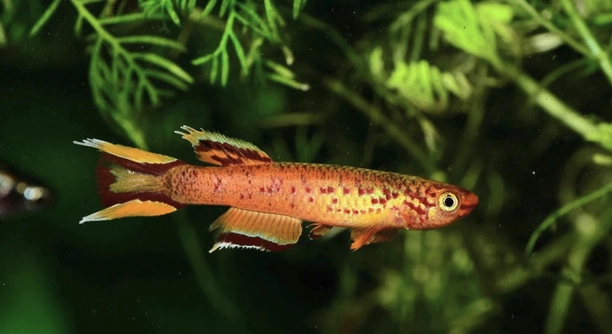
Killi fish are popular for their bright colors and small size, making them a favorite for many aquarium hobbyists. They come from various natural habitats, which can have different water conditions. Understanding how they adapt to water pH is important for their care.
Killi fish can live in low pH water, but their tolerance depends on the species and acclimation process. Most killi fish prefer slightly acidic to neutral water, with pH ranging from 6.0 to 7.0, but some species tolerate pH as low as 5.0 when introduced gradually.
Knowing how pH affects killi fish helps ensure their well-being. Learning more about their needs will guide you in creating the best environment for them to thrive.
Understanding Killi Fish and pH Levels
Killi fish come from various regions, including parts of Africa, Central, and South America. Their natural environments often have soft, slightly acidic water, but conditions vary widely. Some species thrive in waters with a pH as low as 5.0, while others prefer a more neutral range around 6.5 to 7.0. This variation means it’s important to research the specific type of killi fish you keep. Sudden changes in pH can stress the fish and cause health problems. When setting up an aquarium, testing water pH regularly is essential. Using natural materials like peat moss or driftwood can help lower pH safely over time. Avoid abrupt changes by slowly adjusting water chemistry. This approach helps killi fish adapt comfortably and stay healthy in tanks with lower pH levels.
Killi fish are sensitive to rapid pH changes, so slow adaptation is key to their well-being. Keeping their environment stable improves survival rates.
Maintaining a consistent pH suited to your killi fish species supports their natural behavior and breeding habits. Healthy water conditions encourage activity and vibrant colors, making your aquarium more enjoyable. A well-balanced tank reduces the risk of disease and stress. Understanding pH tolerance also aids in selecting compatible tank mates, as some fish prefer different water chemistry. Testing kits and water conditioners designed for freshwater fish make managing pH easier. Taking these steps can create a safe, comfortable home for your killi fish to flourish.
Effects of Low pH on Killi Fish Health
Low pH water can affect killi fish differently depending on their species and tank conditions. Some species handle acidity well, but if the pH drops too quickly or remains too low for long, it can cause stress and weaken their immune system. Stress may lead to loss of appetite, faded colors, and susceptibility to infections. Monitoring water quality regularly is crucial for detecting pH imbalances early. If you notice signs of stress or illness, adjusting the water chemistry and improving filtration can help restore balance.
When pH levels drop suddenly, killi fish may show signs of discomfort or illness, making it important to keep conditions stable.
Prolonged exposure to very low pH can damage the delicate tissues of killi fish, especially their gills. This damage impairs oxygen absorption and can lead to respiratory problems. Acidic water may also affect the availability of essential minerals like calcium, which are necessary for strong bones and overall health. Keeping pH within the recommended range prevents these issues and supports reproduction. Eggs and fry are especially sensitive to pH changes, so maintaining stable water chemistry encourages successful breeding. Regular water changes and using buffers can help maintain the right balance. Careful monitoring and management ensure your killi fish remain healthy and active in low pH environments.
How to Adjust pH for Killi Fish
Lowering pH should be done slowly to avoid stressing your killi fish. Use natural methods like adding peat moss or driftwood to help reduce pH gradually.
Peat moss releases tannins that gently acidify the water while also giving it a soft, slightly brown tint, similar to many killi fish habitats. Driftwood works similarly by releasing acids that lower pH. It’s important to test your water frequently during this process to ensure the change isn’t too fast. Avoid using harsh chemicals or acids as they can shock the fish and damage beneficial bacteria in the tank. Keeping a slow, steady pace in adjusting pH helps maintain a healthy environment for your fish.
If pH drops too quickly, your killi fish can become stressed and vulnerable to disease. Patience and careful monitoring make the process safer. Additionally, you can use commercial pH buffers designed for freshwater tanks to stabilize pH after adjustment. Remember, consistency is more important than hitting a specific number quickly. When your water reaches the desired pH, maintain it with regular water changes and monitoring.
Signs of pH Stress in Killi Fish
Killi fish stressed by improper pH may show signs such as lethargy, loss of appetite, or dull coloration. They may also hide more often or breathe rapidly.
Stress weakens their immune system, increasing the risk of infections. You might notice clamped fins or unusual swimming patterns if the pH is causing discomfort. Early detection of these symptoms can prevent serious health problems. Monitoring water parameters regularly helps catch pH shifts before the fish suffer. If you observe these signs, testing the water and correcting the pH can improve their condition. Ensuring stable, suitable water chemistry is vital for their well-being.
Treating pH stress involves gently correcting water conditions and supporting fish health through good tank maintenance. Adding aquarium salt can sometimes help reduce stress, but always research species-specific needs first. If problems persist, consulting with an aquatic specialist or vet may be necessary. Keeping your killi fish in their preferred pH range promotes vibrant colors and active behavior. Consistency and care are key to preventing stress and supporting a healthy aquarium environment.
Testing Water pH Regularly
Regular pH testing is essential for keeping killi fish healthy. It helps detect changes early before they become harmful. Simple test kits are available and easy to use at home.
Testing once a week is usually enough. More frequent checks may be needed if you’re adjusting water chemistry or noticing stress signs in your fish.
Choosing the Right pH Test Kit
There are many pH test kits available, from strips to liquid drop kits. Liquid kits are generally more accurate and reliable for monitoring aquarium water. Look for kits specifically made for freshwater tanks to get precise results.
Using a good test kit helps you maintain the ideal pH range for your killi fish and avoid sudden changes that could cause stress or illness.
Maintaining Stable Water Conditions
Stable water conditions are crucial for killi fish health. Avoid sudden changes in temperature or pH to keep them comfortable and stress-free.
Importance of Proper Filtration
Good filtration removes waste and keeps the water clean, supporting a balanced environment and stable pH for your killi fish.
FAQ
Can killi fish live in very acidic water below pH 5.0?
Most killi fish prefer mildly acidic to neutral water, but very low pH levels below 5.0 can be harmful. A few species might tolerate such acidity in their natural habitats, but in an aquarium, pH that low can stress the fish, damage their gills, and reduce oxygen availability. Maintaining a pH closer to 6.0 is generally safer for their health and longevity. It’s best to research your specific killi species and replicate their natural environment as closely as possible.
How quickly should I lower the pH in my tank?
Lowering pH should be done gradually over several days or weeks. Sudden changes can shock killi fish and cause stress or illness. Aim for a slow adjustment of about 0.2 pH units per day. Use natural methods like adding peat moss or driftwood, and test water daily to monitor progress. Patience helps your fish adapt without harm.
What are the best natural ways to lower pH?
Peat moss and driftwood are two common natural materials that help reduce pH safely. Peat moss releases tannins that mildly acidify the water and soften it, while driftwood releases acids that lower pH slowly. Both also add beneficial organic compounds to mimic natural habitats. Avoid harsh chemicals that change pH rapidly, as these can harm fish and beneficial bacteria.
Can I keep killi fish with other species in low pH water?
Compatibility depends on the other species’ pH tolerance. Many tropical fish prefer neutral to slightly acidic water, but some need more alkaline conditions. Choose tank mates that thrive in similar pH ranges (around 6.0 to 7.0) to avoid stress. Always monitor fish behavior and health closely after introducing new species.
What signs show that pH is stressing my killi fish?
Look for lethargy, loss of appetite, faded colors, clamped fins, or rapid breathing. Fish may also hide more often or swim erratically. These behaviors often indicate discomfort from poor water conditions, including improper pH. Regular water testing and quick action to correct pH imbalances can prevent serious health issues.
How often should I test the pH in my aquarium?
Testing once a week is generally enough for a stable tank. During pH adjustment or if you notice signs of stress, test daily. Consistent monitoring ensures water parameters stay within the ideal range and helps catch problems early. Using a reliable liquid test kit gives accurate results.
Is it necessary to use commercial pH buffers?
Buffers can help stabilize pH but should be used cautiously. Natural methods like peat moss and driftwood are gentler and safer for killi fish. If you use commercial buffers, follow instructions carefully to avoid rapid pH swings. Regular water changes and proper filtration are also important for stable water chemistry.
Can low pH affect killi fish breeding?
Yes, stable and suitable pH is important for breeding success. Eggs and fry are sensitive to water chemistry changes. Low pH that is stable within the preferred range can encourage breeding, but fluctuating or too acidic conditions may reduce egg viability or cause fry mortality. Maintaining clean water and stable pH supports healthy reproduction.
What should I do if pH drops suddenly in my tank?
Perform a partial water change with water that has the correct pH to help balance the tank. Check filtration and water source quality to find the cause. Avoid adding chemicals abruptly. Monitor fish closely for signs of stress and keep the environment stable while making adjustments slowly.
Are killi fish hardy enough for beginners with low pH tanks?
Some species of killi fish are quite hardy and adaptable, making them suitable for beginners, especially those with mildly acidic water. However, sensitivity varies, so beginners should research the species carefully and focus on maintaining stable water conditions to avoid pH shocks. Proper care and patience make keeping killi fish easier.
Killi fish can live in low pH water, but success depends on the species and how carefully their environment is managed. Many killi fish naturally come from habitats with slightly acidic water, so a lower pH is not unusual for them. However, sudden or extreme changes in pH can cause stress and harm to the fish. It is important to keep water conditions stable and close to what the specific species is used to. Gradually adjusting the pH and testing regularly helps ensure the fish stay healthy and comfortable.
Creating the right tank environment is key for keeping killi fish in low pH water. Using natural materials like peat moss or driftwood can lower pH gently over time without shocking the fish. Maintaining good filtration and clean water supports their overall health. Watching for signs of stress, such as changes in behavior or color, helps catch problems early. If you take these steps, your killi fish will have a better chance of thriving in water with a lower pH.
Overall, patience and care are important when keeping killi fish in low pH conditions. Each species has its own needs, so learning about your fish’s natural habitat will guide you in providing the best care. Regular monitoring and slow adjustments make the process safer and more successful. With proper attention, killi fish can live well in slightly acidic water, showing their beautiful colors and natural behaviors in your aquarium.

Hello,
If you enjoy the content that we create, please consider saying a "Thank You!" by leaving a tip.
Every little bit helps us continue crafting quality advice that supports the health, happiness, and well-being of pets around the world, for pets of all shapes, sizes, and species.
We really appreciate the kindness and support that you show us!