
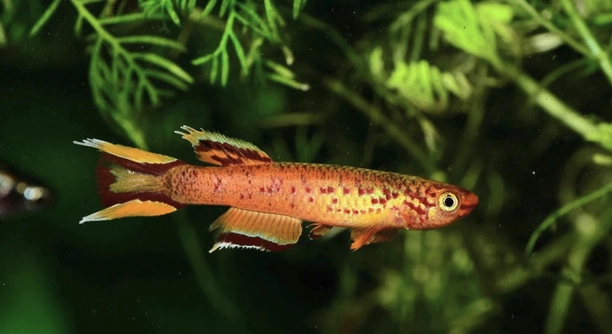
Keeping small killi tanks clean is important for healthy fish. Proper filtration helps maintain water quality and keeps the tank environment stable. Many hobbyists find it challenging to balance filtration without stressing delicate killifish.
Effective filtration in small killi tanks requires selecting gentle, efficient filters that avoid strong currents and maintain stable water parameters. Proper maintenance and filter media choice are essential to support the sensitive nature of killifish and their habitat.
Understanding the best filtration methods will improve your killi tank’s health and make caring for these fish easier over time.
Choosing the Right Filter for Small Killi Tanks
Choosing the right filter is key to keeping your small killi tank clean and safe. Killifish prefer calm waters, so strong currents from powerful filters can stress them out. Sponge filters or small hang-on-back filters are often the best options. Sponge filters provide gentle water movement and excellent biological filtration. They also won’t suck in tiny fry or harm your fish. Hang-on-back filters with adjustable flow rates work well when set to low power. When selecting a filter, consider the tank size and the type of killifish you have. Some species are more delicate and need even softer water flow. Keep in mind that filters need regular cleaning, but avoid washing all filter media at once, as this can remove beneficial bacteria essential for breaking down waste. Balancing efficient filtration with gentle water movement helps maintain a healthy tank environment that your killifish will thrive in.
Filters designed for gentle flow prevent stress and support clean water, creating a safe habitat for sensitive killifish species.
Small tanks benefit from filters that combine mechanical and biological filtration without overpowering the water flow.
Maintaining Filter Media Properly
Regular maintenance of filter media keeps your filtration system working efficiently. Over time, debris and waste build up in the filter, reducing its effectiveness. Cleaning the filter media monthly helps prevent blockages and maintains good water flow. However, never clean all parts at once to protect the beneficial bacteria colony. Rinse the media gently in tank water during water changes to remove excess dirt without killing bacteria. Replace filter media only when necessary, usually every few months, to avoid disrupting the biological balance. Avoid harsh chemicals or tap water with chlorine, as these can harm the bacteria. Proper media maintenance reduces the risk of water quality problems and keeps ammonia and nitrite levels low. A clean, well-maintained filter creates a stable environment for your killifish, helping them stay healthy and active.
Taking time for careful filter maintenance makes a big difference in your tank’s water quality and fish health.
Avoiding Strong Currents
Strong water currents can stress killifish and make them hide constantly. It’s important to keep water flow gentle to mimic their natural habitat.
Using a sponge filter or adding a flow diffuser can reduce current strength. These tools help create calmer water while still keeping the tank clean and oxygenated. Adjusting filter flow settings is also helpful if your filter allows it.
Too much water movement forces killifish to expend extra energy swimming, which can impact their health. Keeping water flow gentle lets them swim comfortably and behave naturally, improving their overall well-being in a small tank.
Choosing Filter Media
Filter media plays a big role in water quality by trapping waste and hosting beneficial bacteria. Mechanical media removes debris, while biological media supports bacteria that break down harmful substances.
A combination of sponge and ceramic media works well in small killi tanks. Sponge media captures dirt gently without harming tiny fish or fry, and ceramic rings provide plenty of surface area for bacteria to grow. Avoid overly dense or fine media that can clog quickly or restrict water flow. Regularly check and rinse media carefully in tank water during maintenance to keep filtration effective and balanced. This approach helps maintain clear, healthy water for your killifish to thrive.
Positioning the Filter Correctly
Place the filter where water circulation reaches all tank areas without creating strong currents. Proper placement helps keep the tank clean evenly.
Filters near the surface improve oxygen exchange, which is important for small killi tanks. Avoid placing filters too close to plants or decorations to prevent debris buildup.
Regular Water Testing
Regular water testing ensures the filter is keeping ammonia, nitrites, and nitrates at safe levels. Use test kits weekly to monitor water quality. This helps catch issues early and maintain a healthy environment for your killifish. Prompt action based on test results prevents stress and illness.
Avoid Overfeeding
Overfeeding causes excess waste, which burdens the filter and degrades water quality quickly. Feed small amounts that fish can finish within minutes to keep the tank cleaner and reduce filter strain.
FAQ
How often should I clean the filter in a small killi tank?
Cleaning the filter once a month is usually enough for small killi tanks. This helps prevent buildup of debris that can reduce water flow. When cleaning, rinse the filter media gently in tank water to protect beneficial bacteria. Avoid using tap water directly because chlorine can kill these bacteria. Regular cleaning keeps the filter working well without disturbing the biological balance needed for healthy fish.
Can I use a hang-on-back filter for my small killi tank?
Yes, hang-on-back filters can work well if they have adjustable flow settings. Killifish prefer calm water, so setting the filter to a low flow is important. Using a flow diffuser or sponge pre-filter can also help soften the current. These filters provide good mechanical and biological filtration, which is important for small tanks where water quality changes quickly.
Is a sponge filter enough for filtration in small killi tanks?
A sponge filter is often enough because it provides gentle water movement and excellent biological filtration. It also protects small fry from being sucked in. Sponge filters are easy to maintain and very effective at keeping water clean. However, it’s important to regularly clean the sponge media in tank water to avoid clogging and maintain good flow.
What filter media should I use for killifish tanks?
Using a mix of sponge and ceramic media is best. Sponge media traps debris and provides surface area for bacteria, while ceramic rings offer even more space for beneficial bacteria to grow. This combination supports both mechanical and biological filtration, keeping ammonia and nitrites low and the water clear.
How do I reduce strong currents from my filter?
Reduce currents by adjusting the flow rate if your filter allows it. Adding a spray bar or flow diffuser can spread out the water flow gently. Placing plants or decorations near the filter outlet also helps break the current and create calmer swimming areas for your killifish.
Can overfeeding affect filtration?
Yes, overfeeding causes excess waste that overloads the filter and lowers water quality. Feed small amounts that your fish can finish quickly. Removing leftover food helps prevent ammonia spikes and keeps your filter from working too hard.
How do I maintain beneficial bacteria in my filter?
Avoid cleaning all filter media at once to preserve bacteria colonies. Rinse media in tank water, never tap water, to protect bacteria. Also, avoid replacing media too often. Maintaining this balance helps the filter break down harmful waste and keeps your fish safe.
Is regular water testing necessary with good filtration?
Yes, even with good filtration, water testing is important. Testing for ammonia, nitrites, and nitrates weekly helps catch problems early. This ensures your filter is working properly and the water remains safe for killifish.
Can I use chemical filtration like activated carbon in small tanks?
Activated carbon can help remove odors and toxins but should be used carefully in small tanks. It needs regular replacement and does not replace biological filtration. Use it occasionally, especially after medication treatments or if water smells bad.
How important is oxygenation in small killi tanks?
Oxygenation is very important. Filters that create surface agitation help gas exchange, keeping oxygen levels stable. Killifish need well-oxygenated water to stay healthy. Sponge filters and gentle flow from hang-on-back filters support good oxygenation without stressing fish.
Proper filtration is essential for keeping small killi tanks healthy and stable. These fish need clean water with gentle flow to thrive, so choosing the right filter and maintaining it well is important. Filters like sponge filters or adjustable hang-on-back models work best because they offer good filtration without creating strong currents. Good filtration helps remove waste and harmful chemicals from the water, making the tank a safe place for your killifish to live and grow.
Regular maintenance of your filter and careful water testing go hand in hand with good filtration. Cleaning filter media gently and avoiding harsh chemicals protect the beneficial bacteria that break down harmful substances. Testing water for ammonia, nitrites, and nitrates ensures you can catch any problems early before they affect your fish. Overfeeding should also be avoided because it causes excess waste that makes filtration harder. Keeping these practices consistent will support a balanced and healthy environment for your killifish.
By focusing on the right filtration setup and proper care, you create a stable habitat that matches the needs of your killifish. This helps reduce stress and promotes natural behavior in the tank. Small killifish are sensitive to changes, so attention to filtration details makes a big difference in their health and happiness. With simple steps and regular care, your small killi tank can be a beautiful and thriving home for these unique fish.

Hello,
If you enjoy the content that we create, please consider saying a "Thank You!" by leaving a tip.
Every little bit helps us continue crafting quality advice that supports the health, happiness, and well-being of pets around the world, for pets of all shapes, sizes, and species.
We really appreciate the kindness and support that you show us!