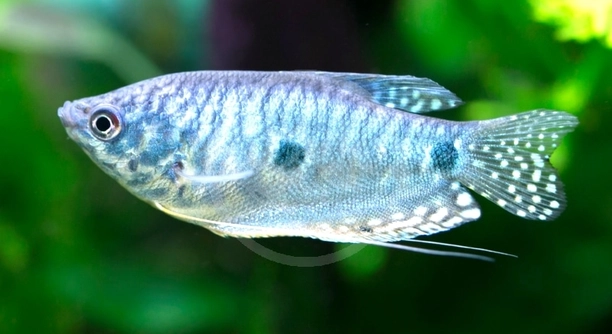
What 7 Water Qualities Gourami Favor Most

Gouramis are popular freshwater fish kept by many aquarium enthusiasts. Knowing the right water conditions helps keep them healthy and vibrant. This article outlines key water qualities that support their well-being. The seven water qualities gouramis favor most include stable temperature between 75-82°F, neutral pH around 6.5-7.5, low ammonia and nitrite levels, moderate hardness, good … Read more
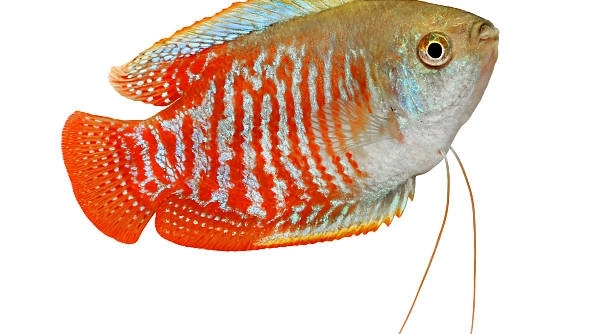
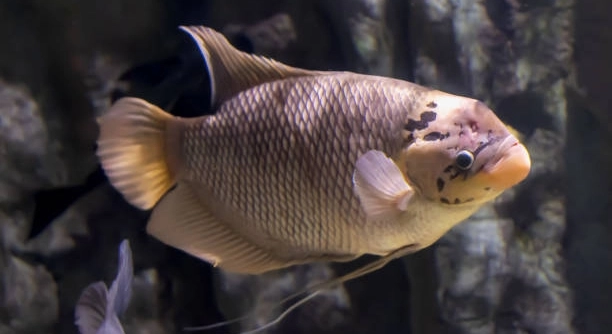
7 Situations Where Gourami Pause Before Action

Gouramis are peaceful fish often kept in home aquariums. They sometimes pause before taking action, which can be interesting to observe. These moments help us understand their behavior better in different situations. Gouramis pause before action as a natural response to their environment. This hesitation helps them assess safety, communicate with other fish, or prepare … Read more

Why Gourami May Avoid a New Tank Setup

Gouramis are peaceful fish that may act shy or avoid a new tank setup. Their cautious nature means they often take time to adjust to unfamiliar surroundings and changes. Understanding their behavior helps create a better environment for them. Gouramis may avoid a new tank setup due to stress caused by sudden environmental changes, unfamiliar … Read more

Can Gourami Show Mood Through Color?

Gouramis are colorful freshwater fish often kept in home aquariums. Their bright shades and changing colors make them interesting to watch. Many fish lovers wonder if these changes show how the fish are feeling. Gouramis can display mood changes through subtle shifts in their color intensity and patterns. These color variations often reflect stress, excitement, … Read more

7 Things Gourami Might Do When Ignored

Gouramis are popular aquarium fish known for their calm nature and unique behaviors. When they feel ignored or unstimulated, they may act differently than usual. Understanding these behaviors can help keep your fish happy and healthy. When ignored, gouramis might display signs such as increased hiding, lethargy, or unusual aggression. These behaviors indicate stress or … Read more

7 Ways Gourami Move When Exploring New Objects

Gouramis are small freshwater fish known for their curious nature. When they encounter new objects in their environment, their movements change in interesting ways. Observing these behaviors helps us understand their exploration habits better. Gouramis exhibit several distinct movement patterns when exploring new objects, including slow approach, cautious circling, fin fluttering, sudden darts, close inspection, … Read more

7 Subtle Signs of Gourami Boredom

Gouramis are popular freshwater fish that many enjoy keeping in home aquariums. They have interesting behaviors and need mental stimulation to stay healthy. Recognizing signs of boredom is important for their well-being. Gourami boredom can manifest through subtle changes in behavior such as reduced activity, loss of appetite, and repetitive swimming patterns. These signs indicate … Read more

7 Tank Changes That Make Gourami Withdraw

Gouramis are popular aquarium fish known for their bright colors and peaceful nature. However, certain changes in their tank environment can cause them to withdraw or hide more often. Understanding these changes is important for keeping gouramis healthy and comfortable. Gouramis tend to withdraw when their tank conditions change in ways that cause stress, discomfort, … Read more

When Gourami React to 7 Days of Darkness

Have you ever noticed your gourami acting differently after spending several days in a dark tank environment? Subtle changes in lighting can have surprising effects on their behavior, health, and overall comfort in the aquarium. Gourami exposed to seven days of darkness often show decreased activity, heightened stress responses, and disrupted feeding patterns. The sudden … Read more

7 Personality Traits Seen in Gourami Trios

Have you ever watched your trio of gouramis and noticed how each one behaves a little differently from the others? Gourami trios often display a mix of assertiveness, curiosity, shyness, and social coordination. These traits can influence their interactions, pecking order, and overall group harmony in a shared aquarium environment. Recognizing these personality traits can … Read more