
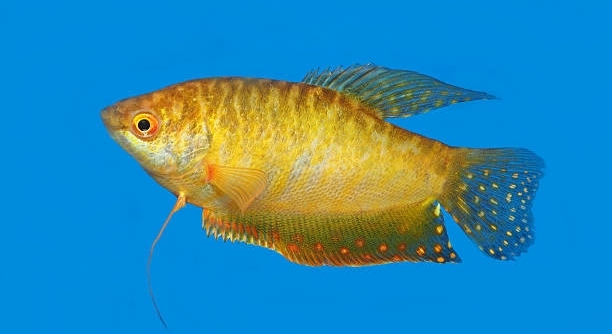
Have you ever noticed your gourami acting differently after spending several days in a dark tank environment? Subtle changes in lighting can have surprising effects on their behavior, health, and overall comfort in the aquarium.
Gourami exposed to seven days of darkness often show decreased activity, heightened stress responses, and disrupted feeding patterns. The sudden absence of light affects their internal rhythms, leading to noticeable behavioral and physiological changes in a short period.
Understanding how darkness impacts your gourami can help you make better choices about tank care and light schedules moving forward.
How Darkness Affects Gourami Behavior
A sudden shift to seven days of complete darkness can noticeably alter how gourami behave. These fish rely on consistent light cycles to regulate their daily routines. Without light, they tend to become less active and may appear to rest more often near the bottom of the tank. Their appetite can also decrease, as feeding times usually align with visual cues. Additionally, some gourami may become more skittish or start hiding more frequently, showing signs of mild stress. These behavioral shifts are tied to how their internal clocks are disrupted. While temporary darkness doesn’t cause permanent harm, the stress it introduces may weaken their immune response. Fish that were already sensitive or adjusting to a new environment may struggle more with this change. Keeping an eye on their movement, appetite, and color can give you a clear picture of how well they’re coping during and after the dark period.
Gourami need stable lighting conditions to feel safe and stay active. Interrupting that balance can leave them unsettled.
Returning the tank to a proper day-night cycle helps restore normal behavior. Over time, their routine feeding habits and swimming activity usually return to baseline. Consistency in care is key to preventing long-term stress in these fish.
Physical Signs to Look Out For
Physical changes can show up fast after prolonged darkness, even in healthy gourami. These include faded colors, drooping fins, and slower swimming patterns.
If your gourami starts to lose its usual bright color, it might be a response to stress from the sudden absence of light. Reduced movement and sagging fins often indicate a drop in energy or alertness. Some gourami may also develop pale patches or seem less responsive to food. In extreme cases, weakened immunity from stress may make them more prone to infections or illness. Watching closely for subtle shifts in their posture, breathing speed, and feeding interest can help you step in early. Restoring light too suddenly, though, may worsen their condition. It’s best to gradually reintroduce a normal light cycle over a few days. Provide them with hiding spots and maintain steady water conditions to ease the transition. Small changes in environment and care go a long way in supporting their recovery.
Helping Your Gourami Adjust Back to Light
Bring the light back gradually. Sudden brightness after days of darkness can overwhelm your gourami. Start with dim lighting for a few hours, then increase it slowly over several days to avoid added stress.
Watch their response to the light. If they start hiding or acting startled, keep the lighting low and steady. Allow a few hours of darkness at night to mimic a natural day-night rhythm. Stick to a consistent schedule. Too much fluctuation can confuse their internal clock and delay recovery. Avoid loud movements around the tank during the first few days. Keep feeding times predictable to encourage them to return to regular eating habits. Slowly, their color, activity, and behavior will return to normal. Give them time and avoid rushing the process. Stable lighting helps rebuild their confidence and restore balance in their tank environment.
Keep the tank environment calm and stress-free. Add floating plants or decorations to create shade and shelter while your gourami readjust. Maintain clean water with stable temperature and pH levels, as sudden changes can worsen their condition. Don’t overcrowd the tank or introduce new fish during this recovery period. Keep your interactions gentle and limit sudden movements near the tank. Offer easily digestible food in small portions, especially if their appetite is still low. Try not to worry if recovery takes a few days—consistency is more important than speed. Monitoring their condition daily and keeping things peaceful helps support their return to a stable routine. Some gourami may bounce back quickly, while others take more time, especially if they were already stressed.
Why Some Gourami React More Strongly
Gourami with weaker immune systems or those recently moved to a new tank tend to react more strongly to sudden darkness. Stress builds faster when they haven’t fully adjusted to their environment or are already feeling insecure.
Younger or smaller gourami may also respond with greater sensitivity. They rely more on routine and stable surroundings to feel safe. Fish kept alone or without enough cover in the tank are especially prone to stress when their environment changes unexpectedly.
Signs Your Gourami Is Recovering
As your gourami begins to adjust, you’ll notice more movement around the tank, a return of their color, and increased interest in food. These are good signs that the stress is lifting. Their breathing will slow down, and they’ll stop hiding as much. If they start exploring familiar areas again, it means they’re feeling safer. Keeping the light consistent helps reinforce this progress. Steady tank conditions and quiet surroundings also speed up their recovery. Be patient, and continue to support them with a calm routine. Over time, their normal patterns should return without needing major intervention.
When to Seek Help
If your gourami shows no signs of improvement after several days, or if symptoms worsen, it’s best to consult an aquatic vet.
FAQ
Can seven days of darkness harm my gourami permanently?
Seven days of darkness usually doesn’t cause permanent harm if the fish was healthy before the change. However, it can trigger stress that affects their behavior, appetite, and immune response. Long-term effects are unlikely unless the fish was already weak or sick. If conditions in the tank are stable, and you return to a regular light cycle gradually, most gourami will recover fully. Some might take longer, especially if they experienced other changes at the same time, such as relocation or water quality issues.
Why did my gourami stop eating during the darkness?
Gourami often rely on light as a cue for feeding. When that cue disappears, their appetite may drop. Stress from the change in environment also contributes to decreased interest in food. If they aren’t moving much, their metabolism slows down, and they won’t need as much energy. Once the lighting returns and their stress lowers, they usually begin eating again. It’s important not to overfeed them during this time, as leftover food can affect water quality.
Is it okay to leave the tank dark at night?
Yes, it’s healthy to give your gourami darkness at night. Like most fish, they benefit from a regular day-night cycle. Keeping the tank lit 24/7 can cause stress and disrupt their natural rhythms. Aim for about 8–12 hours of light per day and the rest dark. Use a timer if needed to stay consistent. What matters most is giving them a predictable routine that doesn’t change suddenly or often.
Should I add more tank decorations during recovery?
Yes, adding floating plants or decorations that create hiding spots can help your gourami feel secure as they recover. Fish under stress look for safe spaces to rest and hide. Just be sure not to overcrowd the tank or block swimming space. A balance of open areas and shaded spots works best. Natural-looking shelters can make your gourami feel more relaxed, especially while readjusting to the light.
Can other fish in the tank affect how my gourami reacts?
Definitely. If your gourami shares the tank with more aggressive or active fish, the stress from darkness may make them more vulnerable to bullying or competition. Fish that are territorial might take advantage of your gourami’s lower energy levels. If you notice chasing, torn fins, or hiding that doesn’t stop, consider using a divider or moving the gourami temporarily to a quieter space.
How long does it take for gourami to return to normal?
It varies. Some gourami bounce back within a day or two once the light returns and the tank settles. Others may need up to a week, especially if they were already stressed before the darkness. Age, health, and tank conditions all affect recovery time. As long as their behavior slowly improves—more swimming, brighter color, regular eating—they’re likely on the right path. Continue offering a calm, stable environment while avoiding new changes.
Is there anything I should avoid during their recovery?
Avoid making any major changes to the tank during recovery. That includes water chemistry adjustments, new fish introductions, or loud movements around the tank. Don’t change the lighting too quickly either—gradual transitions help prevent shock. Also, avoid overfeeding or using bright lights right away. Keeping things steady and predictable gives your gourami the best chance to feel safe again.
Should I keep the tank covered during the dark period?
A tank cover can help keep the room consistently dark, but it’s not always necessary. If the room itself stays dark, that’s usually enough. If you do cover the tank, ensure there’s still enough airflow to prevent overheating or gas buildup. Use breathable material or lift the cover slightly at the edges. A proper balance of light and darkness is more important than total blackout conditions.
Can I use artificial light to help ease them back into routine?
Yes, artificial lighting is useful when easing gourami back into a normal cycle. Start with dim or indirect light, then gradually increase brightness over several days. Avoid flipping bright lights on suddenly, especially in a dark room. A soft lamp or adjustable aquarium light works best. Timers can help maintain a steady schedule, which is especially helpful if you’re not home during the day.
Final Thoughts
Seven days of darkness can affect gourami in different ways. Some may become quiet or stop eating, while others may show signs of stress. However, most healthy gourami usually recover well once the normal lighting routine returns. Their natural behavior often comes back slowly as they feel more secure in their environment. Providing a calm space, keeping tank conditions stable, and giving them time to adjust can make a big difference. It’s also important to watch their eating habits and activity levels during this period.
Gourami rely on light to help guide their daily patterns. Sudden darkness can confuse them and disrupt their sense of safety. They may hide more, avoid food, or act more skittish. These changes are often temporary, especially if the tank setup remains safe and familiar. Avoid making too many changes at once, and try not to disturb them during their adjustment. Small signs of improvement—like slow swimming, gentle exploring, and eating again—usually mean they’re starting to feel better.
Keeping things simple and steady helps your gourami stay healthy. Soft lighting, quiet surroundings, and clean water all support their return to normal. Don’t rush their recovery. Each fish responds in their own time. If they seem calm, eat regularly, and swim without fear, they are likely on the right track. While seven days of darkness may seem stressful, many gourami bounce back when they are given space and stability. Knowing what to expect helps you provide the care they need during and after such changes.

Hello,
If you enjoy the content that we create, please consider saying a "Thank You!" by leaving a tip.
Every little bit helps us continue crafting quality advice that supports the health, happiness, and well-being of pets around the world, for pets of all shapes, sizes, and species.
We really appreciate the kindness and support that you show us!