
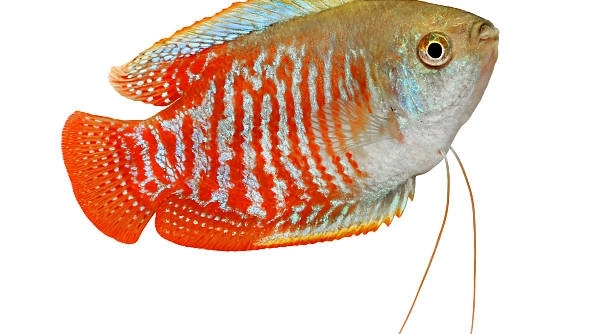
Gouramis are peaceful fish often kept in home aquariums. They sometimes pause before taking action, which can be interesting to observe. These moments help us understand their behavior better in different situations.
Gouramis pause before action as a natural response to their environment. This hesitation helps them assess safety, communicate with other fish, or prepare for movements like feeding, mating, or escaping threats. Such pauses are essential for their survival and interaction.
Recognizing these behaviors can improve how you care for your gouramis and enhance your enjoyment of watching them. Understanding why they pause adds depth to your aquarium experience.
When Gouramis Assess Their Surroundings
Gouramis often pause when they are checking their environment. This behavior helps them spot any potential danger or changes nearby. In an aquarium, sudden movements or new objects can make them stop and observe carefully. This is their way of making sure it is safe before they move on. For example, if a new fish is added to the tank, gouramis might freeze and watch closely. They also do this when food is placed in the water. The pause gives them time to decide if the food is safe to eat. This cautious behavior is important because it helps keep them safe from harm.
This pause is a sign that gouramis are aware and cautious. It shows their natural instinct to survive and stay protected in their space.
Watching how gouramis assess their surroundings can be calming and informative. It also helps aquarists understand when the fish are stressed or comfortable. Noticing these pauses allows you to adjust tank conditions or interactions to keep the fish relaxed and healthy.
When Gouramis Prepare to Eat
Before eating, gouramis often pause briefly. This short hesitation helps them focus on the food and get ready to catch it quickly.
This pause is important because it helps gouramis time their movements to catch food effectively. They use their senses to judge the best moment to strike. Gouramis are visual feeders and rely on sight to find food. By stopping briefly, they reduce unnecessary movement and increase the chances of a successful catch. This behavior also helps them avoid competition from other fish during feeding. If gouramis feel safe and calm, they will eat more confidently and with less hesitation. Recognizing this pause can help aquarists better understand feeding patterns and improve the feeding experience by offering food in a calm, consistent way. Ensuring food is easy to reach and not rushed will reduce stress and promote healthy eating habits.
When Gouramis Respond to Threats
Gouramis pause quickly when they sense danger nearby. This brief hesitation lets them decide whether to hide, flee, or stay still to avoid attention.
This pause is a survival tactic. Gouramis freeze to avoid being noticed by predators or aggressive tank mates. Staying still makes it harder for threats to detect them. Sometimes they use this moment to judge the best escape route. If the danger feels close, they dart away swiftly after the pause. This behavior is natural and shows how alert gouramis are to their environment. Understanding this can help you create a safe and calm aquarium space where your fish feel secure and less stressed.
Recognizing when gouramis freeze due to threats also helps spot possible problems in the tank, like aggressive fish or sudden changes. You can then take steps to reduce stress and improve their wellbeing.
When Gouramis Communicate with Each Other
Gouramis often pause to send or receive signals within their group. These moments help them coordinate behavior and maintain social order.
During these pauses, gouramis display body language like fin movements or color changes. This communication can signal dominance, submission, or readiness to mate. Pausing allows each fish to observe the others carefully and respond appropriately. It prevents unnecessary conflicts and helps keep peace in the tank. These silent exchanges are important for their social balance and reduce stress caused by misunderstandings. Watching these interactions gives insight into how gouramis relate and respect each other’s space, making their behavior more predictable and easier to manage. Creating a well-structured environment supports this natural social behavior.
When Gouramis Rest Between Movements
Gouramis often pause to rest after swimming actively. This break helps them regain energy before moving again.
Resting pauses are natural and important for their health. These moments let gouramis slow down and avoid exhaustion in their tank environment.
When Gouramis Evaluate New Objects
Gouramis pause when they notice something new in their tank. This careful evaluation helps them understand if the object is safe or a threat.
By pausing, gouramis gather information through sight and sometimes smell. This cautious behavior prevents them from reacting too quickly and risking harm. It also shows their curiosity and intelligence in adapting to changes. When introducing new decorations or plants, it’s common to see this pause as they get used to the change. Giving them time to adjust reduces stress and helps maintain a peaceful aquarium atmosphere. Patience during this phase supports the fish’s natural way of adapting.
When Gouramis Prepare to Mate
Gouramis often pause before mating behaviors begin. This brief hesitation helps them coordinate and assess readiness.
When Gouramis Escape from Threats
Gouramis freeze momentarily before darting away to avoid danger.
Why do gouramis sometimes stay still for a long time?
Gouramis staying still for extended periods is usually a sign of rest or careful observation. These fish are naturally cautious and often pause to watch their surroundings, especially if there is any movement or change in the tank. Staying still helps them avoid drawing attention from possible threats or aggressive tank mates. It also allows them to conserve energy between activities like swimming or feeding. If a gourami remains motionless for very long, it can also mean it is feeling stressed or unwell. Checking water quality, tank mates, and overall environment can help ensure they stay healthy and comfortable.
Is it normal for gouramis to freeze when I approach the tank?
Yes, gouramis often freeze when someone approaches their tank. This is a natural survival instinct. In the wild, sudden movements can signal danger, so gouramis stop moving to avoid detection. This brief pause lets them assess if the person or movement is a threat. Over time, many gouramis become used to regular tank viewers and freeze less often. However, if they continue to freeze for a long time or seem stressed, it may indicate they feel unsafe. Keeping the environment calm and avoiding sudden taps or shadows on the glass can help gouramis feel more secure.
Do gouramis pause before eating because they are unsure of the food?
Gouramis pause before eating mainly to focus and time their strike carefully. They use their eyes to judge the best moment to catch the food, which often moves or sinks slowly. This pause is not necessarily because they are unsure but more because it improves their chances of catching food efficiently. Sometimes, if the food is unfamiliar or looks different, gouramis may hesitate a little longer to make sure it is safe to eat. Offering consistent, suitable food helps reduce this hesitation and encourages confident feeding.
How can I tell if a gourami’s pause means it is stressed?
A stressed gourami’s pause might look different from a normal resting or observational pause. If the fish freezes in an unusual spot, like near the surface gasping for air or at the bottom hiding, it could be a sign of stress or illness. Pauses combined with other signs—like clamped fins, loss of appetite, or erratic swimming—should raise concern. Stress often comes from poor water quality, aggressive tank mates, or sudden changes. Testing water parameters regularly and maintaining a calm environment helps reduce stress. Observing your gourami’s normal behavior will make it easier to spot when something is wrong.
Why do gouramis sometimes pause before mating?
Before mating, gouramis pause to assess their partner and environment. This pause helps them coordinate the mating process and ensure conditions are safe. They often display courtship behaviors during this time, like flaring fins or changing colors. The hesitation allows both fish to synchronize and prepare for the next steps. This careful timing increases the chances of successful reproduction. If the gouramis feel stressed or disturbed, they might delay or skip mating altogether.
What does it mean when gouramis freeze during aggression?
Freezing during aggression is a defensive move. When facing a threat, gouramis may stay still to avoid attracting more attention or to plan their next move. This pause can help them avoid conflict or quickly escape. It shows their alertness and survival instinct. If aggression happens frequently in the tank, gouramis may freeze more often, which can cause stress. Creating enough hiding spaces and choosing peaceful tank mates reduces aggressive encounters and helps gouramis feel safer.
Should I worry if my gourami pauses a lot after being introduced to a new tank?
It is normal for gouramis to pause frequently after moving to a new tank. They are trying to understand the unfamiliar surroundings and assess safety. This adjustment period can last several days. During this time, they may hide, stay still, or move slowly. Providing a calm environment with plenty of hiding spots helps them feel secure. Avoid sudden changes or loud noises while they settle in. If pauses turn into long inactivity or signs of illness, check water quality and health conditions to ensure the new tank is suitable.
Can gouramis pause as a way to communicate stress or discomfort?
Yes, gouramis can use pauses as a subtle way to communicate stress or discomfort. A sudden stop or freeze can be a warning sign to other fish or a response to a stressful trigger. Sometimes, these pauses help them avoid conflict or signal the need for space. Watching for patterns in their behavior, such as frequent pauses near certain tank mates or after changes in the tank, can help identify the cause. Responding by adjusting the environment or tank setup can reduce their stress and improve overall wellbeing.
Gouramis are thoughtful and careful fish. Their habit of pausing before action is a natural part of how they live and survive. These pauses help them stay safe, communicate with other fish, rest, and get ready for important moments like eating or mating. By taking time to stop and observe, gouramis make sure they understand what is happening around them. This behavior shows how sensitive they are to their environment and how much they rely on their instincts to make good decisions. It’s important to remember that these pauses are not random but serve clear purposes in their daily life.
When you keep gouramis in an aquarium, paying attention to these moments of hesitation can tell you a lot about their health and comfort. If a gourami pauses often and calmly, it usually means the fish is alert and safe. However, if the pauses seem long, frequent, or are paired with other signs like hiding or loss of appetite, it could mean the fish is stressed or sick. Changes in water quality, tank mates, or surroundings can cause this. Knowing how to spot these signs helps you create a better environment for your gouramis. Small adjustments, like keeping water clean, reducing tank disturbances, and providing enough space and hiding spots, can make a big difference in how relaxed and happy your fish are.
Understanding why gouramis pause before acting also makes watching them more interesting and rewarding. These quiet moments show a side of fish behavior that is thoughtful and intelligent. When gouramis take time to assess or rest, it reminds us that even simple creatures have ways to protect themselves and live well. By learning about these behaviors, you can build a closer connection with your fish and care for them in ways that meet their natural needs. Watching gouramis in their peaceful pauses becomes a way to appreciate the small details of life under water, making the experience of keeping fish richer and more enjoyable.

Hello,
If you enjoy the content that we create, please consider saying a "Thank You!" by leaving a tip.
Every little bit helps us continue crafting quality advice that supports the health, happiness, and well-being of pets around the world, for pets of all shapes, sizes, and species.
We really appreciate the kindness and support that you show us!