
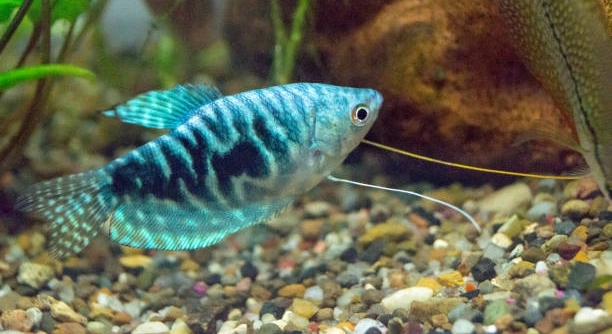
Gouramis are popular aquarium fish known for their bright colors and peaceful nature. However, certain changes in their tank environment can cause them to withdraw or hide more often. Understanding these changes is important for keeping gouramis healthy and comfortable.
Gouramis tend to withdraw when their tank conditions change in ways that cause stress, discomfort, or insecurity. Factors such as poor water quality, sudden temperature shifts, overcrowding, or inadequate hiding spots can lead to their retreat. Maintaining stable and suitable conditions helps reduce withdrawal behavior.
Recognizing these common triggers can help aquarists improve their gourami’s environment and encourage more natural, active behavior in the tank.
Sudden Water Temperature Changes
Gouramis are sensitive to changes in water temperature. When the water suddenly becomes too warm or too cold, they can become stressed and withdraw into hiding. This stress affects their immune system, making them more prone to illness. It’s important to keep the temperature steady, usually between 74°F and 82°F, depending on the species. Using a reliable heater and thermometer helps maintain a stable environment. Avoid placing the tank near windows or vents where temperature fluctuations are common. Slow, gradual adjustments to temperature are much better if changes are needed. Monitoring water temperature daily can prevent surprises that unsettle your gouramis. When the water is too cold, gouramis may become sluggish and hide more, while too warm water can increase their metabolism and cause stress. Keeping temperature consistent helps them feel safe and encourages natural behavior.
Sudden temperature shifts cause stress that leads gouramis to hide and avoid activity in their tanks.
Maintaining a steady temperature promotes healthier behavior and reduces stress in gouramis. Regular monitoring is a simple way to prevent withdrawal caused by temperature changes.
Overcrowding in the Tank
Too many fish in a tank can create a stressful environment for gouramis. Overcrowding reduces swimming space and increases waste, which lowers water quality. Gouramis need enough room to establish their own territory and feel secure. When the tank is crowded, they may hide to avoid conflicts or competition for food and space. Additionally, other aggressive fish or overly active tank mates can make gouramis uncomfortable. It is best to research the recommended tank size for your gouramis and the number of fish it can support. A general rule is at least 10 gallons per gourami. Adding too many fish can also make it harder to maintain clean water, which is crucial for their health. Regular water changes and proper filtration become more difficult in crowded tanks, increasing stress and withdrawal behavior.
Keeping gouramis with peaceful, compatible fish and providing adequate space helps reduce hiding and encourages natural social behavior. Adjusting tank population and ensuring good water quality are key steps to a happier tank.
Poor Water Quality
Poor water quality is a major reason gouramis withdraw. High levels of ammonia, nitrites, or nitrates cause stress and harm their health. Dirty water can also lead to diseases and make gouramis hide more.
Keeping the tank clean is essential. Regular water changes, testing for harmful chemicals, and proper filtration help maintain safe water conditions. Gouramis are sensitive to toxins, so even small changes can upset them. Removing uneaten food and debris reduces waste buildup. Monitoring pH levels between 6.0 and 7.5 is also important for their comfort. Consistent care prevents water quality issues that make gouramis shy away or stay hidden. Clean water supports their immune system and keeps them active and visible in the tank.
Good water quality promotes a healthy environment where gouramis feel secure. Neglecting maintenance can cause withdrawal, illness, and long-term problems. Staying on top of tank care is key to seeing your gouramis thrive and display their natural colors and behaviors.
Lack of Hiding Spots
Gouramis need hiding spots to feel safe, especially when they’re stressed or resting. Without enough places to retreat, they may become anxious and hide less, or become withdrawn due to feeling exposed. Plants, caves, and decorations help provide shelter and reduce stress.
Providing enough cover allows gouramis to control their environment and relax when needed. Natural plants and smooth decorations create a comfortable, secure space. Avoid sharp or rough objects that could injure them. When gouramis have hiding spots, they spend less time hiding out of fear and more time exploring the tank. A well-decorated tank improves their well-being and encourages social interaction. Without this, gouramis may become shy, less active, or hide constantly, which can affect their health over time. Adding plants or structures is a simple way to improve their quality of life.
Sudden Loud Noises
Sudden loud noises near the tank can startle gouramis and cause them to hide. These noises make them feel unsafe and stressed, leading to withdrawal from their usual spots.
Keeping the tank in a quiet area or away from heavy foot traffic helps reduce sudden sounds. A calm environment supports their comfort and reduces hiding behavior.
Incompatible Tank Mates
Certain fish species can intimidate or bully gouramis, causing them to withdraw. Aggressive or overly active tank mates create stress and reduce gouramis’ confidence in the tank.
Choosing peaceful fish that share similar temperaments helps gouramis feel secure. Avoid fish known for fin-nipping or territorial behavior. Introducing compatible tank mates promotes harmony and reduces stress-related hiding.
Lack of Proper Nutrition
Gouramis need a balanced diet to stay healthy and active. Poor nutrition weakens their immune system and can cause lethargy or withdrawal. Feeding a varied diet including flakes, pellets, and occasional live or frozen foods is important.
Proper nutrition supports their energy levels and bright colors. Without it, gouramis may hide more and show signs of poor health.
Why do my gouramis hide all the time?
Gouramis often hide because they feel stressed or unsafe in their environment. Common causes include poor water quality, sudden changes in temperature, or a lack of hiding spots in the tank. Overcrowding or aggressive tank mates can also make gouramis withdraw. When they hide frequently, it’s usually a sign that something in their surroundings needs adjustment to make them feel more comfortable and secure.
How can I make my gouramis feel more comfortable in the tank?
Creating a stable environment is key. Keep the water temperature consistent and clean by performing regular water changes and using a reliable filtration system. Add plenty of plants, caves, or decorations to give gouramis places to hide and rest. Avoid overcrowding and choose peaceful tank mates. Feeding them a balanced diet will also keep them healthy and more confident to explore.
Is it normal for gouramis to be shy sometimes?
Yes, gouramis can be naturally shy, especially if they are new to the tank or if their environment changes suddenly. However, if hiding becomes constant or extreme, it usually indicates stress. Shy behavior can lessen as gouramis get used to their tank and feel safer with proper care.
Can poor water quality really affect gourami behavior?
Absolutely. High levels of ammonia, nitrites, or nitrates cause stress and can make gouramis ill. Dirty water may also irritate their skin and gills, causing them to hide or become inactive. Maintaining good water quality is essential to keeping gouramis healthy and active.
What tank mates should I avoid with gouramis?
Avoid aggressive or very active fish that may bully or stress gouramis. Fin-nipping species and large territorial fish can make gouramis feel unsafe. Ideal tank mates are peaceful, slow-moving fish that won’t compete aggressively for food or space.
How often should I change the water in my gourami tank?
A good rule of thumb is to change about 20-30% of the water weekly. This helps keep waste levels low and water parameters stable. More frequent changes may be needed in crowded tanks or if water tests show high toxin levels.
Can stress cause illness in gouramis?
Yes, stress lowers their immune system, making them more vulnerable to diseases. Common signs include hiding, loss of appetite, or unusual swimming behavior. Reducing stress through proper care and tank conditions helps prevent illness.
What diet is best for gouramis?
A balanced diet includes high-quality flakes or pellets designed for gouramis, supplemented with live or frozen foods like brine shrimp, bloodworms, or daphnia. Variety in food keeps them healthy, vibrant, and active.
How can I tell if my gourami is healthy?
Healthy gouramis are active, swim smoothly, and show bright, even colors. They respond to feeding and explore their tank. If they hide too much, lose color, or stop eating, it might indicate a health or environment problem.
Are gouramis sensitive to noise and vibration?
Yes, loud noises or vibrations near the tank can startle gouramis and make them hide. Placing the tank in a quiet, stable location helps minimize this stress and encourages them to stay visible and relaxed.
Gouramis are peaceful fish that need a calm and stable environment to thrive. When they start to withdraw or hide, it usually means something in their tank is not quite right. Changes such as poor water quality, sudden temperature shifts, or too many tank mates can cause stress. This stress makes gouramis feel unsafe and want to hide more. Paying close attention to their environment and making small adjustments can help them feel more comfortable and active again. Keeping their tank clean and maintaining proper water conditions are important steps in ensuring their well-being.
Providing gouramis with enough space and places to hide is just as important as clean water. Plants, caves, and decorations give them safe spots to retreat when they feel threatened or need rest. Without these hiding places, gouramis may feel exposed and anxious, leading to more withdrawal. It is also important to choose tank mates carefully. Peaceful fish that don’t compete or bother gouramis make the tank a friendlier space for everyone. A balanced diet will help keep gouramis healthy, giving them the strength to cope with minor stressors and stay active.
Watching your gouramis’ behavior closely can help you catch any problems early. If they start hiding more than usual or seem less active, it is a signal to check the tank conditions. Regular maintenance, stable temperature, and good nutrition will keep your gouramis happy and healthy. Simple care and understanding their needs can make a big difference in how they behave. Taking these steps will encourage your gouramis to come out more often and show their natural colors and personality in your aquarium.

Hello,
If you enjoy the content that we create, please consider saying a "Thank You!" by leaving a tip.
Every little bit helps us continue crafting quality advice that supports the health, happiness, and well-being of pets around the world, for pets of all shapes, sizes, and species.
We really appreciate the kindness and support that you show us!