
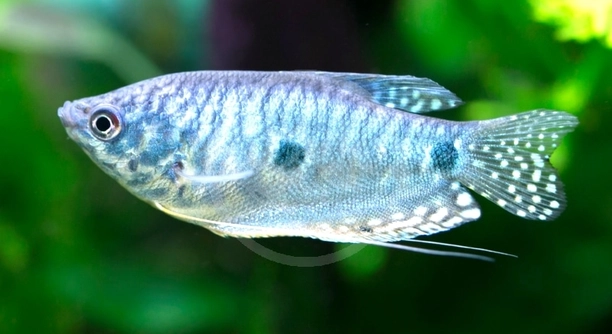
Have you ever watched your trio of gouramis and noticed how each one behaves a little differently from the others?
Gourami trios often display a mix of assertiveness, curiosity, shyness, and social coordination. These traits can influence their interactions, pecking order, and overall group harmony in a shared aquarium environment.
Recognizing these personality traits can help you create a calmer tank and support your gouramis’ well-being with better care and understanding.
Bold Behavior Among Gouramis
Some gouramis naturally take the lead in a trio, often showing bold and active behavior. These fish may swim ahead, investigate new objects first, and establish control during feeding time. Bold individuals can set the tone for how the group behaves. They tend to chase or flare at the others, especially when they feel their space is being challenged. This behavior can sometimes look aggressive, but it’s often their way of reinforcing a pecking order. In a small group, boldness helps define social structure. If the tank is well-planted with enough hiding spaces, the bolder fish won’t constantly overwhelm the others. This balance helps reduce stress and promotes healthier interactions. Watching how your gouramis claim their space, dart through plants, or assert themselves during meals can be a clear sign of who leads the trio. Bold traits often remain consistent over time and are noticeable with even brief observation.
A bolder gourami may set the pace and influence how the other two react in everyday tank life.
While bold behavior may come across as dominance, it’s often more about establishing routine roles. These patterns become part of daily life in a trio. Knowing which fish tends to take charge can help you monitor for signs of stress or imbalance. If one gourami always hides, adjusting tank setup or feeding routines may help. Balanced interactions reduce the risk of bullying and help all three feel secure. Keep a close eye when rearranging decorations or introducing changes. Shifts in territory can spark temporary conflicts that bold fish may escalate. Over time, though, a steady tank setup supports stability. Watching how roles shift when new items are introduced also gives you insight into their social flexibility.
The Quiet One in the Group
In many trios, one gourami tends to be noticeably quieter or more reserved than the others.
Shy gouramis may prefer to stay near plants or darker areas of the tank. They avoid direct confrontation and often wait until the others have eaten before moving in. This doesn’t always mean they are stressed—it’s often just part of their nature. Quiet behavior becomes more obvious when surrounded by bolder tankmates, and this dynamic can stay consistent unless something disrupts their environment. A calm tank, with gentle filtration and lots of cover, helps shy individuals feel secure. If food doesn’t reach them, consider spreading pellets or flakes across different zones. A shy gourami that eats well and swims calmly is usually healthy. Their reserved style may seem passive, but it plays a stabilizing role in the trio. Giving them the right environment ensures they remain comfortable, active, and part of the group without being forced into roles that don’t suit their temperament.
Social Curiosity in the Tank
Some gouramis show interest in everything that moves. They’ll often trail behind others, peek through plants, or approach when you come near the glass. This type of behavior often signals a socially curious temperament.
Socially curious gouramis like to investigate without taking charge. They don’t push others aside but prefer to follow, observe, and sometimes mimic behaviors. You might notice them watching a bolder fish eat or trailing behind a more dominant one during swims. They also tend to explore areas already visited by their tankmates, using others’ actions as a guide. This behavior doesn’t always mean they’re shy—it often shows interest in their surroundings and a cautious approach to new things. These fish thrive in tanks with a moderate level of activity and benefit from enrichment like new plants or rearranged décor. Their curiosity makes them enjoyable to watch and easy to care for, as they stay engaged.
A curious gourami may show bursts of activity followed by long pauses. They often enjoy inspecting bubbles, light reflections, or even food particles drifting across the tank. If you’re cleaning or changing water, they might swim nearby to watch, showing interest without getting too close. These fish are typically good at reading the room—knowing when to back off or when to get involved. They add balance to trios by neither dominating nor withdrawing completely. To keep them stimulated, it helps to rotate decorations or vary their food occasionally. Socially curious gouramis tend to do well in groups where others are not overly aggressive or too territorial, as this allows their natural tendencies to shine.
The Occasional Flare-Up
Even peaceful gouramis can have brief flare-ups, especially when defending space, food, or status. These moments are usually quick, involving a display of fins or chasing but rarely cause injury.
Territorial flaring often happens when there are too few hiding spots or unclear boundaries in the tank. In a trio, two may form a bond, leaving the third feeling isolated or more defensive. These flare-ups can happen near feeding times, during rearrangements, or when the lighting shifts. It’s a way to reinforce space or show discomfort with a change. Keeping consistent routines and offering multiple hiding zones can help lower tension. Also, spreading out food can reduce direct competition. Watching for repeated chasing or body nipping is important, as it may signal a need to adjust the tank layout. Brief aggression is normal, but patterns that repeat often mean something needs to shift for everyone to stay calm.
Chasing Without Harm
Mild chasing happens often in gourami trios and usually isn’t harmful. It’s a way to set boundaries or nudge another fish away. These chases are short and end quickly without any signs of injury.
If one fish constantly chases the same tankmate, it may be a sign of stress. Adding plants, caves, or line-of-sight breaks can help balance out the space and reduce the behavior.
Balanced Yet Independent
Some gouramis keep to themselves but still engage at their own pace. These fish don’t chase, don’t flare much, and rarely cause conflict. They swim calmly, eat steadily, and settle into the tank routine without drawing much attention. This doesn’t mean they’re shy—just balanced and independent. They enjoy their surroundings without needing constant interaction with others. Their calm nature can help reduce tension when the other two are more active or assertive. Having at least one of these even-tempered fish in a trio often creates a steady environment. These gouramis benefit from stability, a peaceful setup, and a steady feeding schedule.
When They Change Roles
Gouramis may shift personalities slightly over time, especially after changes in tank setup or social dynamics. A quiet fish might become more active once it feels secure.
FAQ
Do gouramis in trios always show a clear pecking order?
Yes, in many cases, one gourami tends to take on a more dominant role, especially if they feel secure in the space. This doesn’t always mean aggression—dominance can appear as leading during swims, first access to food, or taking control of favored hiding spots. The second fish may follow or respond to the leader, while the third tends to hang back more. However, these roles can shift over time, especially if the dominant fish becomes stressed or if the tank environment changes. It’s common and usually not a problem unless one fish becomes too isolated or stressed.
Can one fish in a trio become withdrawn?
Yes. Sometimes, one gourami will start avoiding the others, spending more time behind decorations or near the bottom. This can be caused by bullying, poor water quality, or lack of shelter. If this behavior starts suddenly, check your tank parameters and add more hiding spaces. A withdrawn fish may also be recovering from stress and can improve once the environment feels safer. In a balanced trio, all fish should have access to food, shelter, and space to move freely. If one is always hiding, it’s a sign to make a few changes to improve the tank’s layout.
Is it normal for one gourami to flare more than the others?
Yes. Some gouramis are naturally more expressive and will flare their fins or gill covers more often. It can be a display of confidence or a reaction to tank movement, reflections, or the presence of another fish. As long as the behavior isn’t constant and isn’t followed by biting or chasing, occasional flaring is fine. It’s their way of communicating and reacting to stimuli. If flaring becomes aggressive or stressful, try adjusting the lighting, reducing reflections, or adding more plants to help block direct line of sight between fish.
What signs show a trio is well-matched?
A well-matched gourami trio will swim at ease, share space, and show interest in their surroundings without constant chasing or hiding. Occasional displays or brief interactions are normal, but they should settle quickly. All three fish should eat regularly, explore the tank, and rest comfortably without one being excluded. A calm tank atmosphere usually means the personalities complement each other. Signs of trouble include one fish dominating space or food, long chases, or another hiding constantly. Watching them during feeding and after a tank cleaning can help you spot if any issues are starting to develop.
Do male and female gouramis act differently in trios?
Yes. Males are often more territorial, especially in smaller tanks or during changes in environment. They may flare more or become slightly more aggressive when claiming space. Females usually show milder temperaments, though this can vary by individual. A trio of all males tends to show more dominance behaviors, while mixed-sex trios may have more balance. Pairing one male with two females often works best, as it helps spread attention and reduces the chance of one fish being targeted. Always watch their behavior closely, regardless of sex, since individual personalities still play a big role.
Can rearranging decorations really change their behavior?
Absolutely. When plants, rocks, or other décor are moved, it disrupts established territories and forces all fish to adjust. This can reset dominance patterns and give a more submissive fish a fresh chance to claim space. If one fish has become overly dominant or another is hiding too often, rearranging the tank can break up patterns and help balance interactions. Even small changes, like shifting a cave or adding a tall plant, can influence how the fish use space. It’s a useful tool when trying to settle tension in a trio that isn’t getting along well.
Should I separate aggressive gouramis from a trio?
Only if the aggression is ongoing and causing harm. Occasional chasing or flaring is normal, but repeated attacks, injuries, or stress-related symptoms like torn fins or refusal to eat are signs it may be time to separate one fish. You can try adding more plants, rearranging the tank, or adjusting group composition first. If none of these changes work, removing the most aggressive fish is often necessary to restore peace. Watch for signs like frayed fins, weight loss, or a fish that constantly hides—these are indicators that the aggression isn’t just temporary posturing but a real issue.
Final Thoughts
Gourami trios can offer a peaceful and interesting dynamic in a home aquarium when the setup is done right. These fish each have their own personality, and watching them interact brings a calm rhythm to the tank. Some will be bold and active, while others may stay quiet and prefer their space. Each trio may act differently, but understanding their behaviors helps you support their well-being. It’s important to give them enough room, hiding spots, and stable water conditions to reduce tension and allow them to live comfortably together. A well-planned setup often leads to a stable group where each fish knows its place and can relax.
Taking the time to watch your gouramis daily helps you learn their habits and notice when something changes. Subtle signs like hiding more often, flaring frequently, or refusing food can signal stress. Making small adjustments like moving tank decorations or spreading out food can reduce tension. If you notice one fish becoming too dominant or another withdrawing too much, it’s a good idea to check the tank’s layout and provide more cover. These small actions can prevent bigger problems and help your trio stay balanced. A peaceful tank often reflects a well-observed and adjusted setup where fish are able to thrive without fear or pressure.
Caring for a gourami trio means accepting that not all groups will behave the same. One group might get along perfectly with minimal effort, while another may need regular changes to stay balanced. These fish are intelligent and respond to changes in their environment and social structure. Providing a tank that supports all their needs, including quiet areas, places to explore, and access to food, helps keep the group healthy. Regular water checks, gentle feeding routines, and thoughtful layout changes go a long way in creating a good environment. With patience and awareness, a gourami trio can grow into a calm, well-adjusted group that adds beauty and quiet movement to your aquarium.

Hello,
If you enjoy the content that we create, please consider saying a "Thank You!" by leaving a tip.
Every little bit helps us continue crafting quality advice that supports the health, happiness, and well-being of pets around the world, for pets of all shapes, sizes, and species.
We really appreciate the kindness and support that you show us!