
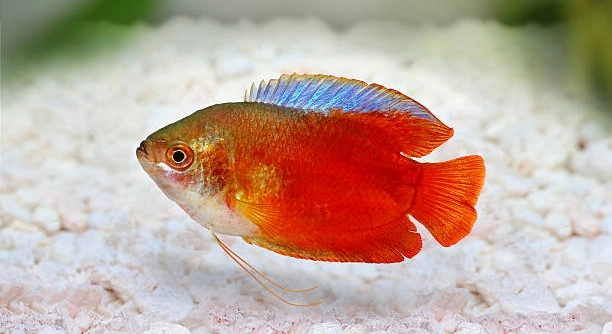
Gouramis are popular freshwater fish that many enjoy keeping in home aquariums. They have interesting behaviors and need mental stimulation to stay healthy. Recognizing signs of boredom is important for their well-being.
Gourami boredom can manifest through subtle changes in behavior such as reduced activity, loss of appetite, and repetitive swimming patterns. These signs indicate the fish may lack environmental enrichment or social interaction needed for their mental health.
Identifying these signs early helps improve the quality of life for your gourami and ensures a more engaging environment in your aquarium.
Lack of Environmental Enrichment
Gouramis need an environment that keeps them engaged and active. A simple tank with just water and a few decorations can become boring quickly. They benefit from plants, hiding spots, and varied tank decorations that mimic their natural habitat. When these elements are missing, gouramis often lose interest in exploring. They may spend a lot of time sitting still or hiding in one spot. Adding floating plants or gentle water currents can encourage natural behaviors like foraging and swimming. Changing the tank layout every few weeks can also help keep things fresh for your fish. Providing a stimulating environment isn’t just about decoration—it supports their mental health and reduces stress. When gouramis have little to do, their overall health can decline, making it important to observe their environment regularly and update it as needed.
An enriched tank setup encourages activity and curiosity, reducing signs of boredom in gouramis.
To maintain an engaging space for your gourami, regularly add or move plants and decorations. Introducing live plants creates hiding places and surfaces for algae, which gouramis enjoy grazing on. Use natural elements to simulate their native surroundings and create a comfortable, interesting habitat. Observing how your gourami interacts with different areas can help you decide what changes to make next. A dynamic environment can improve their mood and behavior significantly.
Social Interaction Needs
Gouramis are social fish that often thrive with companions or in community tanks. Being alone in a tank can lead to boredom, as they miss out on the stimulation that other fish provide. Without social interaction, gouramis may become withdrawn or display repetitive behaviors. It’s important to choose tank mates carefully to avoid aggression or stress. Some gouramis enjoy the company of other gouramis or peaceful species that share similar tank requirements. When kept with suitable companions, they are more active and show natural behaviors like chasing or playful swimming. However, overcrowding should be avoided to prevent stress and poor water quality. Finding the right balance between social stimulation and tank space is key to a healthy and happy gourami.
When gouramis receive proper social interaction, their behavior improves and boredom decreases.
Introducing compatible fish species can enrich your gourami’s life and promote natural social behaviors. Observe interactions to ensure harmony and adjust if necessary. Social enrichment helps reduce stress and promotes a lively tank atmosphere, making your gourami more active and engaged.
Changes in Appetite
A sudden drop in your gourami’s appetite can be a sign of boredom or stress. When they lose interest in food, it often means their environment isn’t stimulating enough or they feel unsettled.
Gouramis usually show excitement when feeding time comes, eagerly swimming to food. When they stop doing this, it could indicate boredom or discomfort. A dull environment or lack of interaction can reduce their motivation to eat. Sometimes, boredom makes fish less active, so they use less energy and seem uninterested in food. Checking water quality and tank conditions is important because poor conditions can also affect appetite. Keeping your gourami’s environment engaging and stable helps maintain their interest in food and supports their health.
If appetite loss continues, consider enriching the tank or adjusting feeding routines. Offering a variety of foods and feeding in different ways can rekindle their interest. Feeding live or frozen foods occasionally can simulate natural hunting behaviors and keep them mentally stimulated.
Repetitive Swimming Patterns
When gouramis swim the same path repeatedly or pace back and forth, it’s often a sign of boredom or frustration. This behavior shows they are looking for something more in their environment.
Repetitive swimming can happen if the tank is too small or lacks hiding places. Without enough space or stimulation, gouramis may become restless and start this behavior. It’s their way of trying to escape monotony. Adding plants, decorations, or even rearranging the tank can help break this cycle. Increasing tank size, if possible, also allows more room for natural movement. Watching these patterns closely can help you decide when changes are needed to improve your fish’s mental state.
Encouraging natural behaviors with an enriched environment reduces repetitive swimming. Introducing gentle currents or interactive feeding methods can distract your gourami from this habit, making their swimming more varied and healthy.
Hiding More Than Usual
When gouramis hide more often than normal, it may be a sign of boredom or stress. They retreat to avoid stimulation they find unpleasant or simply because their environment feels dull.
Frequent hiding limits their activity and interaction, which can worsen boredom. Providing more hiding spots and rearranging the tank can encourage them to explore more.
Loss of Color
Gouramis losing their vibrant colors is a common sign of boredom or poor health. Dull coloration often reflects stress or lack of stimulation in their surroundings.
Maintaining a well-decorated, enriched tank with proper lighting helps keep their colors bright. Healthy diet and social interaction also support their natural appearance.
Reduced Interaction with Owners
Gouramis that usually respond to your presence but suddenly ignore you may be showing boredom signs. They might feel disconnected due to a lack of mental engagement or stimulation.
Increasing interaction through gentle tapping or feeding can encourage them to be more responsive and active.
How can I tell if my gourami is bored?
Boredom in gouramis often shows through subtle behavior changes. Look for less movement, hiding more than usual, loss of appetite, and repetitive swimming patterns. Their colors might also fade, and they may stop interacting with you or other tank mates. These signs suggest your gourami needs more stimulation.
What can I do to prevent gourami boredom?
Providing an enriched environment is key. Add live plants, decorations, and hiding spots to mimic their natural habitat. Regularly rearranging the tank keeps things interesting. Introducing compatible tank mates encourages social behavior. Feeding a varied diet and occasionally offering live or frozen foods can also keep them mentally engaged.
Is tank size important for gourami happiness?
Yes, tank size greatly affects gourami behavior. Small tanks limit movement and increase boredom risk. Gouramis need space to swim freely and explore. A tank of at least 20 gallons is recommended for a single gourami, with larger tanks better for groups or community setups.
Can gouramis get lonely?
Gouramis are social to some extent and can get lonely if kept alone without interaction. Some species prefer company and do better with tank mates. However, overcrowding causes stress, so balance is essential. Watch how your gourami behaves to determine if they benefit from companions.
How often should I change my gourami’s tank layout?
Changing the layout every few weeks helps prevent boredom. Even small changes, like moving plants or decorations, can spark curiosity. Avoid drastic changes that may cause stress, but a gentle refresh keeps the environment stimulating and encourages natural behaviors.
What foods help keep gouramis interested?
A varied diet is best. Offer flakes, pellets, and live or frozen foods like brine shrimp or bloodworms. These options stimulate natural hunting instincts and break feeding routine boredom. Occasionally hiding food in plants or decorations can also encourage foraging behavior.
Are there signs of stress that look like boredom?
Yes, some signs overlap, like hiding and loss of appetite. Stress may result from poor water quality, aggressive tank mates, or illness. Always check water parameters and observe for illness symptoms before concluding boredom is the cause. Proper tank maintenance helps reduce stress and boredom alike.
Can I use toys or objects to entertain my gourami?
While gouramis don’t use toys like mammals, objects that encourage exploration work well. Floating plants, caves, and tunnels provide interest. Mirrors can stimulate activity but should be used sparingly to avoid aggression. Interactive feeding methods also serve as mental enrichment.
How important is lighting for gourami behavior?
Proper lighting affects their mood and color. Too much light can stress gouramis, while too little can make them inactive and dull. Use natural or adjustable lighting that mimics day and night cycles to support their natural rhythms and encourage activity.
What if my gourami’s boredom signs don’t improve?
If signs persist despite changes, reassess tank conditions. Check water quality, diet, and social setup. Consult an expert if needed to rule out illness. Sometimes, adjusting one factor at a time helps identify what your gourami needs most. Patience and observation are key.
Final thoughts on gourami boredom focus on the importance of creating a healthy and stimulating environment for these beautiful fish. Gouramis, like many other aquarium fish, need more than just water and food to thrive. They require mental and physical stimulation to stay active and healthy. Recognizing the subtle signs of boredom early can help prevent long-term health problems and stress. Small changes in their tank setup, social grouping, or feeding habits can make a big difference in their well-being. Taking time to observe your gourami’s behavior will help you understand what they need to feel comfortable and engaged.
It is important to remember that gouramis come from diverse habitats, so their preferences might vary slightly depending on the species. Most gouramis enjoy plants, hiding spots, and gentle water movement that mimic their natural environment. Providing these features can reduce boredom and promote natural behaviors. Social interaction is another key factor. While some gouramis enjoy company, others prefer more solitude, so knowing your fish’s personality will guide you in choosing the right tank mates. Regularly updating the tank layout or adding new objects also keeps the environment fresh and exciting for your gourami. These efforts can improve their activity level, coloration, and overall happiness.
Lastly, patience and consistent care are essential when addressing gourami boredom. It may take time to see changes in behavior after making improvements, so keep monitoring your fish closely. Feeding a varied diet and maintaining clean, stable water conditions will support their health as well. By paying attention to their needs and signs of boredom, you can create a more enjoyable home for your gourami. This not only benefits the fish but also makes caring for them more rewarding. Small steps toward enrichment lead to a healthier and more vibrant aquarium.

Hello,
If you enjoy the content that we create, please consider saying a "Thank You!" by leaving a tip.
Every little bit helps us continue crafting quality advice that supports the health, happiness, and well-being of pets around the world, for pets of all shapes, sizes, and species.
We really appreciate the kindness and support that you show us!