7 Things to Never Put in a Gourami Tank

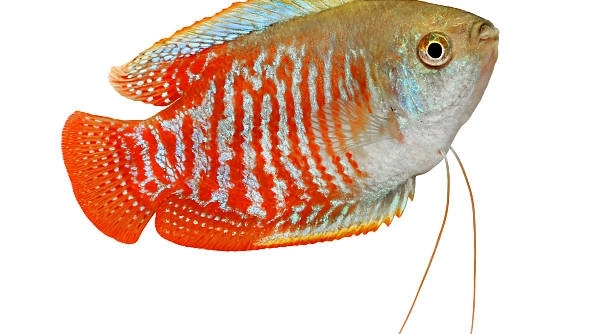
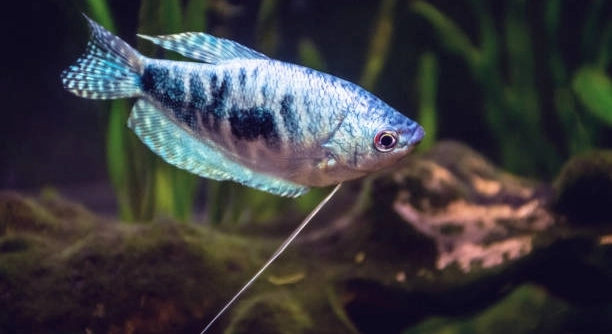
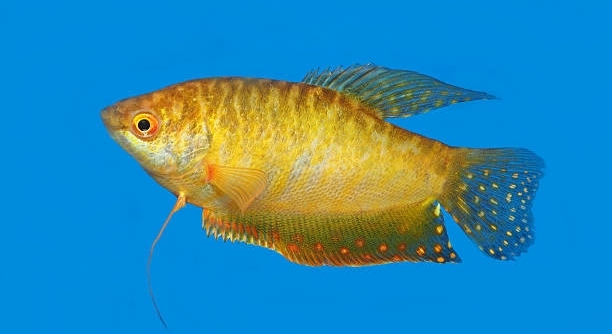
Gouramis are colorful and peaceful fish that make aquariums lively. Caring for them requires attention to their environment, including what items and decorations are safe to place in their tank. Proper setup ensures a healthy habitat. There are specific objects and substances that should never enter a gourami tank, as they can harm the fish, … Read more
Do Gouramis Sleep with Their Eyes Open?

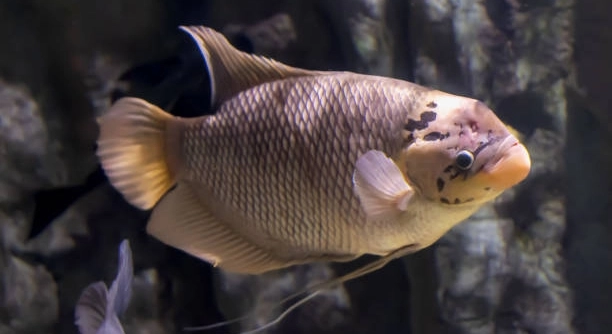
Do your gouramis seem to float quietly in the aquarium, eyes wide open, even at night? Many fish owners notice this behavior and wonder how these peaceful pets rest without closing their eyes. Observing their calm presence can be oddly soothing. Gouramis do not close their eyes while sleeping because they lack eyelids. Instead, they … Read more

7 Signs That Indicate Your Gourami Is Getting Sick

Gouramis are beautiful and peaceful fish that brighten any aquarium with their colors and gentle movements. Watching them swim can be calming, but noticing changes in their behavior may indicate something is wrong with their health. Several signs can indicate that a gourami is getting sick, including unusual swimming patterns, loss of appetite, faded colors, … Read more

7 Essentials for Setting Up a Gourami Tank

Setting up a tank for gouramis can be a rewarding experience. These colorful, peaceful fish bring life to any aquarium. Preparing the right environment ensures they stay healthy and display their natural behaviors comfortably. The key essentials for a gourami tank include proper tank size, stable water temperature, adequate filtration, gentle water flow, suitable substrate, … Read more

Can You Use Aquarium Salt with Giant Gouramis?

Giant gouramis are popular freshwater fish known for their size and calm nature. Many fishkeepers enjoy watching them grow, but keeping them healthy requires understanding their unique needs and suitable aquarium practices. Aquarium salt can be used with giant gouramis in moderation. It helps reduce stress, prevent certain infections, and support overall gill health, but … Read more

How to Know If Your Gourami Is Sick

Gouramis are popular freshwater fish known for their vibrant colors and peaceful nature. Many owners enjoy watching them swim gracefully, but sudden changes in behavior or appearance can indicate health concerns that require attention. Recognizing signs of illness in gouramis involves observing physical changes, behavioral shifts, and water quality. Common indicators include faded colors, clamped … Read more

What If a Gourami Hides After Each Meal?

Gouramis are peaceful freshwater fish often kept in home aquariums. They enjoy quiet spaces and can be shy, especially after feeding. Observing their behavior helps owners ensure they are healthy and comfortable in their environment. A gourami hiding after each meal is usually a natural behavior linked to digestion and instinctual safety. After eating, these … Read more

7 Warning Signs of Sudden Gourami Stress

Do your gouramis sometimes act unusually, swimming frantically or hiding more than usual? Sudden stress can affect their behavior quickly, making it important to recognize early warning signs before health problems develop. Sudden stress in gouramis can result from environmental changes, poor water quality, or aggressive tank mates. Observable signs include erratic swimming, loss of … Read more

Why Your Gourami Might Be Shy After a Move

Moving your gourami to a new tank can be stressful for the fish. Changes in environment, water parameters, and surroundings may cause them to hide or stay in one spot for longer than usual. Gouramis often exhibit shy behavior after relocation due to environmental stress and unfamiliar surroundings. Sudden changes in water chemistry, lighting, and … Read more

7 Situations Where Your Gourami May Refuse to Eat

Gouramis are peaceful and colorful fish, often keeping aquariums lively and calm. Observing them swim gracefully can be relaxing, but sometimes they show signs of stress or changes in behavior, making their eating habits unpredictable. Gouramis may refuse to eat due to various factors, including water quality, tank mates, stress, illness, or dietary issues. Identifying … Read more