
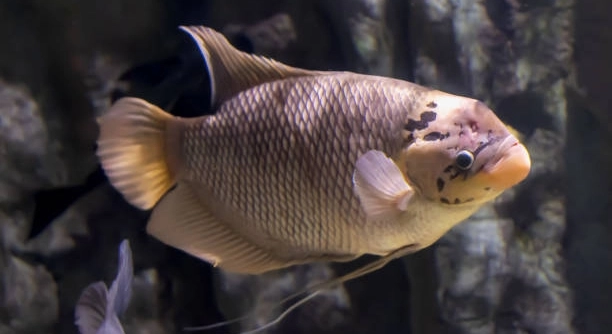
Gouramis are beautiful and peaceful fish that brighten any aquarium with their colors and gentle movements. Watching them swim can be calming, but noticing changes in their behavior may indicate something is wrong with their health.
Several signs can indicate that a gourami is getting sick, including unusual swimming patterns, loss of appetite, faded colors, clamped fins, labored breathing, visible spots or wounds, and lethargy. Early recognition of these symptoms helps prevent serious illness.
Recognizing these early signs allows you to act promptly, ensuring your gourami stays healthy and happy in its aquatic environment.
Unusual Swimming Patterns
Sometimes, your gourami may start swimming differently than usual. They might swim in circles, float near the surface, or stay at the bottom for long periods. These changes often indicate stress or illness, which could stem from water quality issues, parasites, or internal infections. Observing how your fish moves daily can help you notice small differences before they become severe. Even minor changes in behavior are important because gouramis are usually calm and consistent in their movements. A sudden loss of balance, spinning, or difficulty staying upright can signal swim bladder problems or other internal issues. It’s helpful to check water temperature, pH, and cleanliness alongside behavioral observations to get a clearer picture of your fish’s health. Keeping a log of your gourami’s behavior can make it easier to detect patterns or recurring problems. Quick action may prevent more serious health complications and improve recovery chances for your fish.
Changes in swimming often indicate health problems and should be addressed immediately to prevent further illness and discomfort.
Noticing odd swimming patterns can be worrying, but early observation allows you to intervene quickly. Making small adjustments to the tank or diet often improves behavior and restores stability, keeping your gourami healthy.
Loss of Appetite
A sudden decrease in appetite is one of the first signs that something may be wrong. Your gourami may ignore food or eat only a little, which affects its energy and immune system.
Loss of appetite can result from poor water quality, infections, or stress. For example, high ammonia levels, sudden temperature changes, or overcrowding often discourage feeding. Illnesses like internal parasites or bacterial infections also reduce appetite. It’s important to monitor how long your gourami goes without eating because extended periods can lead to weakness or other complications. Offering high-quality food in small portions and observing changes helps you understand if the problem is temporary or serious. Sometimes, adjusting feeding schedules or improving tank conditions can restore interest in food. If appetite does not improve after changes, consulting a veterinarian familiar with fish health ensures your gourami receives proper care and treatment. Consistent monitoring and proactive steps are essential for maintaining their well-being.
Faded Colors
Faded or dull colors in your gourami often signal stress or illness. Healthy gouramis usually display bright, vibrant hues, so a noticeable change can indicate poor water conditions, disease, or nutritional deficiencies.
When your gourami’s colors start to fade, it may be reacting to environmental stressors. Poor water quality, such as high ammonia or nitrite levels, can affect their appearance quickly. Stress from overcrowding or aggressive tank mates also contributes to dull coloring. Nutritional deficiencies can play a role, especially if their diet lacks variety or essential vitamins. Infections, both bacterial and parasitic, often show up as muted colors before other symptoms appear. Regular observation of your gourami’s colors helps detect these issues early, allowing adjustments to water, diet, or tank conditions before the problem worsens.
Restoring vibrant colors often involves correcting water parameters, providing a balanced diet, and reducing stress in the tank. Sometimes, isolation in a clean, quiet environment can help them recover their natural appearance, improving both health and confidence in swimming.
Clamped Fins
Clamped fins occur when your gourami keeps its fins close to its body instead of spreading them normally. This is often a sign of stress or disease, making it harder for them to swim and maintain balance.
Fins that remain clamped can indicate infections, poor water quality, or even internal parasites. Bacterial infections often make fins appear frayed or sticky, while fungal infections can lead to curling. Stress from overcrowding or sudden temperature shifts can also cause your gourami to hold its fins tightly against its body. Clamped fins are frequently accompanied by other symptoms like lethargy, loss of appetite, or abnormal swimming. Monitoring water parameters and observing other behaviors can help pinpoint the cause.
Addressing clamped fins usually requires improving water conditions, reducing stressors, and sometimes using targeted treatment for infections. Correct care and attention can allow the fins to return to their normal, spread-out state, restoring both comfort and natural movement for your gourami.
Labored Breathing
Labored breathing in your gourami is noticeable when it gulps at the surface or breathes rapidly. This often signals low oxygen levels, poor water quality, or illness affecting the gills.
Consistent rapid or heavy breathing can also indicate infections or parasites. Observing how long it lasts and checking water conditions can help identify the cause.
Visible Spots or Wounds
White, red, or black spots and open wounds often appear on sick gouramis. These marks usually indicate bacterial or fungal infections, parasitic infestations, or minor injuries that worsen without treatment. Careful monitoring of spots is crucial for timely intervention.
Lethargy
A lethargic gourami spends long periods resting or hiding. This lack of movement may result from illness, poor water conditions, or stress within the tank environment.
FAQ
How can I tell if my gourami is stressed or sick?
Stress and illness in gouramis often show through changes in behavior, appetite, or appearance. Look for faded colors, clamped fins, unusual swimming patterns, lethargy, or labored breathing. Sudden changes in these areas are usually the first signs that something is wrong. Observing your fish daily helps detect problems early.
What should I do if my gourami shows clamped fins?
Clamped fins are a sign of stress, infection, or poor water conditions. Check water parameters like ammonia, nitrite, nitrate, and temperature. Reduce stressors such as overcrowding or aggressive tank mates. If necessary, treat infections with appropriate medication recommended for freshwater fish. Isolation in a clean tank may help recovery.
Why is my gourami losing its appetite?
Loss of appetite can result from water quality issues, stress, infections, or parasites. Sometimes sudden changes in temperature or diet cause temporary feeding reluctance. Providing a high-quality, varied diet and ensuring stable water conditions usually helps. Prolonged refusal to eat requires further investigation or veterinary advice.
How can I restore my gourami’s faded colors?
Faded colors usually indicate stress, poor water quality, or nutritional deficiencies. Correct water parameters and reduce stress in the tank. A varied diet rich in vitamins and carotenoids helps restore vibrancy. If the fading persists, check for infections or parasites that may require treatment.
What causes my gourami to breathe rapidly or gasp at the surface?
Rapid or labored breathing often results from low oxygen levels, poor water quality, or gill infections. Check aeration, water temperature, and tank cleanliness. Parasites or bacterial infections can also affect breathing. Quick intervention improves oxygen intake and helps prevent further health issues.
Are spots on my gourami serious?
Yes, spots or wounds can indicate bacterial, fungal, or parasitic infections. Minor injuries can worsen if untreated. Monitor the spots for growth or changes in color, and maintain clean water. Medications may be needed depending on the type of infection.
Why is my gourami lethargic?
Lethargy is a common sign of illness or stress. Poor water conditions, disease, or aggressive tank mates can make your fish less active. Ensure stable water parameters, proper feeding, and minimal stressors. Persistent lethargy may require professional evaluation.
Can changing water improve my gourami’s health?
Yes, regular water changes are essential. They help remove toxins, reduce stress, and maintain proper water parameters. Clean, well-oxygenated water supports immune function and overall health. Avoid sudden changes; gradual adjustments prevent additional stress.
When should I seek professional help for my gourami?
Seek help if symptoms persist, worsen, or include severe swelling, open wounds, or prolonged refusal to eat. A veterinarian specializing in fish can diagnose illnesses and recommend treatments. Early intervention often increases the chances of recovery.
How can I prevent my gourami from getting sick in the future?
Maintain stable water parameters, provide a balanced diet, avoid overcrowding, and observe daily behavior. Quarantine new fish before adding them to the tank. Regular tank maintenance and attention to stressors reduce the risk of disease. Proactive care ensures your gourami stays healthy and vibrant.
Taking care of a gourami requires attention, patience, and observation. These fish are delicate and can show signs of illness in subtle ways, like changes in color, appetite, or behavior. Paying attention to these signs early can make a big difference in their health. A calm and consistent environment helps reduce stress and keeps your gourami active and comfortable. Clean water, proper temperature, and balanced nutrition are the foundation of good care. Even small adjustments, like testing water regularly or adding variety to their diet, can prevent many health problems before they start. Understanding your fish’s usual behavior and appearance makes it easier to notice when something is wrong.
Health problems in gouramis often develop gradually, so early detection is key. Some issues, like faded colors, clamped fins, or labored breathing, may seem minor at first, but they often indicate underlying problems that can worsen if left untreated. Keeping a log of observations, including feeding habits and swimming patterns, can help you track changes over time. If a problem arises, addressing it quickly—whether through water changes, dietary adjustments, or medical treatment—gives your fish the best chance of recovery. Taking preventive measures, such as quarantining new fish and maintaining proper tank conditions, reduces the likelihood of serious illness and creates a stable environment for your gourami to thrive.
Caring for a gourami is rewarding when you see them healthy and active in their tank. Small steps in monitoring, maintaining water quality, and providing proper nutrition add up to long-term benefits. Illness can be stressful to manage, but knowledge and consistency help reduce risks and improve outcomes. By observing daily behavior and responding promptly to changes, you create an environment where your gourami can live a full, vibrant life. Understanding common signs of sickness and knowing how to respond ensures that your fish stays healthy and happy, making your time caring for them more enjoyable and successful.

Hello,
If you enjoy the content that we create, please consider saying a "Thank You!" by leaving a tip.
Every little bit helps us continue crafting quality advice that supports the health, happiness, and well-being of pets around the world, for pets of all shapes, sizes, and species.
We really appreciate the kindness and support that you show us!