
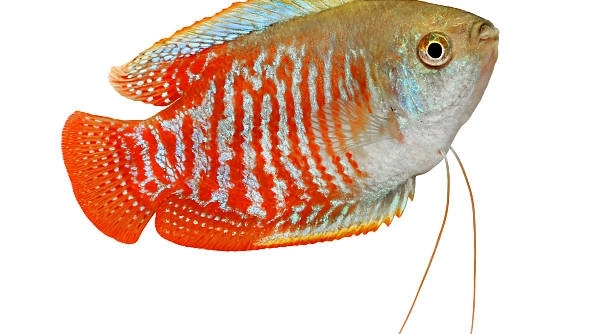
Setting up a tank for gouramis can be a rewarding experience. These colorful, peaceful fish bring life to any aquarium. Preparing the right environment ensures they stay healthy and display their natural behaviors comfortably.
The key essentials for a gourami tank include proper tank size, stable water temperature, adequate filtration, gentle water flow, suitable substrate, hiding spots, and balanced nutrition. Each element contributes to maintaining a healthy and stress-free environment for the fish.
Getting the basics right will make a noticeable difference in your gouramis’ well-being and the overall beauty of the tank. Learning the essentials creates a foundation for a thriving aquarium setup.
Choosing the Right Tank Size
Gouramis are relatively small, but they need enough space to swim comfortably. A tank that is too small can cause stress and limit natural behaviors. For a pair of dwarf gouramis, a 20-gallon tank is ideal, while larger gouramis require at least 30 gallons. Tank shape matters too; longer tanks provide more horizontal swimming space, which gouramis prefer. Overcrowding should be avoided, as it can lead to aggression and poor water quality. Always consider future additions when choosing the tank size.
A spacious tank also makes it easier to maintain water quality.
Selecting the right tank is an investment in their health. With enough space, gouramis can swim freely, establish territories, and exhibit natural behaviors. Extra room reduces stress, supports stable water parameters, and makes feeding and cleaning more manageable. A well-sized tank also allows for adding plants and decorations that create hiding spots, which are important for shy gouramis. Proper tank size is the foundation for a healthy, thriving aquarium.
Water Temperature and Quality
Gouramis thrive in warm, stable water.
Maintaining consistent temperature between 75-82°F and monitoring pH levels around 6.5-7.5 ensures their health. Use a reliable heater and thermometer, and test water regularly. Stability in water parameters prevents stress and disease, helping gouramis remain active and vibrant.
Keeping water clean is essential. Frequent partial water changes, about 25% weekly, remove waste and toxins. Filtration is important but should create gentle flow, as gouramis prefer calm water. Avoid strong currents that can tire them out or prevent them from swimming naturally. Using a water conditioner removes chlorine and harmful chemicals. Observing fish behavior can indicate water issues, such as lethargy or clamped fins. By carefully managing temperature, pH, and cleanliness, you ensure a safe, healthy environment that supports growth, coloration, and activity. Small adjustments can have a big impact on overall well-being, and maintaining these conditions helps prevent long-term health problems. A stable, clean tank encourages natural behavior and allows gouramis to thrive over the years.
Filtration and Water Flow
A gentle filter is essential for gouramis. Strong currents can stress them and make swimming difficult. Choosing a filter that circulates water without creating turbulence ensures waste is removed efficiently while maintaining a calm environment.
Proper filtration keeps the water clean and balanced. Biological filters support beneficial bacteria that break down toxins. Mechanical filtration removes debris, preventing water cloudiness and maintaining clarity. It’s important to choose a filter rated for the tank size to avoid underperformance. Regular cleaning and maintenance of the filter prevent clogging and ensure continuous efficiency. A stable water environment reduces stress, supports immune function, and enhances natural coloration, allowing gouramis to remain healthy and active over time.
Flow management also affects plant and decoration placement. Gouramis enjoy areas with calm water and hiding spots, so adjusting filter output ensures both fish and plants thrive. Gentle circulation distributes oxygen evenly, supporting the entire tank ecosystem. Monitoring water flow and observing fish behavior allows small adjustments to achieve the optimal balance between cleanliness and comfort.
Substrate and Decorations
Soft substrates like sand or fine gravel are best for gouramis. They allow natural foraging and prevent injury to delicate fins. Decorations such as plants, driftwood, and caves create hiding spots and enrich their environment.
Plants provide shelter and improve water quality by absorbing excess nutrients. Floating plants help gouramis feel secure and reduce stress. Driftwood and rocks offer resting places and territory markers. Avoid sharp or rough decorations that can damage fins. Decorations also influence swimming patterns, giving fish areas to explore or retreat. By arranging hiding spots and open spaces, you support both social behavior and peaceful coexistence.
Decorations can also be functional. Plants and ornaments create shade, mimic natural habitats, and reduce aggression among tank mates. Regular rearrangement keeps the environment stimulating and encourages natural exploration. Proper selection of substrate and decor not only improves aesthetics but also enhances fish health, activity levels, and overall well-being. A thoughtfully decorated tank balances space for swimming with areas for retreat, supporting a stress-free and harmonious aquarium.
Feeding and Nutrition
Gouramis need a varied diet to stay healthy. High-quality flakes, pellets, and occasional live or frozen foods provide balanced nutrition. Overfeeding should be avoided, as leftover food can pollute the tank.
Supplementing with vegetables like blanched spinach or zucchini adds fiber and nutrients. Feeding small amounts twice daily keeps them active and prevents digestive issues.
Hiding Spots and Plants
Dense planting and decorations give gouramis safe areas to hide. Floating plants reduce stress and simulate their natural habitat. Plants and caves help shy gouramis feel secure, which encourages natural behavior.
Tank Maintenance
Regular water changes and filter checks are necessary. Removing debris and maintaining water quality prevents illness and supports stable conditions. Proper tank upkeep ensures long-term health and vitality of gouramis.
Social Behavior
Gouramis can be territorial, especially males. Keeping an appropriate number per tank and providing visual barriers reduces aggression and supports peaceful interactions.
How often should I feed my gouramis?
Gouramis should be fed small amounts two times a day. Overfeeding can lead to water pollution and health problems. A good rule is to provide only what they can consume in two to three minutes. Including a mix of flakes, pellets, and occasional live or frozen foods ensures balanced nutrition. Vegetables like blanched spinach or zucchini can be offered once or twice a week for fiber and added vitamins. Monitoring their behavior and appetite helps adjust feeding amounts. Uneaten food should be removed promptly to maintain water quality and prevent ammonia buildup. Consistent feeding keeps gouramis healthy and active.
What tank size is best for gouramis?
For dwarf gouramis, a minimum of 20 gallons is recommended, while larger species require at least 30 gallons. A longer tank shape is preferable because it allows horizontal swimming space. Avoid overcrowding, as it can cause stress and aggression. The tank should be chosen based on the number of gouramis and any additional species. Adequate space also makes it easier to maintain stable water conditions and ensures each fish can establish territory. Planning for future tankmates is important when deciding on the size. A properly sized tank directly impacts their behavior, growth, and overall well-being, providing a more natural environment.
What water temperature and pH should I maintain?
Gouramis thrive in temperatures between 75°F and 82°F. Consistent warmth is crucial, so a reliable heater and thermometer are recommended. The ideal pH range is between 6.5 and 7.5, which supports their health and prevents stress. Frequent testing helps detect changes early, and water conditioners remove chlorine and harmful chemicals. Partial water changes, about 25% weekly, keep ammonia and nitrate levels low. Stable water conditions encourage natural behavior, improve coloration, and reduce susceptibility to disease. Observing fish for signs of stress, like clamped fins or lethargy, can indicate water issues that need immediate attention.
Do gouramis need live plants in their tank?
Live plants are highly beneficial for gouramis. They provide hiding spots, reduce stress, and mimic natural habitats. Floating plants are particularly useful because gouramis often rest near the surface. Plants also improve water quality by absorbing excess nutrients and providing oxygen. Decorating with plants creates shaded areas, reduces aggression, and encourages exploration. While artificial plants are an option, live plants offer more health benefits and enrich the tank’s ecosystem. Proper placement of plants and decorations ensures balance between swimming space and retreat areas. A planted tank enhances both the well-being of gouramis and the visual appeal of the aquarium.
Can gouramis live with other fish?
Gouramis can coexist with peaceful tankmates if the environment is suitable. Avoid aggressive or fin-nipping species. Males can be territorial, so providing hiding spots and visual barriers helps reduce conflict. Compatible species include small tetras, rasboras, and corydoras catfish. Observing interactions during the first few days is important to ensure harmony. Overcrowding increases stress and can trigger aggression. Providing ample space, plants, and decorations helps establish territories and prevents bullying. Proper selection of companions ensures a balanced, peaceful community tank where gouramis can display natural behavior without stress.
How do I prevent disease in my gourami tank?
Maintaining clean water and stable conditions is the best way to prevent disease. Perform regular water changes and monitor ammonia, nitrite, and nitrate levels. Quarantining new fish before adding them to the main tank reduces the risk of introducing pathogens. Avoid overfeeding and remove uneaten food promptly to prevent harmful bacteria growth. Observing fish daily for signs of illness, such as color loss, clamped fins, or unusual behavior, allows early intervention. Proper diet, suitable tankmates, and a stress-free environment also improve immune response. Consistent tank maintenance ensures gouramis remain healthy and minimizes outbreaks of common diseases.
What is the best substrate for a gourami tank?
Soft substrates like sand or fine gravel are recommended. They allow natural foraging behavior and prevent injury to delicate fins. Rough or sharp substrates can damage fins and stress the fish. Substrate choice also impacts plant growth; sand or fine gravel supports root development. Cleaning is easier with smooth substrates, as waste can be siphoned without disturbing the tank environment. Combining substrate with decorations like driftwood or rocks enhances shelter and territory for gouramis. Choosing the right substrate contributes to both the physical health of the fish and the overall stability of the aquarium ecosystem.
How much maintenance does a gourami tank require?
Maintenance involves weekly partial water changes, filter cleaning, and monitoring water parameters. Uneaten food and debris should be removed to prevent toxin buildup. Plants and decorations may need trimming or repositioning for optimal tank balance. Observing fish for stress or disease is part of routine care. A well-maintained tank ensures stable water conditions, reduces illness, and promotes natural behavior. Consistent maintenance supports long-term health and vibrant coloration. Even small, regular efforts prevent major problems and keep the tank environment safe, comfortable, and enjoyable for both the fish and the caretaker.
Setting up a gourami tank requires attention to several important factors, but it does not have to be complicated. Starting with the right tank size is essential because it affects the fish’s comfort and overall health. Smaller tanks can lead to stress and aggression, while a properly sized tank gives them space to swim freely and explore their environment. Including soft substrate, gentle filtration, and well-placed decorations creates a balanced habitat where gouramis can feel secure. Plants, caves, and floating vegetation offer shelter and reduce stress, encouraging natural behaviors like resting near the surface or exploring hiding spots. These details make a noticeable difference in how the fish interact with their surroundings and with one another.
Water conditions are equally important for the success of a gourami tank. Maintaining a stable temperature and proper pH supports their immune system and prevents disease. Regular water testing, partial water changes, and careful monitoring of filtration ensure a clean and healthy environment. Uneaten food and waste should be removed promptly to prevent ammonia and nitrate buildup, which can quickly harm fish. A calm water flow is ideal, as gouramis prefer gentle currents. Keeping the water quality consistent is not just about hygiene; it directly impacts their behavior, coloration, and long-term vitality. Paying attention to these small but crucial details helps create a stress-free environment that allows gouramis to thrive.
Nutrition and social dynamics are also key components of a successful gourami tank. Feeding a varied diet of flakes, pellets, and occasional live or frozen foods ensures balanced nutrition and supports growth. Supplementing with vegetables like blanched spinach or zucchini adds fiber and extra nutrients. Gouramis can be territorial, especially males, so providing hiding spots and visual barriers helps reduce aggression. Choosing compatible tankmates and avoiding overcrowding also contributes to a peaceful environment. Consistent maintenance, careful feeding, and mindful observation of behavior combine to create a thriving tank where gouramis can display natural behaviors, maintain vibrant colors, and live healthy lives. By paying attention to these essentials, setting up and caring for a gourami tank becomes a rewarding and manageable experience.

Hello,
If you enjoy the content that we create, please consider saying a "Thank You!" by leaving a tip.
Every little bit helps us continue crafting quality advice that supports the health, happiness, and well-being of pets around the world, for pets of all shapes, sizes, and species.
We really appreciate the kindness and support that you show us!