
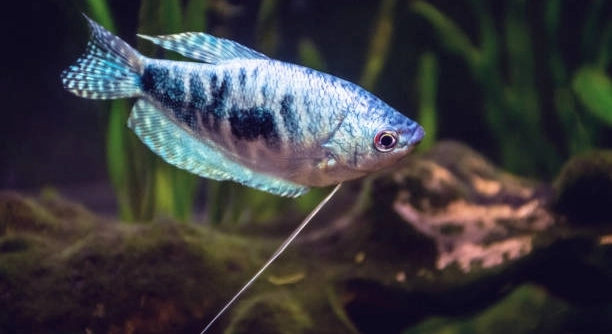
Gouramis are peaceful and colorful fish, often keeping aquariums lively and calm. Observing them swim gracefully can be relaxing, but sometimes they show signs of stress or changes in behavior, making their eating habits unpredictable.
Gouramis may refuse to eat due to various factors, including water quality, tank mates, stress, illness, or dietary issues. Identifying these causes requires careful observation and adjustment to ensure their health and proper nutrition.
Knowing why your gourami stops eating helps maintain a balanced environment. Recognizing subtle signs can prevent long-term health problems and improve their overall well-being.
Changes in Water Quality
Gouramis are very sensitive to the water they live in. Sudden shifts in temperature, pH levels, or chemical balance can make them stop eating. Even minor fluctuations can stress them, causing them to hide or stay inactive. It’s important to regularly test the water for ammonia, nitrites, and nitrates. Cleaning the tank on a schedule and performing partial water changes keeps the environment stable. If you recently added new decorations or equipment, make sure it doesn’t release harmful substances into the water. Observing the fish closely after changes helps identify whether the water conditions are affecting their appetite. Some gouramis may take longer to adjust, especially if the tank has been newly set up. Keeping a stable, clean environment encourages natural feeding habits and reduces stress-related behaviors. Consistency in temperature, lighting, and water flow plays a key role in maintaining their health and appetite over time.
Stress from poor water quality can lead to illness and reduced immunity.
Regular monitoring and gradual adjustments in water conditions prevent abrupt stress and maintain a safe habitat. Using a thermometer and water testing kit ensures gouramis remain comfortable and willing to eat. Creating a calm environment also reduces aggressive behavior from tank mates, further supporting healthy feeding.
Aggressive or Dominant Tank Mates
Some gouramis share their tank with more active or territorial fish. Aggressive neighbors can intimidate them, forcing them to hide and skip meals. Watching interactions carefully can reveal signs of bullying, such as chasing or nipping fins. Rearranging the tank to create hiding spots or separate territories often helps. Using plants, rocks, or partitions gives shy gouramis areas to feel safe. Removing or isolating aggressive fish may be necessary if stress continues. Maintaining balanced group dynamics ensures all fish have access to food without fear. Introducing new fish slowly and observing behavior reduces potential conflicts. Feeding at different times or in different locations can also help ensure gouramis get enough nutrition. Attention to tank population, size, and compatibility is essential for long-term health. By understanding these social dynamics, you can prevent ongoing feeding issues caused by intimidation or stress in a shared environment.
Tank layout and social balance directly affect gouramis’ eating habits.
Careful observation and adjustments in tank setup, hiding areas, and feeding routines allow gouramis to regain confidence. Avoid overcrowding and ensure all fish have enough space to reduce stress-related fasting. Gradual changes in the tank environment improve their comfort and encourage regular feeding patterns.
Illness or Parasites
Illness and parasites are common reasons gouramis stop eating. Signs include lethargy, clamped fins, and unusual spots or discoloration on their body. Early detection helps prevent serious health issues.
Bacterial infections, fungal growth, and internal parasites can interfere with a gourami’s appetite. Sick fish often avoid food to conserve energy or because eating causes discomfort. Quarantining affected fish and treating them with appropriate medication helps control the spread to other tank inhabitants. Maintaining clean water, avoiding overfeeding, and monitoring for sudden behavior changes reduce the risk of illness. Nutritional support during recovery also encourages them to regain strength and resume feeding.
Gouramis may appear normal at first, but subtle changes in behavior or appearance can indicate a hidden problem. Regular observation, including noticing swimming patterns and fin condition, allows early action. Prompt treatment and a stable tank environment improve their chances of recovery, restoring both appetite and vitality over time.
Stress from Environment Changes
Gouramis can react to sudden changes in their environment, such as new decorations, moving the tank, or changes in lighting. Stress often leads to decreased appetite and hiding behavior.
Adjusting the tank slowly can help reduce stress. Gradually acclimating fish to new water, rearranged decorations, or new companions allows them to adapt without losing their appetite. Stressful conditions trigger hormonal responses that temporarily suppress feeding and affect overall health. Monitoring temperature, water chemistry, and providing adequate cover helps gouramis feel secure. Minimize loud noises or vibrations near the tank, as gouramis are sensitive to disturbances. Maintaining predictable routines during feeding and cleaning also encourages normal eating habits.
When stress is prolonged, it can weaken the immune system, making gouramis more prone to illness. Providing consistent water quality, stable temperatures, and hiding spots helps them regain confidence. Observing their behavior during transitions allows timely intervention if they refuse food. Using calming methods, such as floating plants or gentle water flow, reduces anxiety and encourages regular feeding. By carefully managing environmental factors, you can support gouramis’ well-being and restore normal appetite patterns.
Overfeeding
Overfeeding can make gouramis refuse food. Uneaten food pollutes the tank and causes stress, leading to loss of appetite.
Providing smaller, measured portions at regular times prevents overfeeding. Consistent feeding schedules encourage natural hunger cues and maintain water quality.
Incompatible Food Types
Some gouramis may reject food that is too large, hard, or unfamiliar. They prefer small, soft, and varied options that mimic natural diets. Feeding a mix of flakes, pellets, and occasional live or frozen foods improves acceptance and ensures balanced nutrition.
Seasonal or Biological Changes
Gouramis may naturally eat less during breeding or molting periods. Hormonal changes can temporarily suppress appetite, and energy is redirected toward reproduction or growth. Observing patterns helps identify these natural fluctuations without unnecessary intervention.
Water Temperature Fluctuations
Sudden changes in water temperature can shock gouramis, making them stop eating. Maintaining stable, species-appropriate temperatures supports normal feeding behavior and overall health.
FAQ
Why has my gourami stopped eating suddenly?
A sudden loss of appetite usually points to stress, illness, or changes in the tank environment. Sudden water quality shifts, new tank mates, or temperature fluctuations can shock them. Illness or parasites may also reduce feeding, so close observation of behavior and appearance is essential to identify the cause.
How can I tell if my gourami is sick?
Signs of illness include lethargy, clamped fins, faded coloration, spots, or unusual swimming patterns. Loss of appetite often accompanies these symptoms. Early detection is critical. Quarantining the fish and treating with proper medication while keeping water conditions stable helps prevent the problem from spreading.
What foods do gouramis prefer?
Gouramis generally eat small, soft foods such as flakes, pellets, frozen, or live options like brine shrimp and bloodworms. Some may be picky with texture or size, so offering a variety encourages regular feeding and ensures balanced nutrition. Gradual introduction of new foods helps them accept different options.
Can stress cause my gourami to stop eating?
Yes, stress is a major factor. Changes in the environment, aggressive tank mates, loud noises, or overcrowding can trigger stress. Providing hiding spots, stable water conditions, and a calm tank helps gouramis feel secure and encourages them to resume feeding.
How do I treat a gourami that refuses food?
First, check water quality and tank conditions. Identify possible stressors like aggressive fish or sudden changes. If illness is suspected, isolate the fish and use appropriate treatments. Feeding smaller, frequent portions of preferred foods often helps stimulate appetite during recovery.
Is it normal for gouramis to skip meals?
Occasionally skipping a meal is normal, especially during breeding or molting. Hormonal changes can reduce appetite temporarily. Consistent observation helps distinguish natural fluctuations from health problems that require attention.
Can temperature changes affect my gourami’s eating habits?
Yes, water temperature directly impacts metabolism. Sudden drops or spikes can make them stop eating. Maintaining species-appropriate, stable temperatures supports proper digestion and feeding behavior. Gradual acclimation to new temperatures prevents stress-related fasting.
How do I prevent my gourami from refusing food?
Maintain clean water, stable temperature, and a peaceful tank environment. Avoid overfeeding and provide a varied diet. Monitor fish closely for early signs of stress or illness. Gradual changes in tank setup or new introductions help gouramis adjust without appetite loss.
When should I worry about a gourami not eating?
If your gourami refuses food for more than two days, shows signs of illness, or exhibits abnormal behavior, it’s a concern. Immediate action, including checking water quality, diet, and possible medical treatment, helps prevent long-term health problems.
Can tank mates influence my gourami’s appetite?
Aggressive or dominant tank mates can intimidate gouramis, causing them to hide and refuse food. Rearranging the tank, providing hiding spaces, or separating aggressive fish ensures all fish can feed without stress. Observing social interactions is crucial for maintaining a balanced feeding environment.
Is quarantine necessary for sick gouramis?
Yes, isolating sick gouramis prevents the spread of disease and allows targeted treatment. Quarantine also reduces stress from other fish, giving the affected gourami a safer space to recover and regain its appetite more effectively.
How often should I feed my gourami?
Feeding once or twice daily with measured portions is ideal. Overfeeding can pollute the tank and reduce appetite. Offering small, varied amounts encourages natural feeding behavior and helps maintain water quality and overall health.
What role does water quality play in feeding behavior?
Water quality is critical. High ammonia, nitrite, or nitrate levels, or sudden pH changes, can stress gouramis and suppress appetite. Regular testing, partial water changes, and filtration maintenance keep the environment safe and feeding consistent.
Can gouramis eat frozen or live foods exclusively?
While they can survive on frozen or live foods, a balanced diet including flakes or pellets is important for long-term nutrition. Mixing food types ensures they receive essential vitamins and minerals and prevents selective feeding habits that might cause deficiencies.
How do I know if my gourami is stressed?
Stress signs include hiding, rapid breathing, clamped fins, and refusing food. Observing behavior changes after environmental shifts or introducing new tank mates helps identify stressors and allows you to make necessary adjustments for their well-being.
Can overfeeding cause my gourami to stop eating?
Yes, overfeeding can overwhelm the fish and pollute the tank, causing stress and reduced appetite. Feeding smaller portions at regular intervals helps maintain water quality and encourages normal hunger cues. Avoid leaving uneaten food in the tank for long periods.
How long can a gourami go without eating safely?
Healthy adult gouramis can survive a few days without food, but extended periods increase stress and risk of illness. Continuous refusal for more than two days requires investigation to address water quality, stress, or disease.
Are certain gourami species more prone to fasting?
Yes, some species like dwarf gouramis are more sensitive to stress and water changes, making them prone to skipping meals. Understanding species-specific needs ensures proper care and reduces feeding issues.
What is the best way to reintroduce food after a fasting period?
Offer small portions of preferred food in calm conditions. Gradually increase quantity as the fish resumes eating. Avoid sudden introduction of new foods or excessive feeding, which can cause further stress or digestive problems.
How important are hiding spots for feeding behavior?
Hiding spots are essential for shy or stressed gouramis. Plants, rocks, or caves provide security, allowing them to eat without fear. Well-placed cover reduces stress, encourages natural feeding behavior, and helps maintain consistent appetite levels.
Can water changes trigger food refusal?
Large, sudden water changes can shock gouramis, causing them to skip meals. Performing partial, gradual water changes helps maintain stability, minimizing stress and supporting continued feeding behavior.
What should I do if my gourami eats only certain foods?
Introduce variety slowly, mixing familiar foods with new options. Observing preferences and rotating food types ensures balanced nutrition and prevents picky eating habits that may affect long-term health.
Final Thoughts
Gouramis are beautiful and delicate fish that bring life to an aquarium, but their eating habits can sometimes be unpredictable. Observing their behavior closely is the first step to understanding why they may refuse food. Changes in water quality, temperature, tank environment, or social dynamics often affect appetite. Even small fluctuations in pH or ammonia levels can stress them and cause them to skip meals. Paying attention to these details and maintaining stable conditions is crucial for keeping gouramis healthy. Simple routines like regular water testing, partial water changes, and keeping a consistent feeding schedule make a noticeable difference in their willingness to eat.
Stress plays a significant role in a gourami’s behavior, and it can come from several sources. Aggressive or overly active tank mates, loud noises near the aquarium, or sudden changes in decorations or tank layout may frighten them. Providing hiding spots and creating calm, predictable surroundings helps gouramis feel secure. Even minor adjustments, like adding floating plants or rearranging rocks, can encourage shy fish to eat again. Gradual introductions of new fish or decorations allow them to adapt without losing their appetite. Stress management is as important as monitoring water quality, because a stressed gourami may appear healthy but still refuse food, which can lead to long-term health problems if not addressed.
Illness and diet also affect gouramis’ eating habits. Parasites, bacterial infections, and fungal issues can make them lethargic and uninterested in food. Early detection is key, so observing their swimming patterns, coloration, and overall behavior is important. Providing a varied diet of flakes, pellets, and occasional live or frozen foods ensures they get proper nutrition, and offering smaller, frequent meals can help stimulate appetite. Overfeeding should be avoided because leftover food can spoil water quality and further stress the fish. Recognizing natural changes, such as reduced appetite during breeding or molting, helps distinguish normal behavior from health concerns. With careful observation, proper care, and patience, gouramis can maintain a healthy appetite and thrive in the tank environment, making them enjoyable and resilient additions to any aquarium.

Hello,
If you enjoy the content that we create, please consider saying a "Thank You!" by leaving a tip.
Every little bit helps us continue crafting quality advice that supports the health, happiness, and well-being of pets around the world, for pets of all shapes, sizes, and species.
We really appreciate the kindness and support that you show us!