
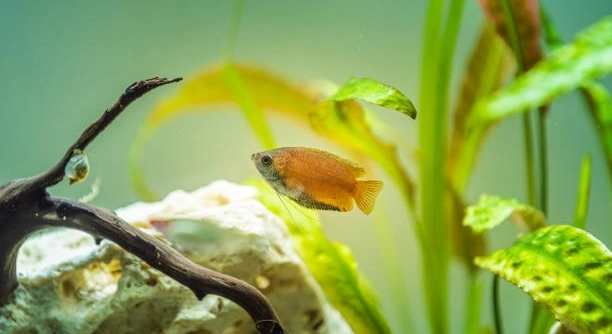
Do your gouramis seem to float quietly in the aquarium, eyes wide open, even at night? Many fish owners notice this behavior and wonder how these peaceful pets rest without closing their eyes. Observing their calm presence can be oddly soothing.
Gouramis do not close their eyes while sleeping because they lack eyelids. Instead, they enter a state of rest where their metabolism slows and movements decrease, allowing them to rest while remaining alert to their surroundings.
Understanding this unique sleeping behavior helps improve care routines and ensures your gouramis remain healthy and comfortable in their aquatic environment.
How Gouramis Sleep
Gouramis rest differently from many other pets. They do not close their eyes, but they do slow down their movements and reduce activity. During sleep, they hover near plants or decorations in the tank. This resting state helps them conserve energy while staying alert. Light levels, water temperature, and tank conditions influence how deeply they rest. Even in complete darkness, gouramis may keep their eyes open, but their body shows signs of relaxation. Observing them closely can reveal subtle changes, like slower fin movements and reduced swimming. Sleep is essential for their immune system and overall health. Tankmates can also influence rest patterns, so a peaceful environment helps gouramis maintain proper sleep cycles. Some gouramis prefer corners or shaded areas, while others choose mid-level swimming spots. Understanding these habits allows you to create a supportive environment that mimics their natural resting behaviors and keeps them comfortable and healthy.
Their sleep habits are subtle but consistent. Watching these signs helps you monitor their well-being closely.
Gouramis’ resting behavior reflects natural instincts. They balance safety with the need for energy conservation. Unlike mammals, their open eyes do not indicate alertness alone; instead, it is part of their adaptation to aquatic life. By providing hiding spots and stable water conditions, you encourage natural rest cycles. Over time, you can notice patterns, such as preferred sleeping areas and the influence of tank light schedules. Minimizing disturbances, like sudden movements or loud noises, further improves rest quality. Some gouramis even adjust positions slightly while sleeping to maintain comfort or avoid stress. Observing these details enhances understanding of their needs and strengthens care practices, ultimately leading to healthier and more content fish.
Tips for Supporting Gourami Rest
Maintaining a calm tank helps gouramis sleep better. Avoid frequent tapping and sudden light changes.
A steady day-night cycle, using dim lights at night, allows gouramis to maintain natural rhythms. Providing plants, rocks, or other shelters gives them places to rest and feel safe. Water temperature stability also plays a role, as sudden fluctuations can disturb sleep patterns. Regular feeding schedules support consistent energy levels, reducing stress during resting periods. Observing their preferred sleeping spots can guide tank arrangement. If multiple gouramis share a tank, ensure enough space to prevent overcrowding. Over time, a calm and predictable environment will promote healthy sleep habits, benefiting their growth, immune system, and overall behavior. Consistent care enhances their natural instincts and makes them more relaxed in the aquarium.
Common Misconceptions About Gourami Sleep
Many people assume that open eyes mean gouramis are always awake. In reality, their eyes stay open due to the lack of eyelids, even when they are resting deeply. Observing their body and fin movements provides better indicators of sleep.
Gouramis rest by slowing their movements and hovering near shelter areas. They may drift gently in the water or remain motionless for extended periods. Sleep is vital for their health, including immune function and energy conservation. Unlike mammals, visual cues like closed eyes are unreliable, so understanding behavioral signs is key. Tank conditions, light levels, and presence of other fish all affect rest. By paying attention to these factors, owners can ensure gouramis maintain healthy sleep routines, minimizing stress and promoting longevity.
Another misconception is that gouramis need complete darkness to rest. They can sleep in low or even normal light levels, as long as disturbances are minimal. Observing patterns over time helps identify when they are truly resting. Providing plants or decorations offers security and comfort. Recognizing these behaviors prevents unnecessary concern about their well-being. Properly reading these signs allows you to create a stable and supportive environment, ensuring gouramis maintain natural sleep cycles and remain healthy in their tank.
Environmental Factors Affecting Rest
Tank conditions directly influence how well gouramis sleep. Stable water temperature and clean water improve rest quality and reduce stress.
Water quality and temperature stability are crucial. Gouramis are sensitive to sudden changes in pH, temperature, or chemical levels. Even minor fluctuations can cause restlessness or interrupted sleep. Adequate oxygenation and gentle filtration also contribute to a comfortable environment. Plants and hiding spots provide security, allowing gouramis to relax fully. Lighting schedules should mimic natural day-night cycles, avoiding abrupt bright lights at night. Overcrowding or aggressive tankmates can disturb their resting behavior, making careful planning of tank composition important. By monitoring these environmental factors, you ensure gouramis experience consistent and healthy sleep, supporting their overall well-being.
Signs Your Gourami is Resting
Slower movements and hovering in one spot are clear signs of rest. Fins may flutter slightly, and breathing becomes more even. These subtle changes indicate the fish is conserving energy without being fully active.
Gouramis may choose shaded areas or plants to rest. They might drift gently or stay motionless, signaling a proper resting state. Observing these patterns over several days helps confirm normal sleep behavior.
Nighttime Behavior
Gouramis often reduce activity at night but remain alert to surroundings. They may adjust positions slightly or hover near decorations, showing that rest does not require complete stillness. Proper nighttime conditions support healthy sleep and energy conservation.
Tips for Observing Sleep
Watching for subtle movements and preferred resting spots provides insight into gouramis’ sleep cycles. Consistency in the tank environment helps them maintain natural rhythms.
FAQ
Do gouramis really sleep with their eyes open?
Yes, gouramis sleep with their eyes open because they do not have eyelids. Instead, they enter a resting state where their movements slow, and their metabolism decreases. Even though their eyes remain open, their body shows clear signs of relaxation and reduced activity.
How can I tell if my gourami is actually resting?
Look for subtle cues like slower fin movements, hovering in one spot, or drifting gently. They may choose a shaded area or hide near plants. Reduced swimming speed and calmer breathing are reliable indicators that the fish is resting.
Do gouramis need complete darkness to sleep?
No, gouramis do not require total darkness. Low light levels or a dimly lit tank are enough to support their natural rest cycles. Sudden bright lights can disturb their sleep, so keeping a stable light schedule helps maintain healthy rhythms.
How long do gouramis sleep each day?
Sleep duration varies depending on age, health, and tank conditions. On average, gouramis rest several hours daily, mostly at night, but short naps during the day are common. Observing patterns over time helps understand their personal routine.
Can tankmates affect gourami sleep?
Yes, aggressive or overly active tankmates can disrupt rest. Providing enough space, hiding spots, and peaceful companions ensures gouramis feel secure and can rest without stress or interruptions.
Does water temperature impact sleep?
Water temperature plays a key role. Sudden fluctuations or extreme temperatures can make gouramis restless. Stable, moderate temperatures promote calm behavior, allowing proper energy conservation and restful periods.
Are there signs of sleep problems in gouramis?
Restlessness, constant swimming, hiding excessively, or irregular activity can indicate disturbed rest. Checking water quality, tank conditions, and social dynamics can help identify causes and restore normal sleep patterns.
Should I change feeding schedules to support sleep?
Consistent feeding schedules help maintain energy levels and support natural rest cycles. Overfeeding or irregular feeding may lead to hyperactivity or stress, affecting their sleep. Small, routine meals are best for balance.
Do young gouramis sleep differently than adults?
Yes, juvenile gouramis may take shorter naps throughout the day and night. Adults tend to have longer, more consistent resting periods. Observing age-specific patterns allows better care tailored to their developmental stage.
Can stress affect sleep in gouramis?
Stress from overcrowding, poor water quality, or frequent disturbances can interfere with rest. Ensuring a calm environment with stable conditions helps maintain normal sleep behavior and overall health.
How can I create a better sleep environment for my gourami?
Provide plants, decorations, and hiding spots for security. Keep light schedules consistent, water quality stable, and avoid sudden disturbances. A peaceful environment encourages natural sleep, reducing stress and promoting long-term health.
Do gouramis dream?
Gouramis do not experience dreams like mammals. Their rest involves energy conservation and minimal movement rather than the complex brain activity required for dreaming. Observing calm periods shows they are resting effectively, even with eyes open.
Is it normal for gouramis to change resting spots?
Yes, gouramis may shift locations to feel more secure, avoid tankmates, or adjust to light changes. This is a natural behavior and shows flexibility in finding comfort during rest.
Can artificial lighting interfere with sleep?
Yes, abrupt changes in lighting or leaving bright lights on at night can disrupt sleep. Using timers or dim lighting helps maintain natural rhythms and reduces stress.
Are there differences in sleep behavior between gourami species?
Different species may vary slightly in preferred resting spots or activity levels, but all share the trait of sleeping with eyes open. Observing specific species behavior helps provide tailored care and supports healthy rest cycles.
How important is observation for maintaining gourami health?
Regular observation allows you to notice subtle changes in rest and behavior. Recognizing signs of stress or disturbed sleep early ensures timely adjustments to tank conditions, improving their comfort and well-being over time.
Can diet influence sleep?
Yes, a balanced diet supports energy management and natural rest patterns. Poor nutrition or overfeeding can cause restlessness or irregular behavior, indirectly affecting sleep quality. Maintaining a proper diet contributes to overall health and proper resting cycles.
How can I tell if my gourami is comfortable while resting?
Comfort is shown by slow, steady fin movements, hovering calmly, and choosing preferred hiding spots. Calm breathing and regular patterns indicate they feel safe and rested in their environment.
Is it okay if my gourami sometimes sleeps in open water?
Yes, some gouramis feel secure enough to rest in open areas, especially if the tank is calm and safe. Providing both open spaces and shelters allows them to choose according to comfort and security.
How do changes in tank layout affect sleep?
Rearranging decorations or removing hiding spots can temporarily disturb rest. Gouramis need time to adjust, so changes should be gradual to minimize stress and support normal sleep patterns.
What is the best way to monitor sleep without disturbing the fish?
Observe from a distance, preferably during low light conditions or when the tank is quiet. Note fin movements, hovering behavior, and resting positions to assess sleep without causing stress or interruption.
This FAQ provides practical guidance on recognizing, supporting, and improving sleep habits for gouramis, ensuring their health, comfort, and natural behavior are maintained.
Gouramis are unique fish in many ways, and their sleeping habits are no exception. Unlike mammals, they do not close their eyes when they rest. This can be surprising at first, especially if you are used to observing pets like cats or dogs, whose sleep is visually obvious. With gouramis, the signs of rest are more subtle. They slow their swimming, hover in one spot, and sometimes drift gently in the water. Their breathing becomes more even, and fin movements are calmer. Observing these behaviors over time helps distinguish between active periods and true rest. Understanding these patterns is essential for ensuring your gouramis remain healthy and comfortable in their tank.
Creating an environment that supports restful behavior is an important part of proper care. Stable water temperature, clean water, and consistent lighting schedules help gouramis maintain natural rhythms. Providing plants, rocks, and other decorations allows them to find secure resting spots, reducing stress and promoting energy conservation. Even minor disturbances, like sudden bright lights or loud noises, can interrupt their rest. Overcrowded tanks or aggressive tankmates also affect sleep, so careful planning of tank composition is necessary. By paying attention to these factors, you can support natural sleep cycles and create a stable, safe environment for your fish.
Watching your gouramis over time allows for a deeper understanding of their habits and preferences. Each fish may have slightly different patterns, resting spots, or responses to tank conditions. Some may prefer shaded areas or mid-level swimming zones, while others feel comfortable resting in open spaces. Monitoring their behaviors provides insight into their health, stress levels, and overall well-being. Supporting their sleep with proper care routines, calm tank conditions, and thoughtful observation helps maintain a balanced and healthy aquarium. Paying attention to these details ensures that your gouramis can rest safely, conserve energy, and thrive in their aquatic environment.

Hello,
If you enjoy the content that we create, please consider saying a "Thank You!" by leaving a tip.
Every little bit helps us continue crafting quality advice that supports the health, happiness, and well-being of pets around the world, for pets of all shapes, sizes, and species.
We really appreciate the kindness and support that you show us!