
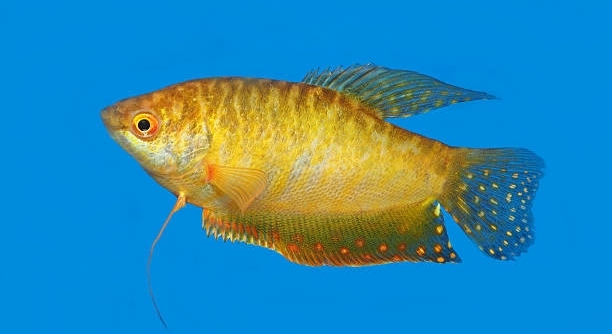
Moving your gourami to a new tank can be stressful for the fish. Changes in environment, water parameters, and surroundings may cause them to hide or stay in one spot for longer than usual.
Gouramis often exhibit shy behavior after relocation due to environmental stress and unfamiliar surroundings. Sudden changes in water chemistry, lighting, and tank setup can trigger caution, leading the fish to retreat and explore only gradually until it feels secure and comfortable.
Observing your gourami patiently and adjusting the new environment can help it regain confidence and adapt more smoothly over time.
Common Reasons Gouramis Become Shy After a Move
When I moved my gourami to a new tank, I noticed it hiding behind plants for days. Gouramis are sensitive to changes in their environment. New water temperature, pH, or even the placement of decorations can make them feel unsafe. Lighting changes can also affect their comfort level, as gouramis rely on familiar shadows and hiding spots. Sudden movement around the tank or tapping on the glass can increase their stress. Even small changes, like introducing new tankmates, may cause them to retreat. Over time, they begin to explore once they feel the environment is predictable. Providing consistent care, keeping the water clean, and giving them plenty of hiding spots helps reduce their stress. Observing their behavior carefully allows you to notice subtle signs of adaptation. Every gourami reacts differently, so patience is essential to help them regain confidence and feel secure again in their new surroundings.
Gouramis hide primarily to feel safe while adjusting. Proper tank setup and minimal disturbances help them recover faster.
Stress, unfamiliar surroundings, and water differences can make a gourami shy. Gradual introduction, stable water parameters, and careful observation help the fish regain normal behavior. Adjusting lighting, adding plants, and ensuring compatible tankmates provide comfort. Even after these changes, some gouramis remain cautious, exploring slowly. Recognizing their need for security allows you to create a peaceful environment. Feeding at regular times, maintaining clean water, and minimizing sudden noises or movements encourages them to come out more often. Over a few weeks, shy gouramis usually start interacting and swimming confidently. Each fish’s adaptation timeline differs, and patience is crucial. Keeping a consistent routine while observing subtle signs of comfort helps them feel at home. Small adjustments in the tank, like adding hiding spots or rearranging decorations gradually, can also make a significant difference. Understanding these behaviors allows for better care, ensuring the gourami feels secure and eventually becomes more social and active in its new tank.
Tips to Help Your Gourami Adjust
Creating a calm environment is essential for a smooth adjustment. Hiding spots, stable water, and gentle lighting provide comfort.
Introduce changes slowly and monitor behavior closely. Avoid sudden movements or new tankmates until the fish feels secure. Regular feeding and consistent care reduce stress and promote gradual confidence. Using plants and decorations strategically gives them areas to retreat. Observing their swimming patterns helps you understand readiness to explore. Over time, shy gouramis usually become more comfortable, showing natural behavior and curiosity without pressure. Patience and small adjustments go a long way in helping them settle.
Adjusting Tank Conditions
Proper water temperature and pH are critical for a gourami’s comfort. Sudden changes can make them hide. Keeping water parameters stable allows the fish to adapt more quickly and feel safe in the new environment.
I learned that maintaining consistent water conditions helped my gourami come out of hiding faster. Fluctuations in temperature or pH made it retreat to corners or behind plants. Using a reliable thermometer and testing the water regularly ensured the tank stayed within the recommended range. Gentle water changes, done slowly, prevented additional stress. Even small adjustments, like moving decorations gradually rather than all at once, contributed to a calmer atmosphere. These steps created an environment where my gourami felt secure enough to explore and interact naturally.
Tank lighting and decorations play a big role in a gourami’s behavior. Soft, consistent lighting and plenty of plants gave my fish places to hide, reducing stress. Rearranging decor gradually allowed exploration without fear. Proper setup encouraged confidence and activity.
Feeding and Interaction
Feeding routines affect how comfortable a gourami feels. Consistent timing and gentle presentation of food reduce stress and encourage normal behavior.
I noticed that my gourami became more confident when I fed it at the same times each day. Scattering food slowly near its hiding spots allowed it to eat without rushing or feeling threatened. Over time, it started swimming out sooner during feeding, showing curiosity instead of fear. Avoiding sudden movements and loud noises around the tank further encouraged this behavior. Using small portions prevents overfeeding and helps monitor health. Even interactions like observing quietly from a distance helped the fish recognize a safe presence, building trust gradually. Keeping a calm, predictable routine proved essential for my gourami’s adaptation.
Gradual Introduction to Tankmates
Adding new tankmates too quickly can stress a gourami. Introducing them slowly and observing interactions prevents aggressive behavior and hiding.
I found that separating new fish with a divider at first allowed my gourami to get used to them. Once confident, it began exploring more freely without fear.
Creating Hiding Spots
Plants, caves, and decorations give gouramis safe spaces. Adequate hiding spots reduce stress and encourage natural behavior.
Providing tall plants and small caves helped my gourami feel secure. It would retreat when needed but also venture out to swim and feed. Variety in hiding spots gave it choices and increased confidence.
Minimizing Stress
Sudden movements or loud noises can make a gourami shy. Calm surroundings promote adjustment.
FAQ
Why is my gourami hiding so much after moving it to a new tank?
Gouramis are naturally cautious when their surroundings change. Moving to a new tank exposes them to different water parameters, lighting, and decorations. Hiding allows them to feel secure while assessing the environment. Providing plants or caves helps them feel safe and reduces stress.
How long does it take for a gourami to adjust?
Adjustment varies by fish, but generally, shy behavior lasts from a few days to a couple of weeks. Factors such as water stability, tank size, and hiding options influence recovery. Patience is key, and gradual observation ensures the fish is adapting properly.
Can water temperature or pH affect shyness?
Yes. Sudden shifts in temperature or pH can cause stress and hiding. Gouramis prefer stable water conditions. Testing water regularly and making slow adjustments can help the fish regain confidence and return to normal behavior.
Should I rearrange tank decorations to help my gourami?
Small, gradual changes are beneficial. Rearranging all decorations at once can increase stress. Providing a mix of hiding spots and open swimming areas encourages exploration without overwhelming the fish.
Do gouramis prefer plants or caves for hiding?
Both are helpful. Tall plants give cover and a sense of security, while caves offer a retreat space. A combination works best, giving your gourami choice and control over its environment, which promotes comfort and reduces stress.
Will new tankmates make my gourami shy?
Introducing new fish too quickly can trigger hiding. Using a divider or adding new fish gradually allows the gourami to observe safely. Over time, it usually becomes more confident and may even interact with the new tankmates.
How does feeding affect shyness?
Consistent feeding routines reduce stress. Scattering food near hiding spots allows the fish to eat comfortably. Gradually, your gourami may come out more readily during feeding, showing curiosity and confidence instead of fear. Small portions also help monitor health.
Can noise or vibrations make my gourami shy?
Yes. Gouramis are sensitive to sudden movement or loud sounds near the tank. Keeping a calm environment and observing quietly from a distance helps the fish feel safe and more willing to explore.
Should I handle my gourami to reduce shyness?
Handling is not recommended. Gouramis can become more stressed with physical interaction. Patience and creating a safe, consistent environment are more effective ways to encourage confident behavior.
What signs show my gourami is starting to adjust?
Exploring open areas, swimming more freely, and coming out during feeding are good signs. Increased activity and interaction with tank features indicate growing comfort and confidence in the new surroundings.
Are there supplements or additives that help?
Some mild stress-reducing water conditioners can help, but consistent water quality and a secure environment are more important. Avoid overuse of chemicals, as stability is key for long-term adjustment.
Is it normal for gouramis to remain shy for weeks?
Yes. Each fish adapts at its own pace. Shyness for several weeks is common, especially after major changes. Continuous care, stable conditions, and gentle observation are essential until the gourami feels fully secure.
How can I encourage my gourami to explore more?
Adding a few hiding spots at different areas of the tank, feeding consistently, and minimizing disturbances encourages gradual exploration. Over time, curiosity will replace caution, and the fish will swim confidently throughout the tank.
Can stress from moving affect my gourami’s health?
Extended stress can impact appetite and immune function. Monitoring behavior, maintaining clean water, and providing a secure environment are crucial to prevent health issues while the fish adapts.
Are some gouramis naturally more shy than others?
Yes. Personality varies between individuals. Some gouramis are naturally cautious, while others adjust quickly. Recognizing and accommodating these differences ensures each fish receives the care it needs to thrive.
Final Thoughts
Moving a gourami to a new tank can be stressful for the fish, and it is normal for them to appear shy or hide for several days. These fish are sensitive to changes in water temperature, pH, and overall environment. Even small differences in lighting, decorations, or tank placement can make them feel insecure. Observing your gourami closely during this adjustment period helps you notice subtle signs of stress and comfort. Providing consistent care, stable water conditions, and hiding spots like plants or caves allows the fish to feel safe. Gradual changes are key, whether it is rearranging decorations or introducing new tankmates. Sudden adjustments can worsen stress and prolong shyness, so patience is essential. Each gourami will have its own pace for adapting, and respecting that pace ensures it feels secure and begins to explore naturally again.
Feeding routines play a significant role in helping a shy gourami regain confidence. Consistent timing, gentle placement of food, and small portions encourage normal behavior and reduce anxiety. Scattering food near hiding spots allows the fish to eat comfortably without feeling threatened. Over time, it will gradually come out more often during feeding periods, showing curiosity instead of caution. Interactions such as quietly observing the tank from a distance also help your gourami become accustomed to your presence without feeling pressured. Avoid handling the fish, as direct contact can increase stress and delay adaptation. Creating a calm, predictable environment ensures the fish feels in control of its surroundings. Even minor adjustments, like moving decorations gradually or providing more cover, can significantly improve confidence. Watching for positive changes such as increased swimming activity, exploration of open areas, and participation in feeding indicates the fish is adapting well.
Stress management and environmental stability are the foundations for helping a gourami settle into a new home. Loud noises, sudden movements, or frequent disruptions near the tank can prolong hiding behavior. Providing a variety of hiding spots and open swimming areas gives the fish choices, which is important for building a sense of security. Gradual introduction of new tankmates, monitoring interactions, and avoiding overcrowding also prevent additional stress. Some gouramis are naturally cautious, so even with the right environment, patience is necessary. Maintaining clean water, stable parameters, and a quiet atmosphere promotes health and reduces long-term stress. By observing behavior, adjusting the environment thoughtfully, and providing a consistent routine, you can help your gourami regain confidence and return to its normal, active behavior. Over time, these steps ensure a comfortable, safe space where the fish can thrive and enjoy its new surroundings fully.

Hello,
If you enjoy the content that we create, please consider saying a "Thank You!" by leaving a tip.
Every little bit helps us continue crafting quality advice that supports the health, happiness, and well-being of pets around the world, for pets of all shapes, sizes, and species.
We really appreciate the kindness and support that you show us!